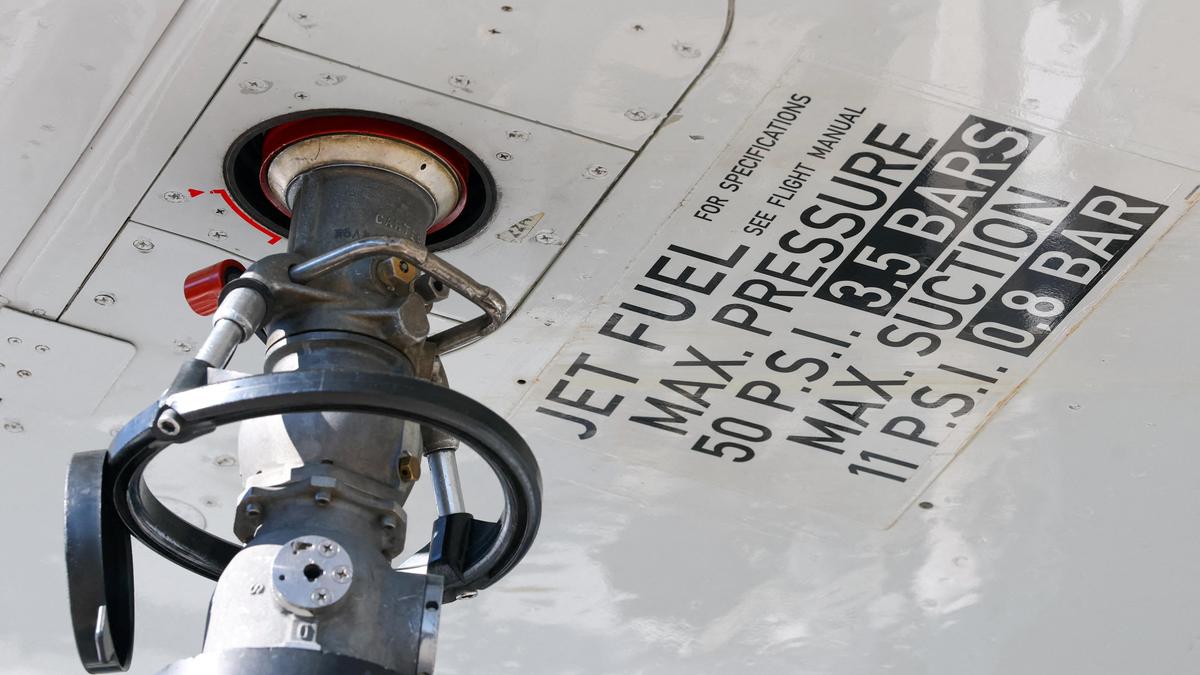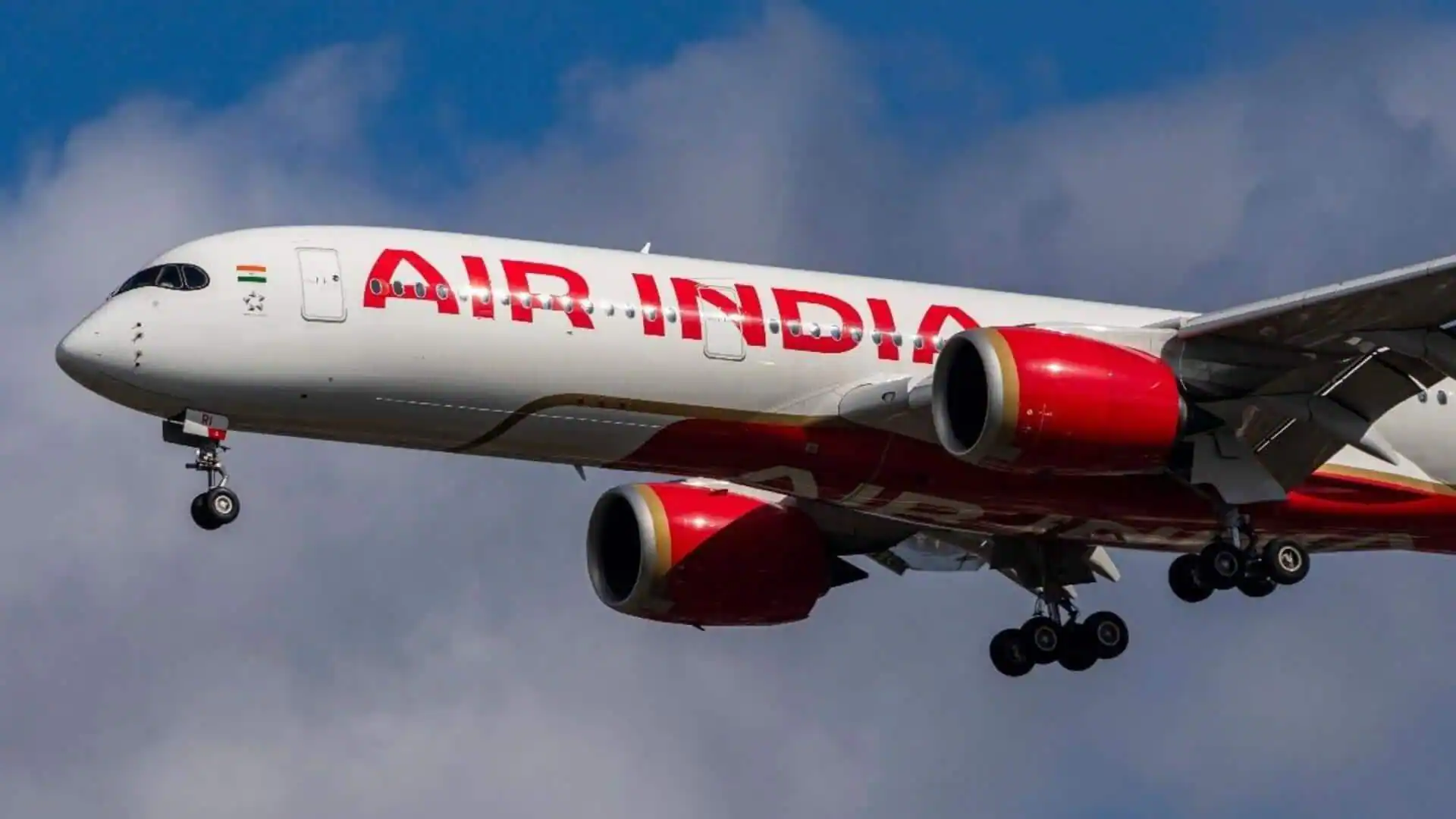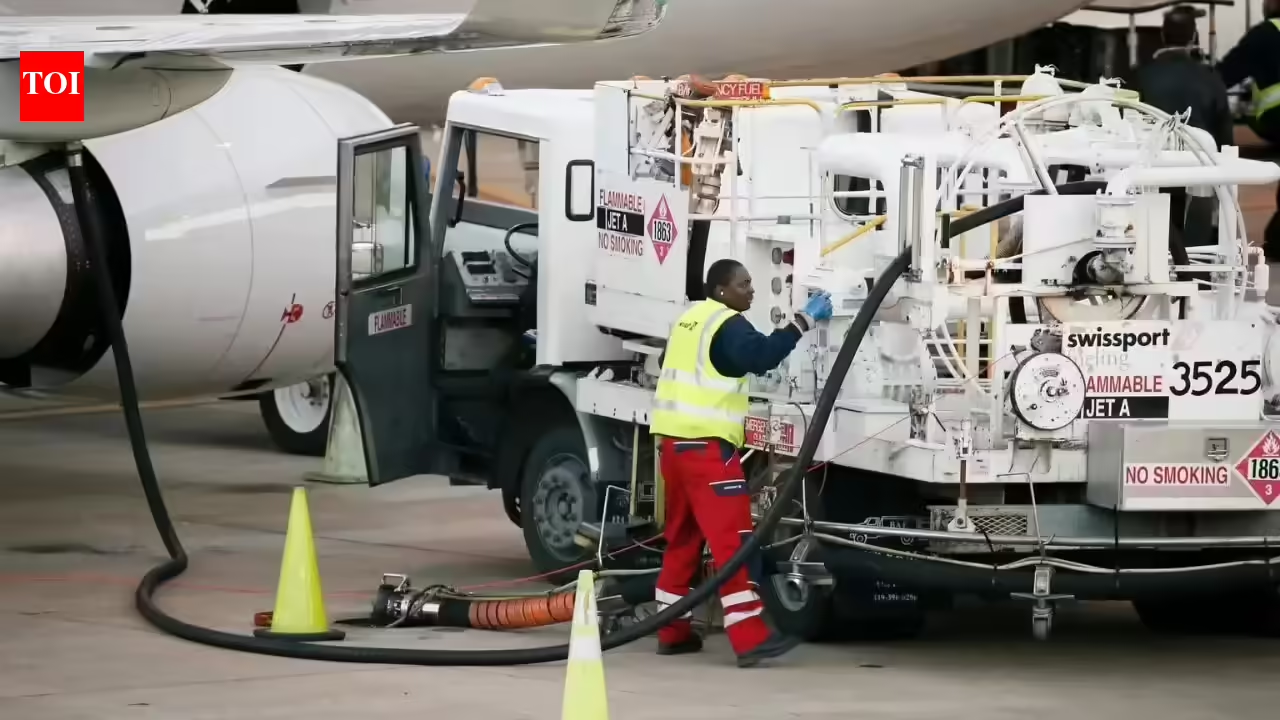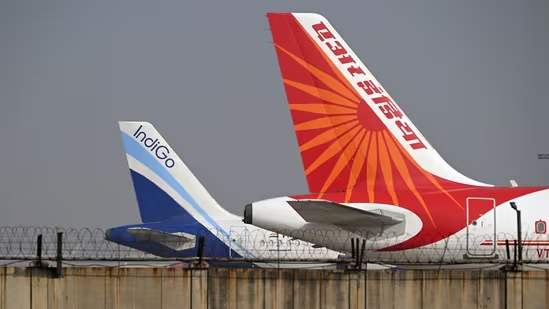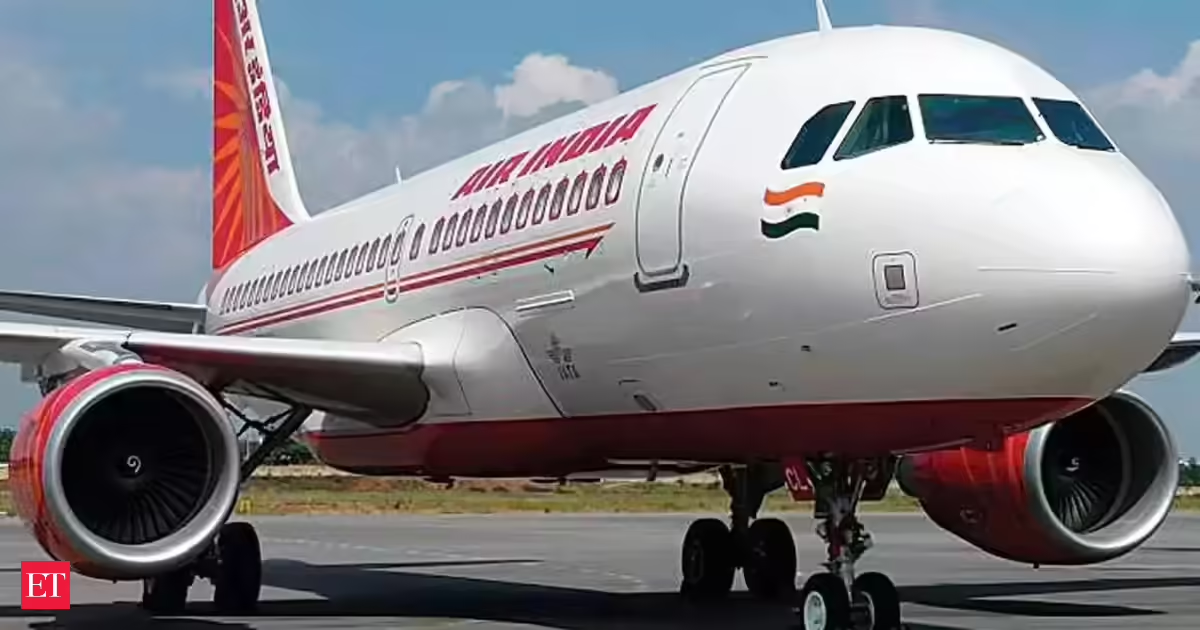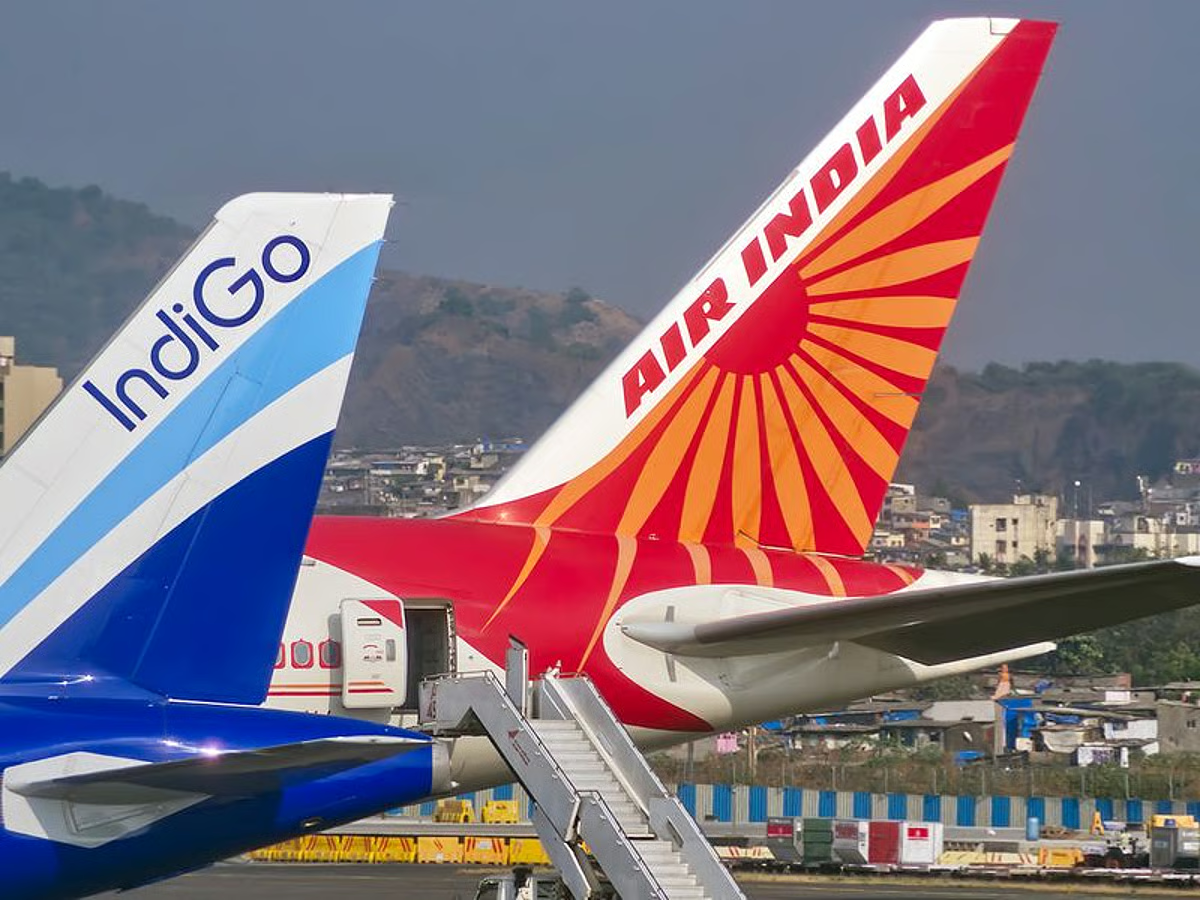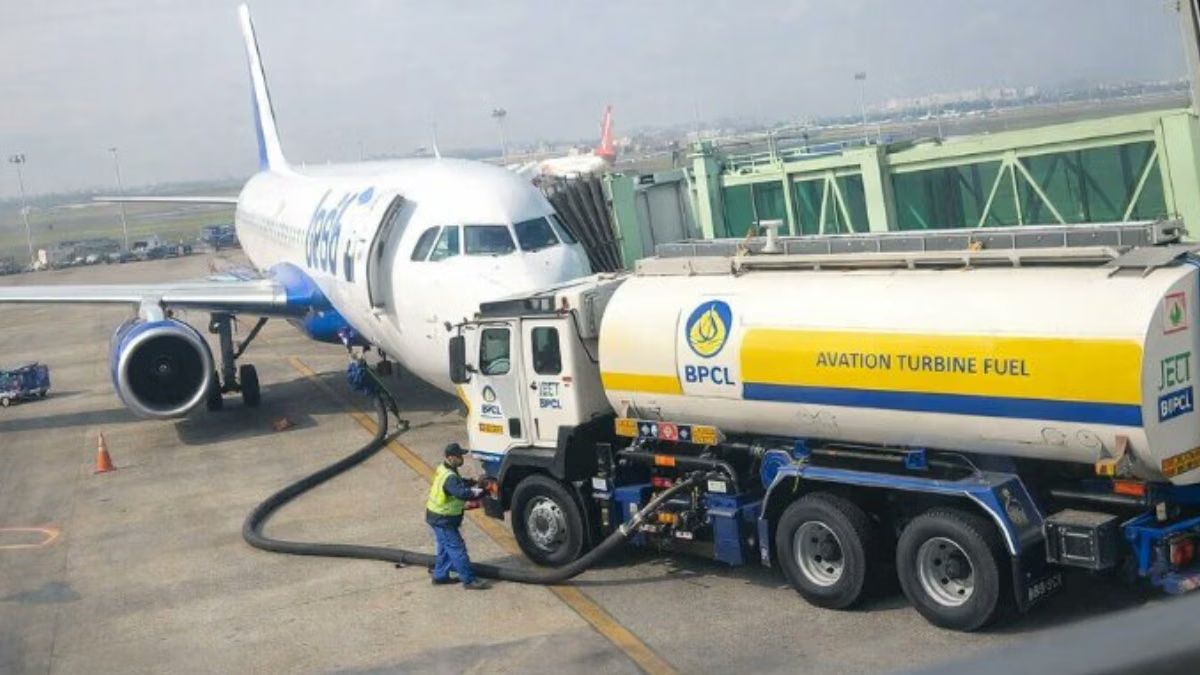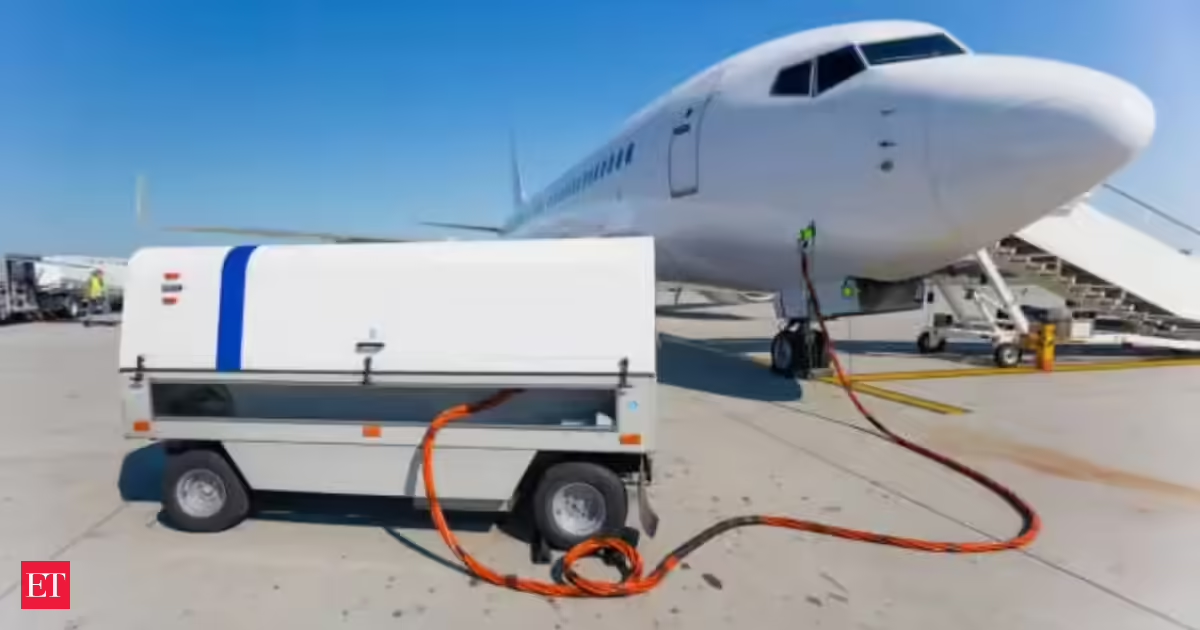
State-run oil companies will cap aviation turbine fuel (ATF) prices as part of a ₹10,000 crore support scheme approved by the government Wednesday, aimed at insulating domestic airlines from sharply higher global crude prices due to the West Asia crisis.The ATF price stabilisation programme, cleared by the union cabinet chaired by PM Narendra Modi, will reimburse these refiners for losses incurred from selling jet fuel below market rates. This will be done by giving interest-free advances to cover the refiners' under-recoveries or the gap between market price of jet fuel and reduced rate they will charge airlines.People aware of the development said jet fuel price for airlines has been fixed at ₹115 per litre for both domestic and international flights. While the current prices, at ₹105 and ₹110 per litre for domestic and international flights from Delhi, airlines will benefit if international crude price shoots up further.For instance, the price of brent crude, the global benchmark for oil, rose more than 1% to about $97 a barrel, easing from its earlier high for the day after fighting flared up in Middle East. "The fund will help stabilise ATF prices for scheduled Indian carriers and will prevent disruption of airline operations. It will also shield air passengers from fare spikes driven by the global price surge," Union information minister Ashwini Vaishnaw said.The government will compensate OMCs whenever international import parity prices exceed this benchmark, and the support will be recovered once global fuel prices moderate, with proceeds to be returned to the Consolidated Fund of India. The mechanism will operate for 36 months with a provision for annual review or until the advance amount is fully recovered or settled, whichever is earlier. Vaishnaw said the scheme would help airlines keep ticket prices affordable while shielding state-owned oil companies from losses. Fuel is the largest expenditure for Indian carriers, accounting for nearly 40% of their operating cost.This is the latest in a slew of measures taken by the government to shield airlines since the start of Iran war on February 28. It includes rebates on aircraft landing and parking charges, regulating increases in jet fuel prices, and tax reductions on fuel for flights operating from Delhi and Mumbai, the country's two biggest airports.Other decisionsThe union cabinet approved four National Highway projects entailing a total expenditure of ₹24,249 crore to improve connectivity, ease congestion, and support economic activity across key transport corridors. This includes a coastal highway project in Odisha at an estimated cost of ₹8,300 crore, two NH projects in Madhya Pradesh, and two highway widening projects in Telangana and Bihar. The government also cleared a vehicle replacement scheme for the Delhi-NCR region to curb air pollution and accelerate the shift towards cleaner mobility.The scheme will incentivise owners of trucks and buses complying with Bharat Stage-IV or older emission norms to replace them with BS-VI or stricter emission-compliant vehicles, including electric vehicles (EVs).
Cabinet approves Rs 10,000 crore fund to cap jet fuel prices; clears Rs 24,249 crore highway projects
Aviation Turbine Fuel prices will be capped by state-run oil companies. The government has approved a ₹10,000 crore support scheme. This aims to protect Indian airlines from higher global crude oil costs. Jet fuel prices are fixed at ₹115 per litre for airlines. This measure will help keep airfares affordable for passengers. The scheme will operate for 36 months.
481 words~2 min read