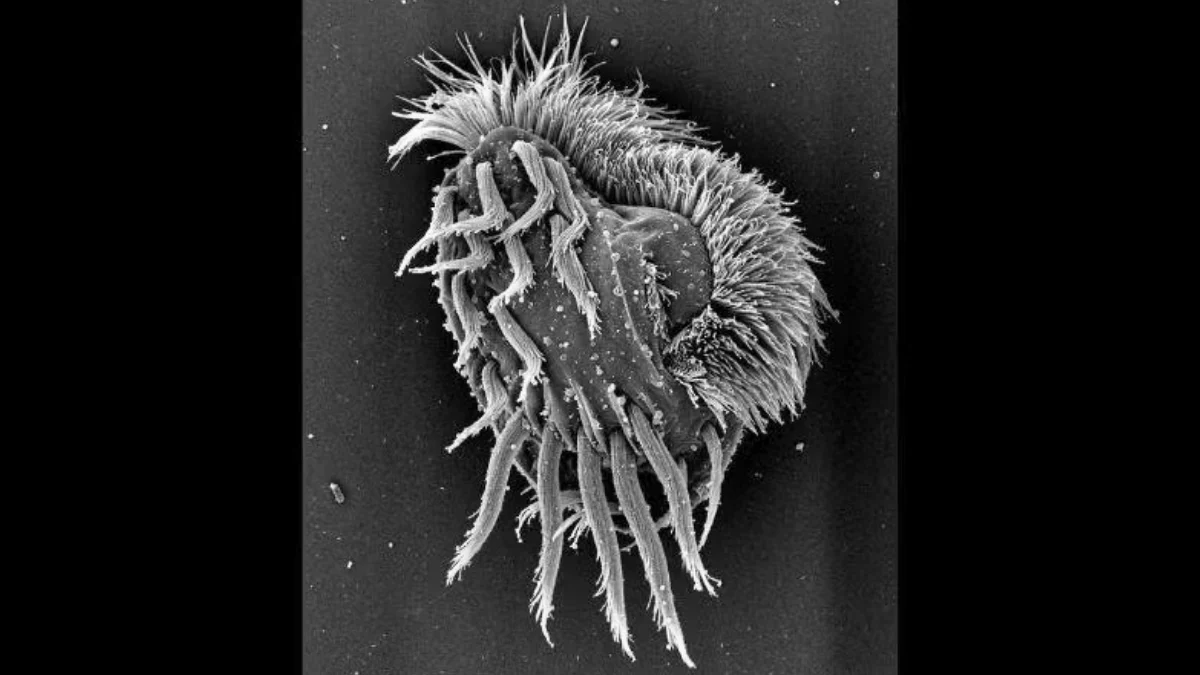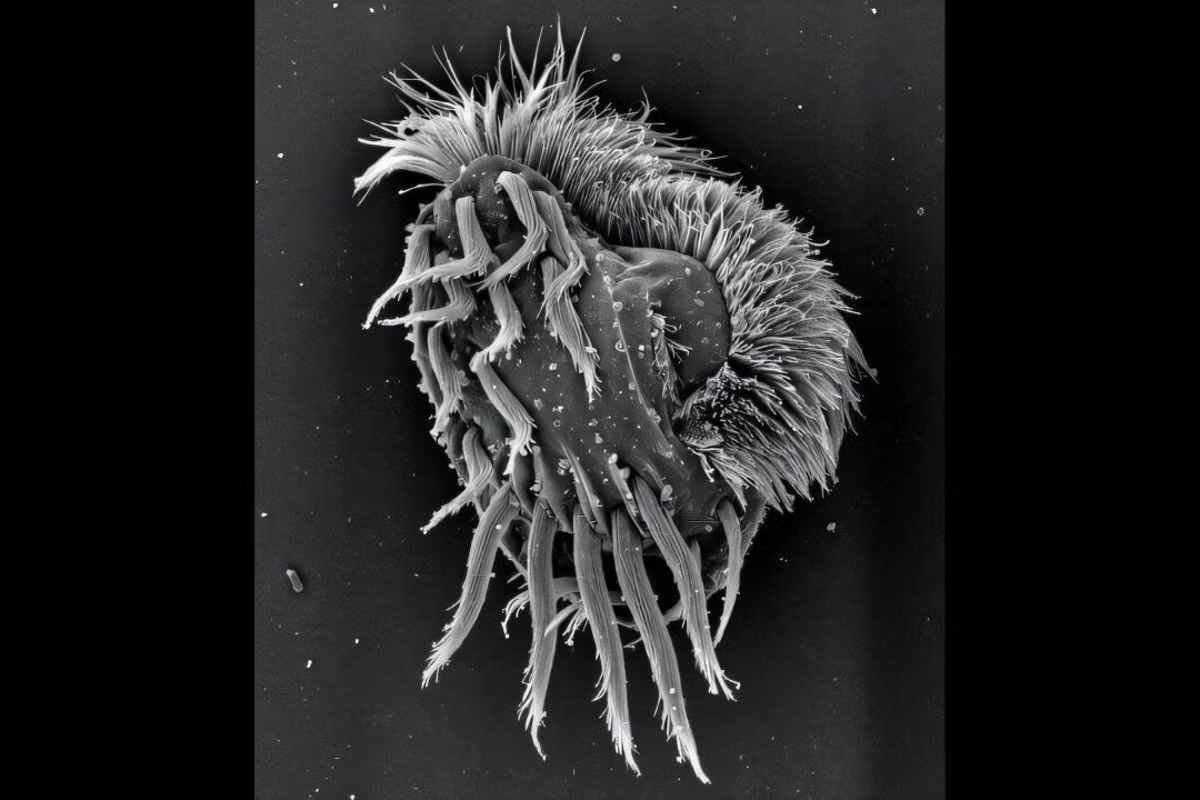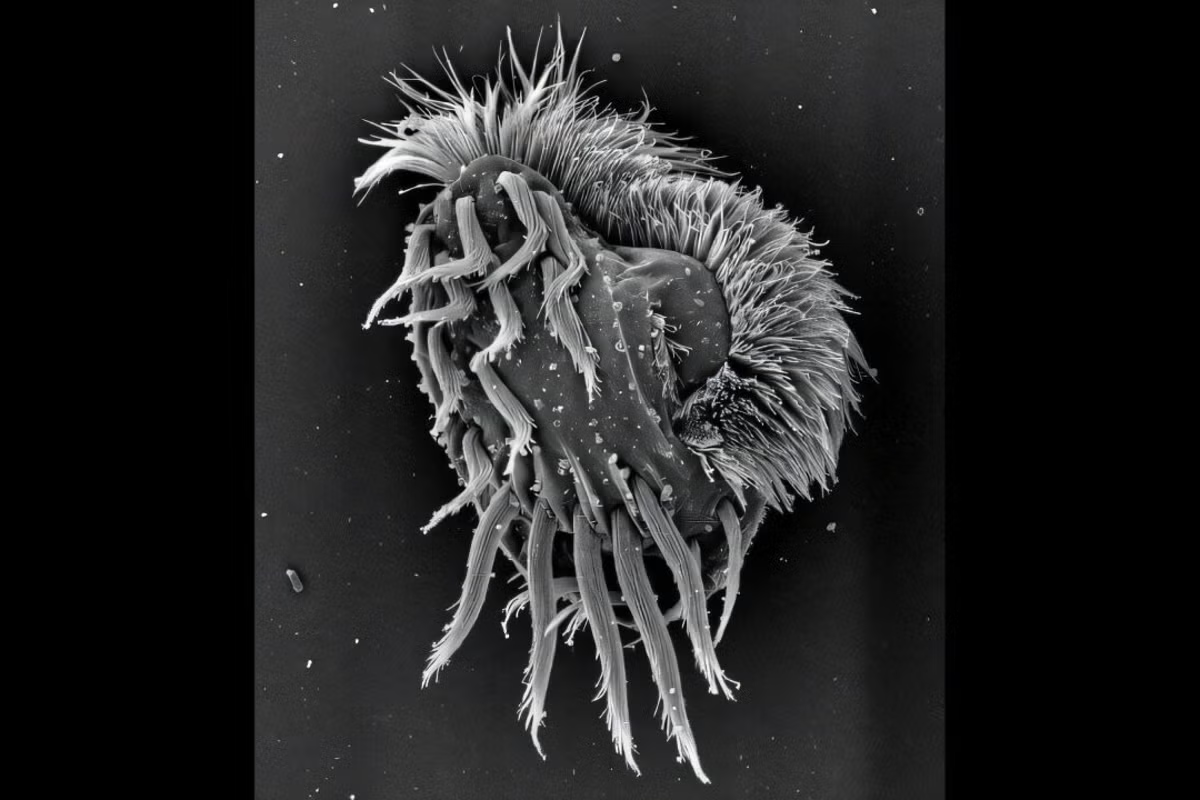
Stay up to date with notifications from The IndependentNotifications can be managed in browser preferences.Jump to contentThank you for registeringPlease refresh the page or navigate to another page on the site to be automatically logged inPlease refresh your browser to be logged inAllNewsSportCultureLifestyleA euplotes gigatrox cell, imaged by scanning electron microscopy (Rensselaer Polytechnic Institute)Scientists have for the first time documented a single-celled microbe, named Euplotes gigatrox, that undergoes a drastic transformation into a cannibalistic "supergiant" form. Discovered in a seawater filtration system in Curaçao, this protozoan species can spontaneously develop into supergiants more than twice its normal size, with a broader body and larger mouth. In its normal state, Euplotes gigatrox filter-feeds on bacteria, but upon transformation, it becomes a raptorial predator, hunting and devouring members of its own species. The transformation also alters its movement, changing from graceful swimming to circular hunting paths and clumsy tumbling, indicating a shift in its ecological niche. This discovery challenges previous understandings of developmental biology, demonstrating complex behaviours and distinct developmental stages, including widespread gene activity differences, in a single-celled organism, a phenomenon largely associated with multicellular animals until now. In fullCannibal ‘supergiant’ microbe found hunting and devouring members of own speciesThank you for registeringPlease refresh the page or navigate to another page on the site to be automatically logged inPlease refresh your browser to be logged in
The single-celled organism that turns into a cannibalistic predator
Stay up to date with notifications from The IndependentNotifications can be managed in browser preferences.Jump to contentThank you for registeringPlease refresh the page or navigate to another page on the site to be automatically logged inPlease refresh your browser to be logged inAllNewsSportCultureLifestyleA euplotes gigatrox cell, imaged by scanning electron microscopy (Rensselaer Polytechnic Institute)Scientists have for the first time documented a single-celled microbe, named Euplotes gigatrox, that undergoes a drastic transformation into a cannibalistic "supergiant" form. Discovered in a seawater filtration system in Curaçao, this protozoan species can spontaneously develop into supergiants more than twice its normal size, with a broader body and larger mouth. In its normal state, Euplotes gigatrox filter-feeds on bacteria, but upon transformation, it becomes a raptorial predator, hunting and devouring members of its own species. The transformation also alters its movement, changing from graceful swimming to circular hunting paths and clumsy tumbling, indicating a shift in its ecological niche. This discovery challenges previous understandings of developmental biology, demonstrating complex behaviours and distinct developmental stages, including widespread gene activity differences, in a single-celled organism, a phenomenon largely associated with multicellular animals until now. In fullCannibal ‘supergiant’ microbe found hunting and devouring members of own speciesThank you for registeringPlease refresh the page or navigate to another page on the site to be automatically logged inPlease refresh your browser to be logged in