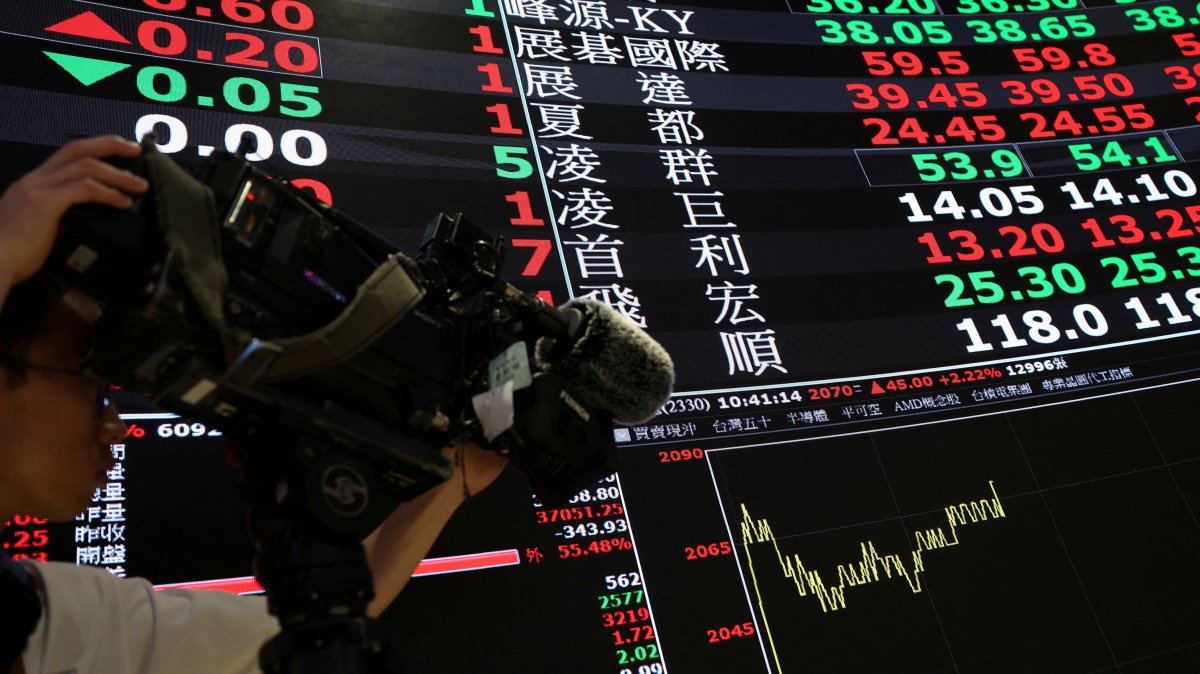
TSMC CEO C.C. Wei informed shareholders on June 4 that the global supply of chips will continue to lag behind AI-driven demand for years. TSMC’s first quarter 2026 revenue hit NT$1.13 trillion, roughly $35.7B, representing a 35% year-over-year increase driven almost entirely by the appetite for AI-capable silicon. The company projects more than 30% revenue growth for the full year 2026 in USD terms.
The numbers behind the shortage
Advanced-node capacity, the sub-7nm and sub-5nm chips that power everything from Nvidia’s latest GPUs to custom AI accelerators, has been under severe constraints since 2024. Demand at leading nodes is expected to exceed capacity by 25-30% in 2026, and the situation isn’t projected to ease until at least 2027.
TSMC is spending aggressively to close the gap. Capital expenditure is projected in the $52-56B range for recent periods, with a total investment of $165B earmarked for its Arizona facility.
Despite this supply-demand mismatch, Wei told shareholders the company would not resort to the aggressive price hikes seen in the memory chip sector, keeping major clients like Nvidia, Broadcom, and AMD from seeking alternatives.