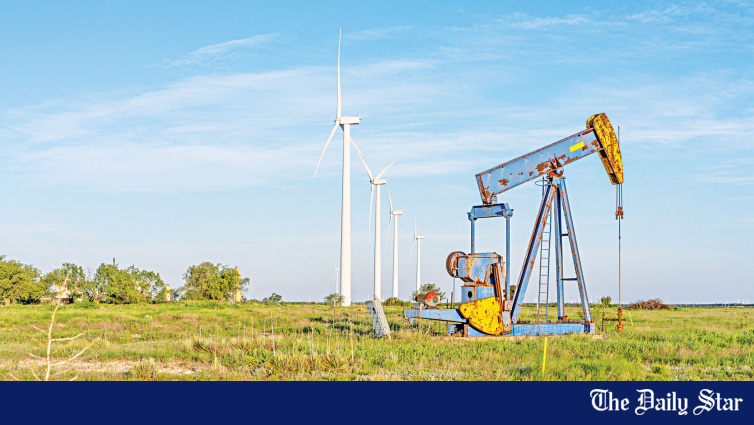
A chain of islands in the middle of the Pacific Ocean without domestic oil or gas reserves, the 50th US state has long relied on imported fossil fuels to power its economy.
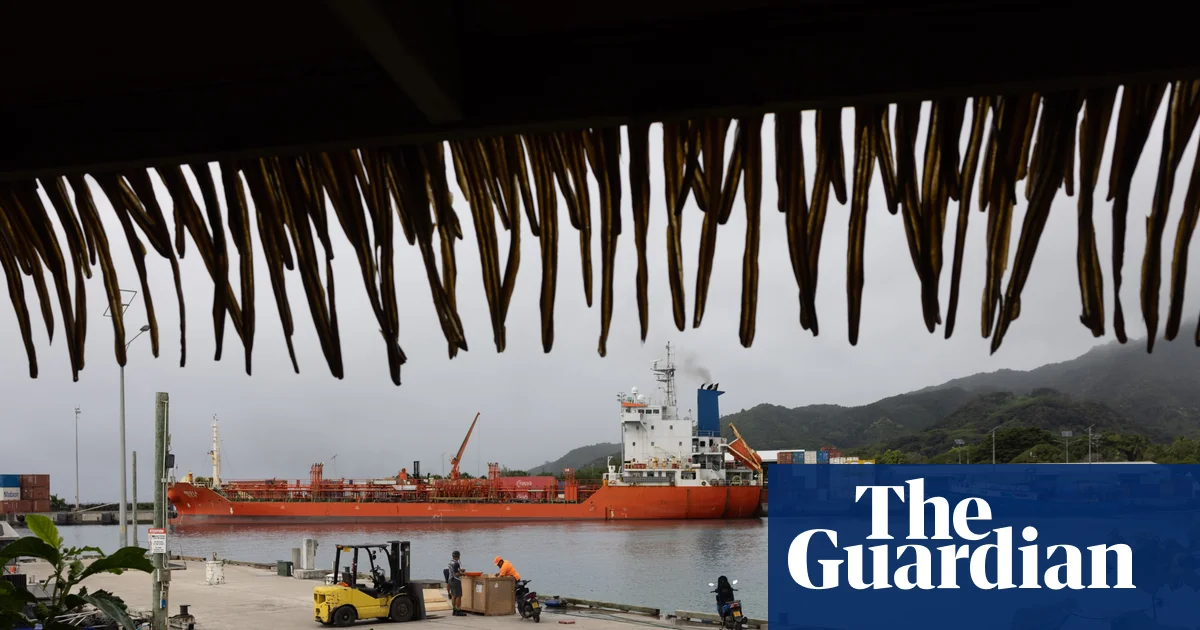
Foreign petroluem fuels much of the energy grid, and the sea and air transport that Hawaii relies on to move people and goods — and to deliver the near 10 million annual tourists to its shores.
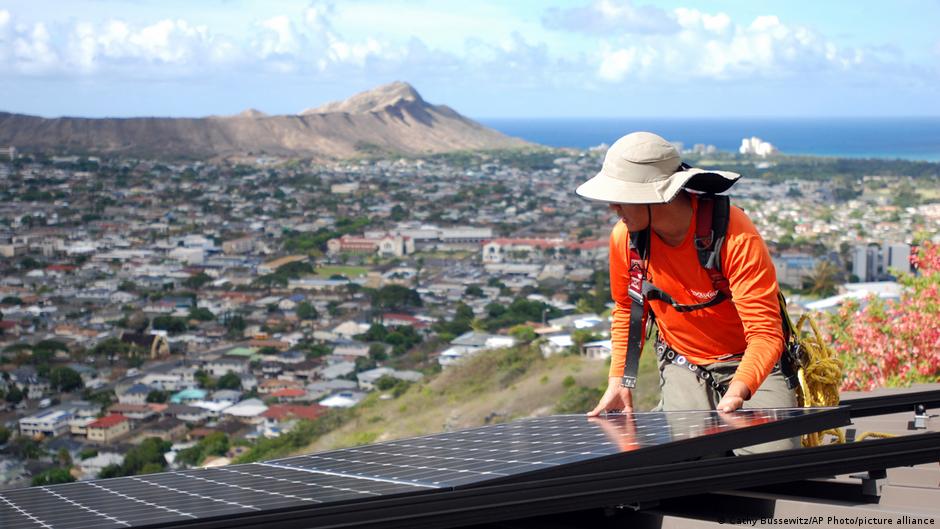
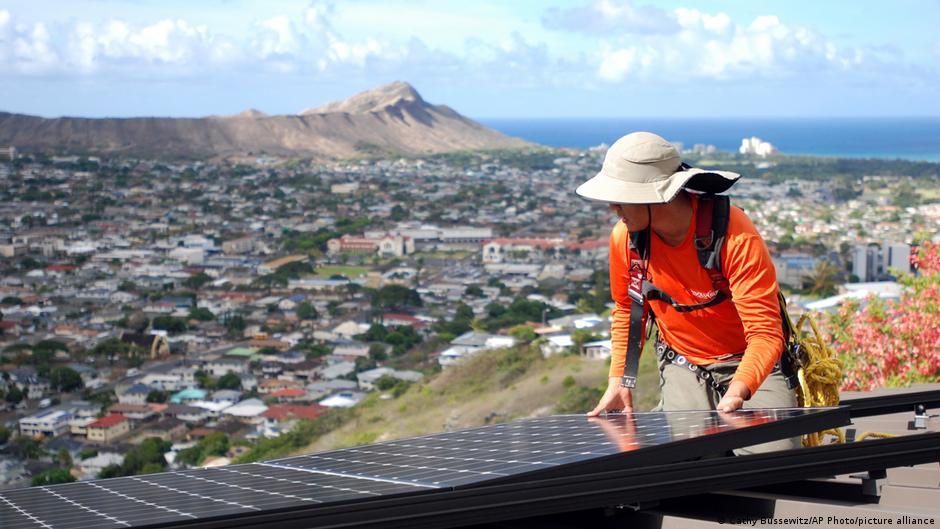
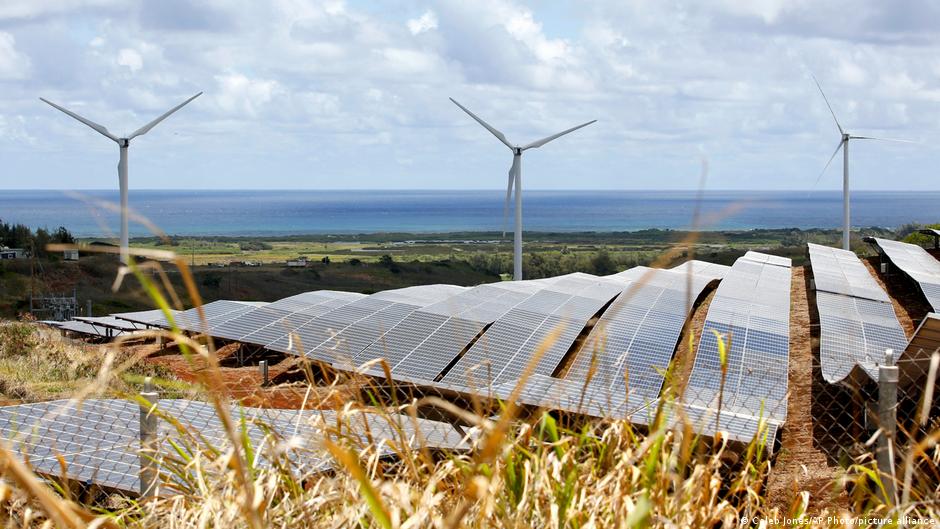
Hawaii began to reduce this fuel dependency in 2015 when it became the first US state to commit to transitioning to 100% renewable electricity by 2045. The aim was to exploit homegrown solar, wind, bioenergy, hydroelectricity, and geothermal power contained in its volcanic landscape.
That target was expanded out to the whole economy in 2018, with Hawaii adopting a pioneering "net-negative" carbon emissions goal for 2045 at the latest. And a world first youth-led climate case also forced the state to decarbonize the transport sector by the same year.
Peter Sternlicht, a board member of renewable energy nonprofit, Sustainable Energy Hawaii, says such ambitious sustainable energy targets that "minimize, or wholly eliminate, dependence on imported energy" have been driven by a quest for energy self-reliance.