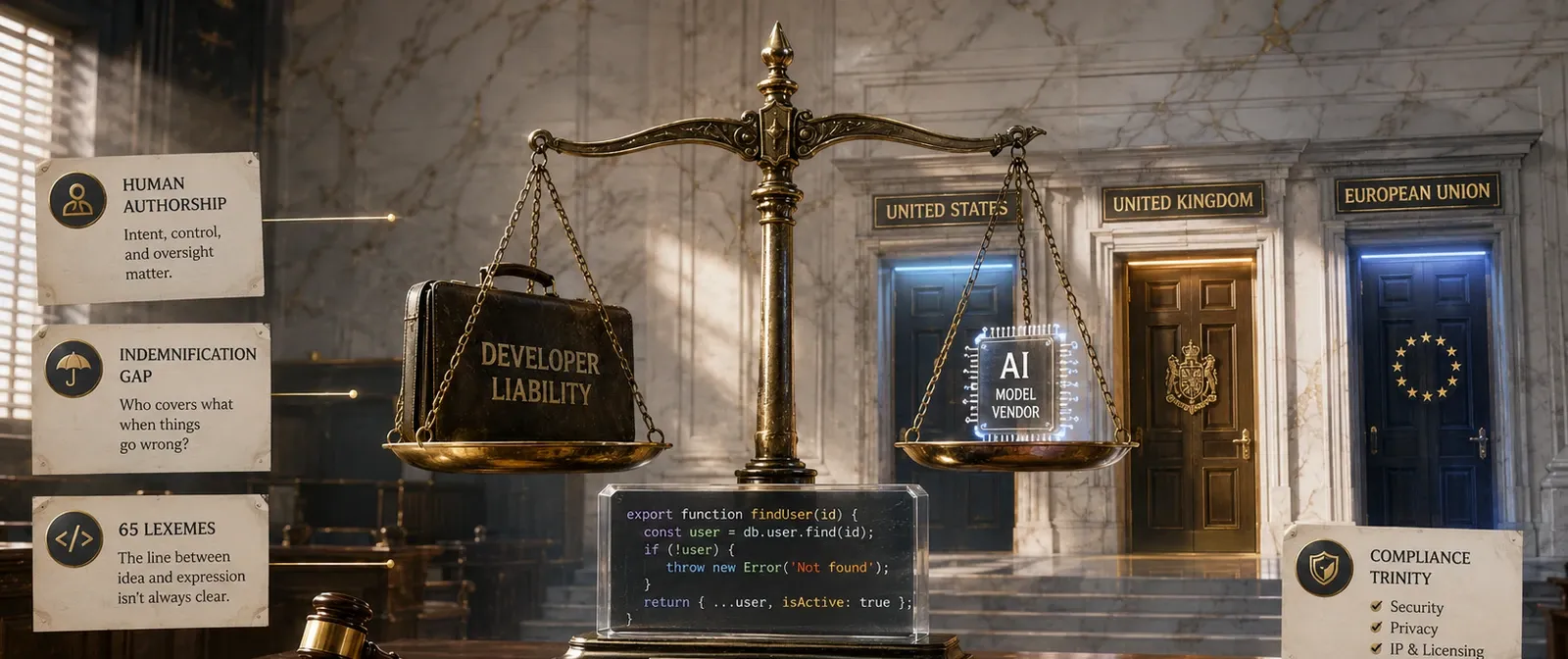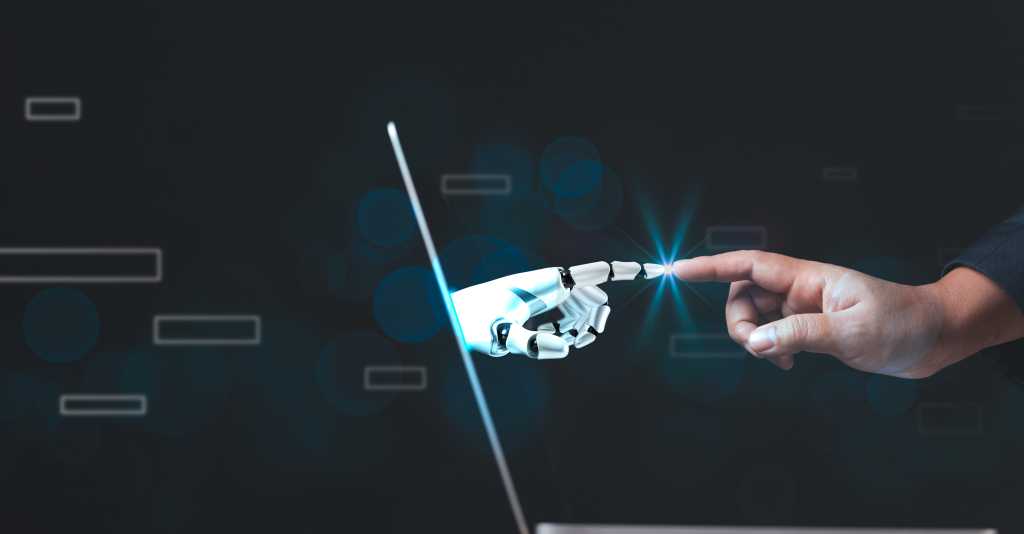
In my twenty-year career, most of my critical decisions weren't about writing a line of code, but about understanding a system from end to end and taking responsibility for that system. Now, the partner at the keyboard has changed: AI. So, when this new partner makes a mistake, whose desk does the word "responsibility" land on?
Today, almost every developer has an AI tool at their fingertips. Getting AI support to quickly write a function, create a complex regexp, or optimize an SQL query is now routine. But this convenience brings with it a not-so-easy question: When an issue arises in AI-generated code, who bears the cost?
AI's Brilliance and Hidden Shadows
AI can truly work wonders with the right prompts. I often consult AI when developing complex algorithms for my side product's financial calculators or creating frontend components for an operational ERP's operator screens. Sometimes, a single prompt can reduce hours of work to minutes. This speed is invaluable, especially for boilerplate code or complex but standard algorithms.
However, beneath this brilliance lie shadows that are often overlooked. AI cannot fully grasp the holistic architecture of a system, its network topology, specific security policy's, or the intricacies of the current workflow. It only provides the most probable solution based on its dataset and the prompt, which doesn't always mean it's the most accurate or optimized solution.