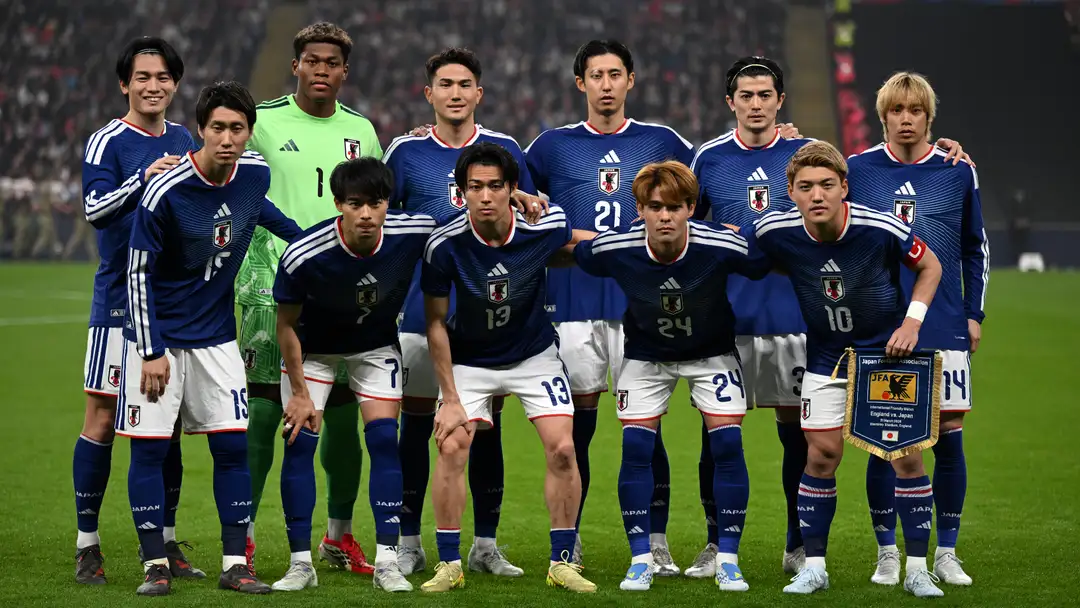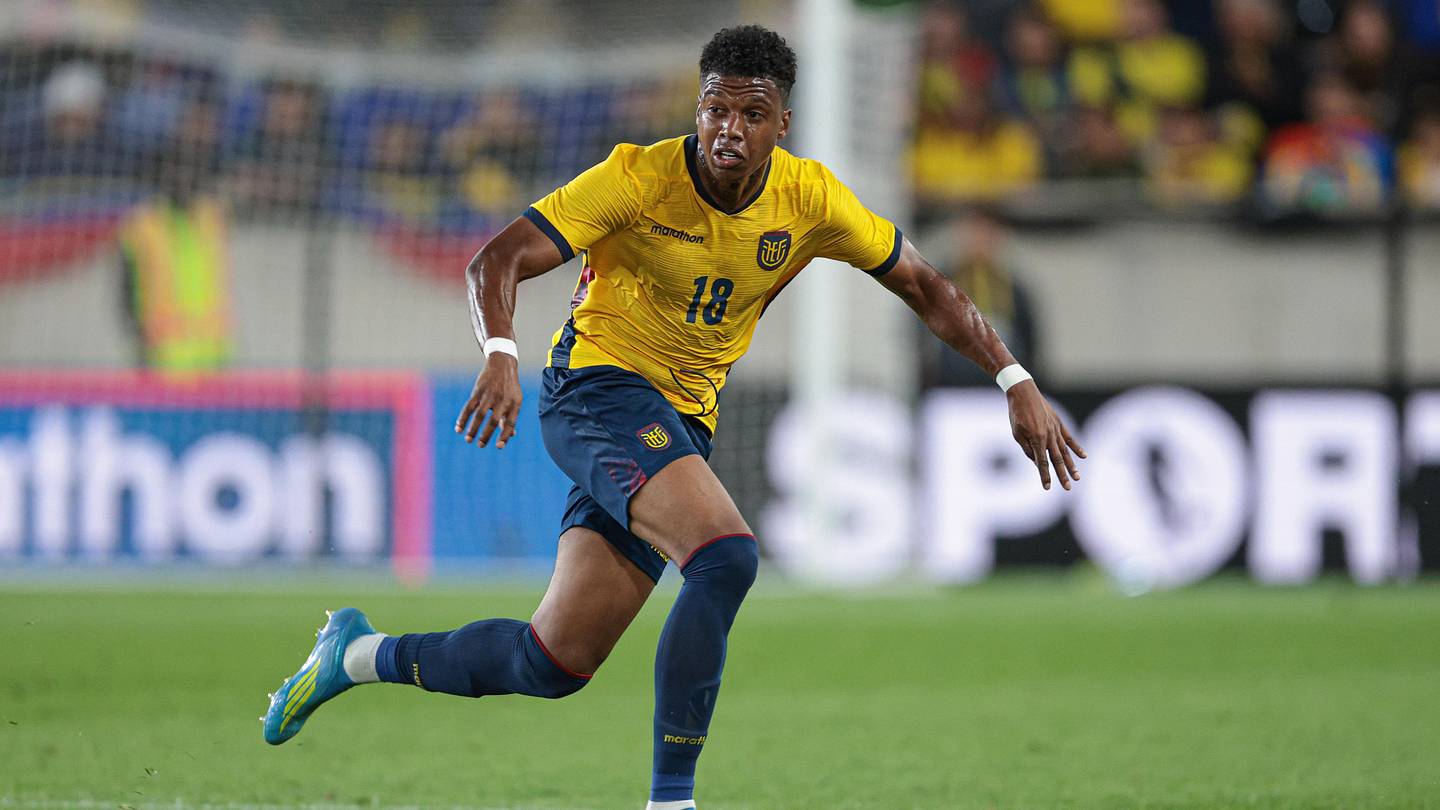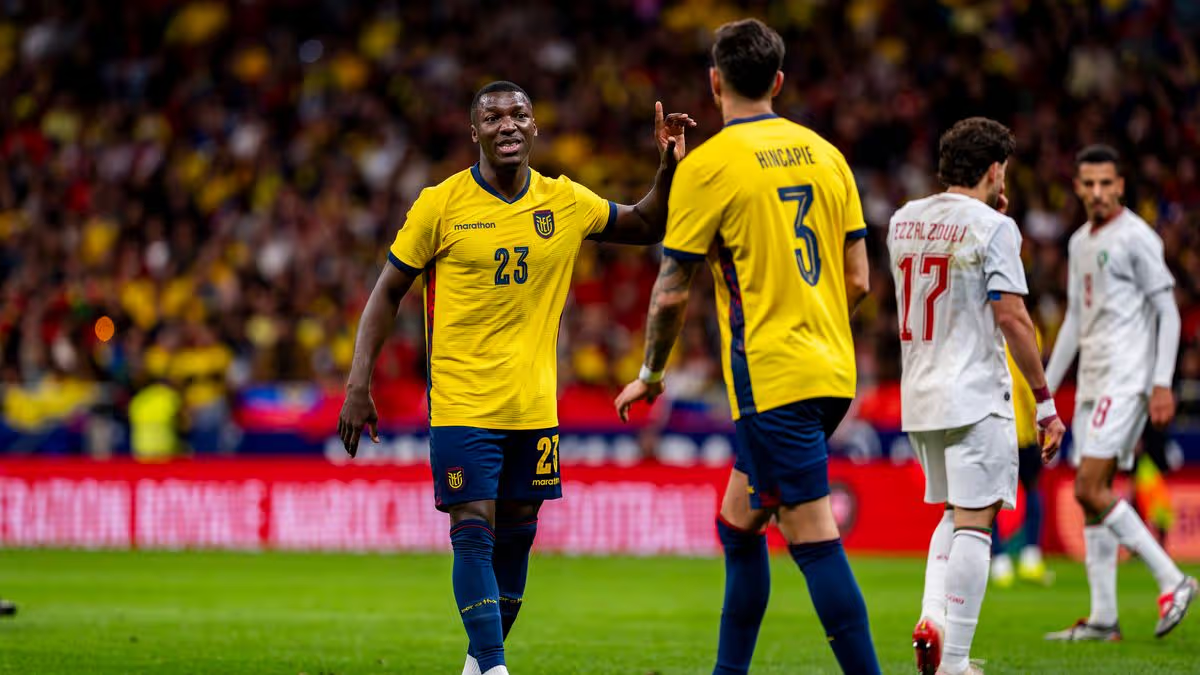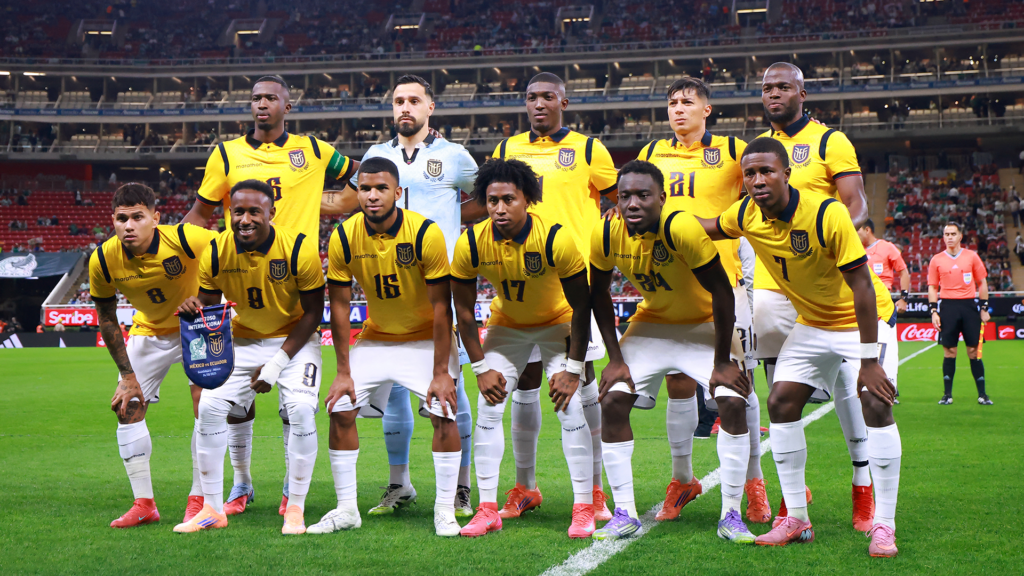
Get free access to the most comprehensive World Cup coverage in The Athletic app.Every World Cup needs them, those “dark horse” nations who perform well in qualifying, enjoy some success in their respective continental tournaments and then threaten to upset the heavyweights.The term itself comes from 1830s horse-racing gambling — for an unknown horse for whom it was hard to assign betting odds. In the two centuries since, it’s been slightly corrupted as a footballing term. We have surprise packages, who emerge during the tournament, and that’s what dark horse should mean based on its etymology.Nowadays, it’s a tagline for nations outside the elite who might not have achieved much in recent major tournaments but are showing the capacity for a deep run this time. Often they have a golden generation of talent, and, as a rule, former winners can’t be dark horses — apart from perhaps Uruguay, given their most recent World Cup title was in 1950.Turkey were famously dark horses for Euro 2020 and lost all three group-stage matches. It can be a fatal tag. Serbia were my dark horses four years ago after impressing in qualifying, only to be drawn in a horror group with Brazil, Cameroon, and Switzerland. They didn’t win a game and finished bottom.What we’re looking for are teams who might make the kind of run Morocco had in 2022, when they became the first African semi-finalists and took out Spain and Portugal in the knockout rounds. Or Costa Rica in 2014, who topped a group featuring England, Uruguay and Italy, and took the Netherlands to penalties in defeat in the quarter-finals.Morocco players celebrate after beating Spain at the 2022 World Cup in a penalty shootout (Julian Finney/Getty Images)Here are our main dark-horse contenders from each confederation (because Oceania only has one representative, New Zealand, they’re a default pick):
World Cup dark horses: Ecuador, Mexico, Japan, Norway and Senegal
The low-key contender from each continent who could create an upset at the World Cup
1,450 words~7 min read