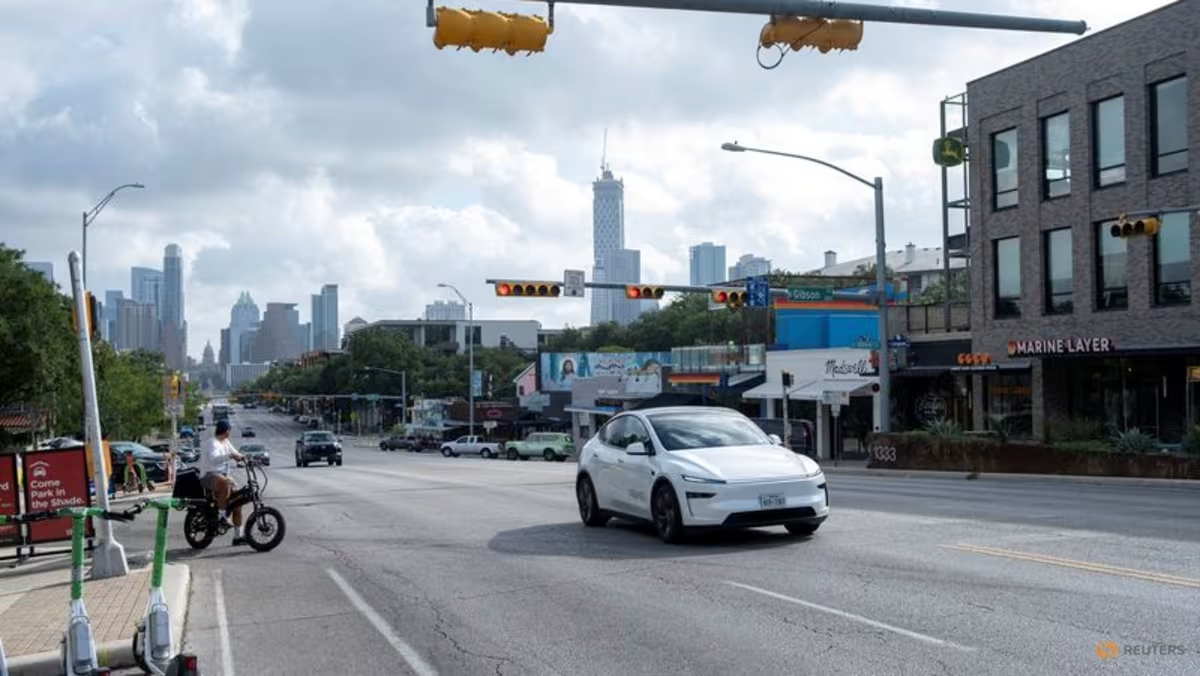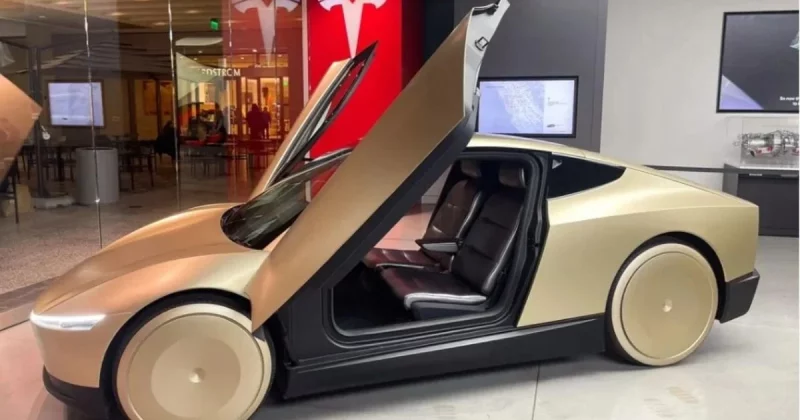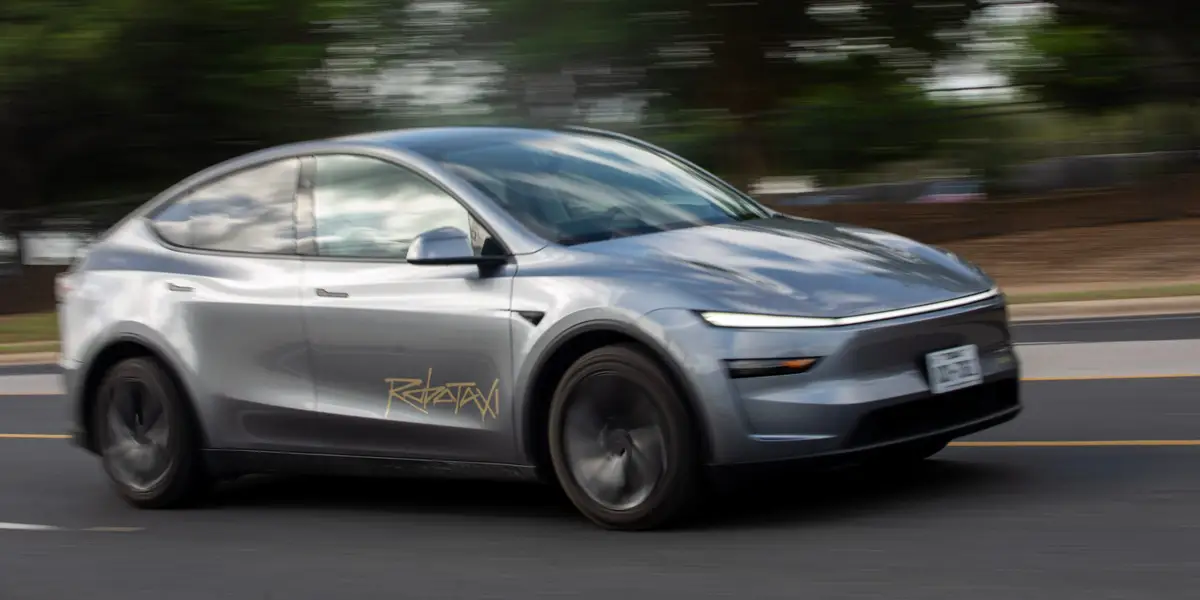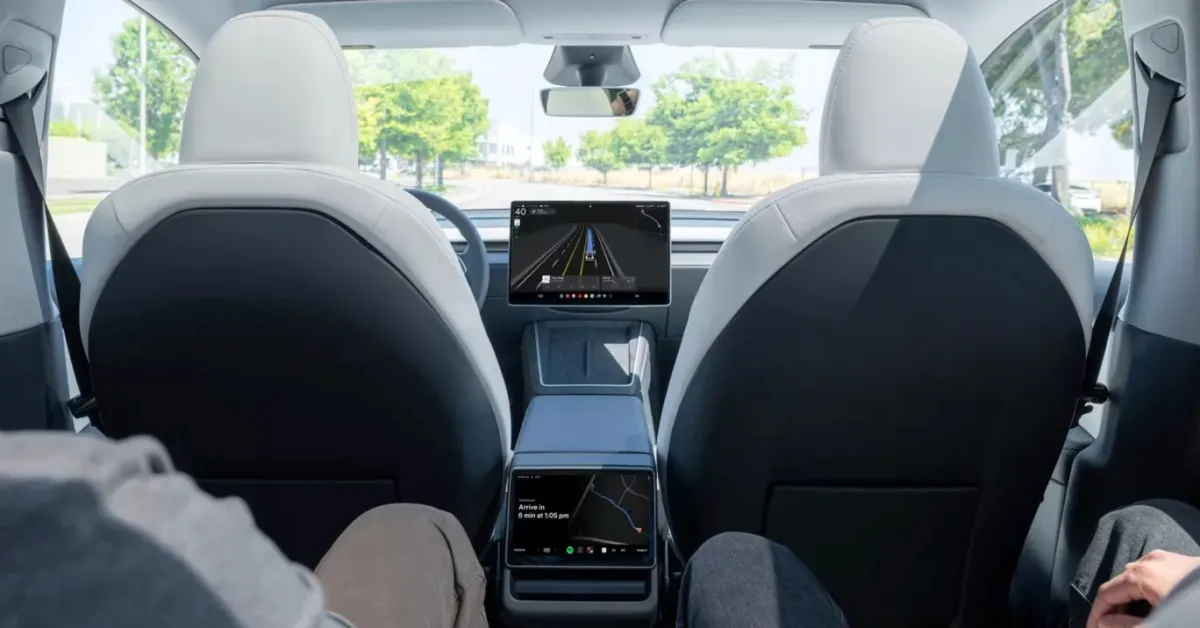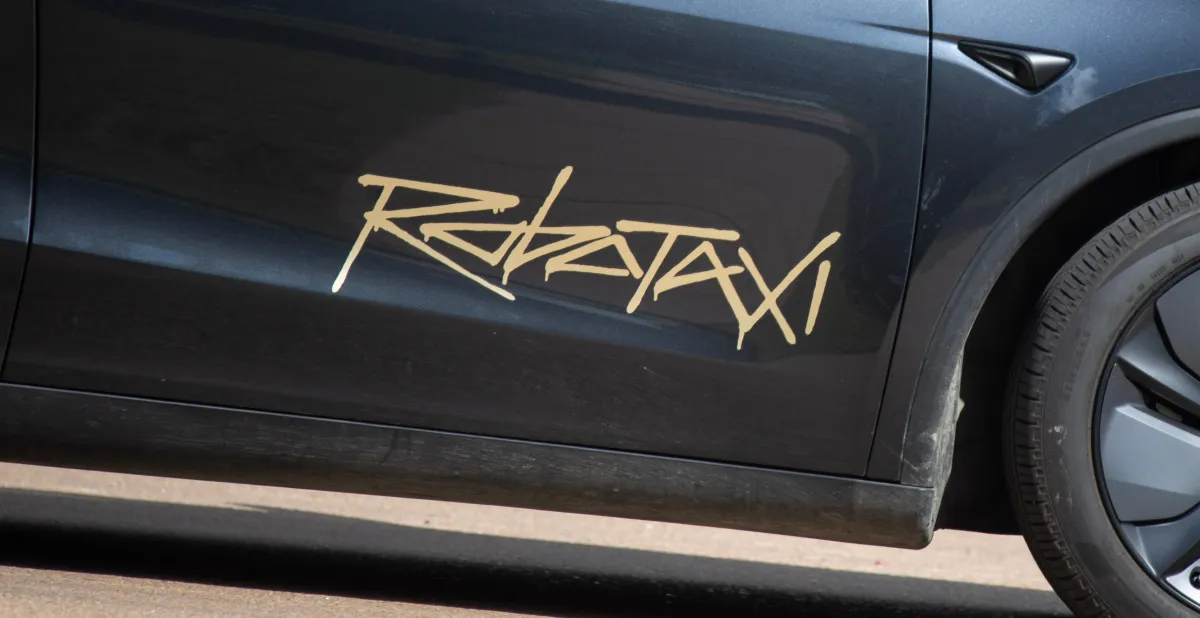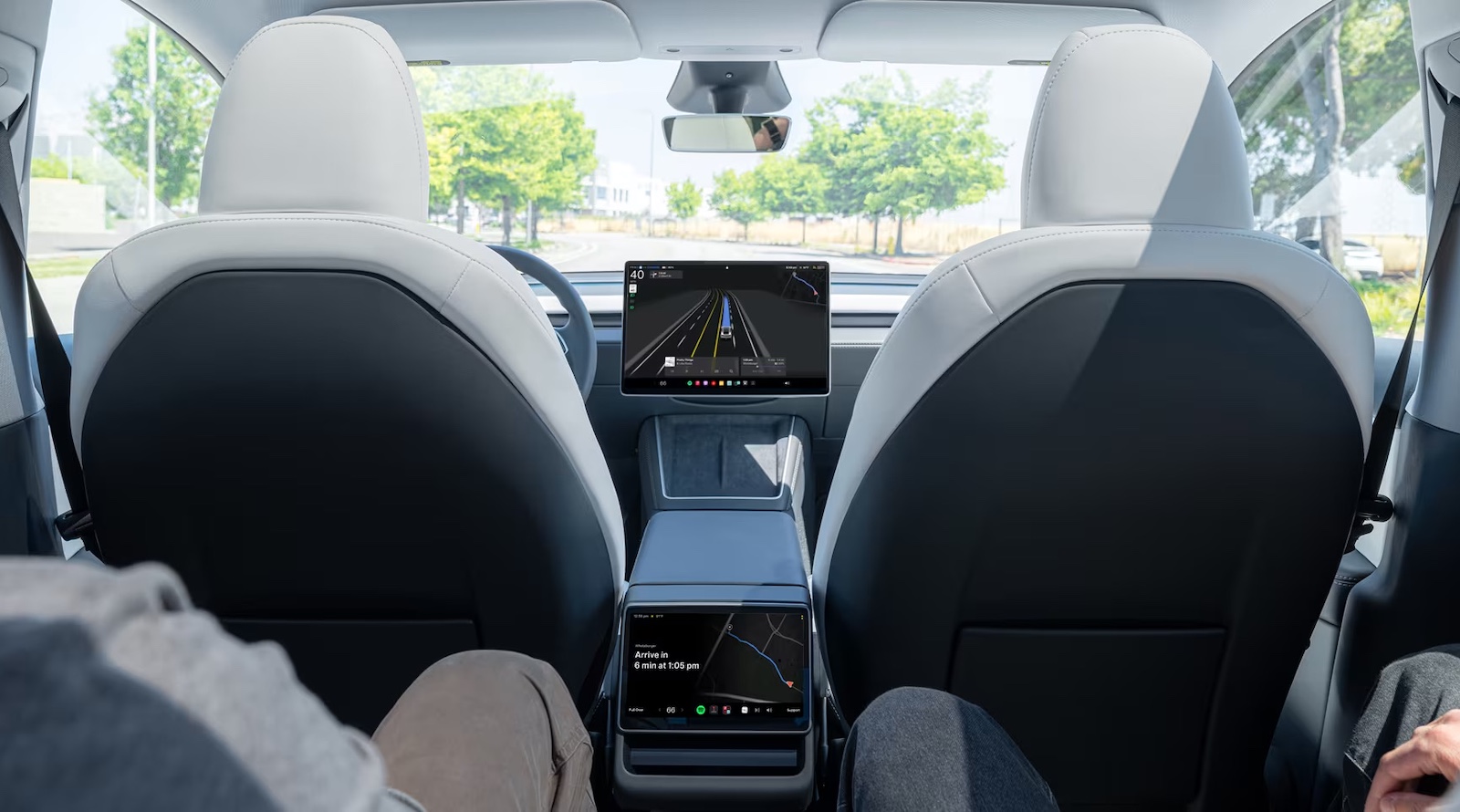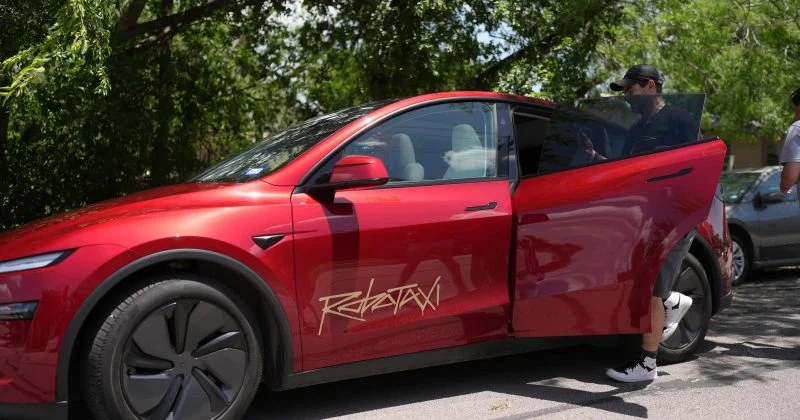
Tesla’s robotaxis are now operating without safety drivers across the entire Austin Metro area. The rollout, which went live on June 3, represents the company’s most ambitious deployment of autonomous ride-hailing technology to date and a clear signal that Tesla is serious about pivoting from carmaker to transportation platform.
Think of it this way: a year ago, Tesla was running supervised robotaxi rides with a human babysitter in the driver’s seat. Six months ago, it tentatively let a handful of cars loose without one. Now, the entire Austin metro is fair game for unsupervised autonomous rides. That’s a progression that moved faster than most industry watchers expected.
From supervised to solo: a timeline
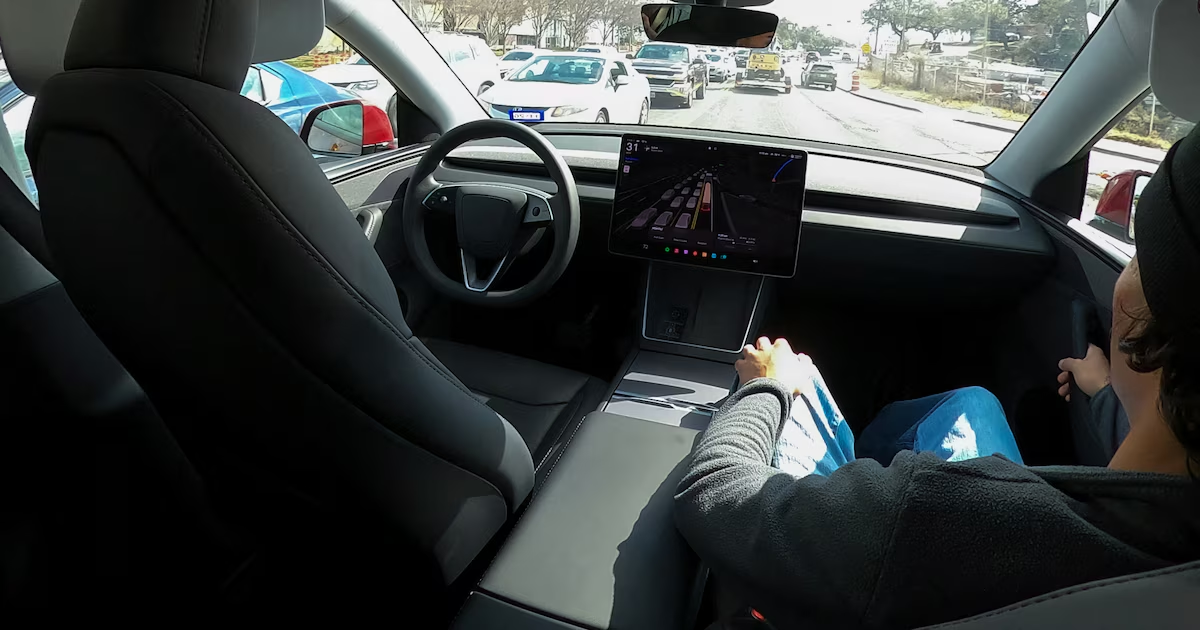
Tesla’s Austin robotaxi journey started on June 22, 2025, with supervised operations. A safety driver sat behind the wheel, ready to intervene if the car’s Full Self-Driving software got confused by a construction zone or an unusually aggressive pickup truck. Standard stuff for autonomous vehicle pilots.
Then came January 22, 2026. Tesla began offering limited unsupervised rides, meaning some vehicles in the fleet operated with empty driver seats. The cars in question are Model Y vehicles running Tesla’s FSD Unsupervised software, the same technology the company has been iterating on for years but now deployed in a commercial, revenue-generating context.