(Image credit: Shutterstock)
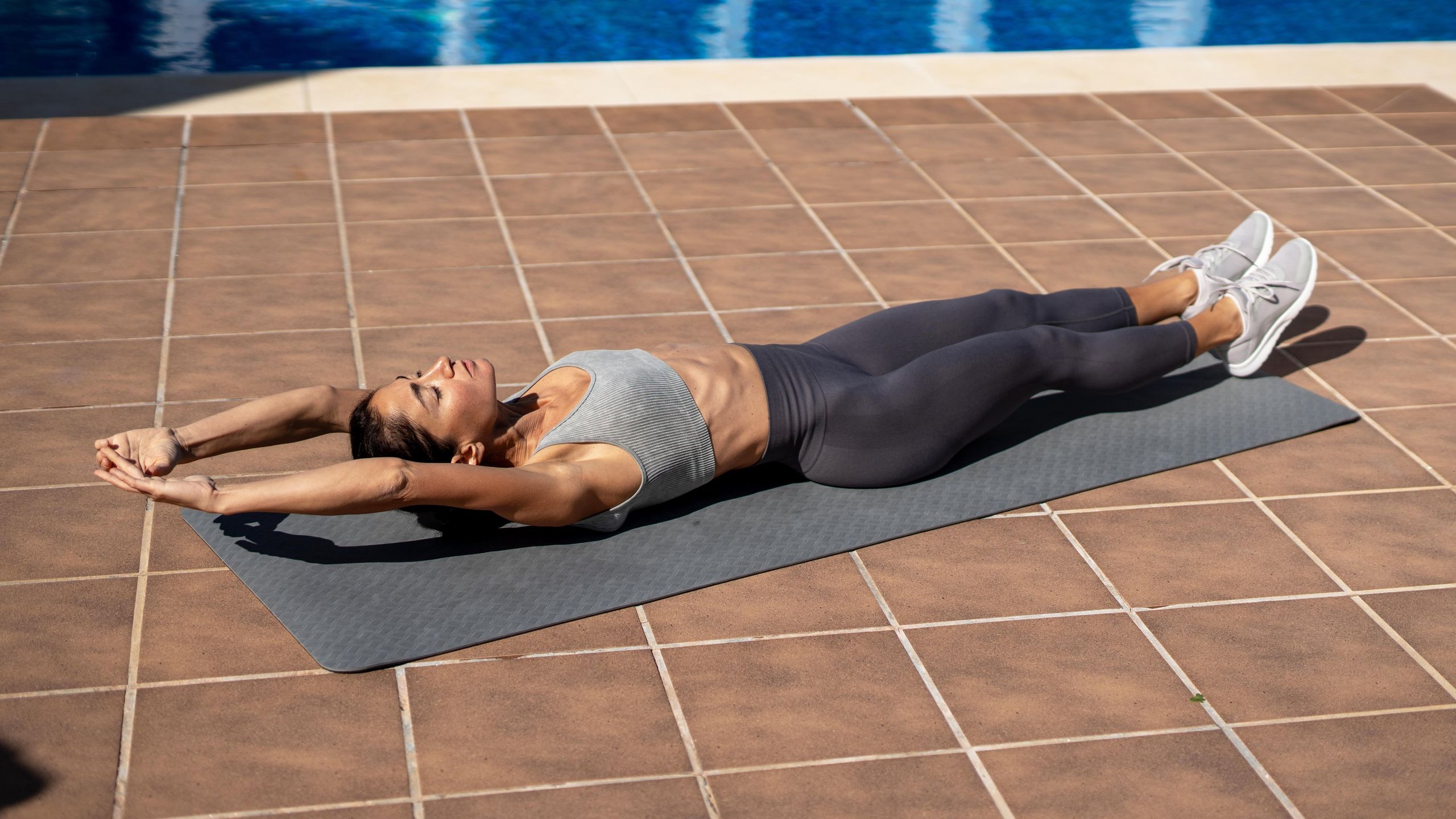
It's been a few years since I added a regular core practice to my training routine, and I've never looked back. For example, Pilates has built my core muscles to be the strongest, most stable, and most enduring they've ever been, compared with heavy weightlifting, yoga and CrossFit.One of the best core exercises that really blasts my deeper core muscles is the McGill curl-up, which is a modified curl-up you might see featured in Pilates or other abs workouts. This looks simple, but it protects your lower back while targeting the deep stabilizer muscles in your core. Read on to learn more.As a reminder, this exercise is beginner-friendly, but what works for my body might not be right for you. If you’re a beginner, pregnant or postpartum, or you’re dealing with an injury, it’s always best to seek personalized advice from an expert, as I did for this curl-up variation.What is the exercise? Any move that teaches you to create, maintain, and control tension in your core muscles is an exercise worth knowing. So, rather than peddling out endless sit-ups, why not try McGill curl-ups?The exercise should produce little motion. Try to hold for at least a few seconds at the top with your neck neutral while breathing expansively through your core as you brace. Avoid letting your hip flexors take over the exercise. If you're unsure what "bracing" means, I teach you how to engage your core properly with a 5-minute bracing routine.Below, I have included a demonstration from the guys at McEvoy Movement Clinic.Here’s how to do the McGill curl-up with good form.Get instant access to breaking news, the hottest reviews, great deals and helpful tips.Lie on your back with your legs bent and feet planted, then extend one leg down onto the mat. If you leave your right knee up, place your right hand on your stomach; if you leave your left knee up, place your left hand on your stomachPlace the other hand beneath the natural arch of your lower backPress your lower back into your hand toward the mat beneath youWith control, peel your shoulders away from the mat and lift your chest upward toward the ceiling, keeping your chin tucked and gaze ahead. Your back should be straight rather than sitting all the way up and forward like a sit-up or crunchContract your core muscles as much as possible throughout. Pause at the top, then slowly lower your back to the mat again.If you feel your lower back lifting away from your hand, it’s a sign you’re not properly engaging your core as much as you think — draw your belly button toward your spine and zip your abs up and in.Are curl-ups good for the back?