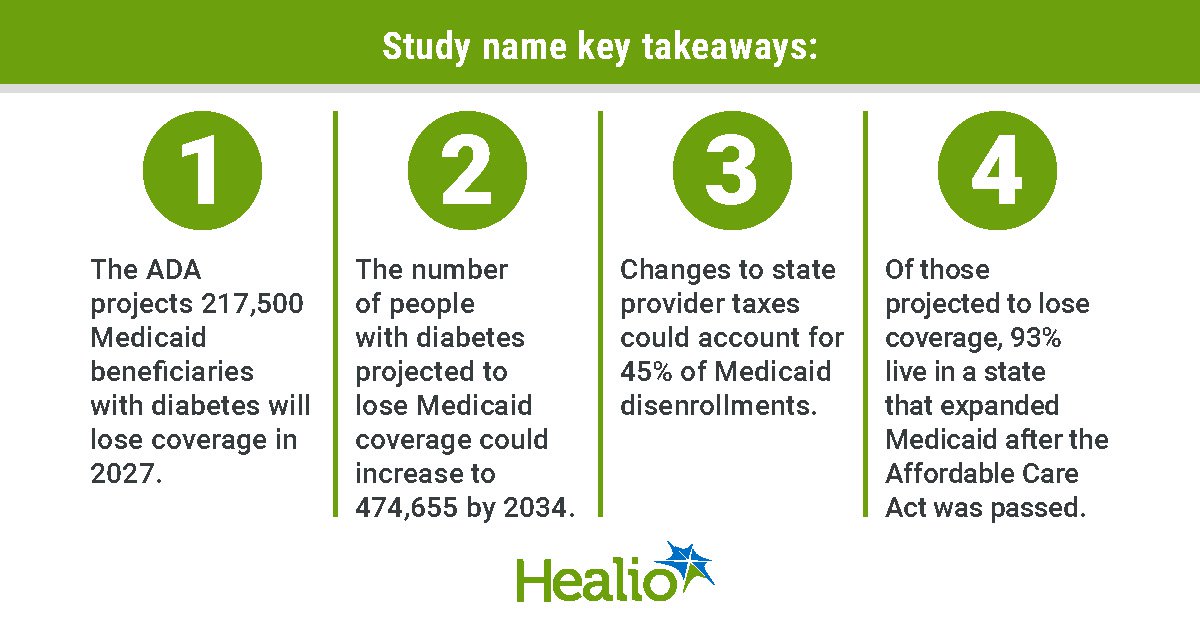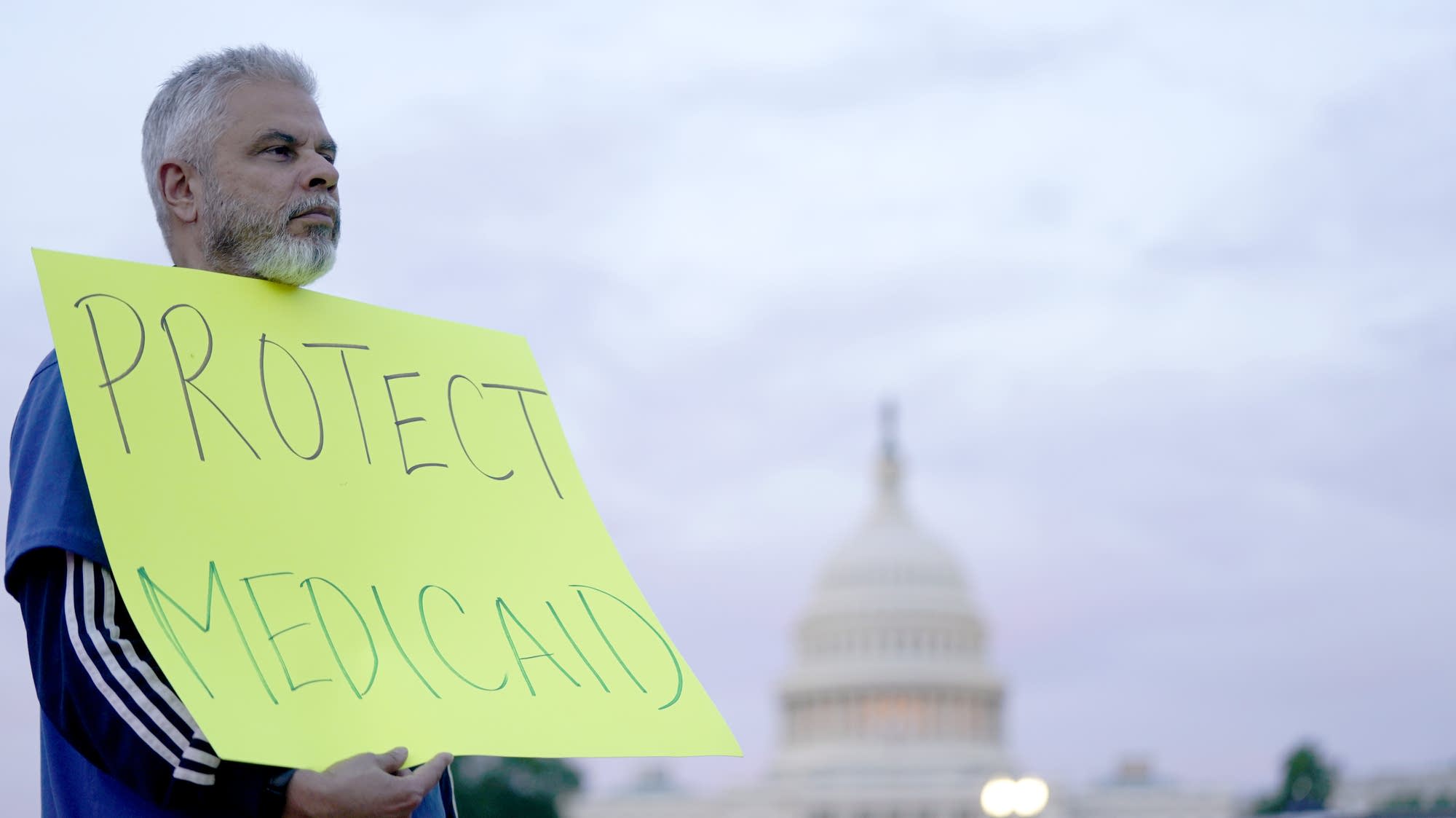
In May 2025, I joined more than 160 blood cancer advocates on Capitol Hill. At the time, Congress was considering changes to Medicaid, a state and federal program that is a lifeline for more than 75 million Americans, including older adults, children, veterans, people with disabilities, pregnant people, and adults with low incomes. Together, we advocated against policies that threatened to put health care out of reach for millions.
One of those concerning policies was work reporting requirements for people covered by Medicaid. The then-proposed legislation mandated that states verify Medicaid enrollees’ monthly work status at least every six months to ensure that they are engaging each month in a minimum of 80 hours of community service, educational activities, and/or work. But undergoing cancer treatment is already a full-time job; many patients are unable to work because of their condition.
Our meetings with congressional staff and lawmakers were tense. Many lawmakers were surprised to hear our concerns, given that the legislation they were considering included an exemption for people with serious conditions like cancer. When we shared that exemptions previously failed to protect patients, many lawmakers told us we were misinformed or being lied to. Lawmakers were clear that the legislation’s protections were rock solid: No one with cancer would lose their coverage.