June 4, 2026 | 03:17 pm
null
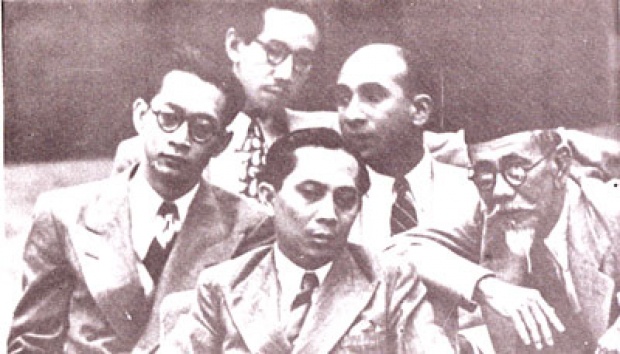
TEMPO.CO, Jakarta - Upon receiving news of the Dutch assault on Yogyakarta, Sumitro Djojohadikusumo rushed to Washington, D.C., on December 19, 1948. At the time, he had been in New York. He traveled some 364 kilometers carrying a document he called a memorandum.Yogyakarta was then serving as Indonesia's temporary capital. Sumitro headed to Washington to meet United States Secretary of State Robert A. Lovett.Meeting Lovett the following day, Sumitro verbally outlined the contents of the letter. He said the Dutch had violated the Renville Agreement brokered by the United Nations Security Council. Under the accord signed earlier that year, both the Netherlands and Indonesia were supposed to withdraw troops from the battlefield.Indonesia, Sumitro argued, had complied with the agreement by withdrawing 33,000 troops. The Dutch violation became even more severe, he said, after they arrested Indonesian leaders such as Sukarno, Mohammad Hatta, and Sutan Sjahrir during what became known as the Second Dutch Military Aggression.Sumitro believed the Dutch had stabbed Indonesia in the back. He compared the Netherlands to Italian dictator Benito Mussolini, who attacked France and its allies in 1940, as well as Japan's assault on Pearl Harbor in 1941. "They gave no warning before launching the attack," Sumitro wrote, as quoted by Aristides Katoppo in Sumitro Djojohadikusumo: Jejak Perlawanan Begawan Pejuang (Sumitro Djojohadikusumo: The Resistance Journey of a Warrior Sage).Read the Complete Story in Tempo English Magazine