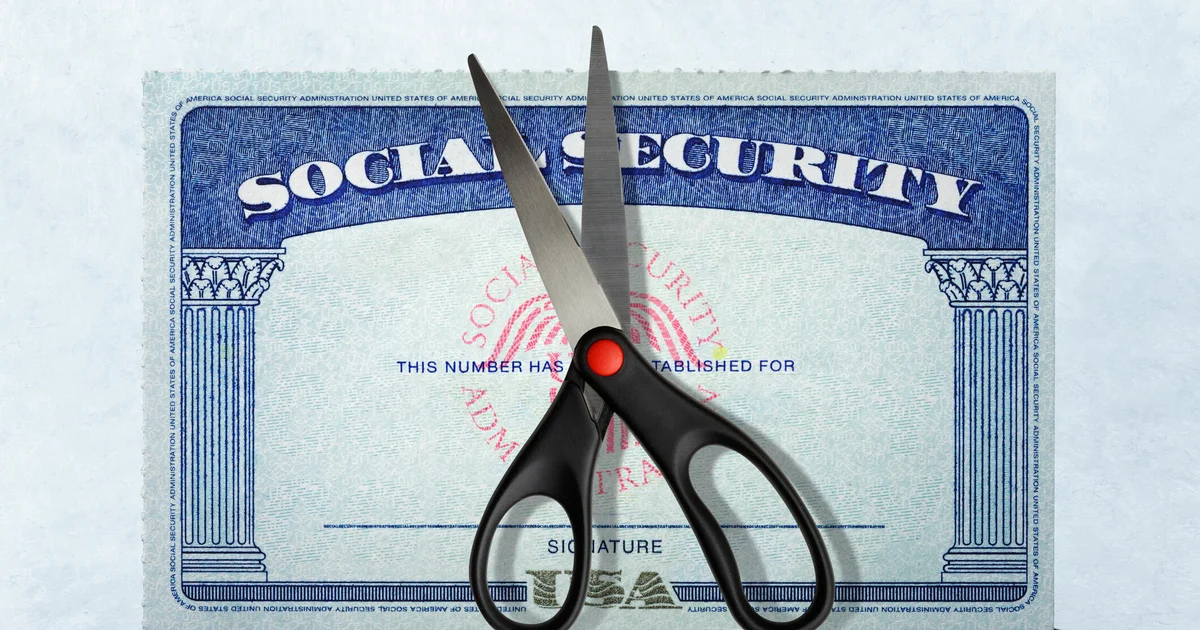
Americans who receive Social Security retirement benefits could see checks cut by about $500 a month on average if the program reaches its projected insolvency date in late 2032 without action from Congress, according to a new analysis from the Committee for a Responsible Federal Budget.
Projected Cuts Could Hit Every State The fiscal policy think tank said the reduction reflects the 24% across-the-board benefit cut that would be needed to keep payments going after the retirement trust fund is exhausted.
Social Security would still collect payroll tax revenue, but by law could not pay full scheduled benefits without enough reserves.
No State Spared 🗺️ Mapping the Impact of Social Security's InsolvencyOur new first-of-its-kind "No State Spared" report illustrates the potential state-by-state impact of Social Security's insolvency, highlighting the consequences of continued inaction.Social Security… pic.twitter.com/MS6pGLlXQx— CRFB.org (@BudgetHawks) June 3, 2026 "Applying this projected reduction to current state-level data, we estimate an across-the-board monthly cut would range from $459 to $556 across the 50 states and the District of Columbia," the report said.
The 10 states facing the highest average monthly cuts would be Connecticut, New Jersey, New Hampshire, Delaware, Maryland, Washington, Minnesota, Massachusetts, Michigan and Utah.