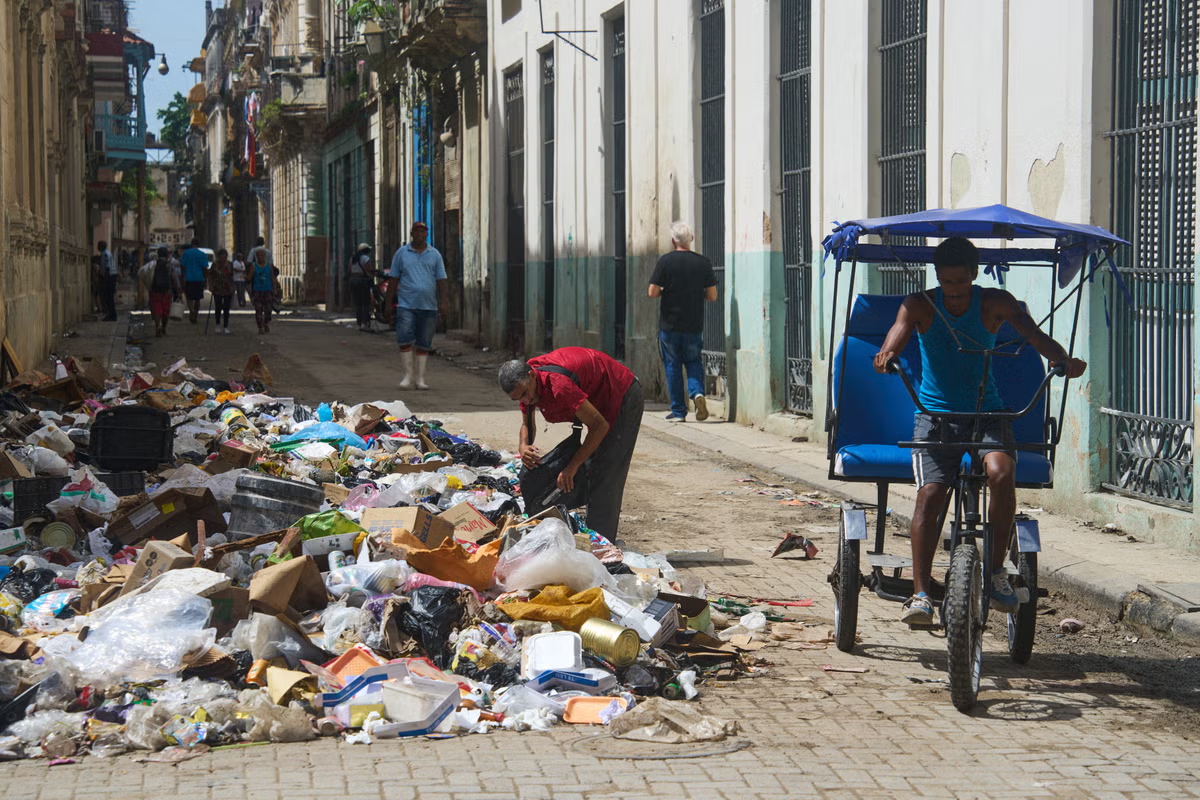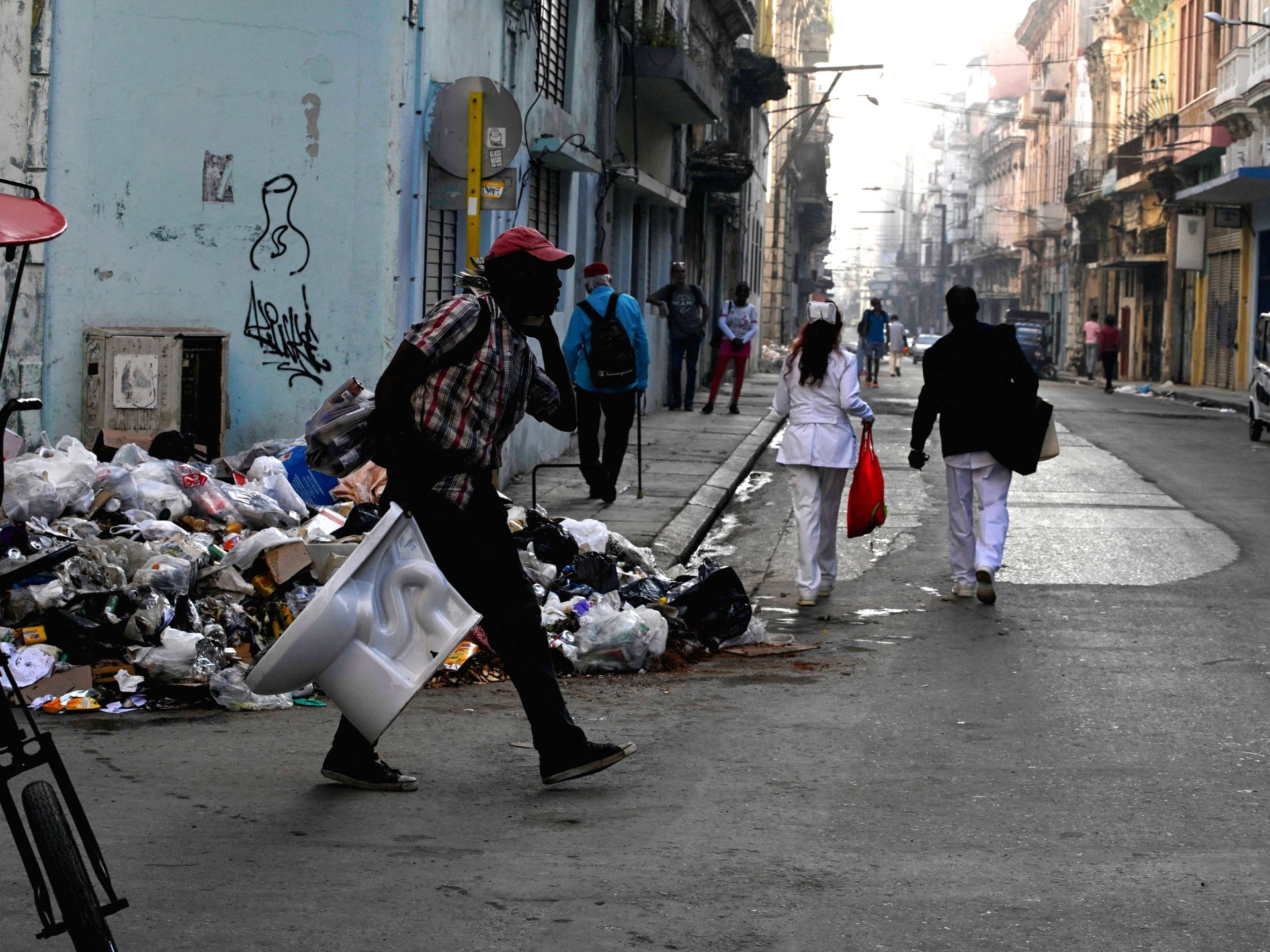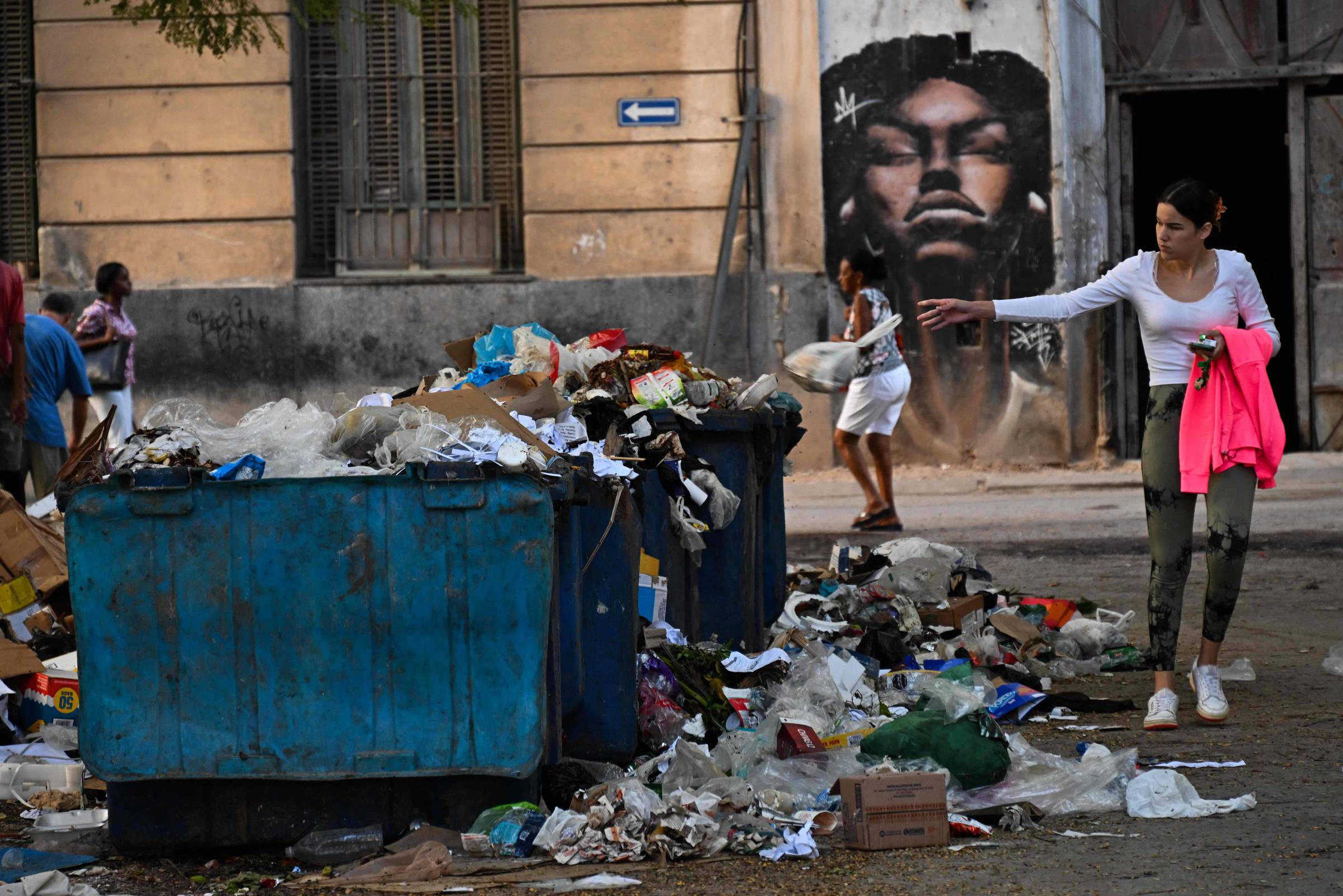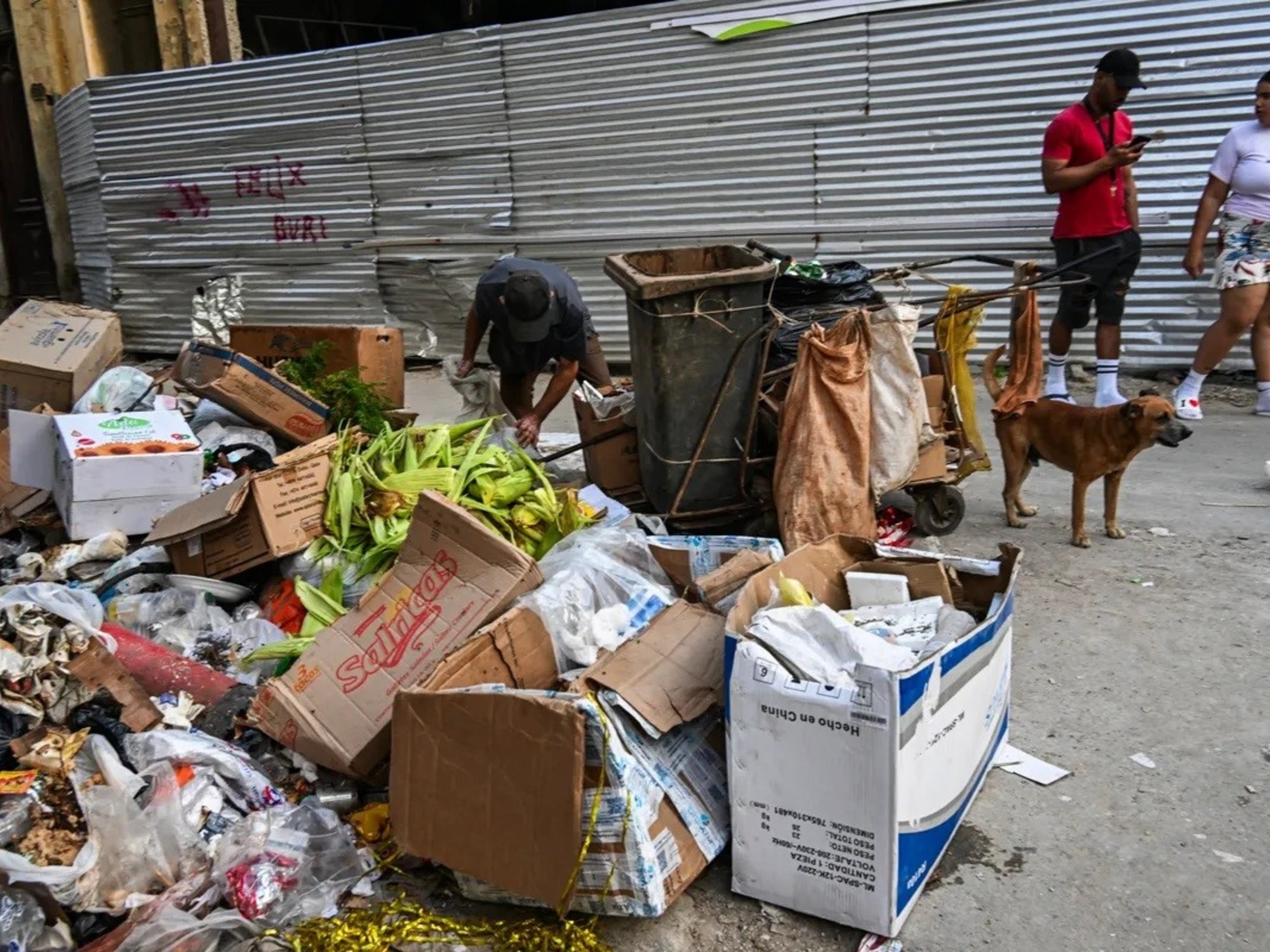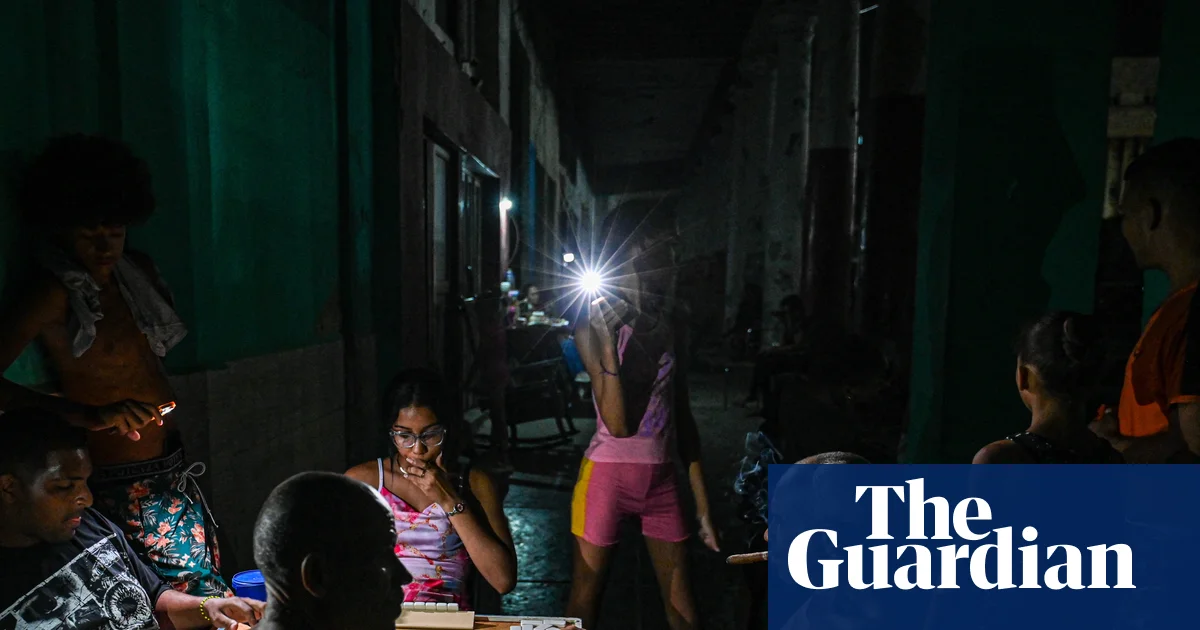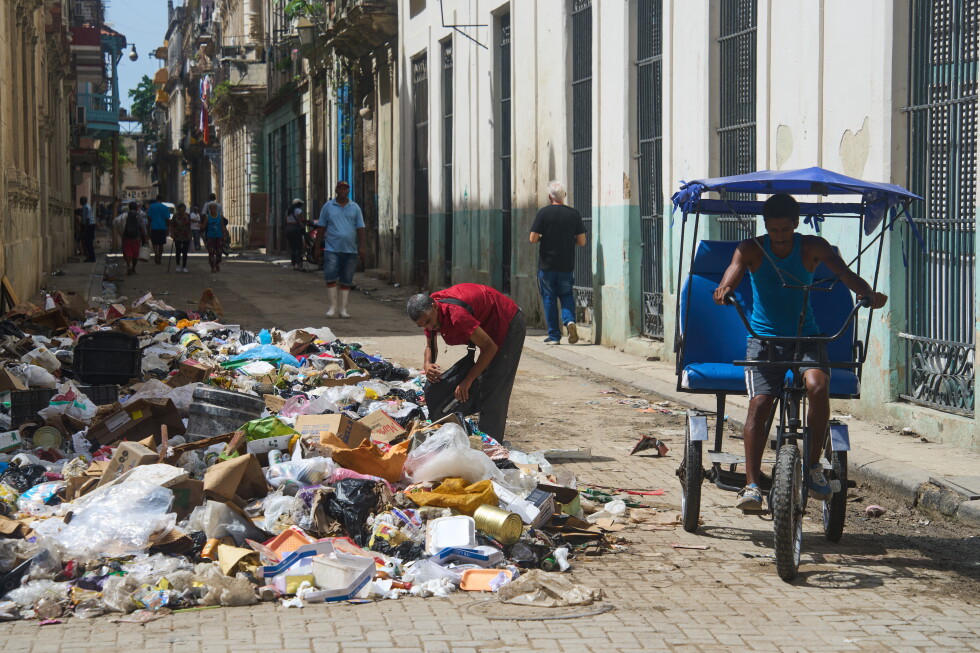
HAVANA (AP) — On a recent afternoon in Cuba, the temperature climbed and anxiety grew among the residents of a Havana street.Their focus was an improvised dump site on the sidewalk with rotting food scraps, torn bags, cardboard and rubble. Swarms of flies and stray cats gathered around the trash whose stench wafted on the breeze from the nearby sea.“What you’re looking at is depressing,” lamented María Odalys Ramírez, a 63-year-old who lives across the street from the capital’s iconic Hermanos Ameijeiras hospital. “The trash in this area, the flies, the rats, the filth — it’s completely unsanitary.”For months, residents of Havana — home to 2 million of Cuba’s almost 10 million residents — have lived with piles of garbage accumulating on almost every street corner. The situation deteriorated after a U.S. energy blockade triggered power outages, water shortages and a fuel crisis that brought state-run garbage trucks to a standstill.
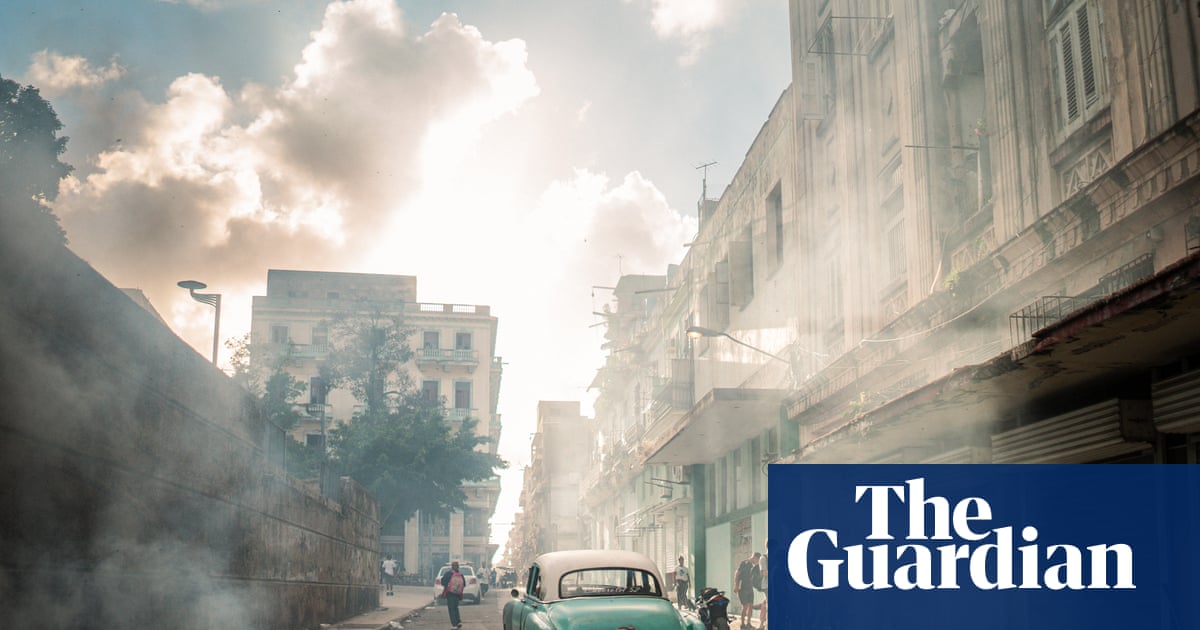
Without garbage collection, residents have begun burning waste in the streets, raising alarm among health officials over potentially toxic smoke.Residents fear the coming months will bring worse conditions as summer heat intensifies and hurricane season begins.