As Trump ramps up pressure by cutting off fuel to the island, Havana’s refuse is rarely collected, forcing residents to burn it in the streets despite the pollution
A
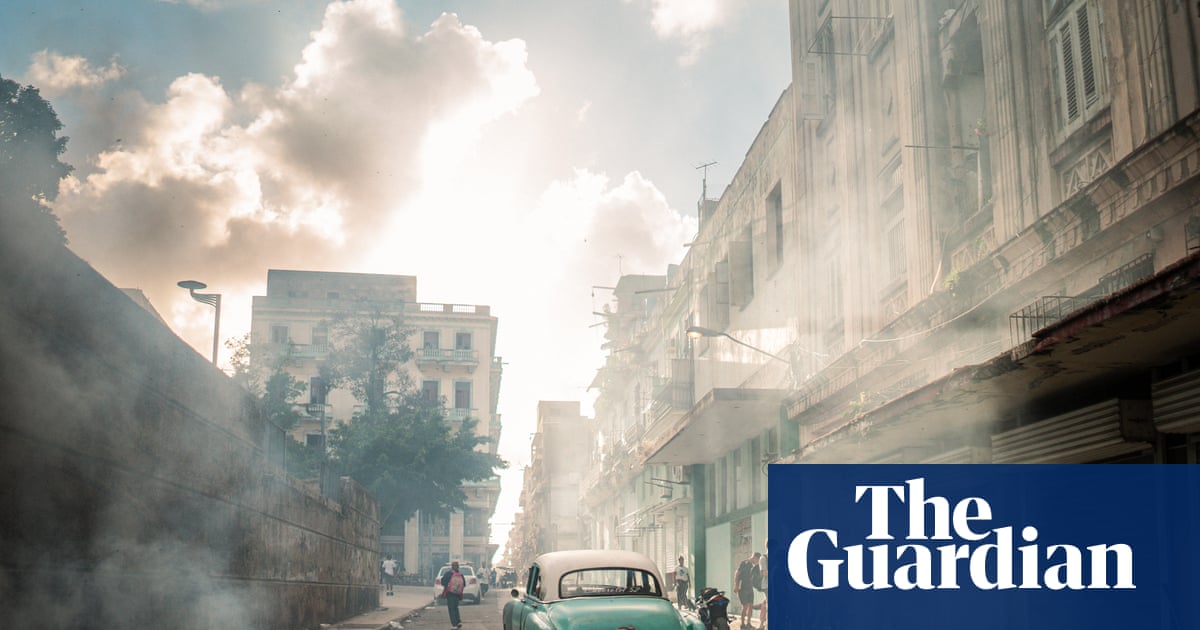
s thick smoke spread through the narrow streets of Havana, seeping into homes, schools and shops, Carlos Blanco, a chef, opened his bedroom window to see what was going on. “I saw a mist. But it wasn’t mist – it was smoke,” he says, describing the toxic smog emanating from a smouldering mountain of rubbish.
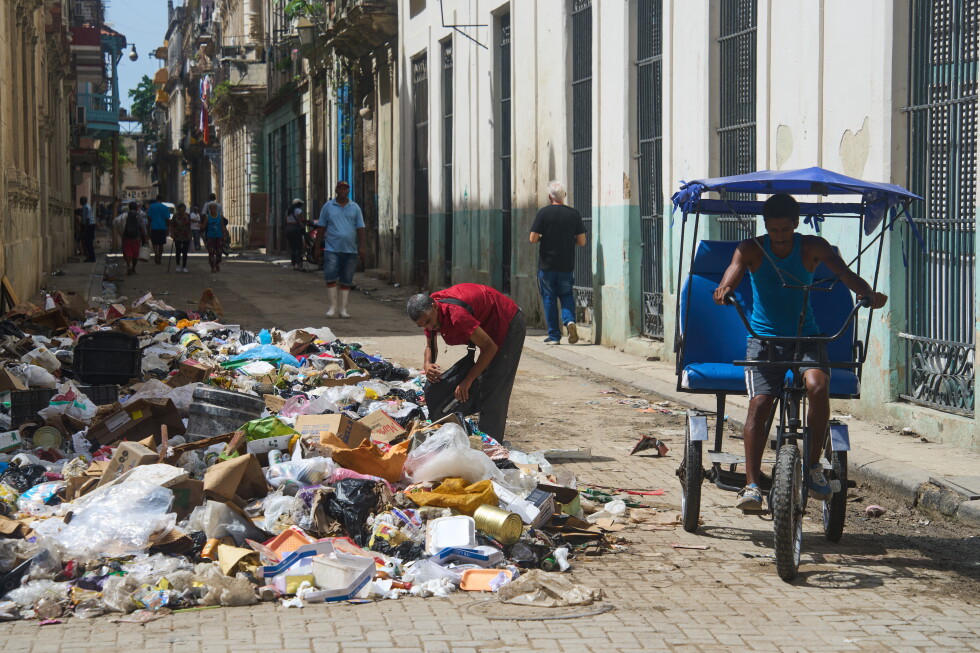
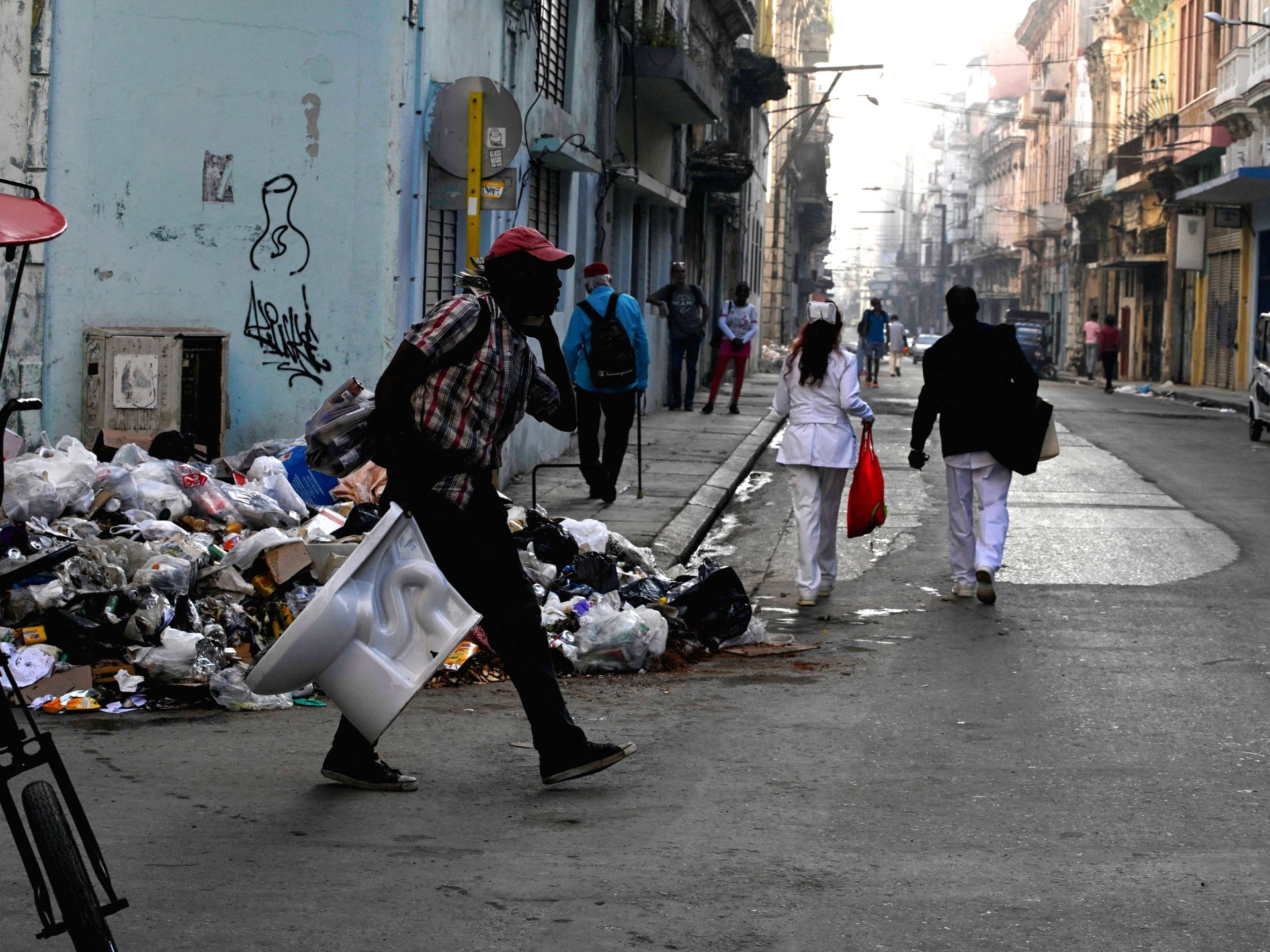
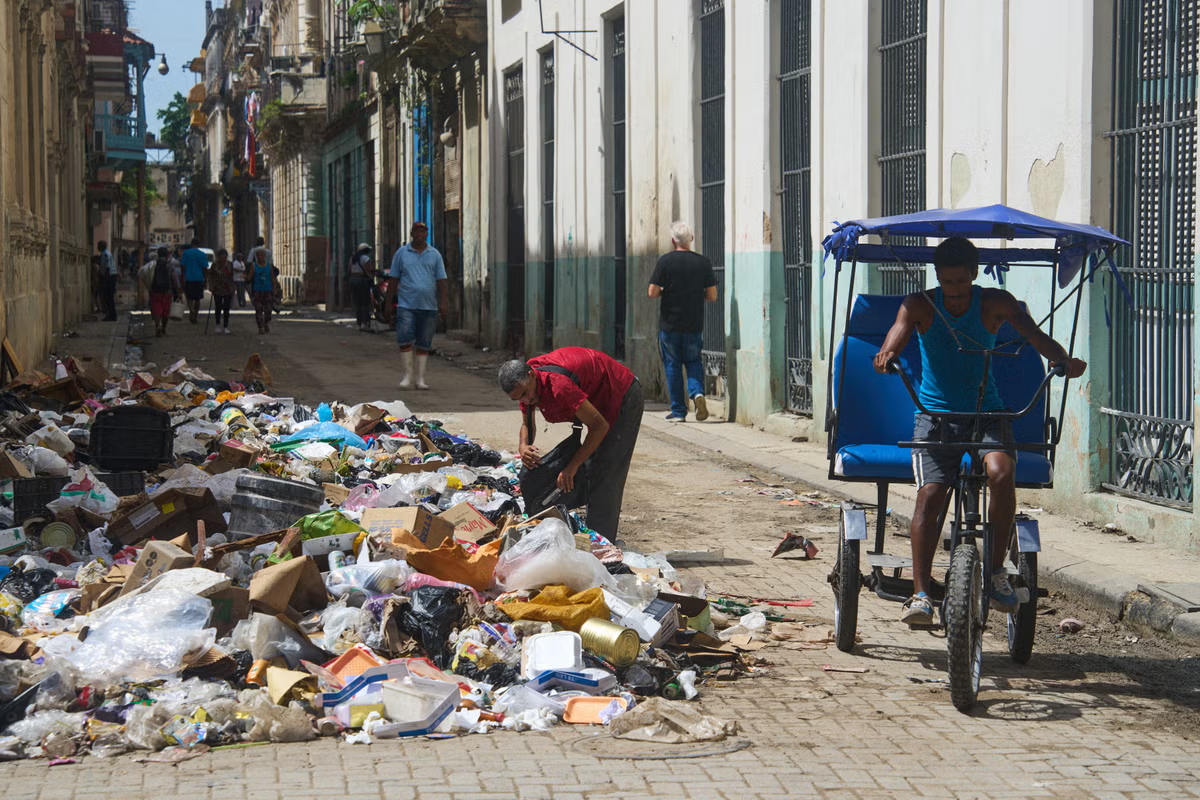
As the US oil blockade on Cuba enters its fourth month, choking off most of the island’s fuel supplies, growing mounds of waste lie on street corners across Havana. Amid fuel scarcity, authorities have opted to ration petrol by reducing waste collection, leaving less than half of Havana’s rubbish trucks operational.
Many desperate Cubans throw their household waste into the street rather than let it fester in their homes as they wait for collection. With removal reduced, the government has allowed rubbish to be burned in crowded urban areas, with authorities designating 122 temporary waste collection points in Havana, at 24 of which there is “controlled incineration”.