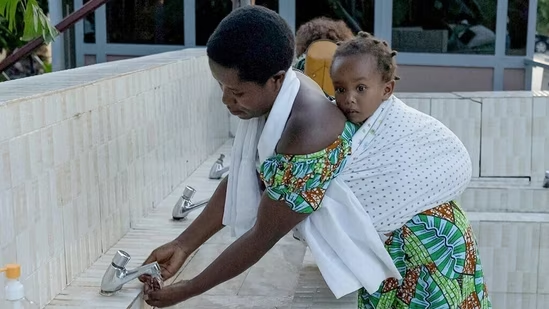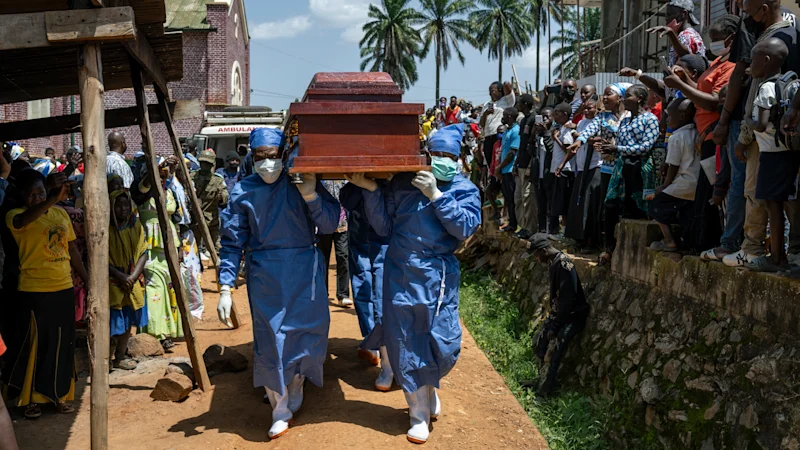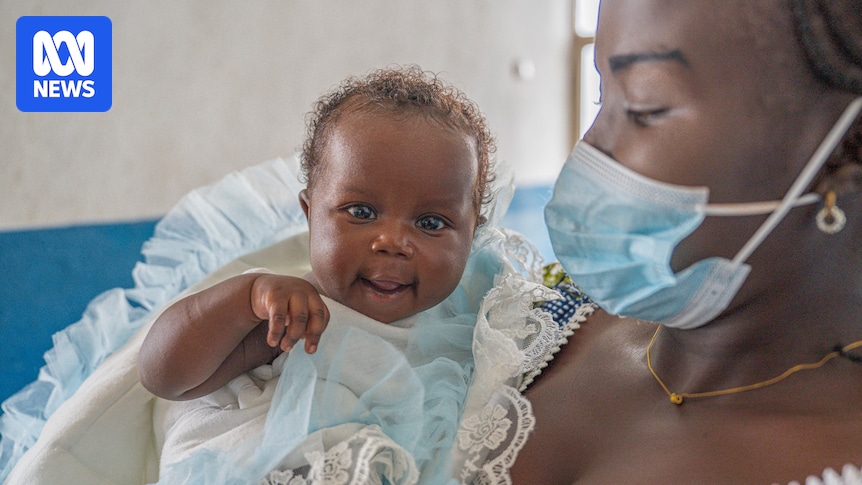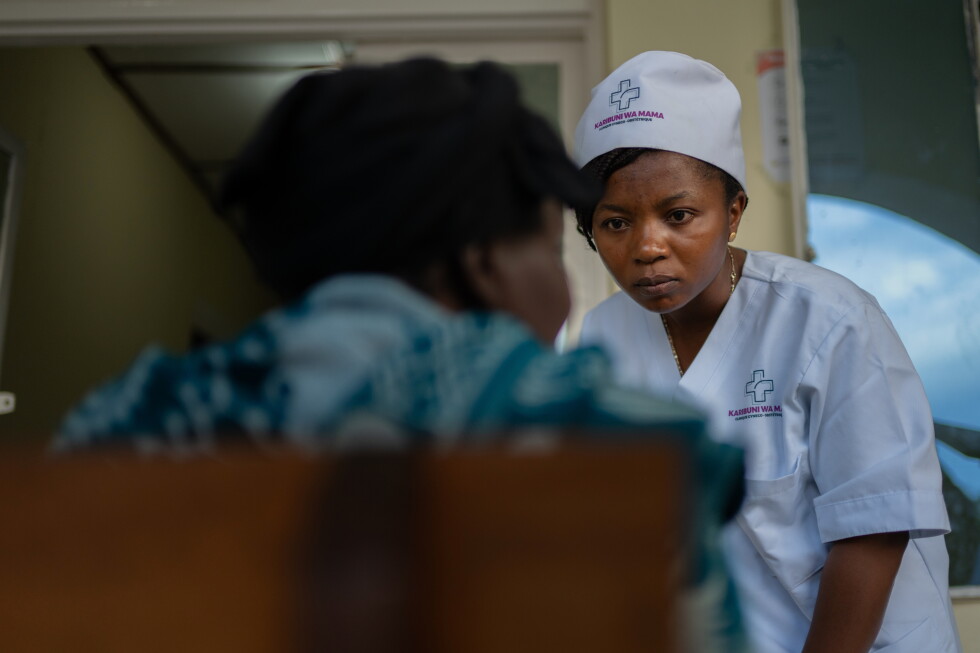
BUNIA, Congo (AP) — Every day for the past week, Aline Kasiwa has fed her sick mother, helped her drink and washed her clothes, all while fearing she could catch the Ebola virus as eastern Congo is plagued by one of the fastest-spreading outbreaks of the disease on record.“She is the only family I have left. I cannot abandon her,” Kasiwa told The Associated Press, adding that she is too afraid to take her mother to the hospital where an infection could be confirmed. “These days we hear that many people are dying there, even nurses,” she said.With no protective equipment beyond a cheap face mask, the 28-year-old in Bunia, a city at the heart of the outbreak, symbolizes the women in eastern Congo who are almost always the first caregiver, a role that health workers say is putting them at higher risk of contracting Ebola.“It’s the woman who gives them a bath, it’s the woman who feeds them, and it’s the woman who’s there to wash the dirty clothes and everything else,” said Dr. Furaha Elisabeth, director of the Karibuni Wa Maman gynecology and obstetrics clinic in Bunia.
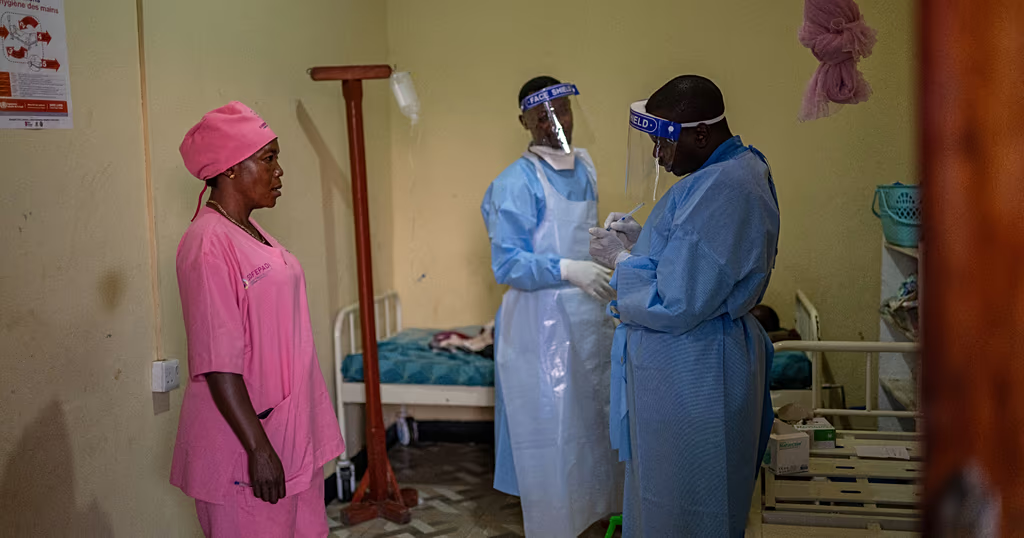
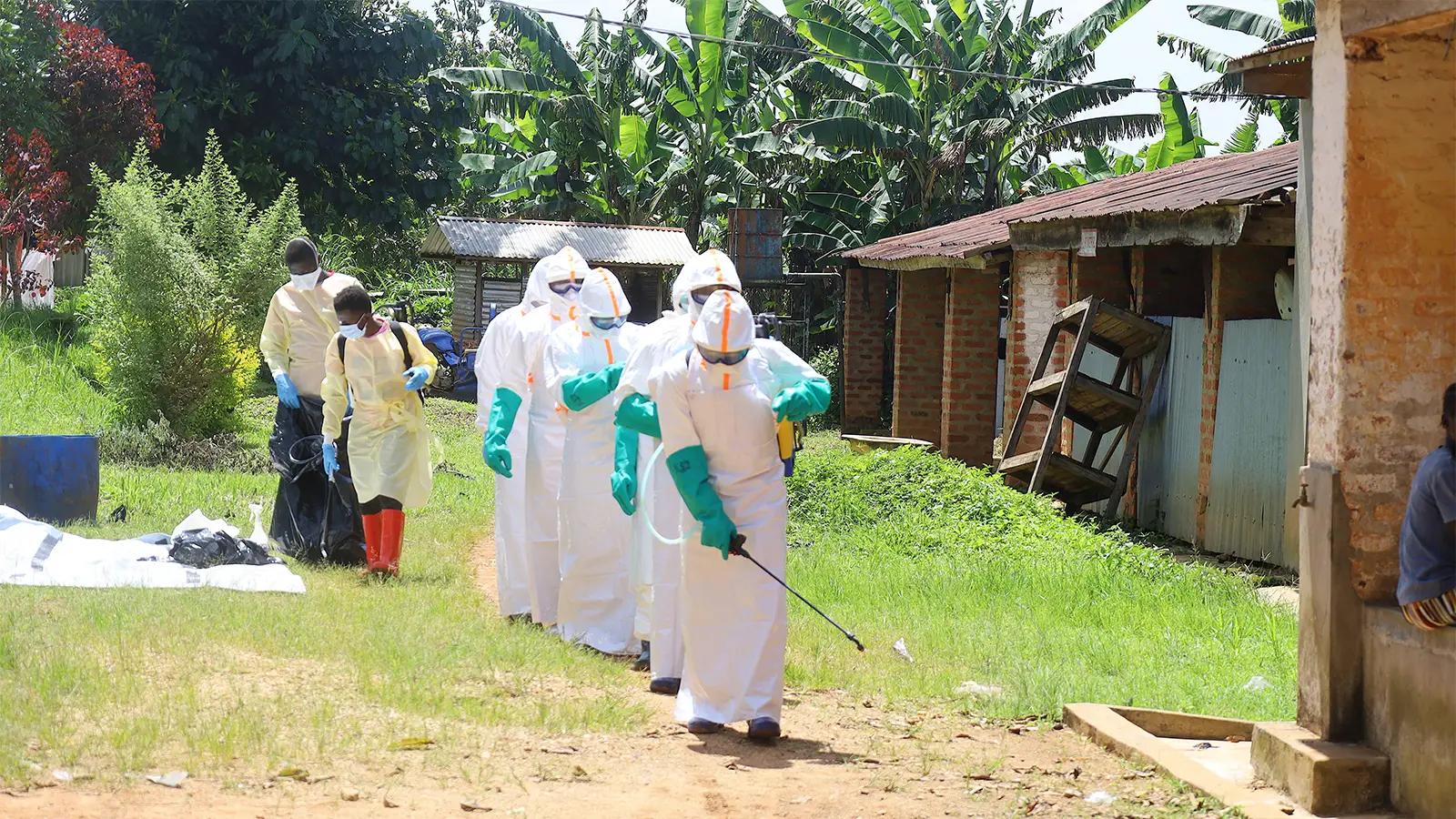
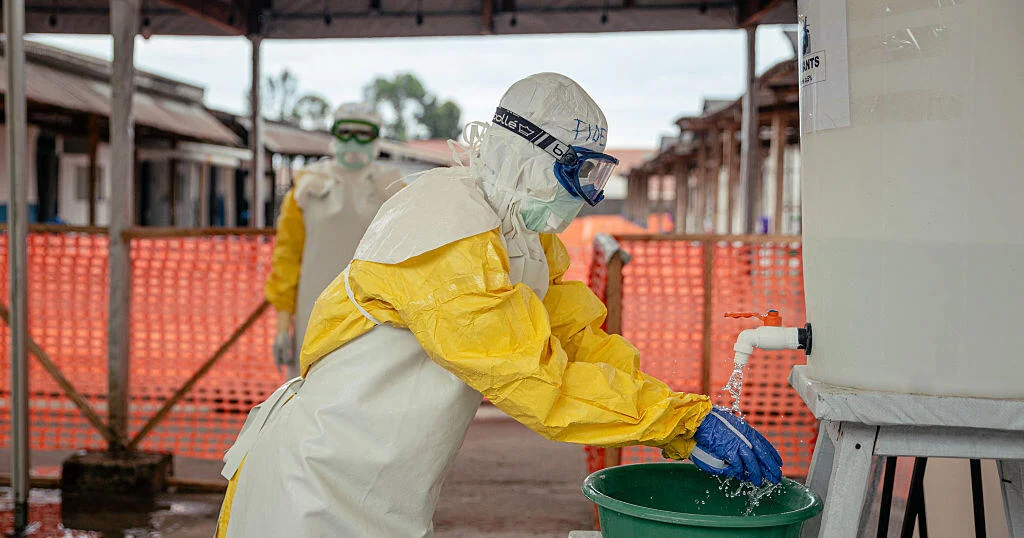
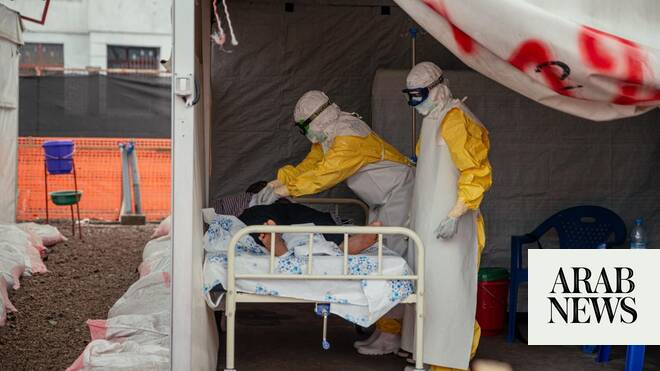
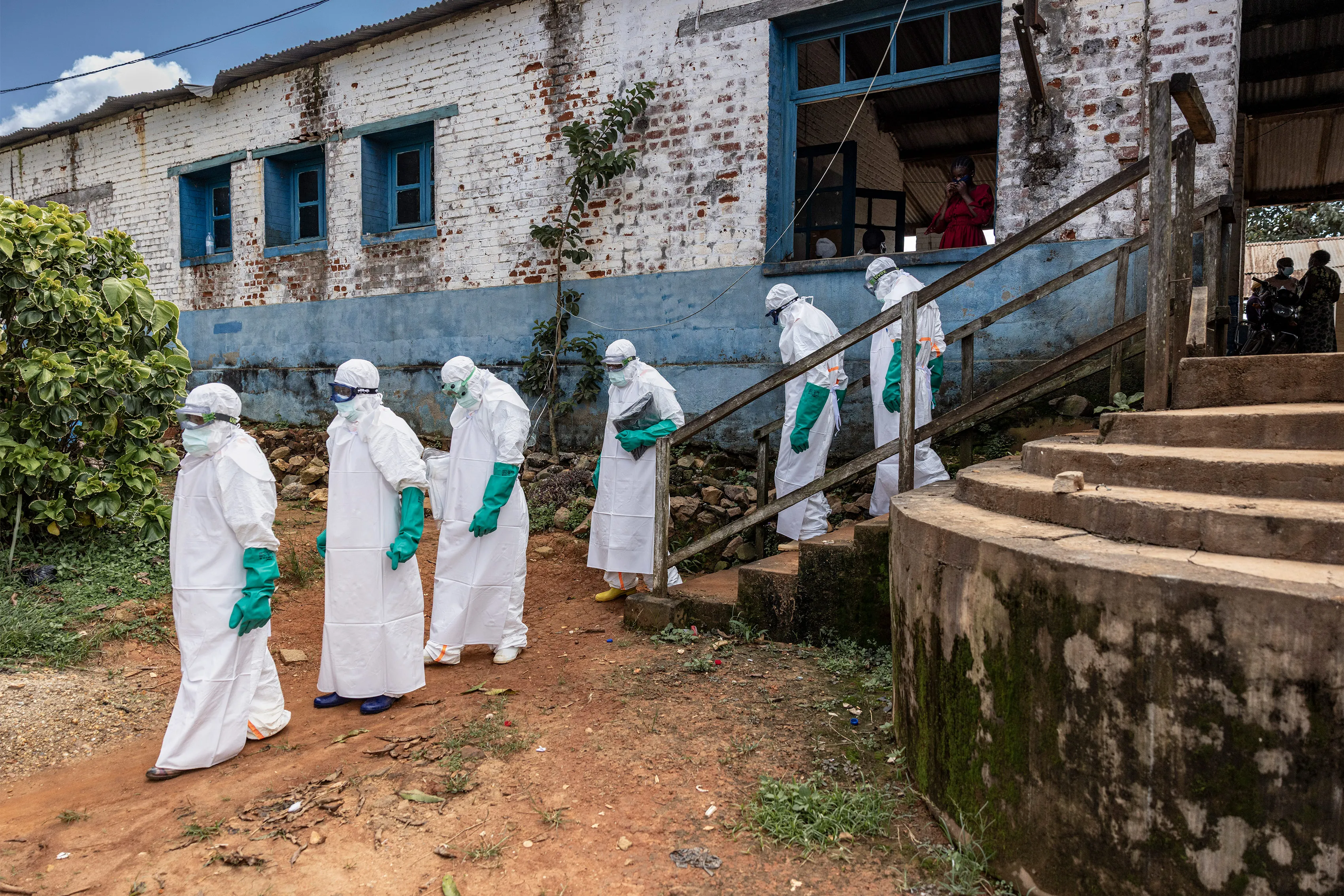
Bundibugyo, the type of Ebola in this outbreak, has no approved treatment or vaccine. Even health workers have said they don’t have the masks, gloves and other gear to protect themselves.