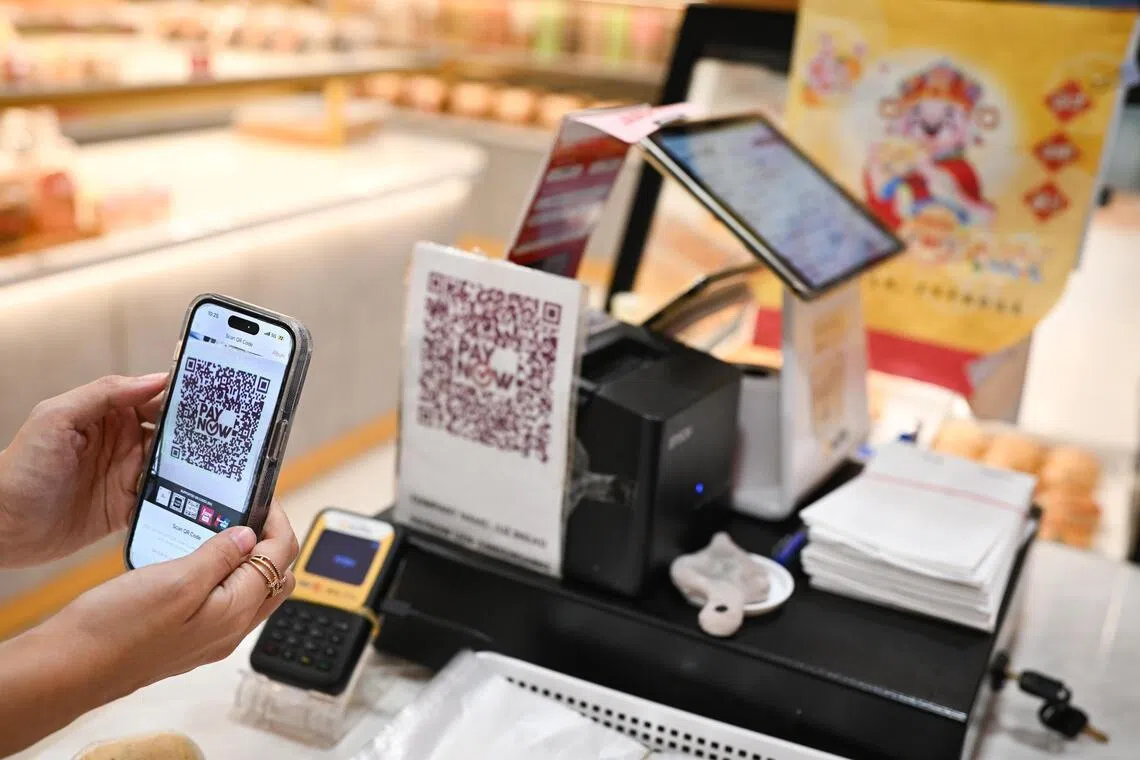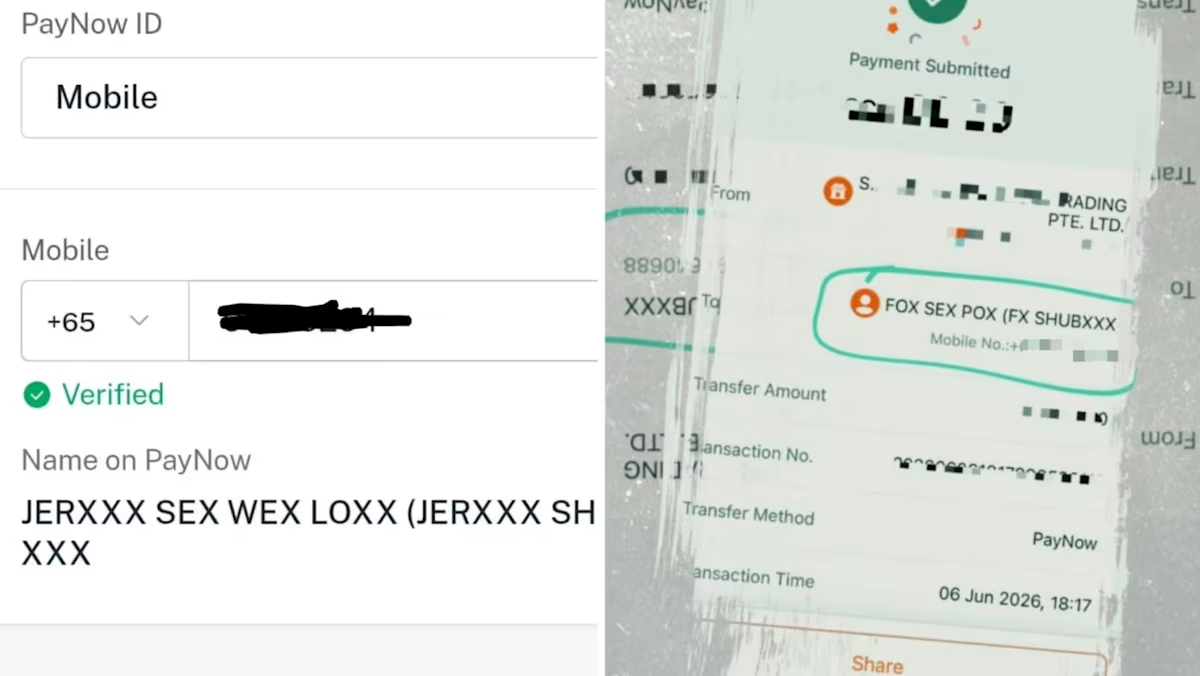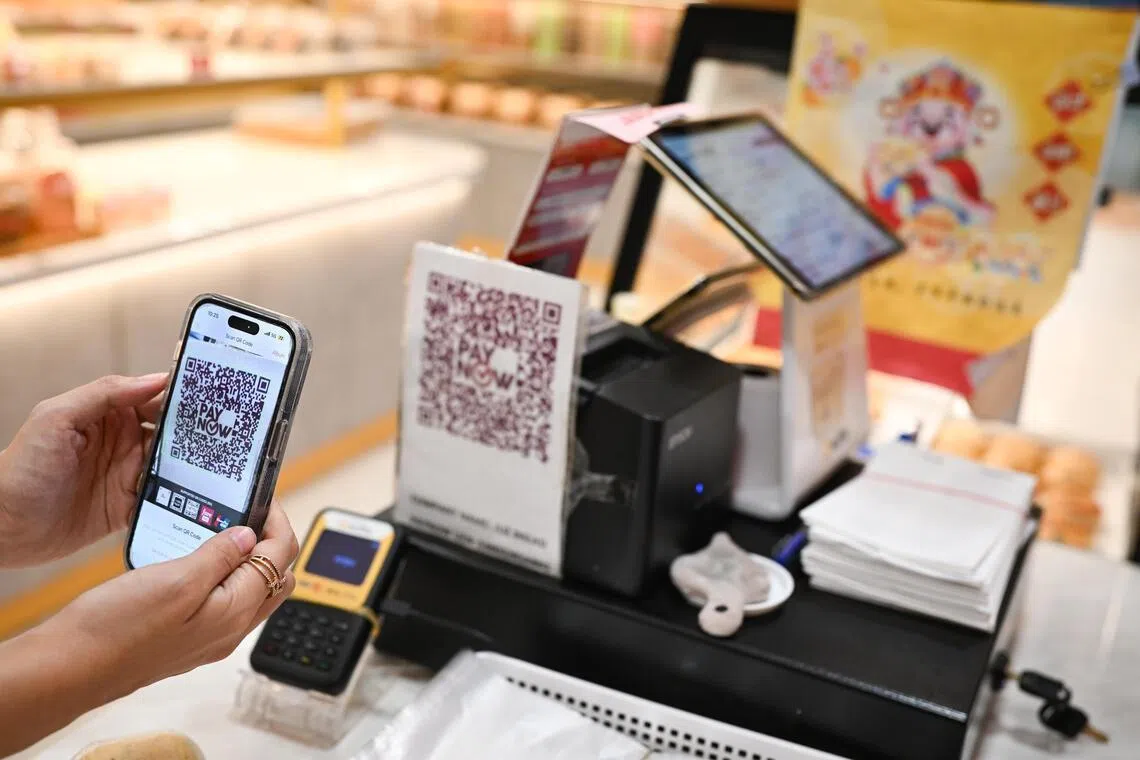
SINGAPORE – From June 6, you will no longer be able to use or see custom nicknames when sending or receiving money via PayNow.The move has prompted mixed reactions from the public, with some welcoming the added protection against impersonation scams, while others – particularly freelancers and home-based business owners who rely on recognisable aliases – saying it may confuse their customers.Here’s what you need to know about the upcoming change, why it is happening, and how it affects you.Q: What exactly is changing with PayNow on June 6?If you belong to the 30 per cent of PayNow users who are currently using a nickname, your payers will no longer see your nickname in the transactions from June 6.Instead, the name registered with your bank account will be reflected, with selected letters replaced with “X”.If you belong to the other 70 per cent who have always allowed your full name to be displayed, your payers will see your partially masked name from June 6.Here is an example: If your name is Chan Shi Hui Jacqueline, it may appear as ChXX SHX HUX JACQUXXXXX.Q: Why is the nickname option removed?In short, to combat scams, said the Association of Banks in Singapore (ABS). Scammers have been exploiting customisable nicknames to impersonate legitimate businesses, government agencies or even friends and family members to trick victims into transferring money.Dropping the nickname feature removes one avenue scammers can use to deceive victims.Q: Can I decide which letters to mask in my display name? Can PayNow display fewer letters in my name?No, users cannot make changes to the updated PayNow name.ABS said the logic for the display name has factored in industry best practices, consumer feedback, and is centrally applied to provide consistency.The display format was also designed to strike a balance between offering privacy and giving users sufficient confidence that they are transferring money to the intended recipient.ABS also explained that “X” was chosen to hide certain letters because it has a visual resemblance to a cross-out mark, which generally represents something concealed or missing.Q: Do I need to do anything before the change takes effect?No action is required. The change will be applied automatically to all retail PayNow users.All other aspects of sending and receiving money through PayNow remain unchanged.Q: Where can I see my updated display name?You may log in to your PayNow-linked banking app on June 6 to check how your updated PayNow names will be shown to payers.Check the profile section of your banking app, or do a PayNow lookup of your own mobile number or NRIC.Q: Will extremely long names be truncated?There is a character limit for PayNow names, so very long names may be truncated.Q: If am a freelancer (such as a tutor) or home-based business owner (such as a home baker) expecting payment from my customers, what should I do?If your customers know you by a different name, such as a business or professional name, you should let them know your PayNow-registered name so they can verify that they are paying the correct person, ABS said.Businesses registered with the Accounting and Corporate Regulatory Authority (ACRA) that are using PayNow Corporate accounts will not be affected by this change, as they are not able to customise their display name in the first place.Q: Is there a chance that the display names of different users may appear identical with the same letters masked? How will I know if I am paying the right person?ABS said you should first check that you have entered the correct PayNow identifier, such as the recipient’s mobile number or NRIC/FIN.The partially displayed name serves as an additional reference to help confirm that the recipient is your intended payee.Q: Is there a risk that scammers can harvest my name for scam purposes?There are already safeguards in the PayNow system to detect and prevent mass harvesting of names, and these safeguards have been stepped up ahead of the change on June 6, ABS said.Q: Can scammers still impersonate me after this change?ABS said no single anti-scam measure is sufficient on its own.The discontinuation of PayNow nicknames is part of a broader set of safeguards, including transaction limit, cooling-off periods, fraud surveillance and consumer education.Everyone must still exercise vigilance, ABS said. Do not trust someone just because he or she knows your full name. Banking credentials, passwords, or OTP should never be shared.
PayNow to drop nicknames from June 6: What you need to know
Find out what is the change exactly, why it is happening and how it affects you. Read more at straitstimes.com. Read more at straitstimes.com.
725 words~3 min read