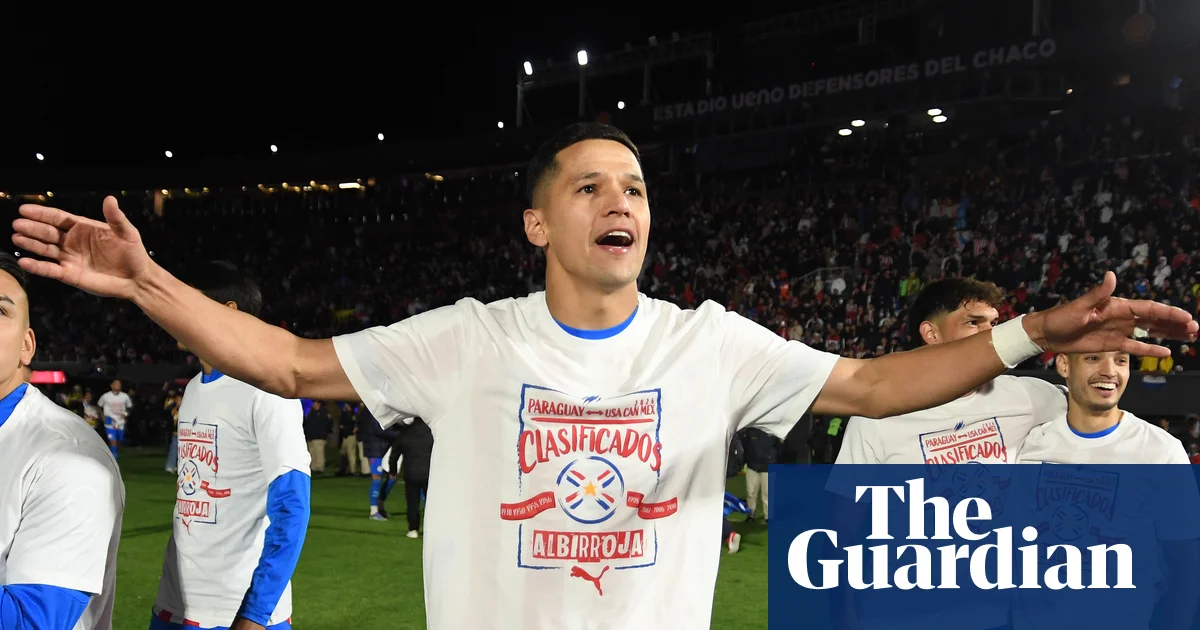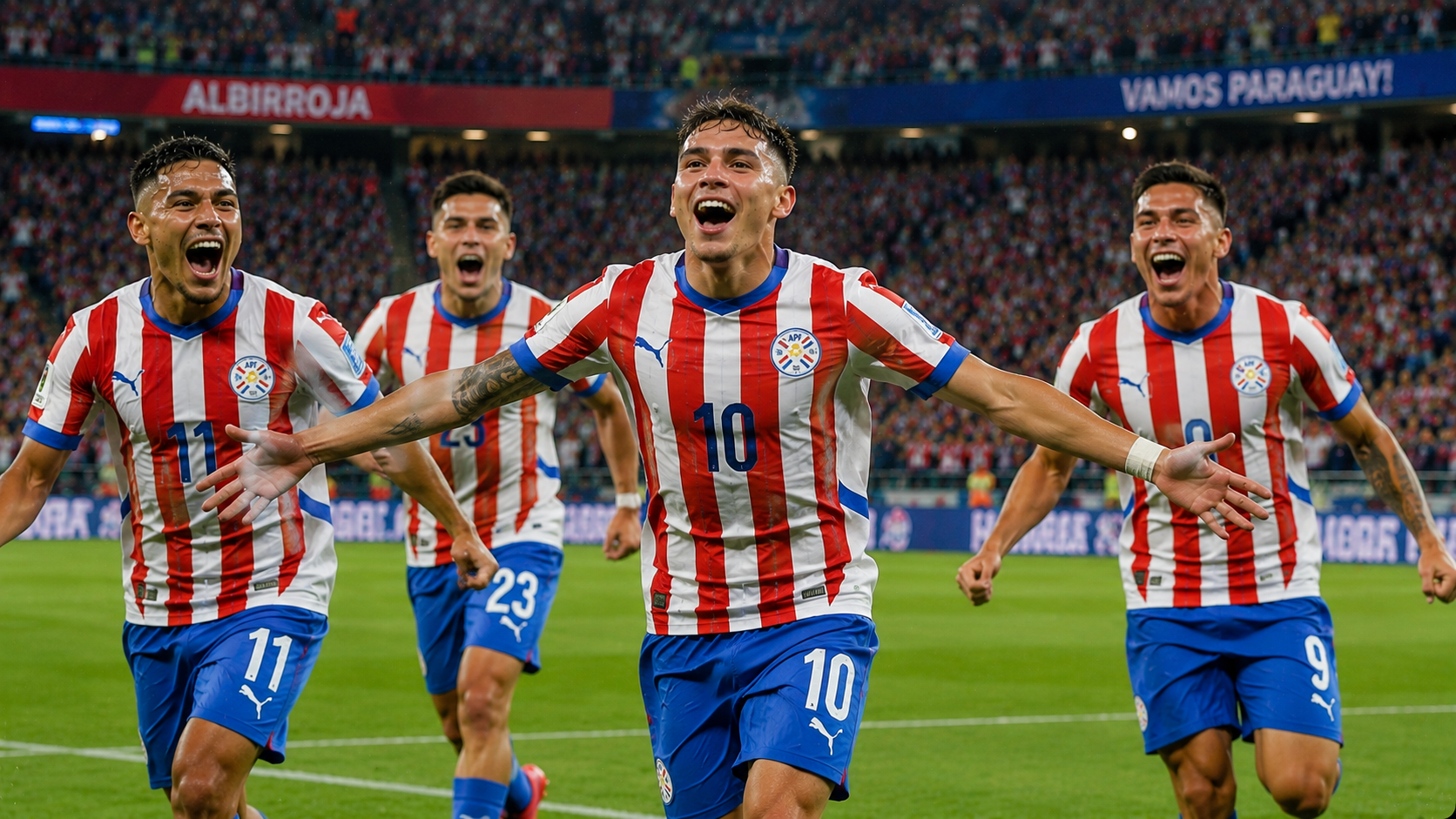
As part of our Language of Soccer World Cup series, The Athletic is speaking to supporters of all 48 nations competing at the 2026 edition to capture their unique football culture, distilled into a single phrase. You can read the articles in one place here.La Garra Guarani — The Claw of the GuaraniLifelong football fan Mathias Melgarejo was not there as his beloved Paraguay sealed World Cup qualification after 16 long years away. But he could have been.“It’s amazing how far people in Paraguay will go to stick to their cabalas, their superstitions, when the national team is playing well,“ he tells The Athletic. “I really wanted to go to the qualifiers, especially the last home game against Ecuador. But Paraguay have never qualified while I’ve been in the stands, so I stayed away for the good of the team.”His friend, Nati Martinez, can’t help but laugh. “We all have our cabalas. If it worked before watching with your friends, wearing a specific shirt, eating certain foods for lunch, you will try to do everything exactly the same again.”Both are visibly ecstatic at the prospect of another World Cup, grinning from ear to ear and sporting the Albirroja’s famous red and white stripes. In 2010, Paraguay reached the quarter-finals, only losing to eventual champions Spain on penalties, but the competitive nature of South American qualifying means they have not been back since.“I’m a teacher, and the kids are so excited, it’s their first World Cup,” says Nati. “They’re getting really involved, learning about the coach, practising the names. Julio Enciso and Diego Gomez are the main ones you’ll hear — for us, it was Oscar Cardozo and Roque Santa Cruz. It’s so nice to see it from this perspective, happening again.“Excitement extends far beyond the classroom. As all of the fans who spoke to The Athletic were keen to stress, the national team brings Paraguay together. Not even a fierce domestic rivalry between Olimpia and Cerro Porteno can get in the way. “We’re Olimpistas, but we still love Miguel Almiron,” says Mathias, talking about the former Cerro Porteno winger.It is that sense of community that Silvia Caballero is looking to harness from her role as head of marketing at the Paraguayan Football Association. “The day Paraguay qualified turned into a party, and the day after, the president announced a bank holiday,“ she says. “It’s very important to understand that here in Paraguay, football is really what unites us, so we’re taking steps to make this a very memorable summer.”Among those plans are fan festivals in the Paraguayan capital, Asuncion, and the World Cup host cities of Los Angeles and Santa Clara in the San Francisco Bay Area.“What we want is to celebrate Paraguayan traditions,” Silvia adds. “We’ll preview the game and show it on the big screen, but we’re also bringing famous Paraguayan bands to play live music. We’ll have typical Paraguayan foods, lots of mbeju (a cheesy type of flatbread) and Paraguayan meat for the barbecue, because our beef is renowned around the world.“The chef who cooks for the players will be manning the barbecue. The asado is a very important part of our pre-match routine.”Mathias and Nati agree, and add some refreshments to the pre-match preparations. “Maybe you’ll drink some terere to settle the nerves, with a lot of mint,” says Mathias. “It’s like mate, but ice cold. We only really drink it here in Paraguay. Later on, it will be beer. We all get so stressed, so it helps,” he laughs.
The Claw of the Guarani says it all for Paraguay, a nation fiercely protective of its identity
As part of a special World Cup series, The Athletic is speaking to fans of all 48 competing nations to capture their unique football culture
1,705 words~8 min read