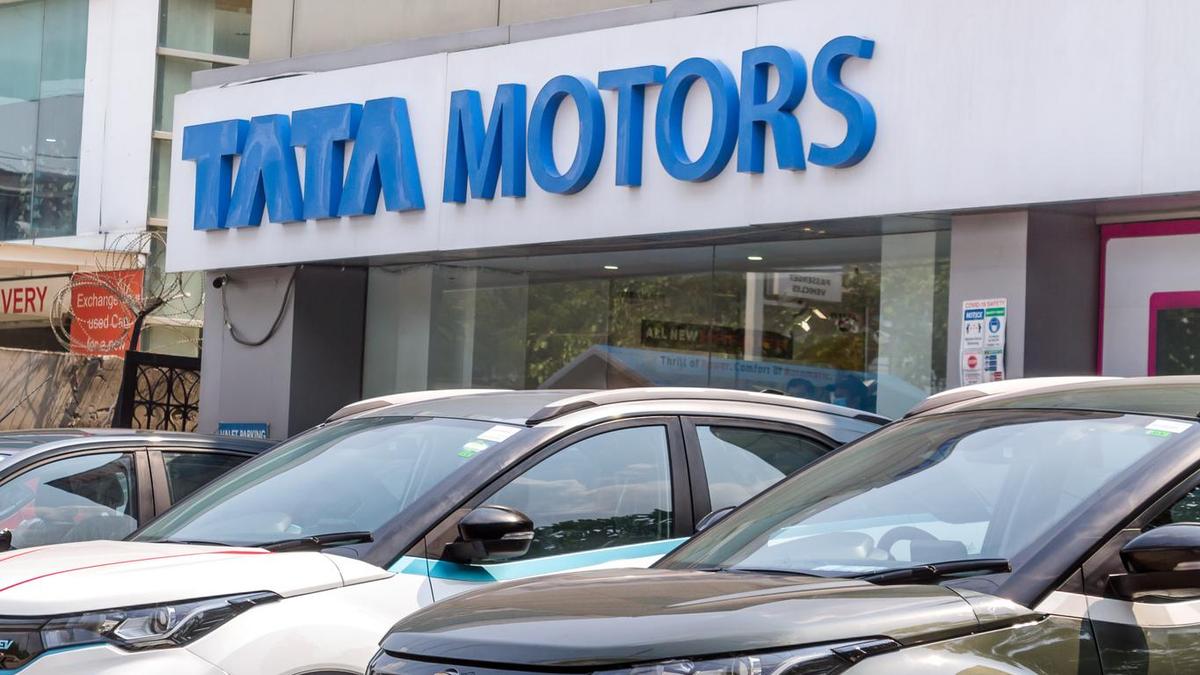
Asian carmaker Tata Motors says it is gaining traction in South Africa’s competitive passenger vehicle market, as it pushes toward a long-term goal of becoming a top five brand.According to Tata Motors Passenger Vehicles South Africa CEO Thato Magasa, the company, which re-entered the market in 2025, reported steady progress in its first months of retail activity, with market share rising from 1.3% within six months of launch to more than 1.5% in the seventh month.“We remain firmly on track to achieve our long-term ambition. In just over half a year of retail operations, we are in line to achieve our short-term goals. Achieving 1.3% market share within six months of launch and over 1.5% in the seventh month shows the steady progress we are making,” said Magasa.The performance comes as competition intensifies, with several new automotive brands entering South Africa at the same time. Tata said it launched into a crowded market but has seen an encouraging early response from customers.“We have now completed seven solid months of retail activity, and the market response has been positive. Consumer acceptance has been highly encouraging, giving us confidence that our offering is meeting the market need,” he said.Beyond individual buyers, the group said it is also gaining traction in the corporate segment, including fleet customers and car rental operators, which it views as an important signal of acceptance.Tata had set a mid-term target of capturing 6%-8% of the South African passenger vehicle market. This would position it among the top five brands in the country, a goal it said remains achievable based on present performance.“Building a top-five passenger vehicle brand in South Africa is a long-term goal, but our current performance reinforces our confidence that this aspiration is both realistic and achievable,” the CEO said.The broader market environment remains mixed. While vehicle sales have shown growth into 2026, Tata flagged economic pressure on consumers as a key risk particularly as affordability continues to weigh on purchasing decisions.“The most significant risk in the current environment is consumer affordability.”Magasa said the company is positioning this pressure as a key part of its strategy, focusing on offering lower-priced vehicles with higher specifications and aftersales support.“South African consumers continue to face substantial economic pressure, and that naturally affects big-ticket purchasing decisions such as vehicle ownership. However, this is also precisely where our competitive advantage becomes most compelling,” he said. “We are bringing vehicles to market that offer class-leading safety credentials, high levels of specification and exceptional value at highly competitive price points.”Tata’s re-entry into the local market has been built on a partnership with Motus, which provides an established dealership and distribution network. The company launched with more than 40 dealerships and is targeting 50 sites by the end of 2026, alongside investment in parts distribution and technical training.For now, Tata has ruled out immediate local manufacturing, opting instead to import vehicles while investing in retail, servicing, and logistics infrastructure. Magasa said manufacturing decisions will depend on achieving sufficient scale and long-term viability.South Africa remains an export market for the group at this stage, though it said it will continue to assess future opportunities as the business grows, he said.On electrification, Tata said it is evaluating when to introduce electric vehicles (EVs) locally, with timing dependent on infrastructure readiness, affordability, and market demand.“Our approach will be measured and responsible, particularly in terms of the infrastructure investments required to support a successful EV rollout. When we do bring electrified vehicles to South Africa, we want to ensure the surrounding ownership ecosystem from infrastructure to aftersales support is fully prepared to deliver a seamless customer experience,” he said.
Tata on track to reach market share targets
The carmaker has a long-term goal of becoming a top five brand in South Africa
601 words~3 min read