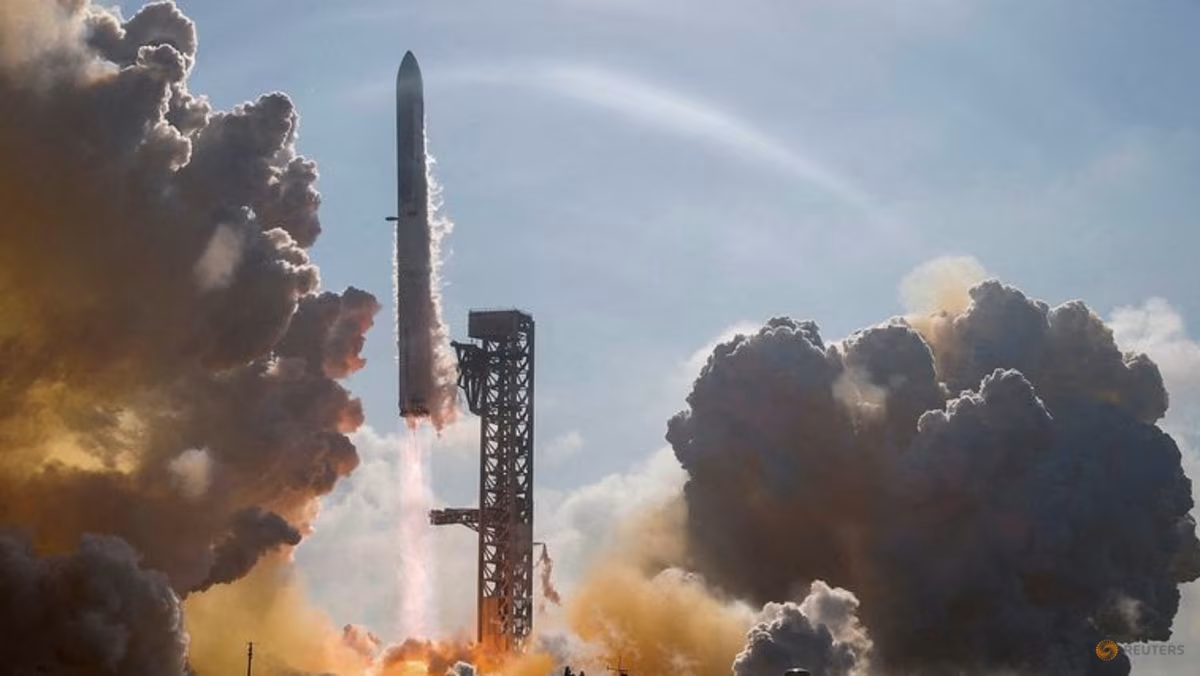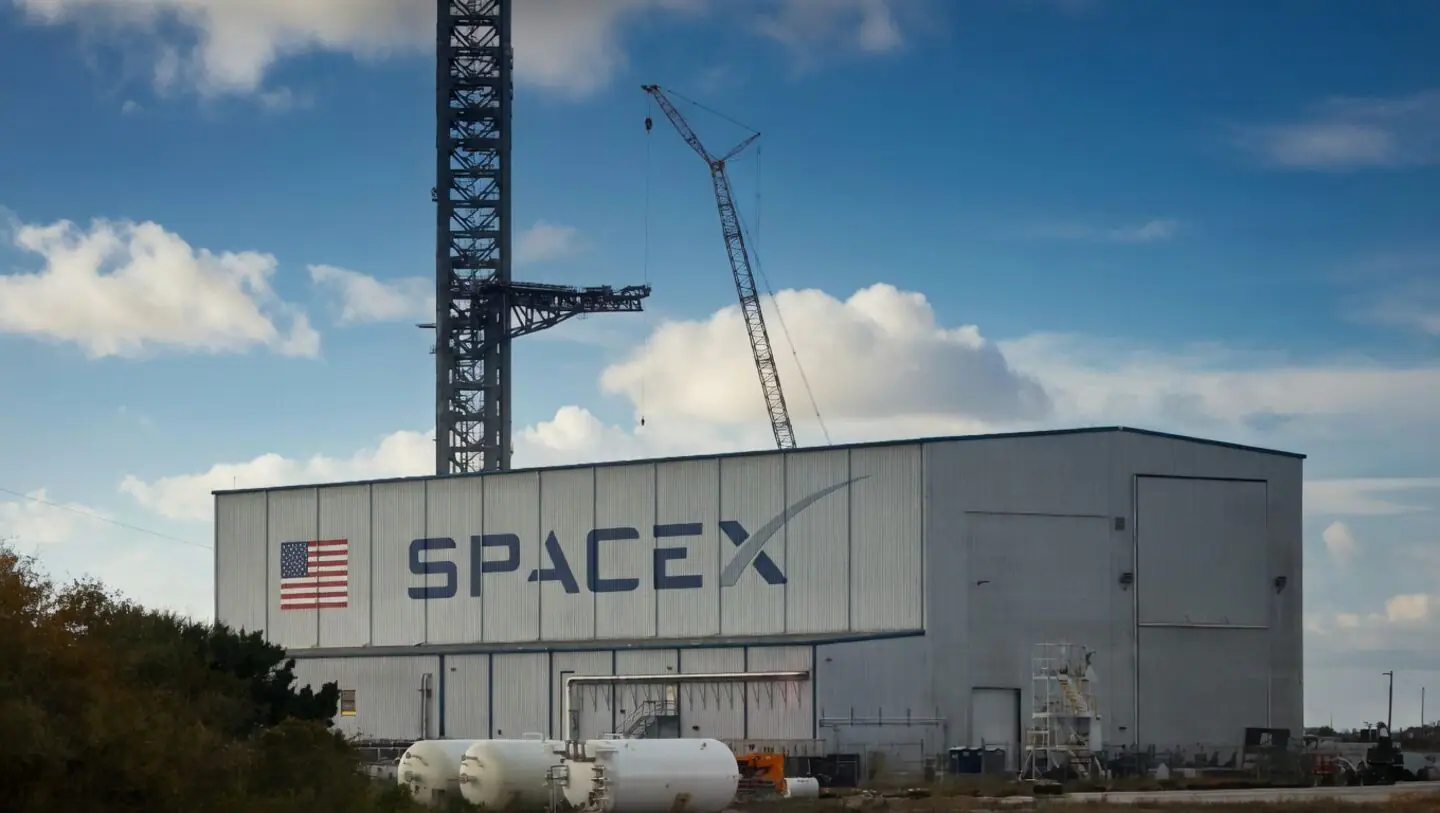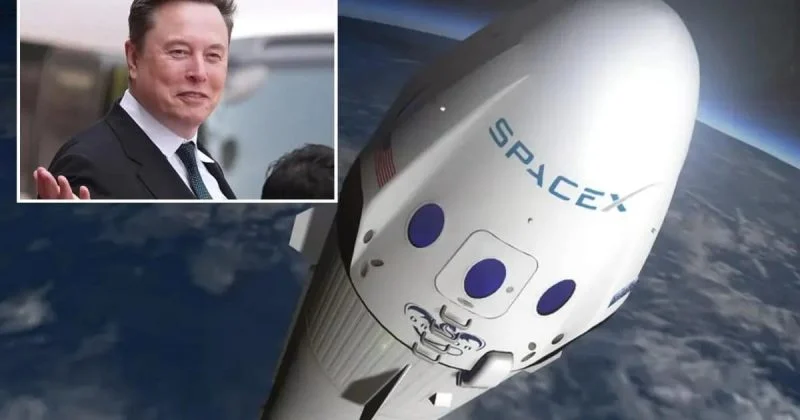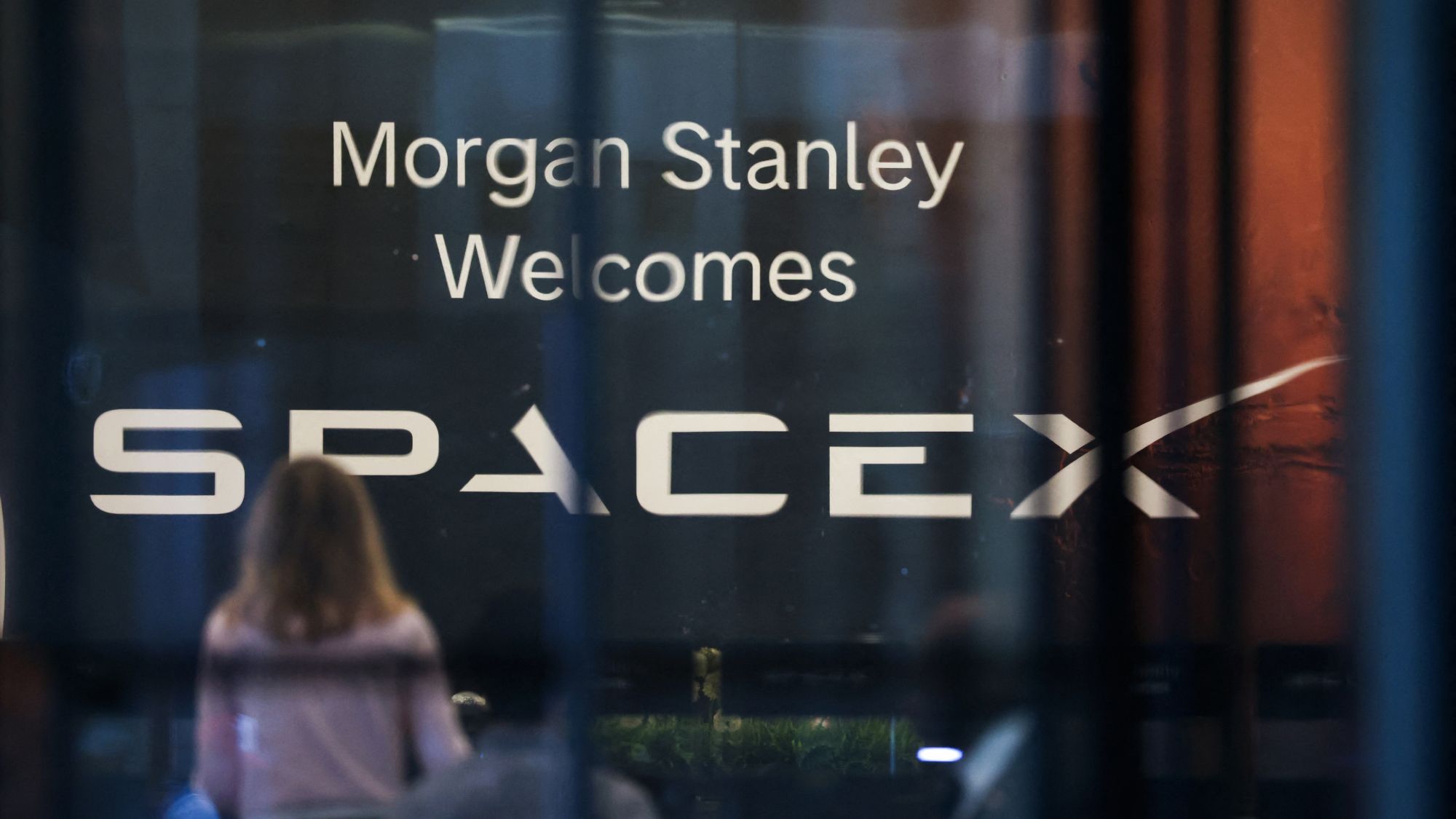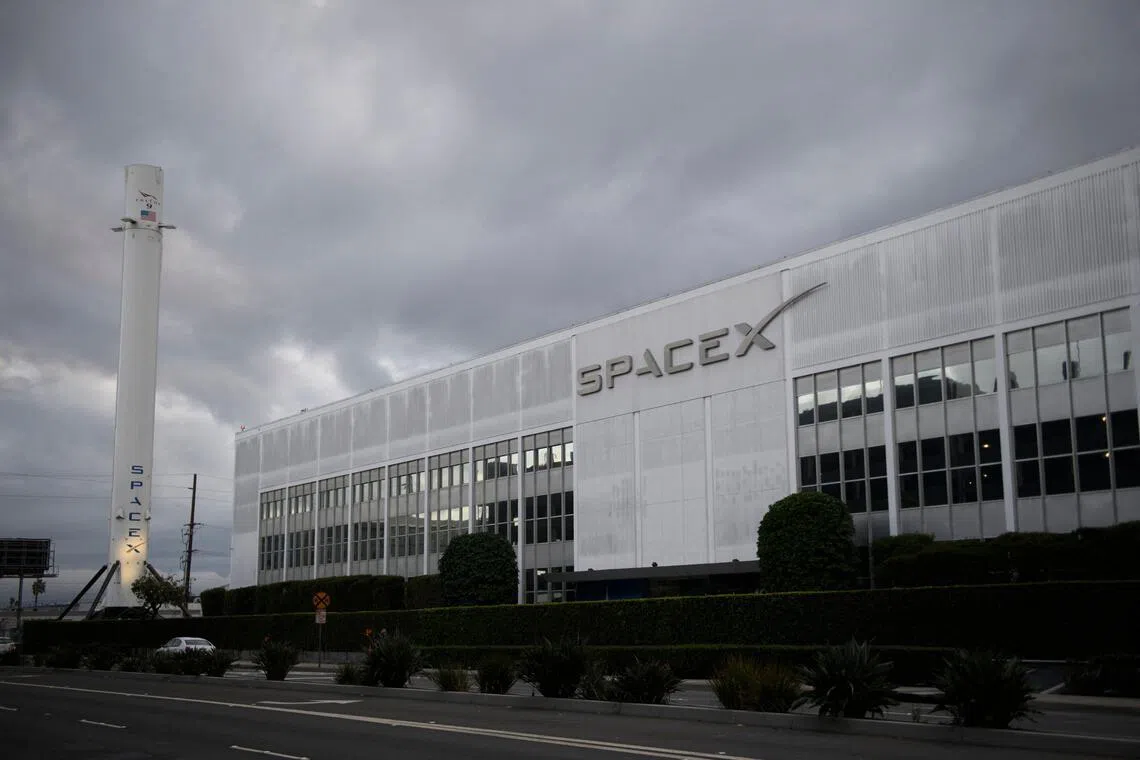
NEW YORK - SpaceX publicly set a US$135 price for shares in its initial public offering (IPO) on June 3, upending the longstanding Wall Street price-discovery apparatus and underscoring Elon Musk’s determination to raise record sums his way.The company’s decision to publish a price a week ahead of its landmark offering has few, if any, precedents among major US IPOs, and reflects Musk’s standing in the financial world as an adventurer with a golden touch – even as the capital raise will value SpaceX at very lofty multiples.SpaceX’s amended IPO filing confirms a Reuters report on the US$135 price from earlier this week. The company is aiming to raise US$75 billion (S$96 billion), the most-ever for an IPO, in a deal that would value it at US$1.75 trillion, immediately placing it among the top 10 most valuable US-listed firms.The company will kick off an investor roadshow on June 4, with pricing expected on June 11; trading in shares will begin on the Nasdaq the next day.Musk has rewritten the IPO playbook for SpaceX in many other ways, from planning to give retail investors a larger role in allocations, to pushing for early index inclusion and structuring governance to preserve strong founder control.“Nothing about this IPO is normal in any course or sense, but then again, this is the largest IPO in history so maybe that is not surprising,” said an investor who plans on buying into the IPO.On Wall Street, there has been a rush to get a piece of the deal, given Musk’s reputation and his control of an offering that stands to generate millions of dollars in fees – despite concern about the sky-high valuations that SpaceX will garner.The prospective investor said there has been a sense that major firms are “posturing” by saying “we put the money in early” – a position that both reflects and reaffirms Musk’s leverage over investors.SpaceX lacks a clear public market benchmark, given the paucity of public space companies and the company’s interests across aerospace, telecommunications and defence.The company posted a net loss of US$4.94 billion in 2025, even as revenue rose 33 per cent to US$18.67 billion.Tim Hatt, head of research and consulting at GSMA Intelligence, the research arm of global telecoms industry body GSMA, said: “On the face of it, a ~90x+ revenue multiple is high by any standard, particularly when compared with traditional aerospace or telecom peers. But then again, SpaceX is not traditional in any way and there are no true public comparables.”The roadshow is where companies and their bankers typically sound out investors in order to arrive at a price range for their share sale. The process emphasises bankers’ relationships with potential investors and their understanding of the market for the coming offering.After a series of testing-the-waters meetings with investors ahead of the roadshow, SpaceX indicated it was looking for a valuation of about US$1.75 trillion, while some investors sought US$1.5 trillion or less.An institutional investor who banks with Goldman Sachs said he tried to buy shares in the IPO, but was told that SpaceX IPO allotments are a “David Solomon-level decision”, referring to the firm’s chief executive officer. The investor’s banker suggested that he buy after the company goes public.Other aspects of the SpaceX offering stand out. Major international banks including Mizuho, Deutsche Bank, UBS and Barclays have been urged to focus on lining up wealthy individual buyers in their home countries. In the past, little attention was paid to individual investors, as bankers sought out feedback from large asset managers such as Fidelity Investments and powerful hedge funds such as Citadel.Reuters previously reported that the company is considering allocating as much as 30 per cent of the offering to individual investors, an unusually large retail tranche aimed at tapping Musk’s cult-like following that would also broaden ownership of the company.Robert Pavlik, senior portfolio manager at Dakota Wealth Management in Fairfield, Connecticut, who said he is not buying the shares, said: “Why would you own it? It’s because of the cachet that Elon Musk brings. I’m interested in it as a sideshow.” REUTERS
SpaceX IPO sets record stock price
SpaceX sets a record US$135 stock price for its IPO, valuing the company at US$1.75 trillion and defying Wall Street conventions. Read more at straitstimes.com. Read more at straitstimes.com.
677 words~3 min read