Building Accessible Server-Side Rendering with Incremental Hydration: A Practical Frontend Guide
Web apps increasingly rely on a mix of SSR for performance and SEOs, with client-side hydration to deliver interactivity. This guide shows a concrete pattern: incremental hydration on the server-rendered HTML to optimize time-to-interactive (TTI) without sacrificing accessibility or user experience. You’ll get real code, a step-by-step workflow, and practical tips you can adapt to modern frameworks like React, Vue, or Svelte.
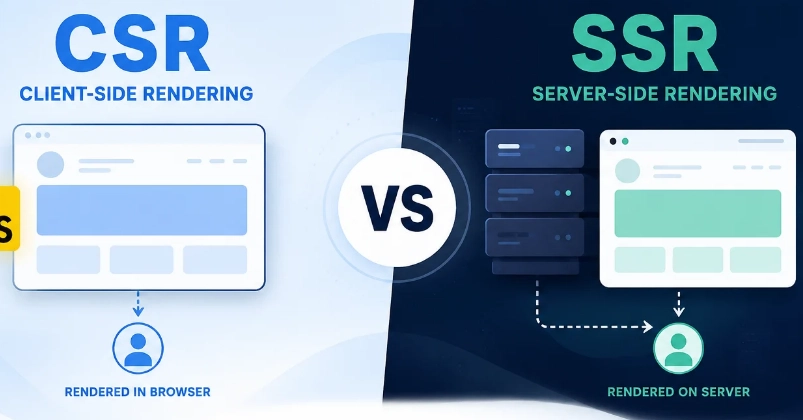
Illustrative overview
Core idea: render the initial HTML on the server for fast paint and accessible content, then progressively hydrate only the parts that need interactivity, guided by measured user needs.
Benefits: faster TTI, smaller client-side JavaScript bundles, better accessibility (screen readers see the fully populated DOM early), and easier performance budgets.