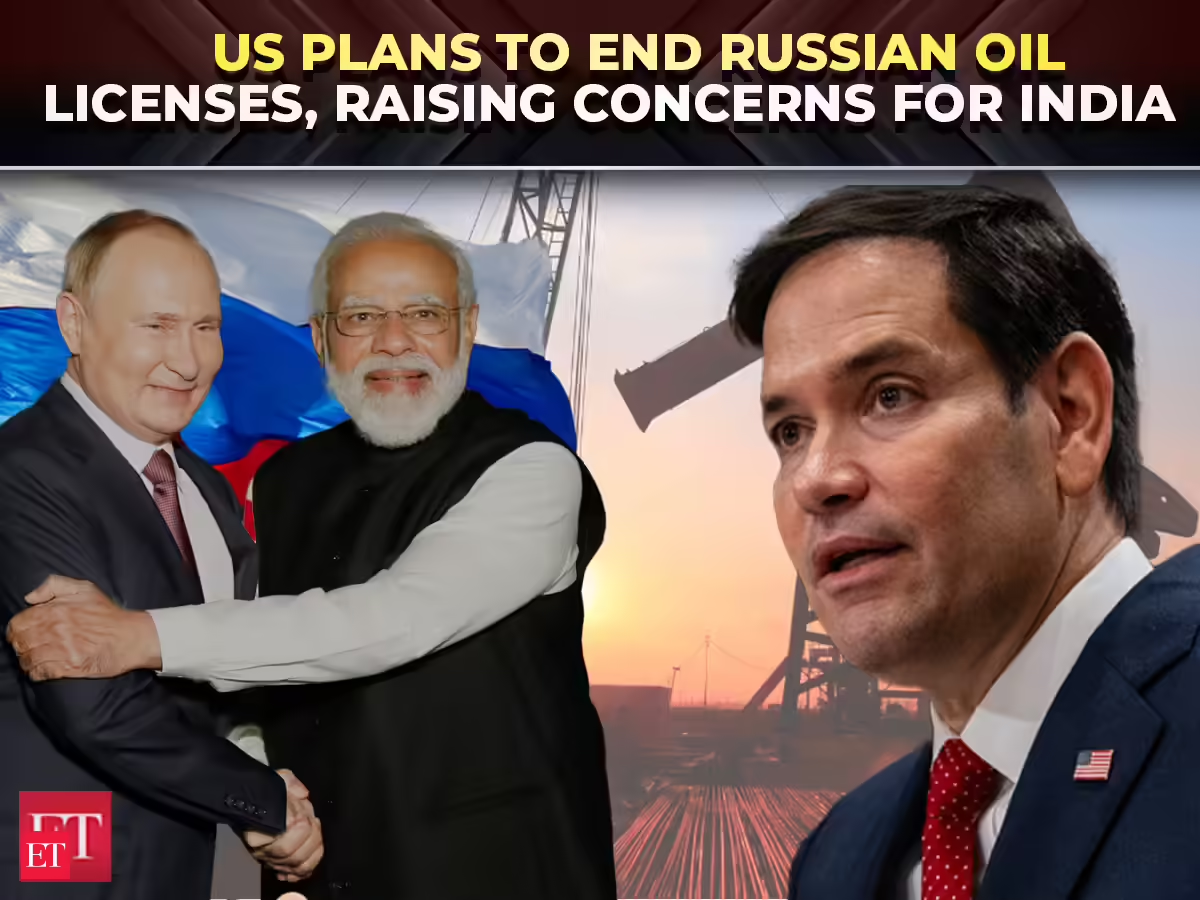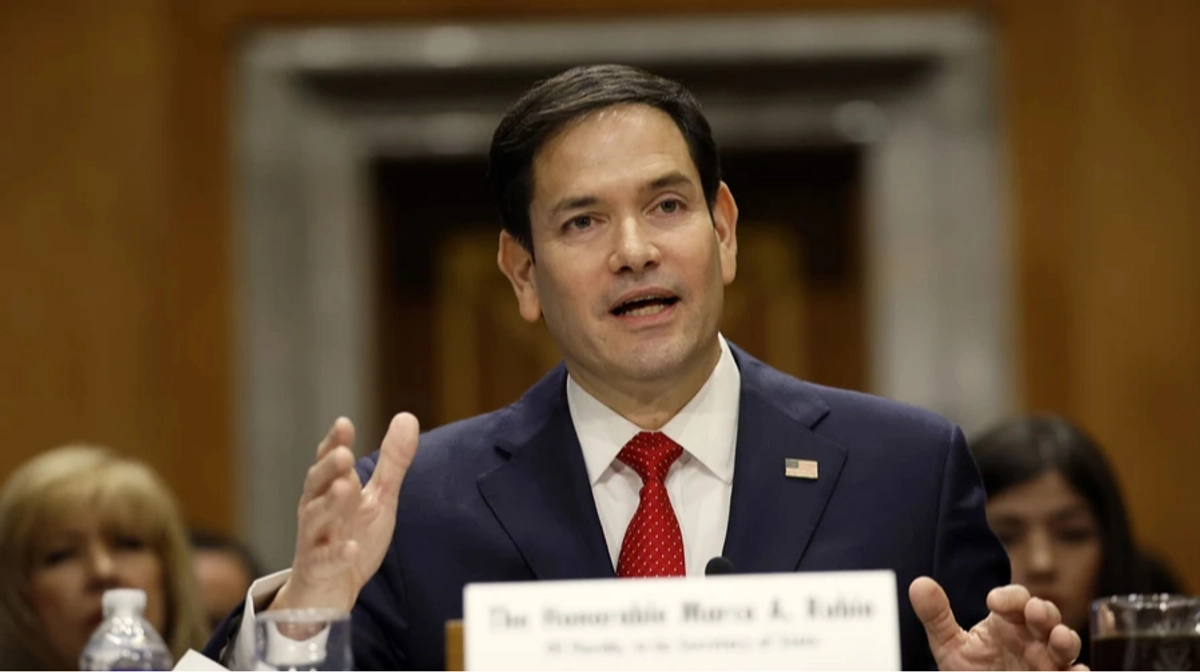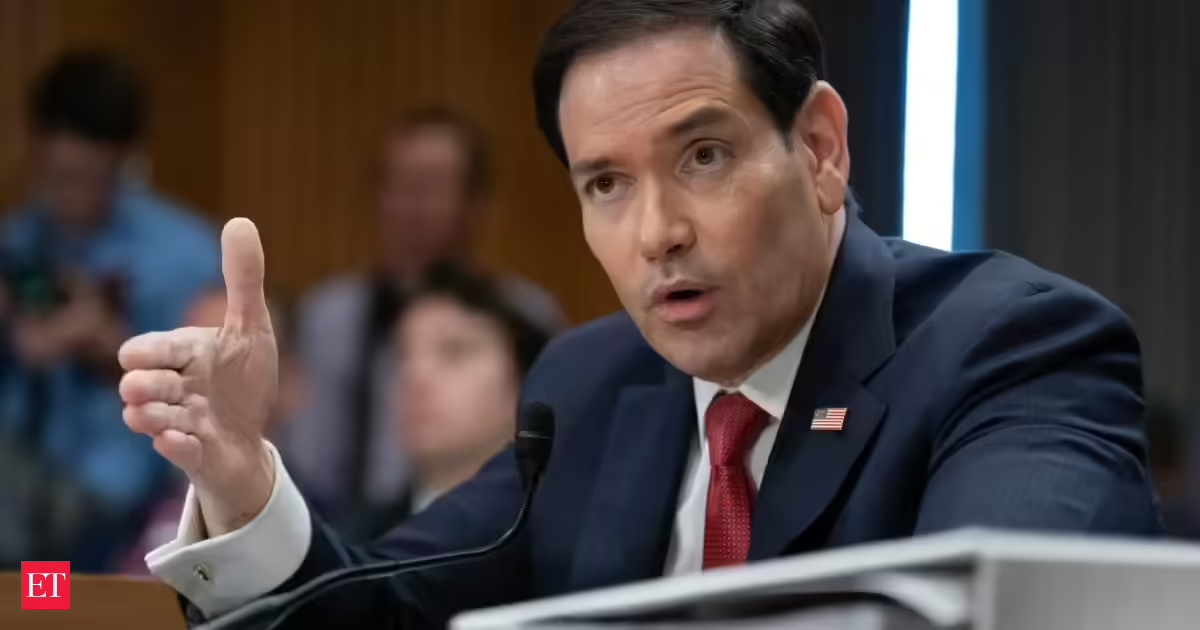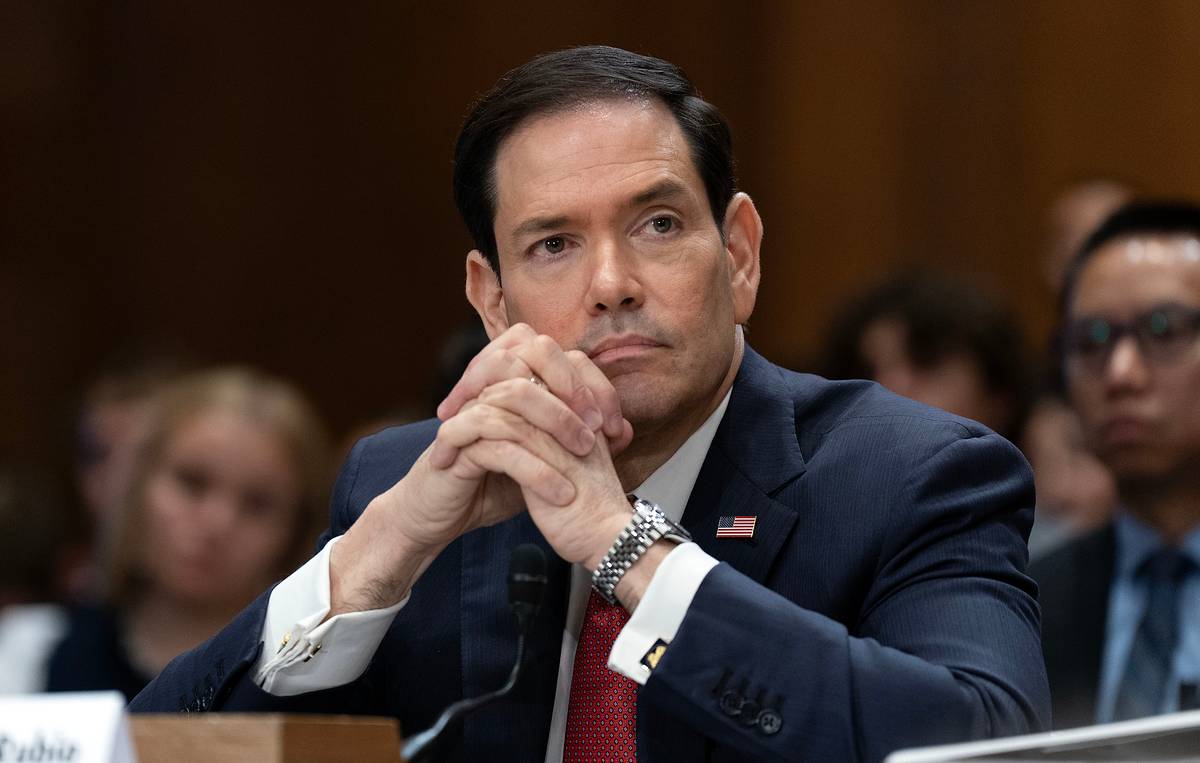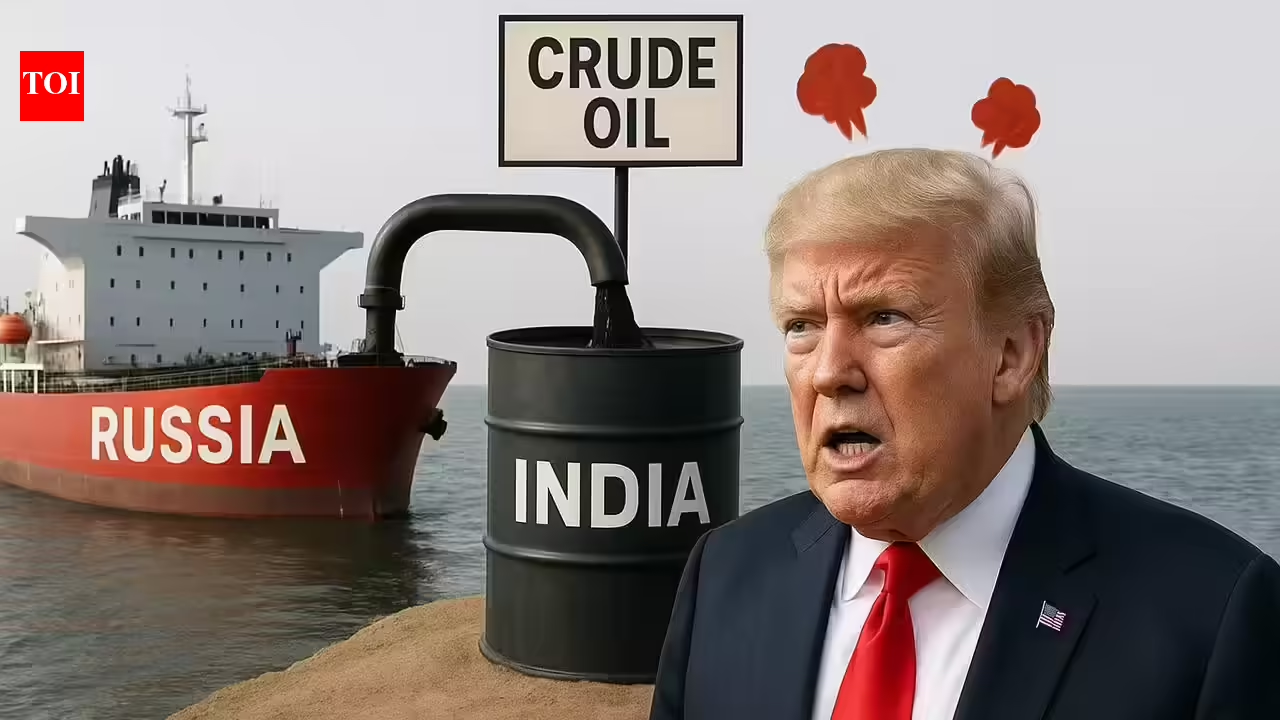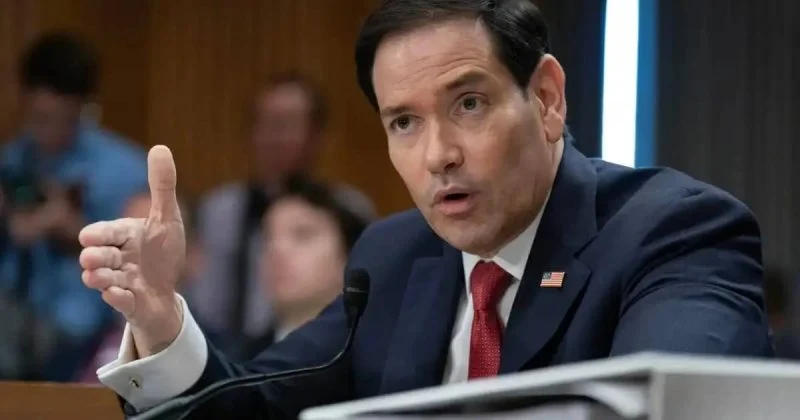
Secretary of State Marco Rubio told the Senate Foreign Relations Committee on June 2 that the Trump administration intends to terminate temporary waivers on Russian oil sanctions “as soon as we possibly can.” The announcement signals a return to aggressive enforcement against Russian energy revenues, even as global crude prices remain stubbornly elevated above $100 per barrel.
The current waiver expires on June 17, 2026. Whether it gets renewed one more time rests entirely with Treasury Secretary Scott Bessent.
How we got here
The waivers began in March 2026 as a direct response to supply disruptions caused by the Iran conflict and the closure of the Strait of Hormuz. With Iranian barrels effectively locked out of global markets and tanker routes compromised, the administration needed Russian oil flowing to prevent crude prices from spiraling even further, so Treasury temporarily relaxed enforcement, allowing certain transactions involving Russian crude to continue.
That emergency relief was extended twice, once in April and again in May, each time for 30 days. Rubio’s testimony made clear the strategic goal of squeezing Russia’s energy income hasn’t changed.