Press return to see results.
cmd / ctrl + k to open and close.
In retrospect, I should have taken advantage of the mistrial to make my way to Waco—though, of course, nothing remains of the New Mount Carmel Center today but its name in history. On April 19, 1993, a fifty-one-day standoff between the federal government and a Christian millennialist cult believed to have a stockpile of illegal weapons culminated in the seventy-six fiery deaths now known as the Waco massacre. Later, critics would say that the federal government had gone about things all wrong: that the investigation was “shoddy,” the raid by the Bureau of Alcohol, Tobacco, Firearms, and Explosives ill-advised, the entire operation a bureaucratic publicity stunt. DON’T TRUST THE GOVERNMENT, warns a poster at the memorial chapel that now stands at the site.
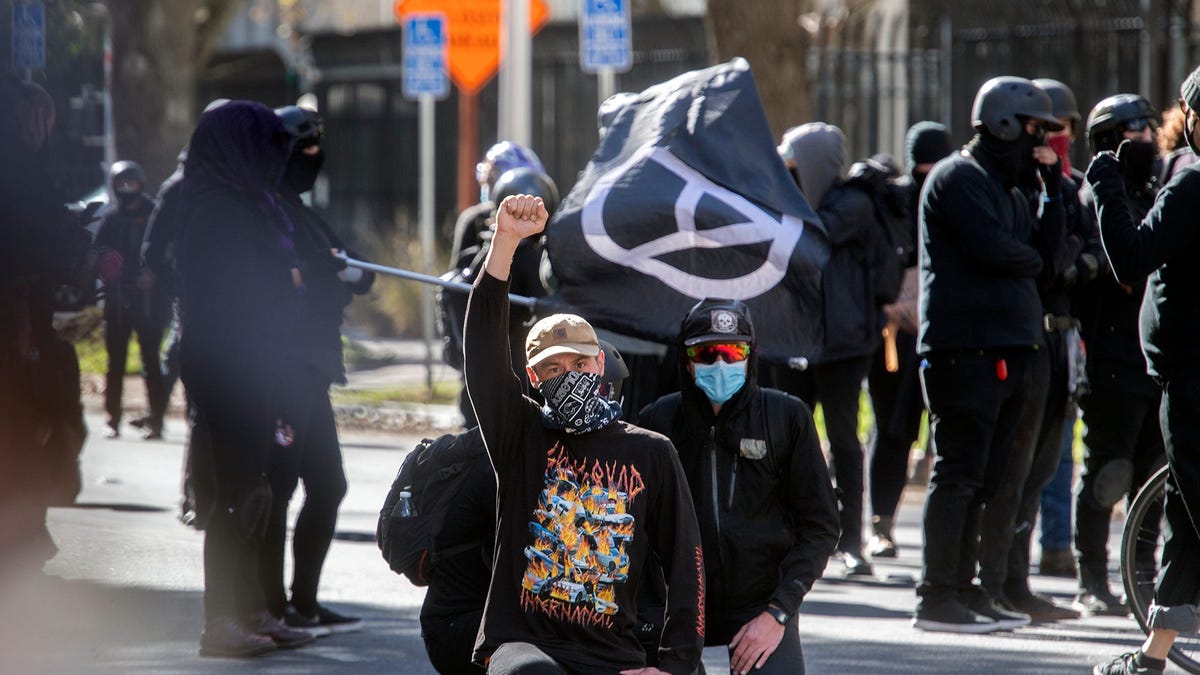
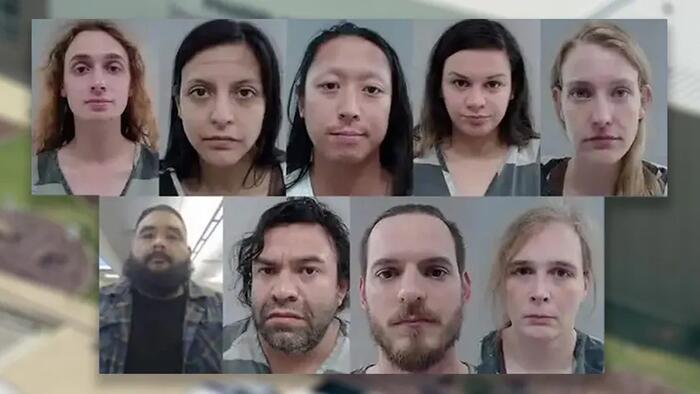
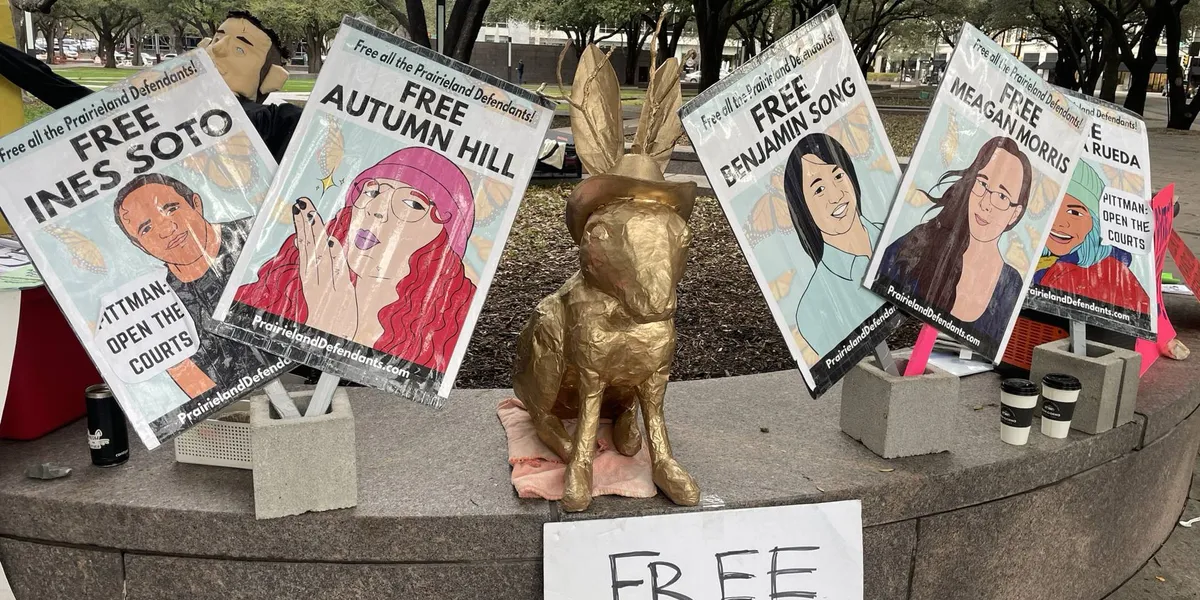
In some sense, the trial I flew to Texas to attend has everything to do with Waco. The government’s actions at Waco inspired a vengeful Timothy McVeigh to carry out the Oklahoma City bombing, which prompted the creation of federal “terrorism enhancements” extending the sentences for domestic crimes considered political in nature—and it is those sentence enhancements that the federal government now deftly wields to chill left-wing dissent. Terror charges are the scourge of contemporary activists, from the mink liberationists facing trial in Pennsylvania in May to the Stop Cop City music festivalgoers whose charges remain pending. And it was terrorism under consideration at the U.S. courthouse in Fort Worth, where nine defendants stood this winter accused of rioting, using weapons and explosives, providing material support to terrorists, and attempted murder at an Immigration and Customs Enforcement facility noise demonstration gone wrong last Fourth of July.