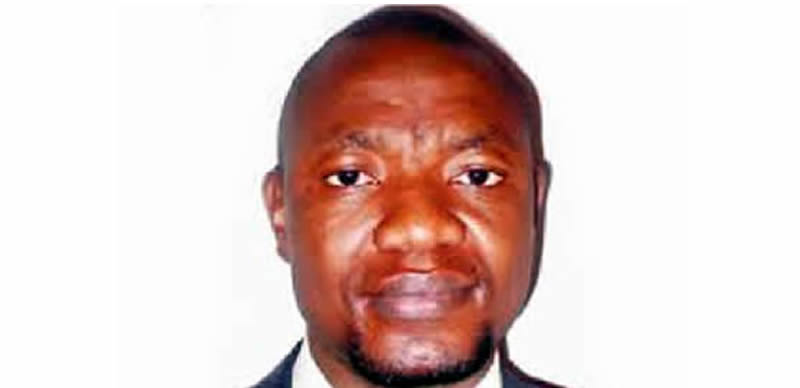
“The quality of [climate] governance will determine whether we succeed or fail in tackling the climate emergency. But the judicial system may become our weak link. We do not have strong lawyers representing Nigeria [in climate negotiations].” – Ewah Eleri, ICEED.
There was a time when climate change was considered the business of scientists, environmentalists and weather forecasters. Lawyers rarely featured in the conversation. But in today’s world, where climate commitments are written into laws, budgets, contracts, regulations and international agreements, the lawyer has become as important as the scientist. And, specifically in Nigeria, after Nigeria’s Climate Change Act was signed into law in November 2021, the climate action dynamics have changed. Indeed, climate change is now a legal emergency.
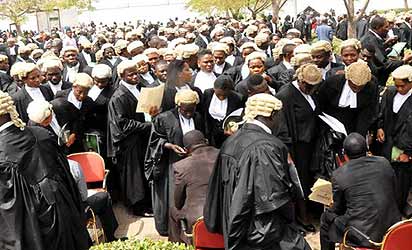
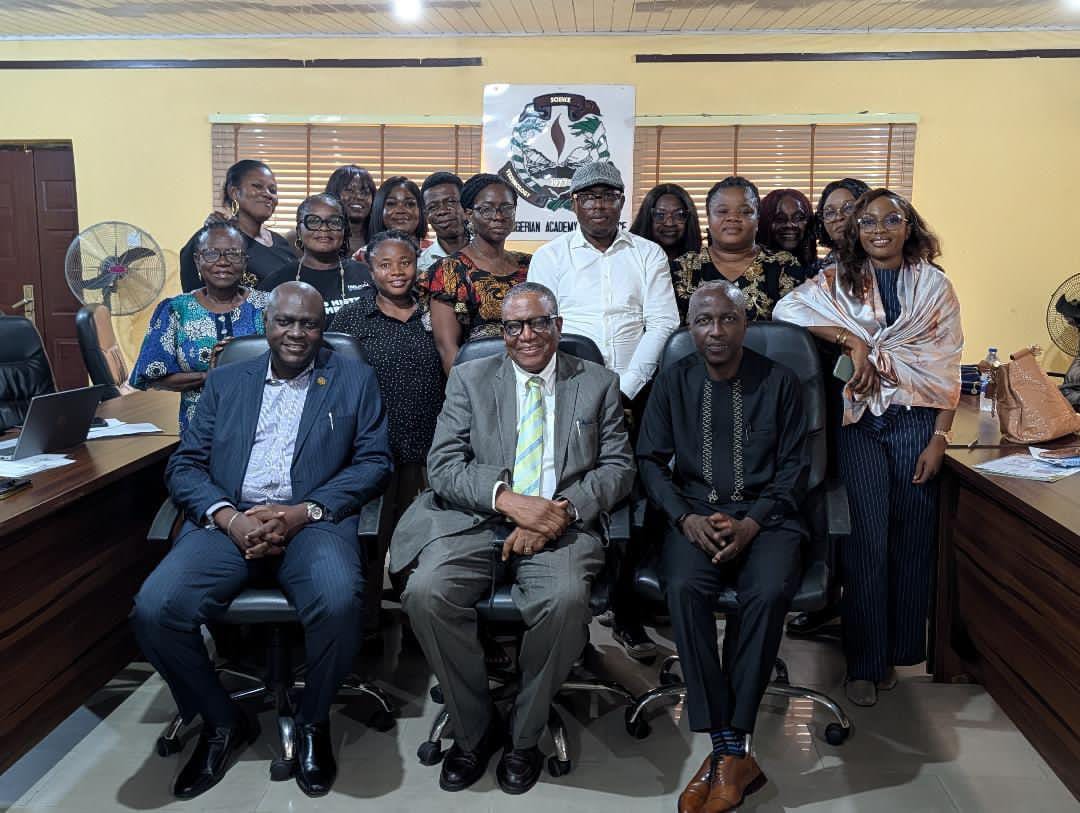
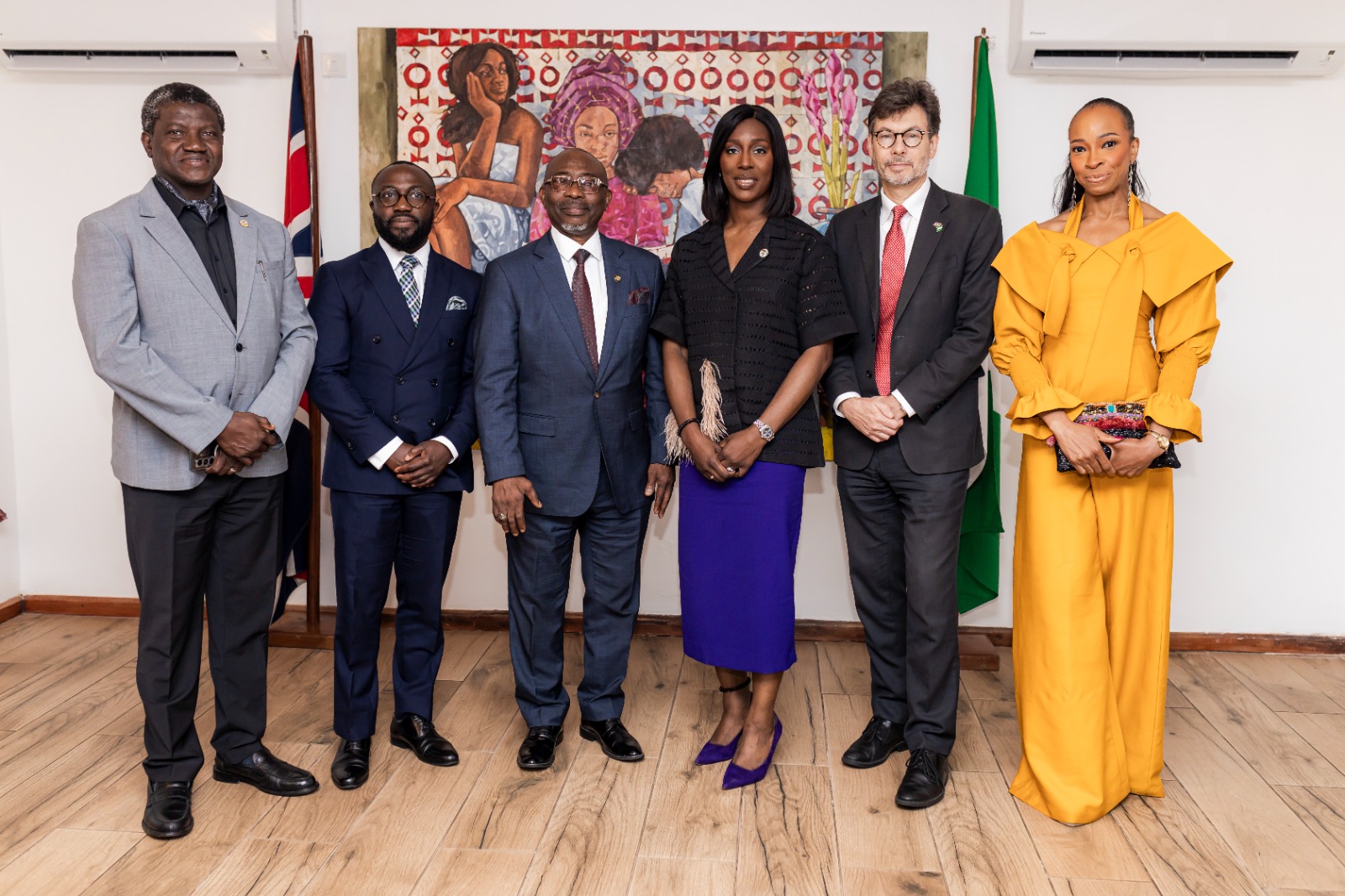
A fortnight ago, in Abuja, an unusual gathering took place. For five days, Nigerian lawyers sat together to deepen their understanding of the Climate Change Act and the intricate processes of international climate negotiations. The pre-UNFCCC Subsidiary Bodies workshop was organized by the International Centre for Energy, Environment and Development in partnership with the African Climate Foundation and the Nigerian Institute of Advanced Legal Studies, bringing together lawyers, legal academics, climate policy experts, negotiators, government representatives, and development partners to strengthen legal expertise in climate governance and enhance Nigeria’s effectiveness in international climate negotiations.