The Federal Reserve’s top banking regulator just told Congress something the crypto industry has been waiting years to hear: tokenized securities should get the same capital treatment as their traditional counterparts, and stablecoin issuers need a clear regulatory path forward.
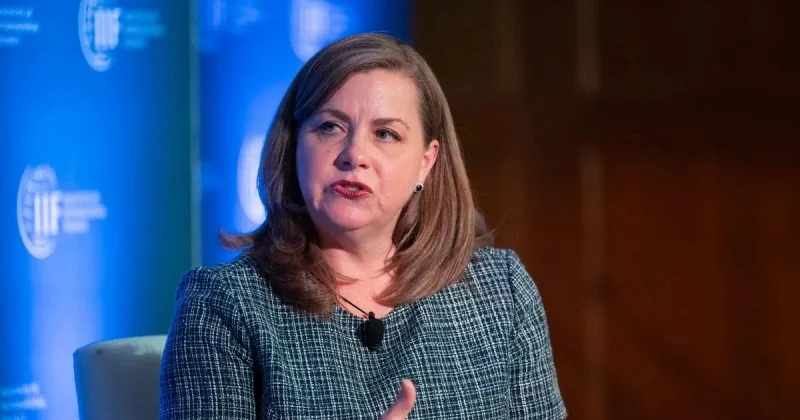
Vice Chair for Supervision Michelle Bowman delivered testimony before the House Financial Services Committee on June 4, covering everything from community bank relief to artificial intelligence. But the sections on digital assets carried the most weight for anyone watching the intersection of traditional finance and crypto.
What Bowman actually said about digital assets
Bowman’s core argument on tokenized securities is deceptively simple. If a Treasury bond gets tokenized and put on a blockchain, it’s still a Treasury bond. The capital requirements shouldn’t change just because the delivery mechanism did. In English: the Fed doesn’t want to penalize banks for using newer technology to hold the same underlying assets.
On stablecoins, Bowman signaled the Fed is actively developing a regulatory framework for stablecoin issuers as part of the broader GENIUS Act. The legislation has been working its way through Congress, and having the Fed explicitly say it’s building out the supervisory architecture gives the effort institutional credibility that previous stablecoin proposals lacked.