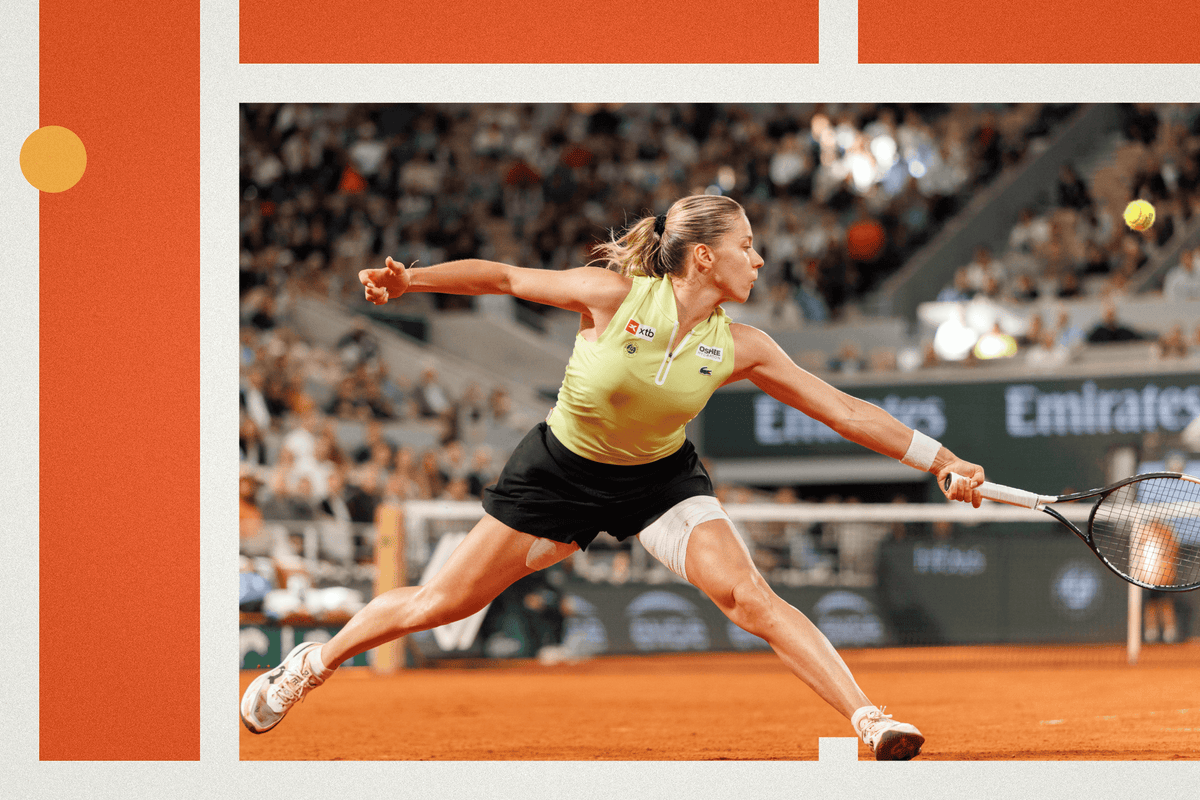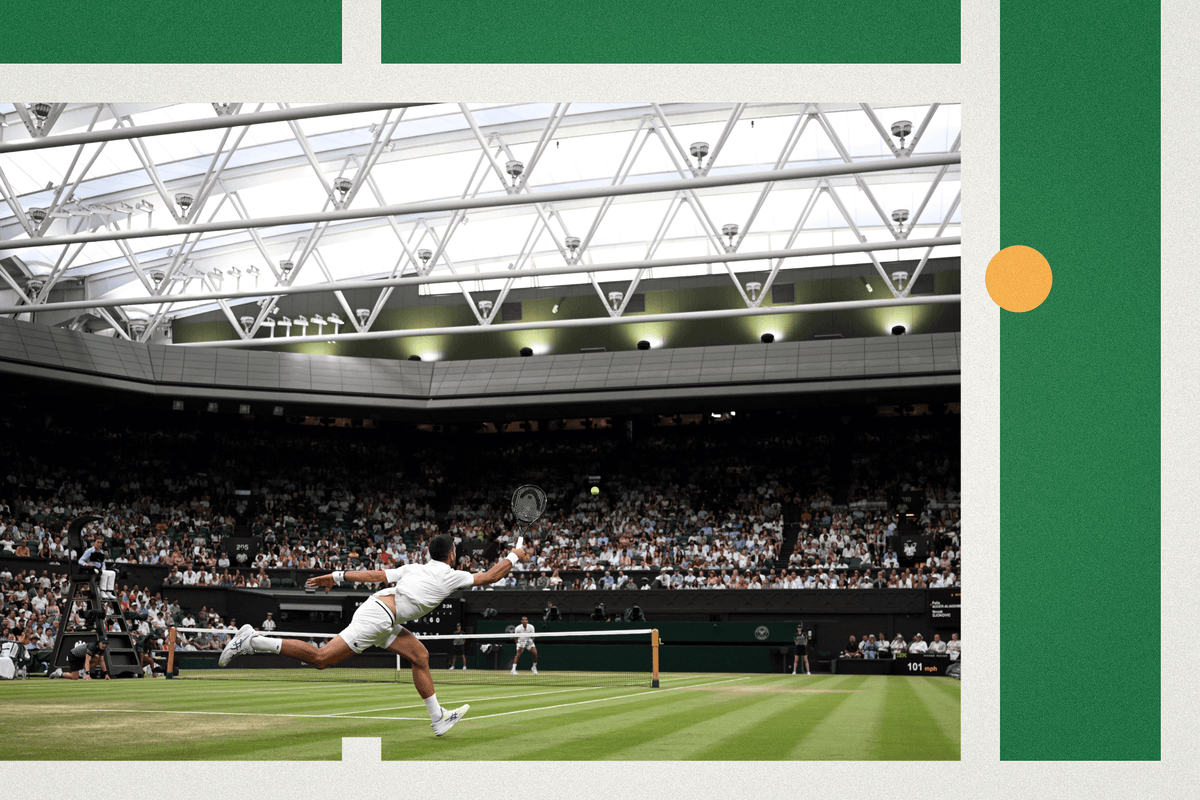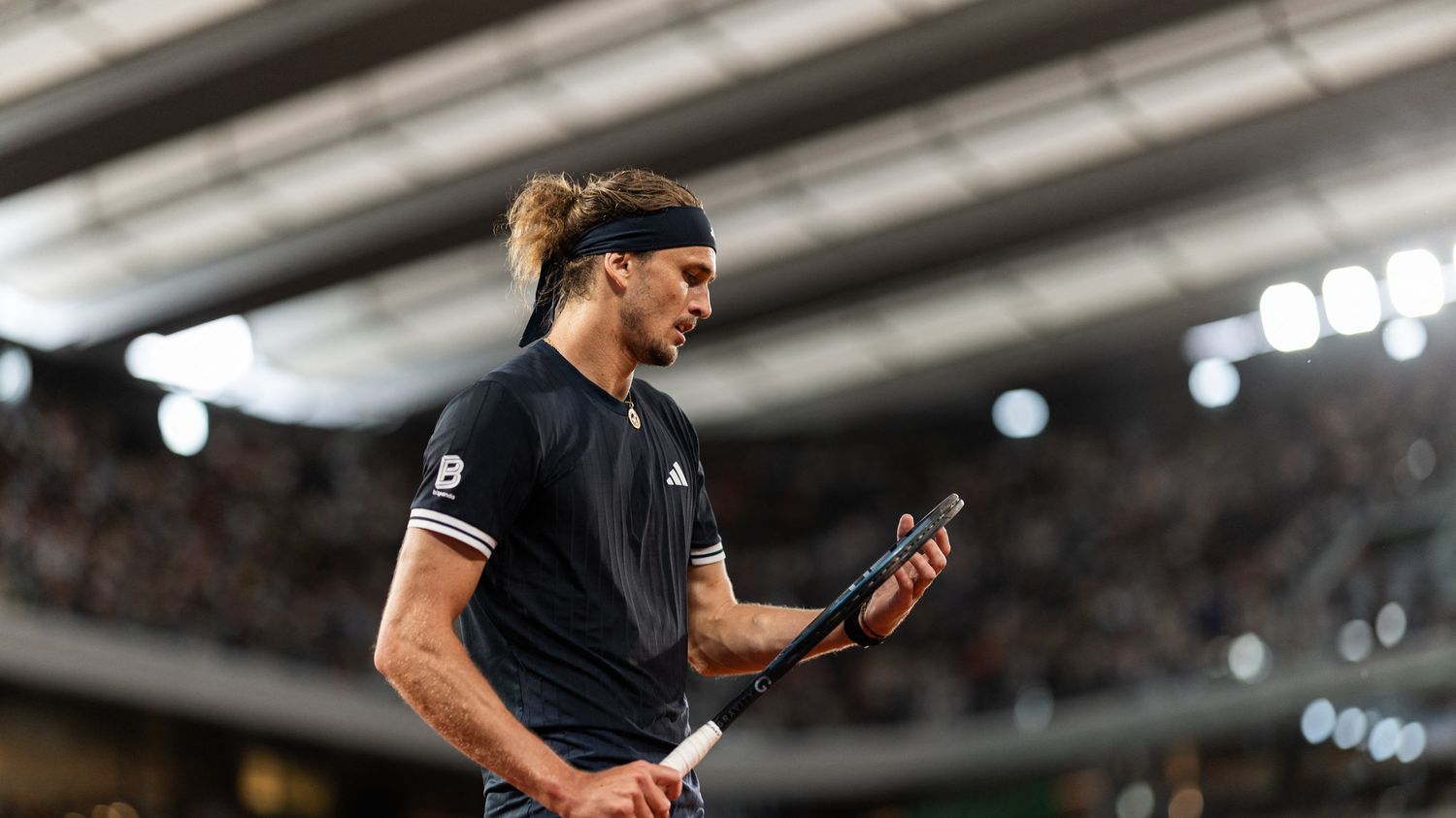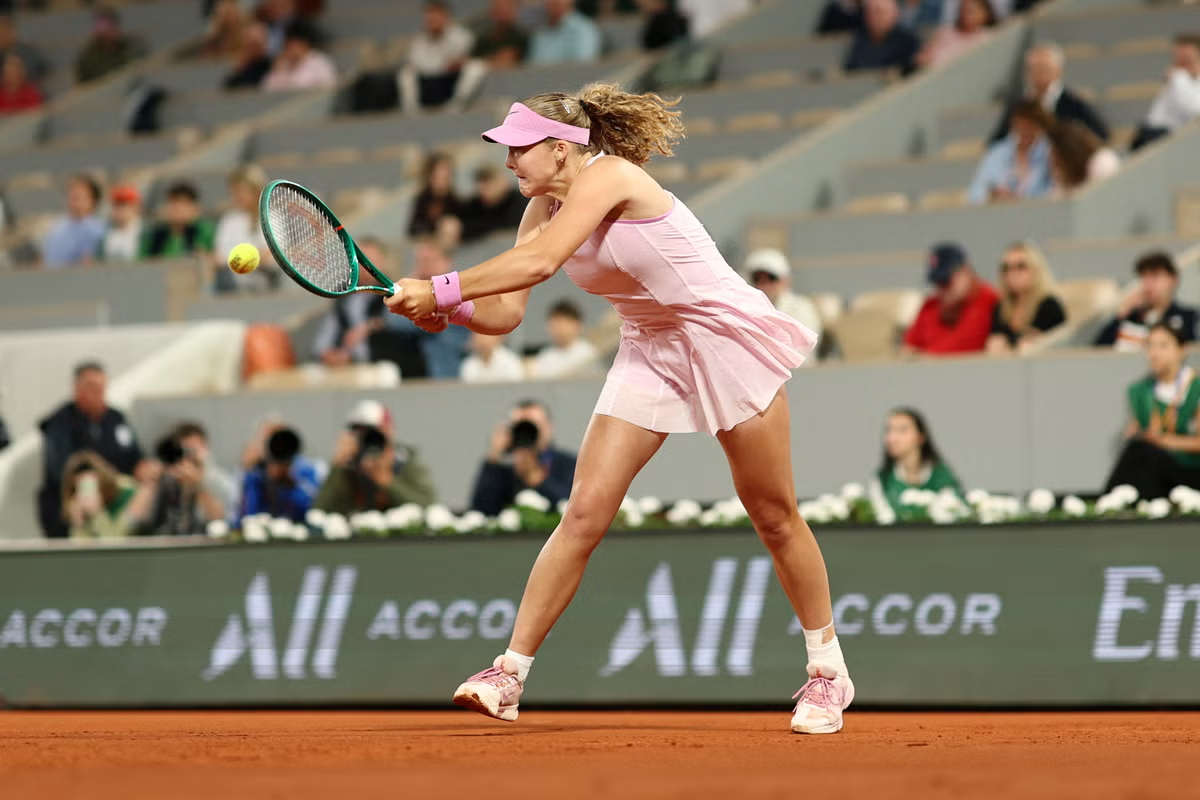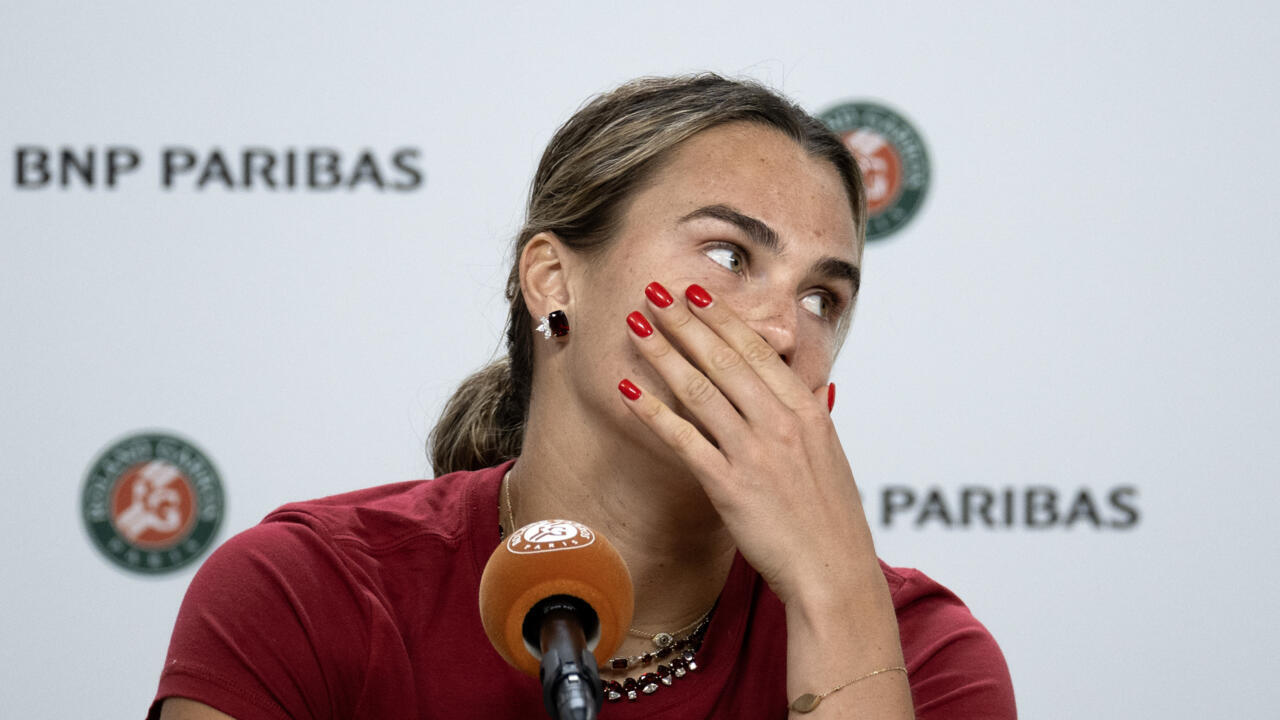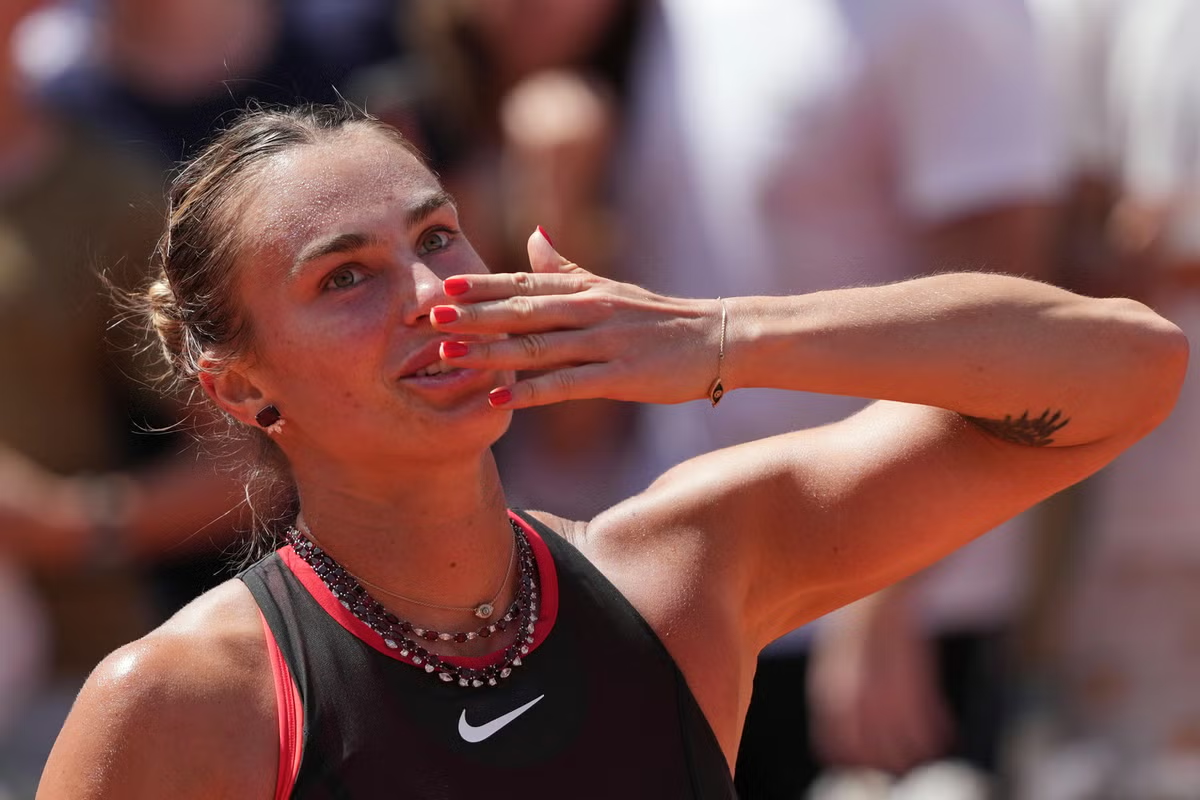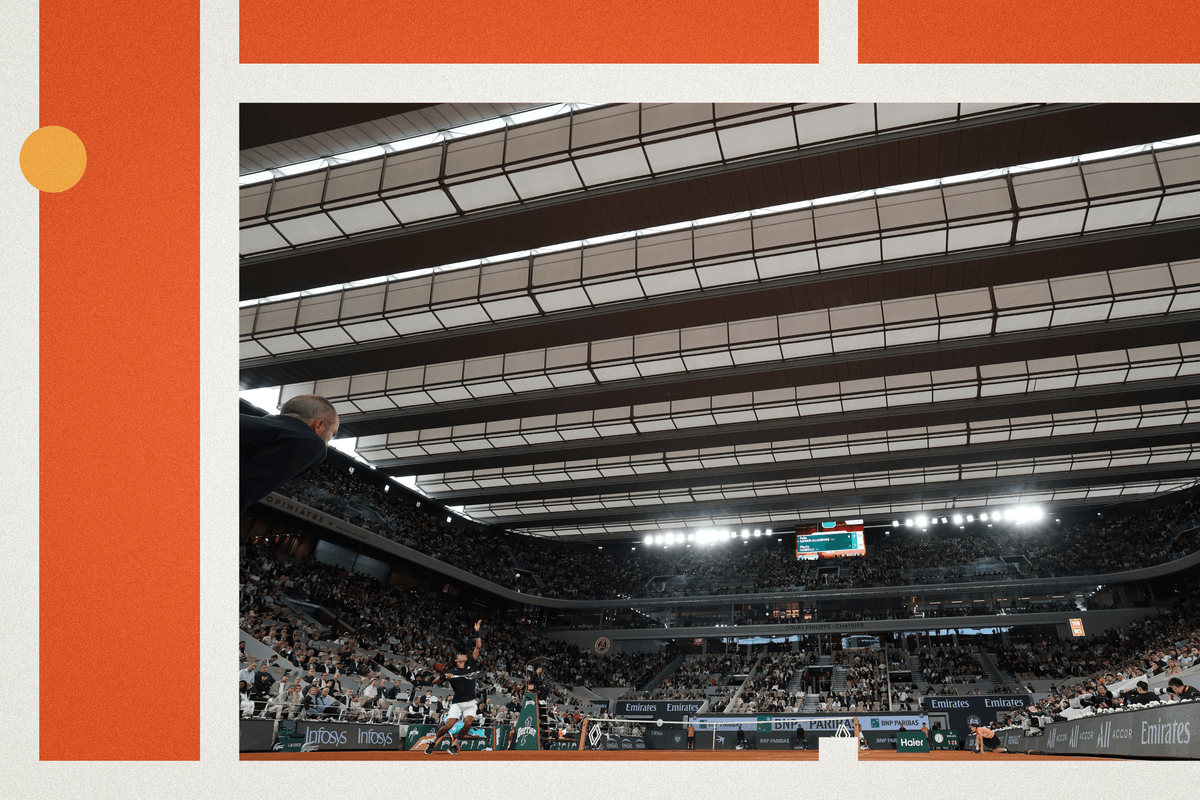
Follow The Athletic’s French Open coverageWelcome to the French Open briefing, where The Athletic will explain the stories behind the stories on each day of the tournament.On the second day of quarterfinals, the wind, rain and the roof took center stage, and the men’s matches brought tennis heartache for two.How did the wind at Roland Garros affect the second batch of quarterfinals?Aryna Sabalenka and Diana Shnaider shielded their eyes from the dusty clay whipping up into their faces on Court Philippe-Chatrier Wednesday afternoon.Shnaider, the world No.23, described the conditions as “very tough” in a news conference, the wind so strong she felt “there was no clay left,” which made it difficult to slide. The tennis became more unpredictable and, in both players’ words, “dirty,” as they tried to adapt to the blustery conditions.“I don’t know how people could actually just sit there and watch me play,” said Sabalenka in a news conference following her shock 3-6, 7-5, 6-0 defeat to the No. 25 seed, who had only beaten a top-10 player once before.The “big question” in the world No.1’s eyes? Why the roof was left open.“I don’t know why they would keep the roof open when it was crazy windy,” said Sabalenka, while Shnaider was also left “surprised” by the decision.Tournament organizers decided to close the roof after the first set of the subsequent men’s quarterfinal between Canada’s No. 4 seed, Félix Auger-Aliassime, and the Italian No. 10 seed Flavio Cobolli.Roland Garros rules state: “The mechanism to open or close the roofs only works in wind speeds less than 60km/h.“In the event that the weather forecast predicts strong gusts of wind or any other type of violent wind along with a strong chance of rain, the referee may order the roof to be closed before the start of a match as a precautionary measure.”In a news conference after his loss under the roof to Italy’s Flavio Cobolli, Félix Auger-Aliassime of Canada said that he was told that the possibility of rain was the reason for closing the roof. Sabalenka and Shnaider had to navigate its more capricious cousin.With the wind behind them, players have to be mindful of not overhitting and take the pace off the ball, whereas if the wind is against them, they have to add more pace so their shots do not hang in the air. At either end, players need to be quick to react to any sudden changes of direction, as even tiny changes in trajectory can completely mess with their timing. The player receiving a ball with wind behind it needs to react quicker; if it’s slowing a ball down, their footwork needs to take them to it.And wind in a tennis stadium does not flow linearly: it whorls and swirls around the shape of the complex. A beneficial gust one moment can be a disastrous one the next.Aryna Sabalenka found timing her shots difficult in blustery conditions. (Matthew Stockman / Getty Images)Sabalenka, 28, at first seemed to cope well with the elements, showing signs of mild annoyance at 5-3 in the first set. But as the match progressed she took longer between serves, waiting for the wind to die down so it would not affect her ball toss. Fellow quarterfinalist and No. 22 seed Anna Kalinskaya, who lost 7-6(3), 6-3 to qualifier Maja Chwalińska, also said in her news conference she struggled with her toss and serve.Sabalenka said she did not feel the need to ask for the roof to be closed.
French Open quarterfinal recap: How tennis in the wind and under a roof changes a match
The retractable canopy on Court Philippe-Chatrier became a main character on a gusty, damp day at Roland Garros.
1,691 words~8 min read