Show Caption
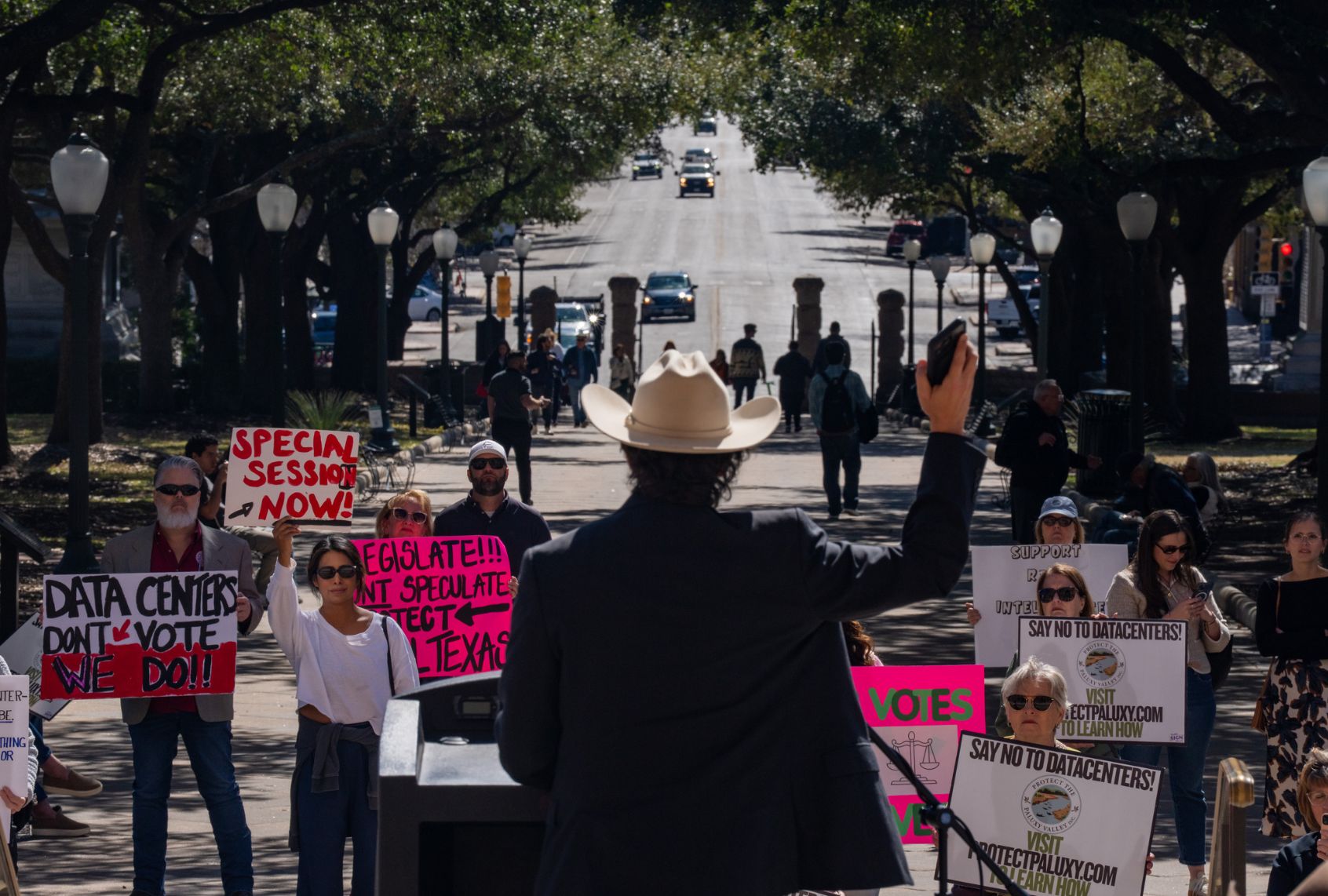
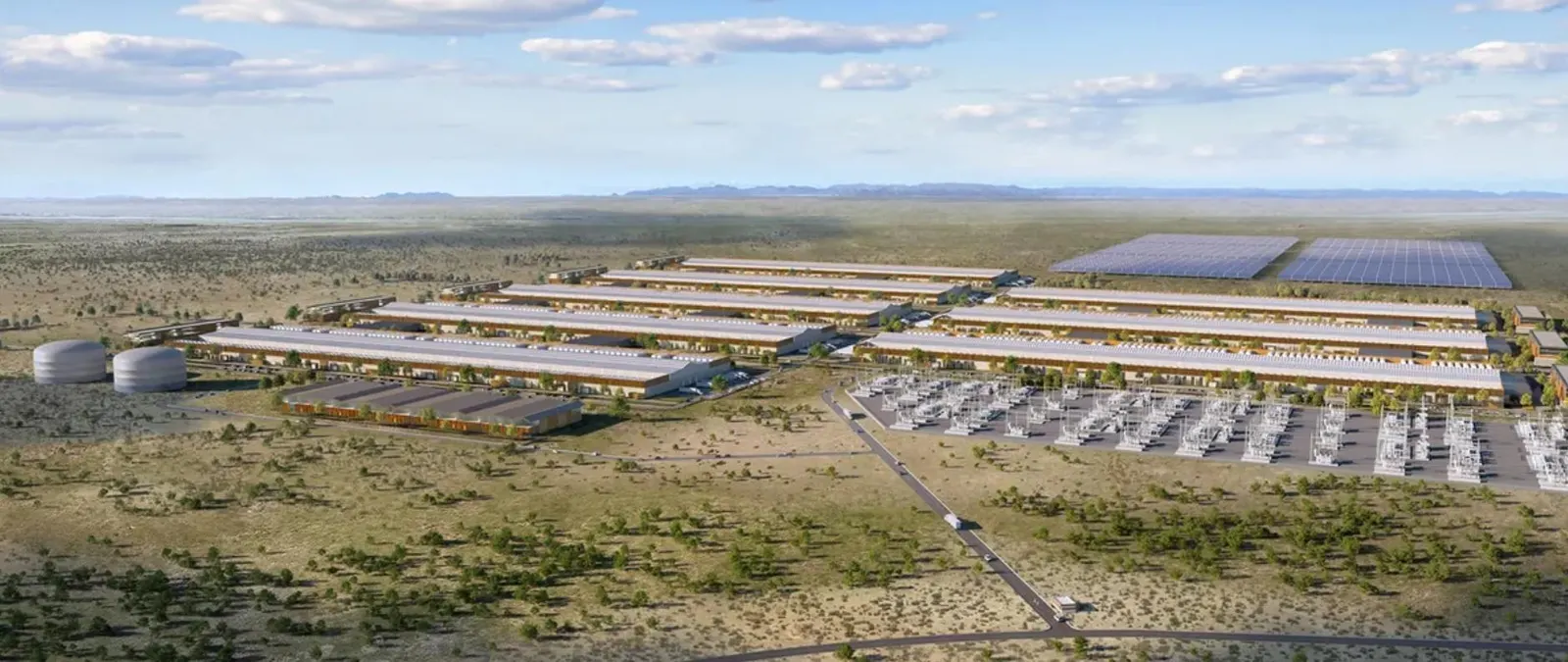
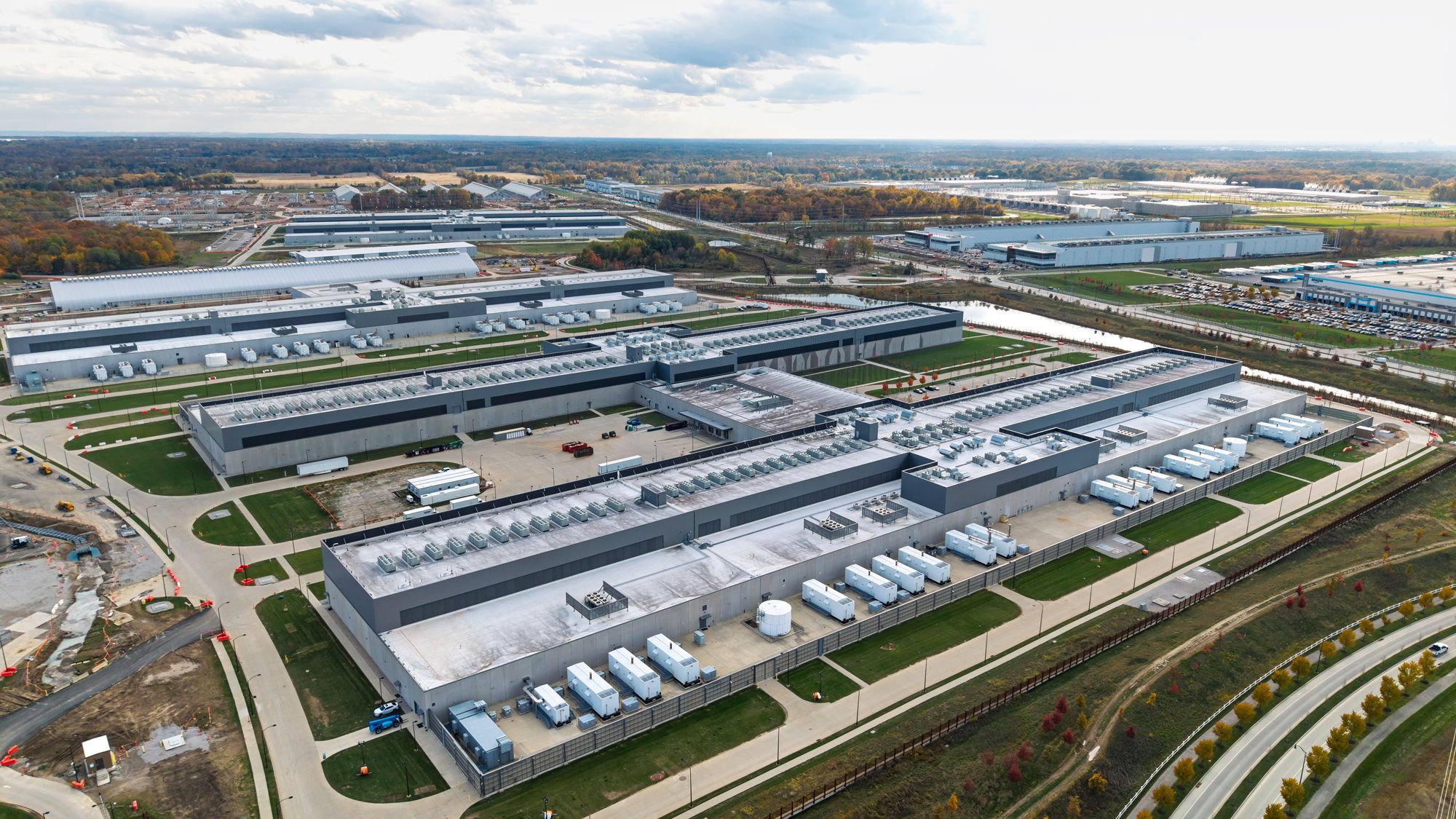
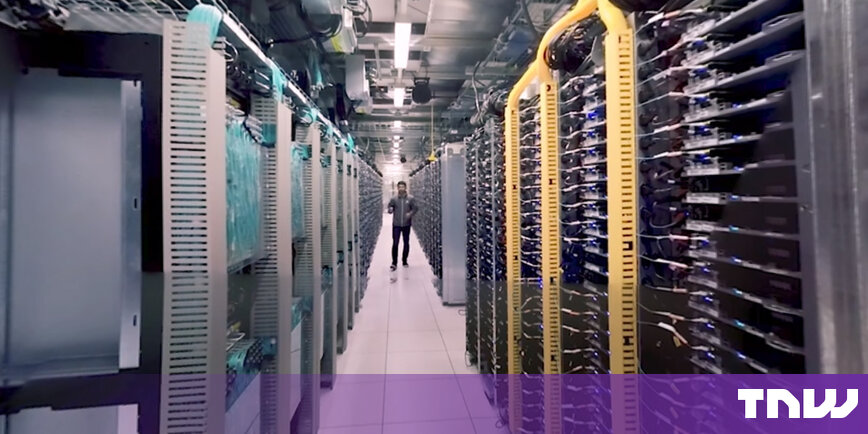
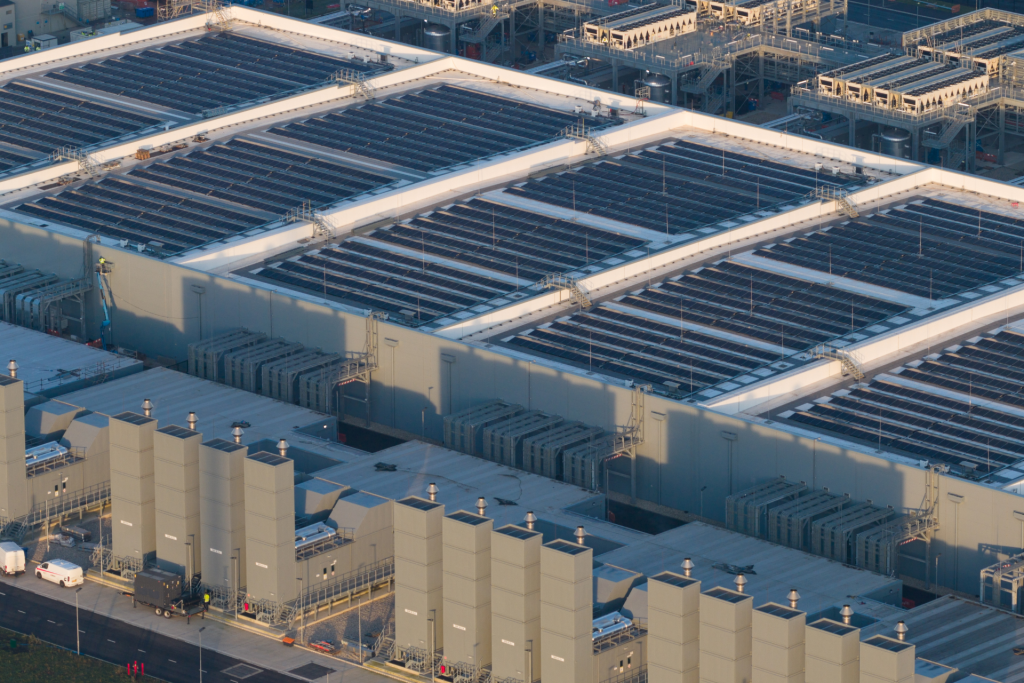
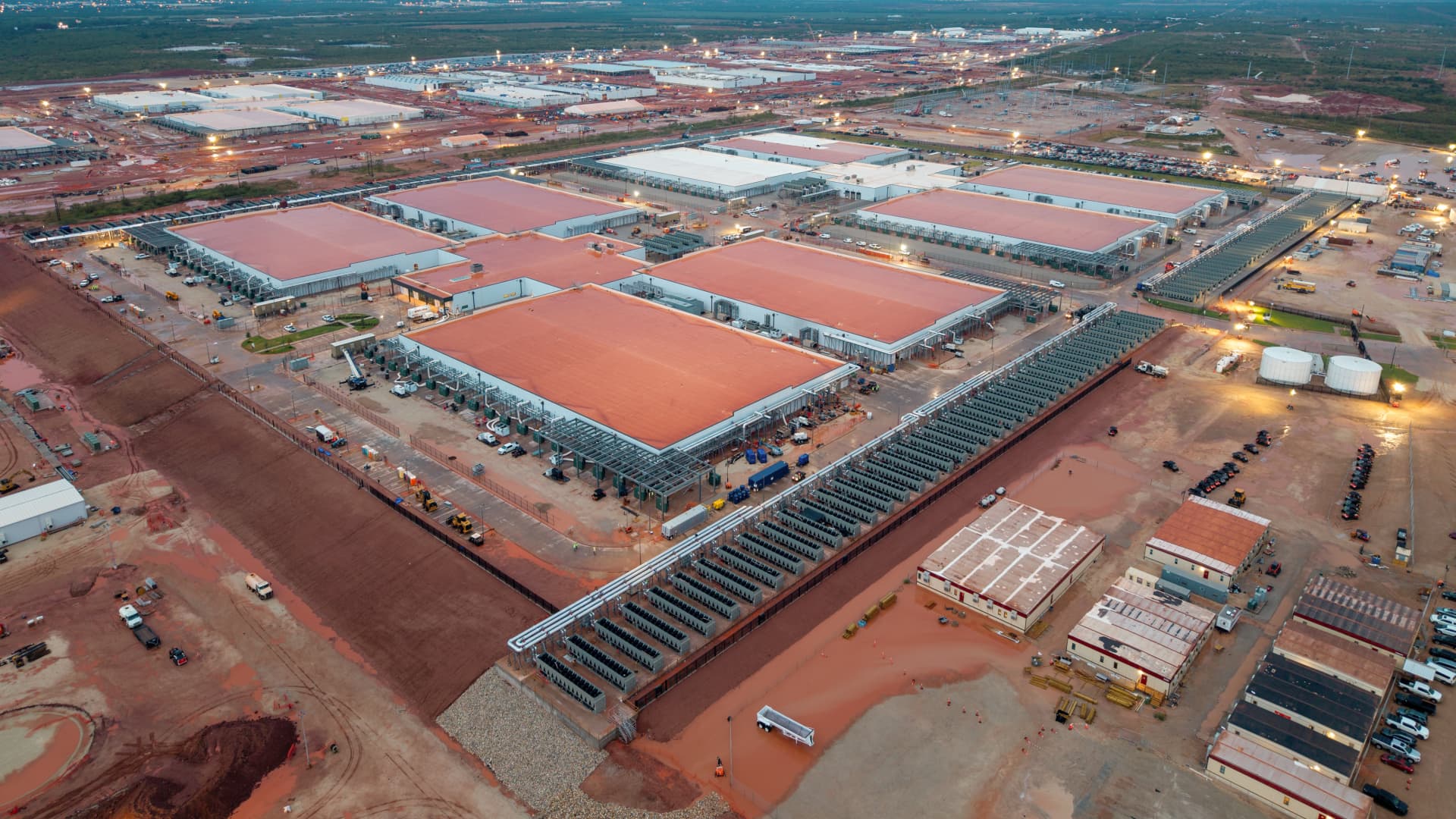
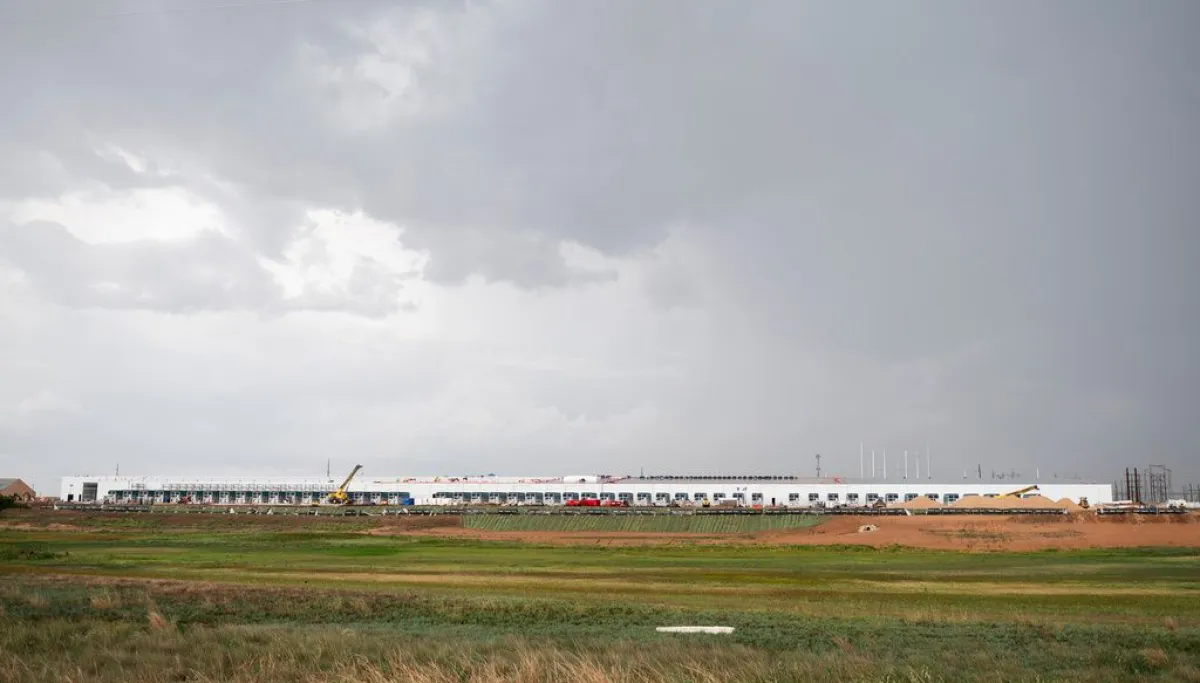
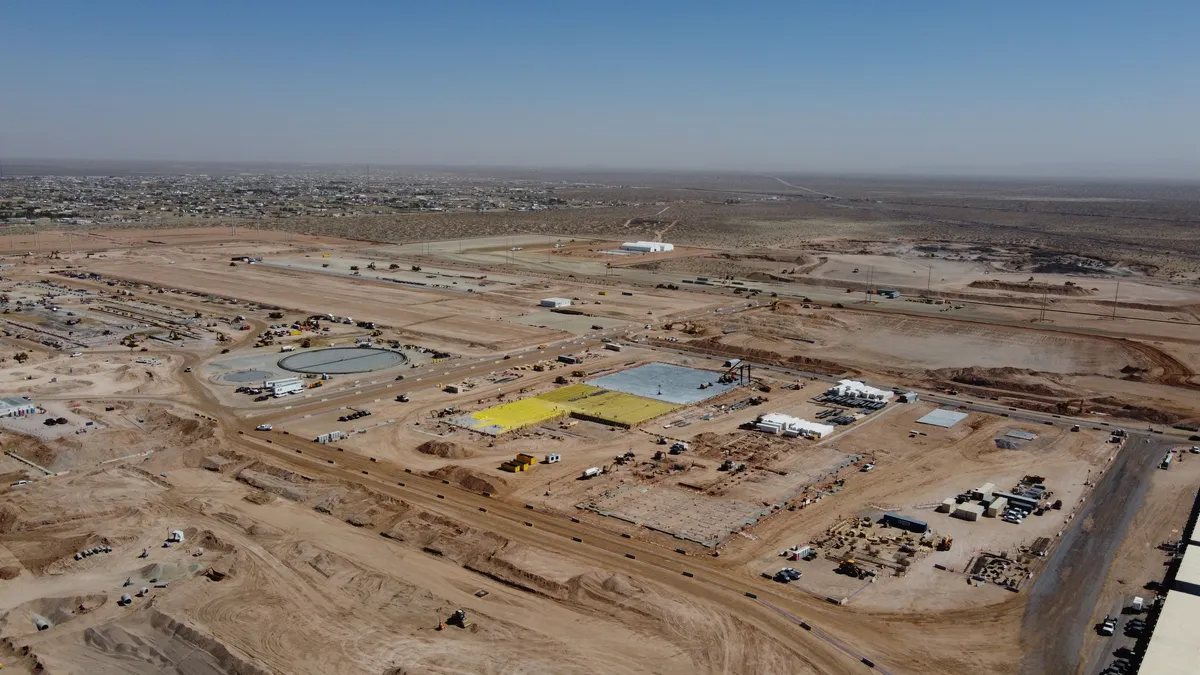
While some states consider banning data centers, Texas is attracting a surge of new projects.Concerns in other states focus on the high electricity and water usage of data centers.Texas is appealing to developers due to its available land, regulatory environment, and independent power grid.The growing demand for AI, cloud computing, and digital services is driving the construction of these facilities.Regulators are debating whether the new data centers will strain the Texas power grid and affect electricity costs.As Maine and other states consider bans and moratoriums on large data centers, Texas is moving in the opposite direction.Most are tied to the ERCOT interconnection queue, though major projects are also planned in non-ERCOT regions such as El Paso.The surge is being driven largely by growing demand for artificial intelligence, cloud computing and digital services.Here's what they are.Why are some states trying to ban data centers?Concerns over energy use, water demand and local impacts are driving some states and cities to reconsider how quickly data centers expand.The concerns generally center on three issues:Electricity demand: Large AI data centers can consume as much power as a small city.Water use: Many facilities require significant amounts of water for cooling.Local impacts: Residents have raised concerns about noise, land use and increased infrastructure demands."Large data centers can consume up to 5 million gallons per day, equivalent to the water use of a town populated by 10,000 to 50,000 people," according to the Environmental and Energy Study Institute.Maine became one of the first states to advance a statewide moratorium on large data centers this year after lawmakers raised concerns about energy use, electricity costs and environmental impacts. The proposal would have paused approvals for large facilities while the state studied their effects on the power grid and local communities, but the measure ultimately was vetoed by Gov. Janet Mills.Lawmakers in New York are also considering a temporary pause on new AI-focused data centers while the state studies energy and environmental impacts. Similar proposals have surfaced elsewhere as communities push back against rapidly growing facilities.Texas has taken a different approach overall, moving ahead with a surge of proposed development. But questions are beginning to surface at the local level, and some cities and officials are starting to push for more oversight.In El Paso, city officials have released a draft Data Center Policy Framework to establish stronger standards for large facilities that wreak havoc on the environment and surrounding communities.What is a data center?A data center is a building filled with servers that store, process and transmit digital information.Every time someone streams a movie, uses cloud storage, makes an online purchase, searches the internet or interacts with an AI chatbot, information is typically processed in a data center somewhere. Modern AI systems require enormous computing power, which has triggered a race among technology companies to build larger facilities capable of training and operating advanced AI models."Previously, these types of computing resources were dispersed across businesses, which was far less efficient and secure," the Data Center Coalition website says."In 2010, nearly 80 percent of data center computing was done in smaller traditional computer centers, largely owned and operated by non-technology companies. By 2018, approximately 89 percent of data center computing took place in larger cloud data centers."Companies including major cloud providers, AI firms and social media platforms rely on data centers to operate their services.How many data centers are there in the United States?There are more than 4,300 data centers across the United States, according to the global data center directory Data Center Map.What state has the most data centers?Deemed the "data center capital of the world," Virginia is home to the most data centers in the United States, with more than 600 in operation, according to Data Center Map. Texas follows, with more than 460.Why is Texas attracting so many data centers?Texas offers several advantages that make it attractive to developers.The state has abundant land, a business-friendly regulatory environment and access to large amounts of electricity. Texas also operates its own electric grid, allowing projects to move through a different approval process than in many other states.The state has become a major destination for technology companies, particularly around Dallas-Fort Worth, Austin, San Antonio and Houston.Demand has accelerated so quickly that ERCOT, the operator of most of Texas' power grid, recently approved tougher requirements for data centers seeking to connect to the system. Officials said the changes were needed because of the sheer volume of proposed projects.Where are Texas data centers being built?Most existing and proposed projects are clustered around major metropolitan areas where fiber-optic networks, power infrastructure and workforce needs can be met.The largest concentrations are found in:Dallas-Fort WorthAustinSan AntonioHoustonEl PasoThe High Plains have also emerged as a potential target because of their proximity to large amounts of wind and solar generation. Now, developers are increasingly looking at rural areas where land is cheaper and power infrastructure can be expanded more easily.Could data centers affect Texas electricity bills?That remains one of the biggest questions facing state regulators.Supporters argue data centers bring jobs, tax revenue and investment while helping Texas remain a technology leader. Critics worry the facilities could place additional strain on the electric grid and potentially increase costs if infrastructure upgrades are needed to serve new demand.ERCOT has warned that electricity demand in Texas is expected to grow dramatically over the coming decade, with data centers among the largest drivers of that growth. State officials are now developing new rules intended to ensure projects are viable before major grid upgrades are approved.Brandi D. Addison covers weather across the United States as the Weather Connect Reporter for the USA TODAY Network. She can be reached at baddison@gannett.com. Find her on Facebook here.