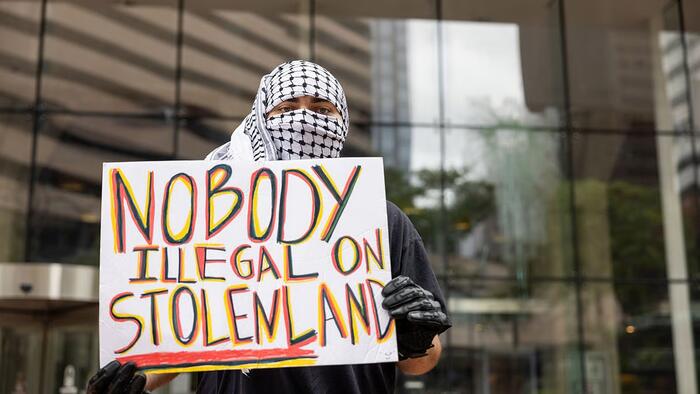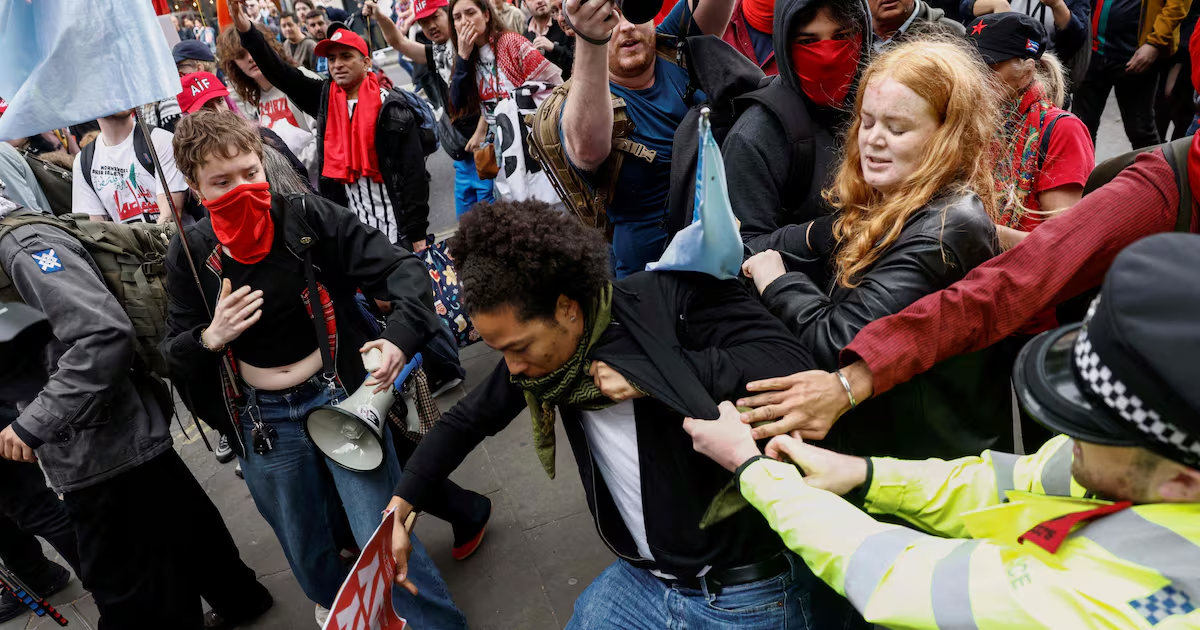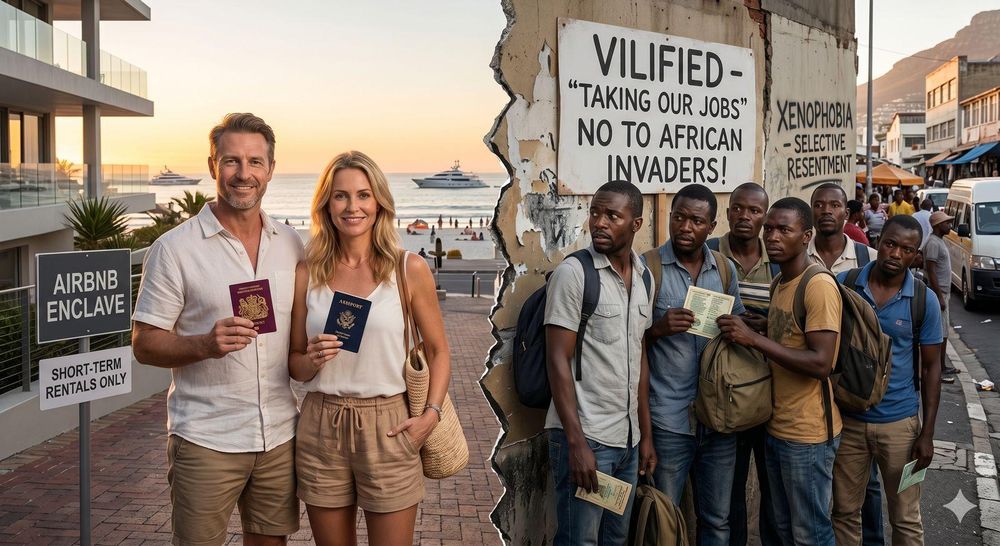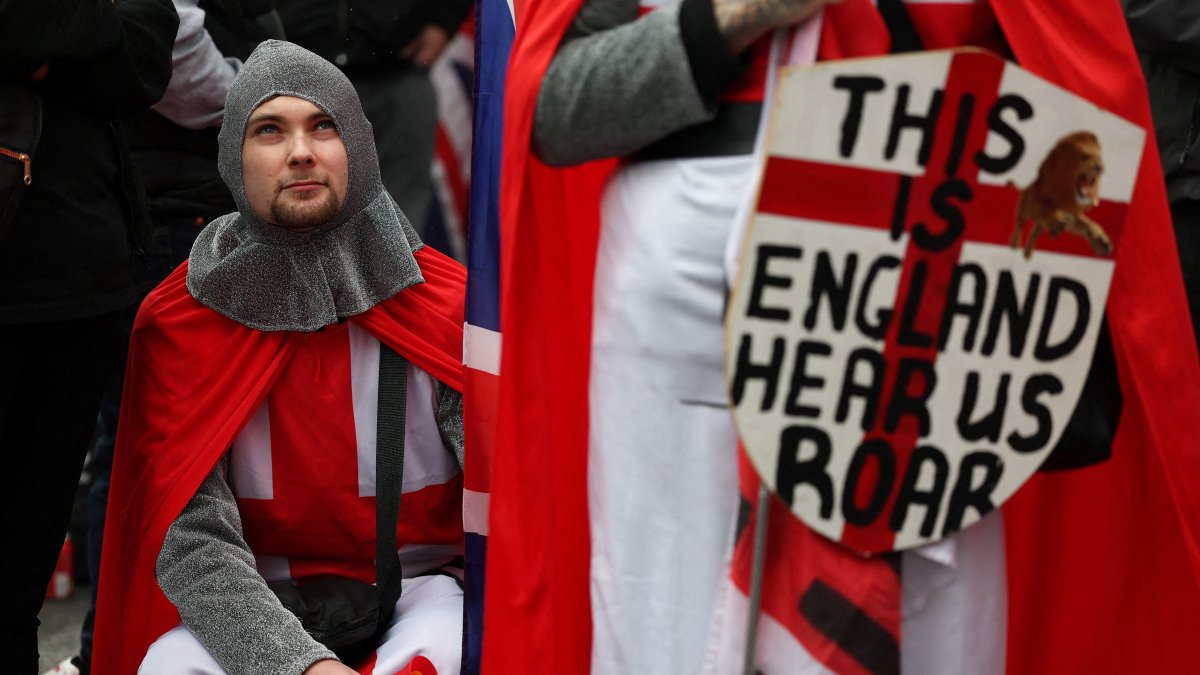
The exclusionary, hierarchical and hegemonic political discourses that are becoming increasingly visible in today’s Western world may, at first glance, appear to be the product of current political developments, but they are in fact rooted in a deep historical background. In particular, the reproduction of discourses that define the “other” as a threat, a risk or an element to be excluded across different political contexts indicates that this approach has become a persistent mindset.
Indeed, this language, which is increasingly becoming normalized in Western politics today, points to the continuity of a mindset that defines the “other” as a threat and legitimizes its exclusion.
This situation necessitates examining these discourses not only as current political reflexes but also as contemporary manifestations of historically constructed intellectual patterns. Precisely for this reason, this article aims to trace the historical and theological roots of the exclusionary discourses emerging in the Western Christian world, thereby demonstrating that the language encountered today is not accidental but the product of a long-term continuity.
Christians as the 'other'
In its early period, Christianity occupied the position of the “other” within the Roman Empire. Within the polytheistic religious order, Christians were a community that did not participate in the imperial cult and was therefore viewed as politically unreliable. The environment of intense persecution and oppression that intensified in the second century led to the shaping of Christian identity largely around experiences of exclusion, martyrdom and resistance. Furthermore, the physical persecution and oppression they endured caused wavering in the faith of those who had embraced Christianity, and this situation resulted in some returning to pagan beliefs.