Data privacy legislation put forward by House Republicans is friendly to businesses, Republicans and Democrats agree; whether or not that’s a good thing depends on which side of the aisle members sit on.
Republicans say the legislation would provide clarity for businesses and uniform protections for consumers around the country. Democrats say the bill would lessen protections for those in states with stronger privacy laws and put the burden of managing data privacy on individuals rather than companies.
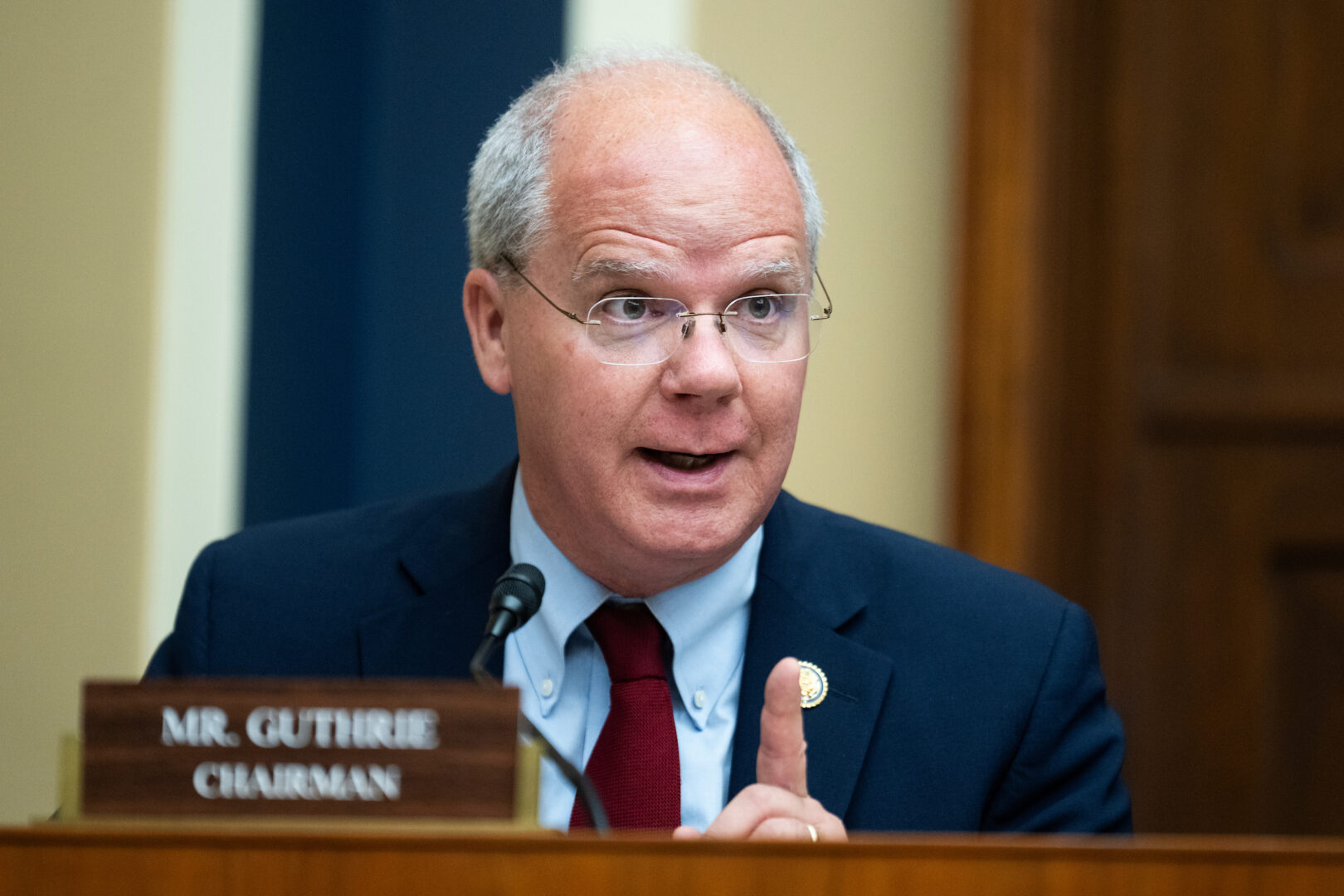
Those views were on display at a House Energy and Commerce Subcommittee on Commerce, Manufacturing and Trade hearing Wednesday. The bill, sponsored by Rep. John Joyce, R-Pa., would create consumer rights to delete personal data and opt out of targeted ads online, as well as to correct inaccuracies in collected data, opt out of the data’s sale and opt out of the use of data profiling to make decisions with a legal effect.
Even with GOP backing, the bill still faced concerns from Republican lawmakers, who probed the bill’s opt-out structure and what consent would look like for the collection of sensitive data.
The bill would also require data collectors to notify users of the categories of data being collected, the purposes it’s used for, what category of data is shared and with what category of third party and how consumers can exercise their rights under the bill. It would also require companies to minimize their data collection to what is “adequate, relevant, and reasonably necessary” for the purposes they’ve disclosed to users.