Rich Martello / Unsplash
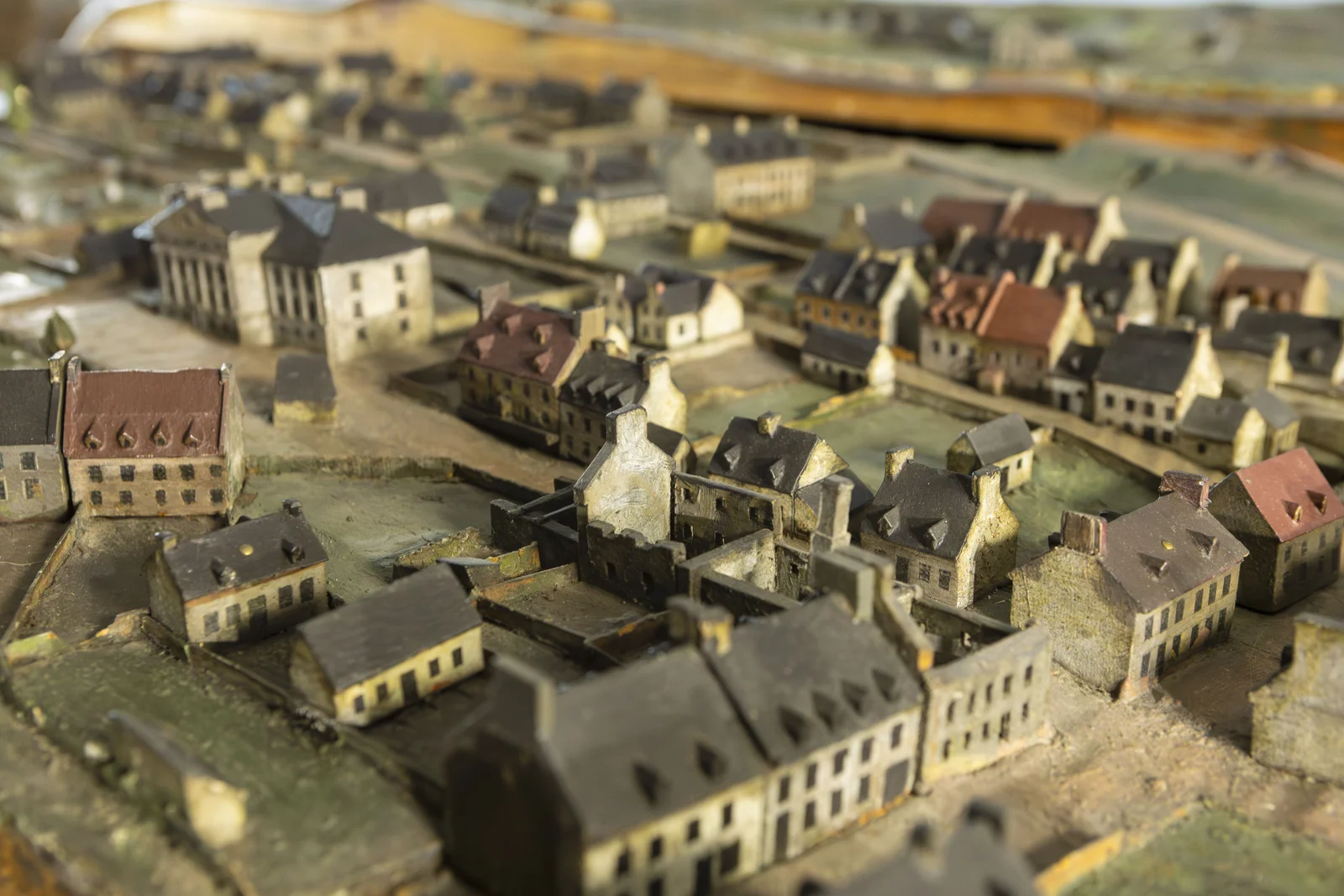
Quebec City occupies a particular place in North American travel that no other destination quite replicates. Founded in 1608 by the French explorer Samuel de Champlain, it is one of the oldest European settlements on the continent, and its historic core remains intact in a way that most cities of comparable age have not. The cobblestoned streets of Old Quebec, the fortified walls that still encircle the upper town, and the grand hotel that has perched on the clifftop above the St. Lawrence River since the 19th century give the city a physical continuity with its past that visitors from newer cities find immediately striking. Quebec City feels, in the best possible sense, like somewhere that has been around for a very long time.
The city serves as a destination year-round in a way few Canadian cities do. Summer brings festivals, outdoor dining, and a pace of street life on terraces and in parks that the long winters make residents deeply appreciate. Winter delivers the Quebec Winter Carnival, ice hotels, toboggan runs, and a snow-covered historic district that looks precisely as a French-Canadian city in January should look. Fall foliage turns the surrounding national parks and the vineyard island just downstream into sights worth traveling specifically to see. There is no bad time to go, only different versions of the experience.