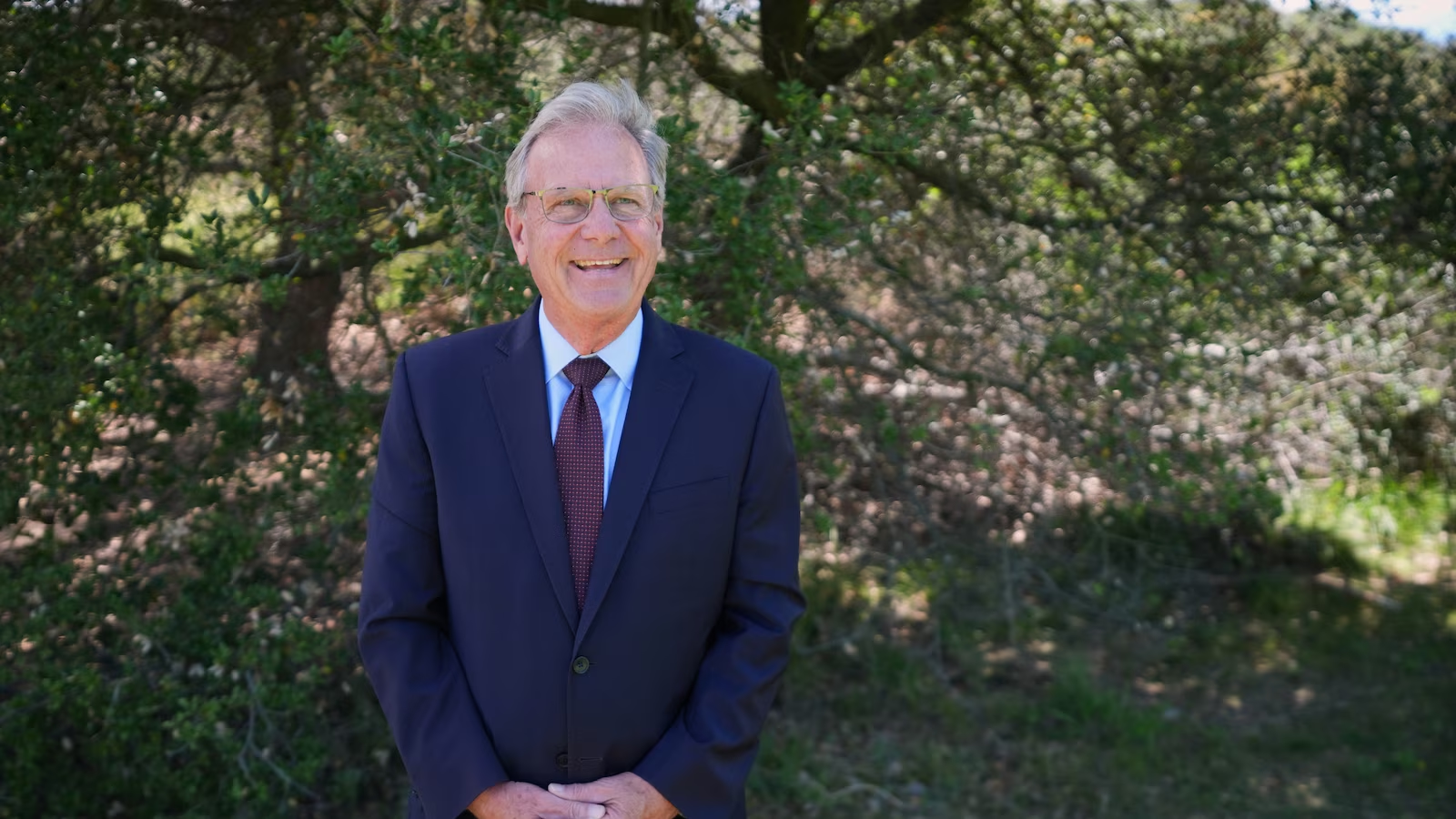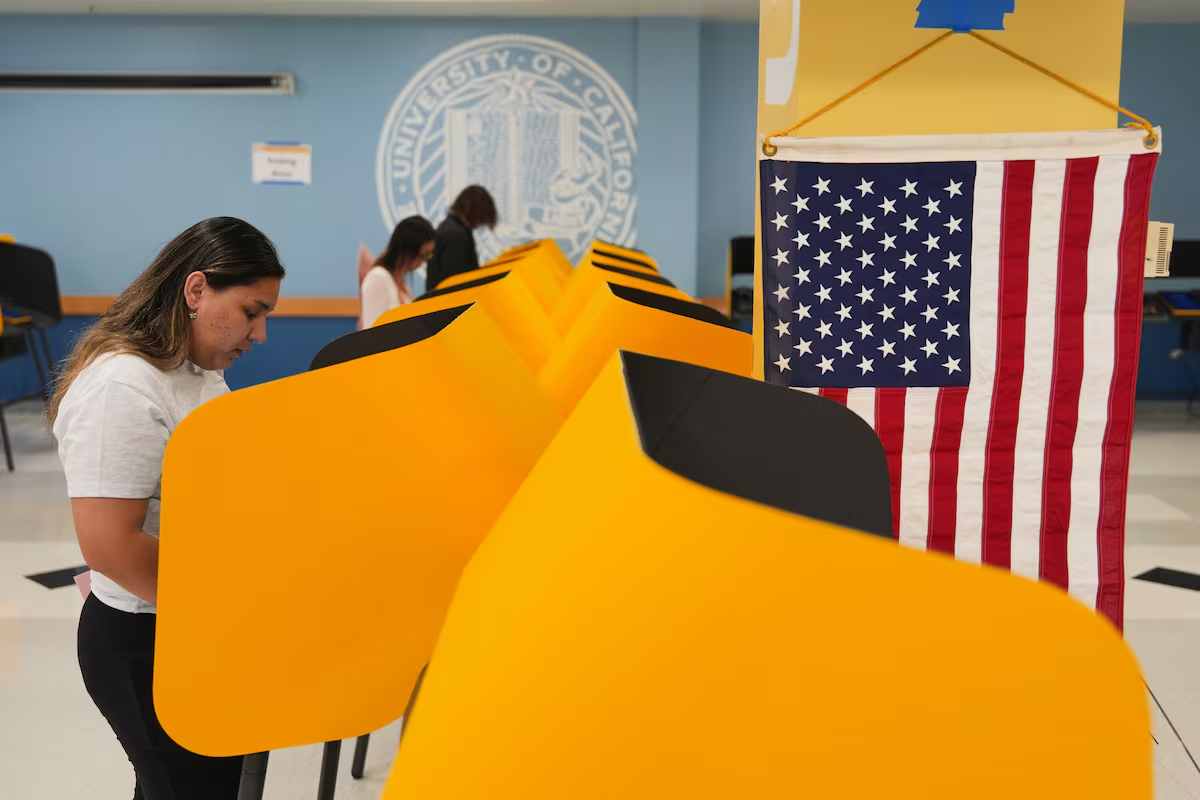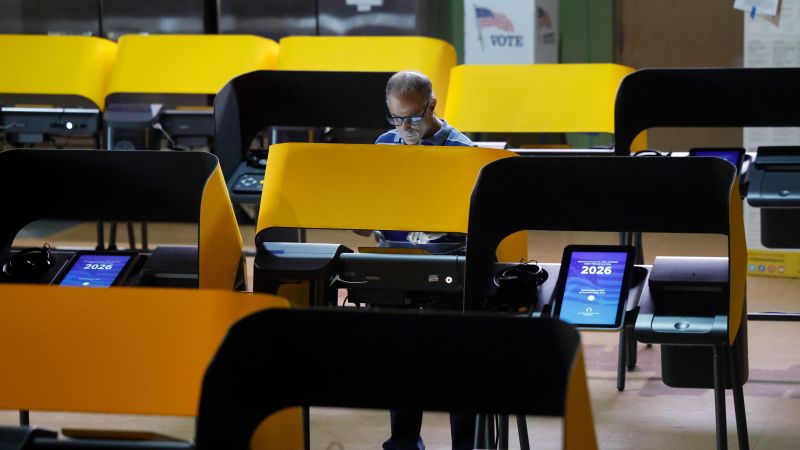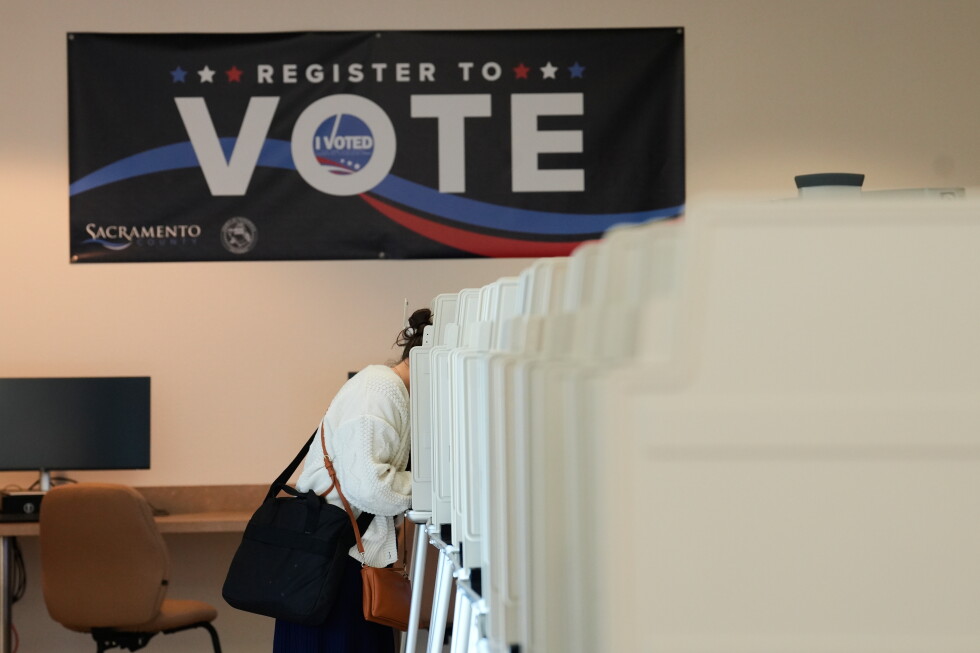
Michael Stansfield, a 50-year-old tech support worker, decided to run as a Republican in his congressional district in the suburbs of California’s capital to make a statement about the need for peace in the Middle East.The ex-seminary student and father of two took out a loan against his home to pay for the $17,000 cost of filing the various forms to run for the seat. He received no other donations. He had no visible campaign and no staff.Yet on Wednesday, the day after California’s primary, Stansfield had done well enough with voters to be holding on to second place, potentially locking Democrats out of the November general election in a U.S. House race that the party had put at the center of its national redistricting strategy.“I wanted to show Christianity and Judaism a God from the Bible who loves Muslims,” Stansfield said in a telephone interview before rushing to his son’s sixth-grade graduation. “I wasn’t necessarily going after it to win a race.”
It is too soon to know which two candidates will advance in the 6th Congressional District, but the early results are already serving as a cautionary tale about the assumptions both major parties make when they gerrymander political boundaries to expand their power. California Democrats won voter approval last year to redraw the state’s congressional map as a way to counter Republican moves elsewhere before this year’s midterm elections. Democrats had planned on gaining five seats in the state, and one was the 6th District, which stretches from Sacramento into Republican-leaning suburbs to the east.