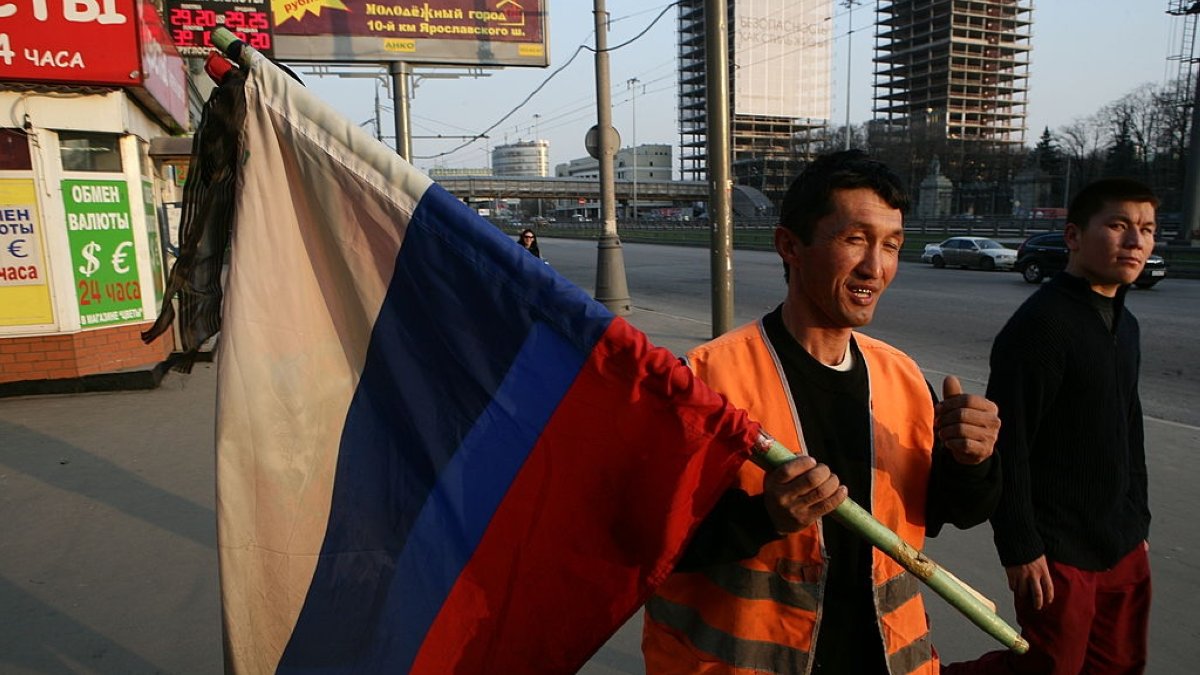
For decades, Uzbek labor migration was centred on Russia. Millions of Uzbek nationals crossed into the Russian Federation every year, drawn by geographic proximity, the residual infrastructure of Soviet-era networks, and a shared linguistic familiarity that made the journey manageable.
That calculus is now under severe strain. The political situation has transformed the migration corridor in ways that Tashkent can no longer ignore. The number of Uzbek nationals drawn into fighting in the Russia-Ukraine war has remained a persistent and troubling presence in official and NGO reporting. For a government that has staked its post-Karimov legitimacy on protecting citizens abroad, the specter of Uzbek men returning from Russian front lines in body bags, or not returning at all, is a strategic liability as much as a humanitarian one.
The response from Tashkent has been deliberate and, in recent months, notably concrete: a push to diversify Uzbek labor migration toward the Gulf states, EU member countries and, increasingly, the United States.
The United States is, by almost any measure, a counterintuitive choice for Uzbekistan’s labor migration strategy. It sits on the other side of the world from Tashkent and its migration system is among the most complex for Uzbekistanis. Uzbek nationals have faced some of the highest U.S. visa refusal rates among Central Asian applicants in recent years, a pattern rooted partly in consular risk assessments about overstay likelihood, and partly in the limited volume of existing migration ties that normally lubricate visa approvals.