HELSINKI — ESA and China recently launched the joint SMILE magnetosphere mission after a decade of cooperation but, despite sharing similar goals, another collaboration in space between Europe and China appears distant.
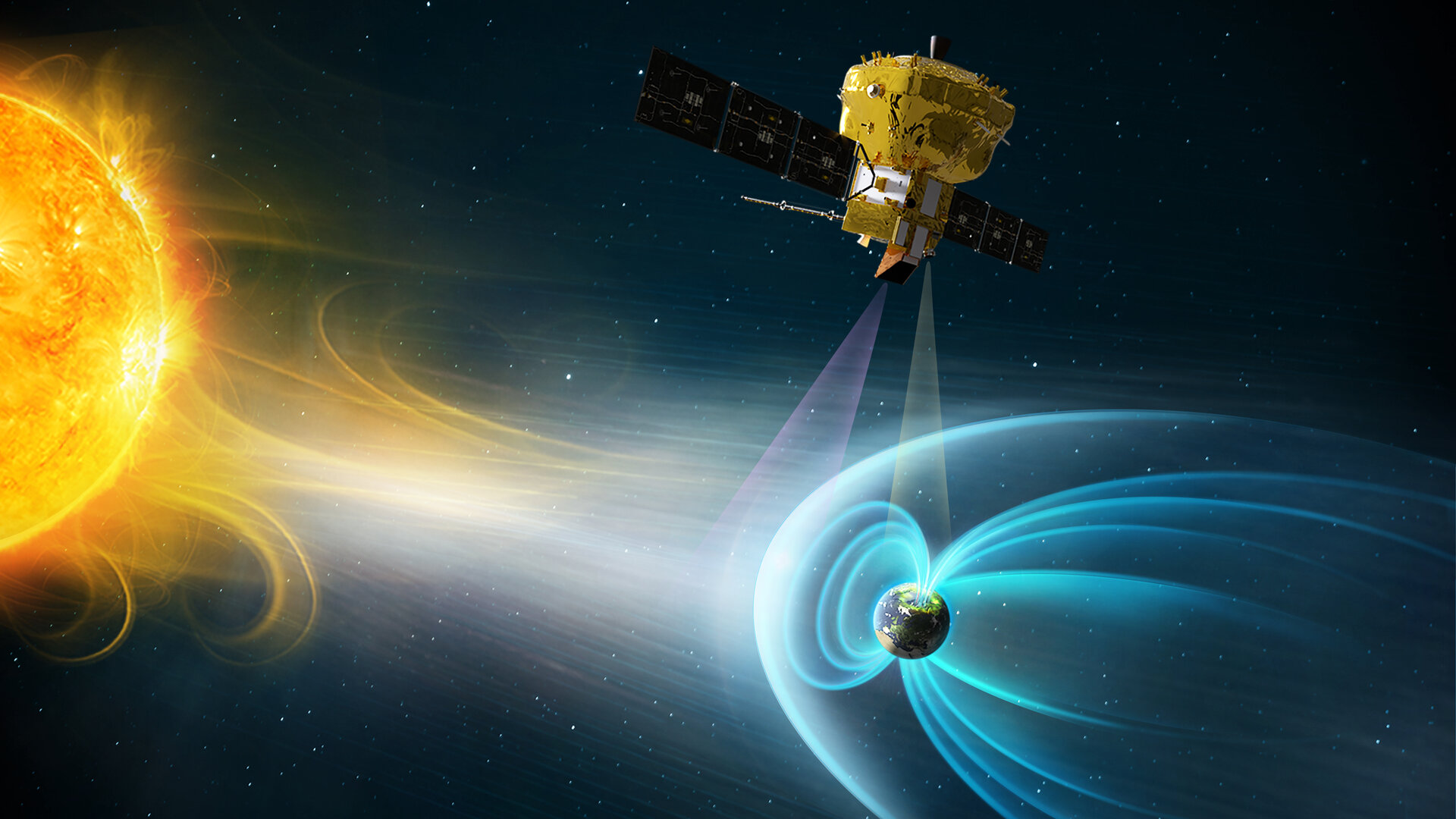
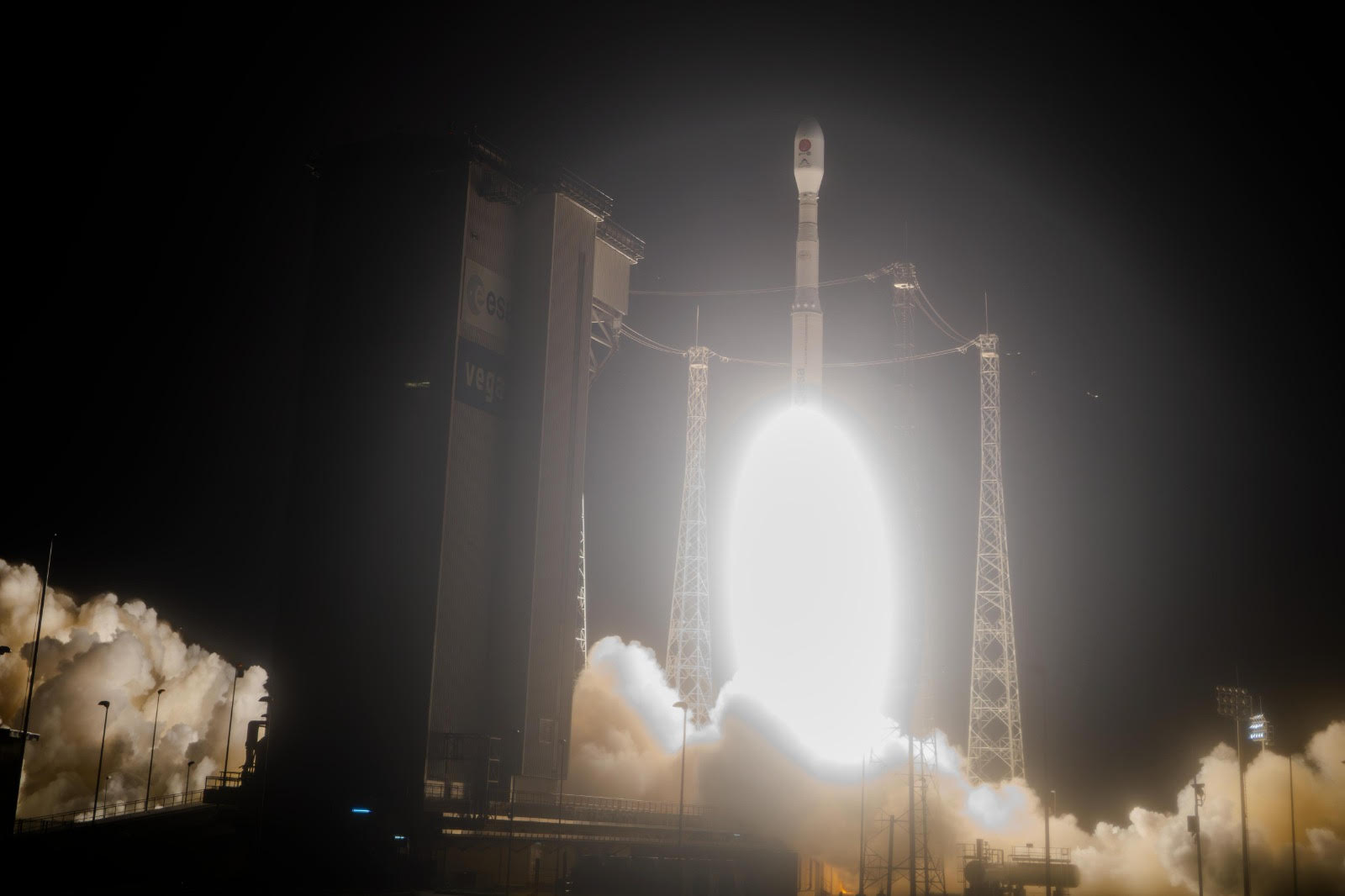
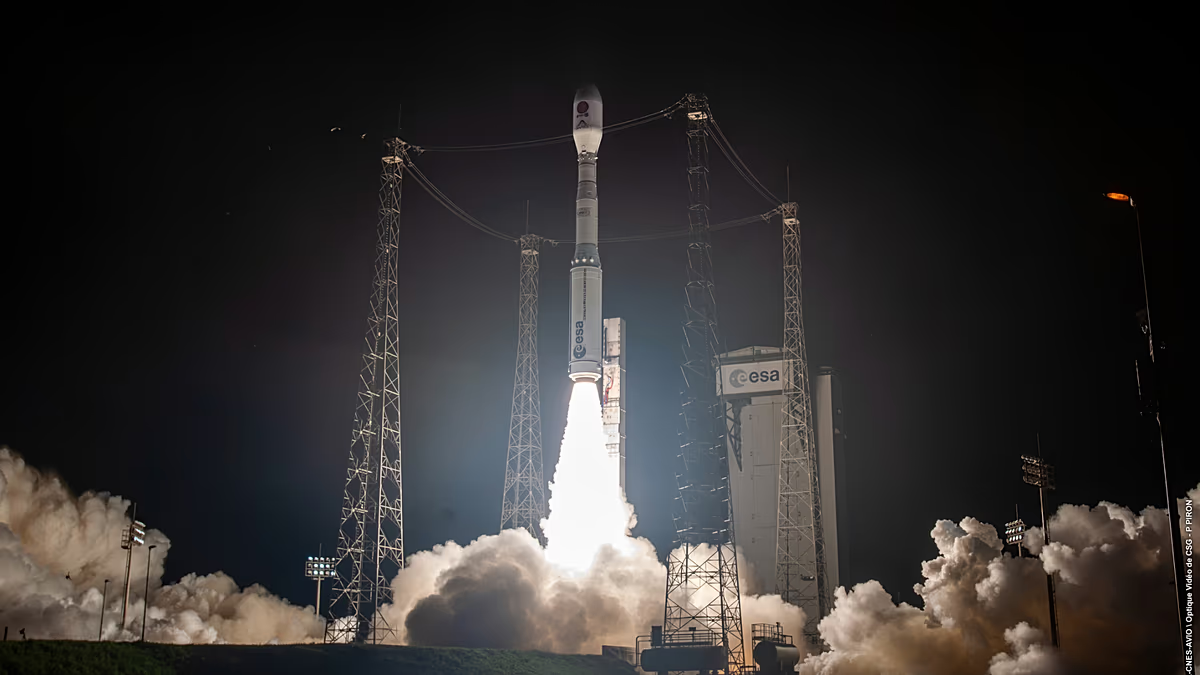
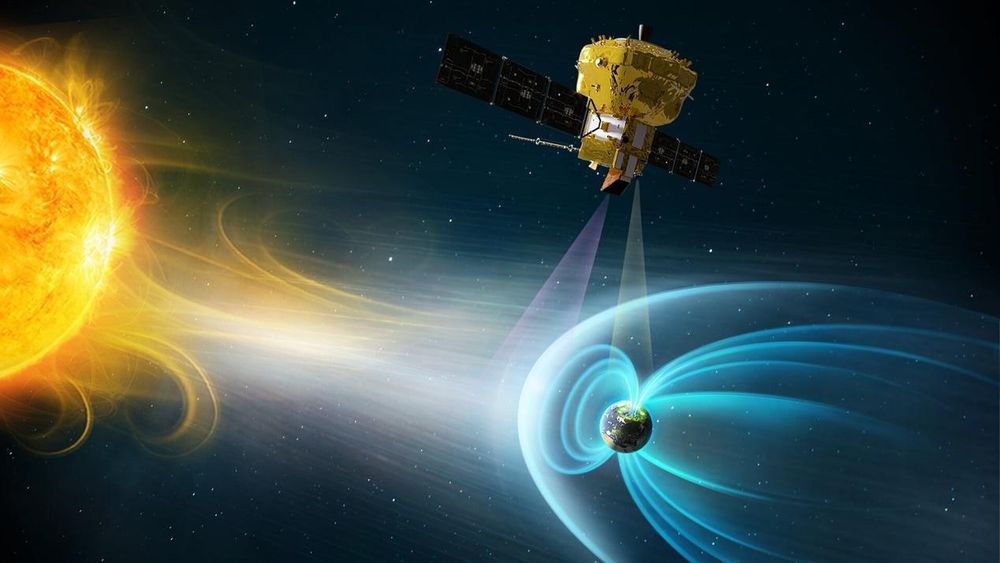
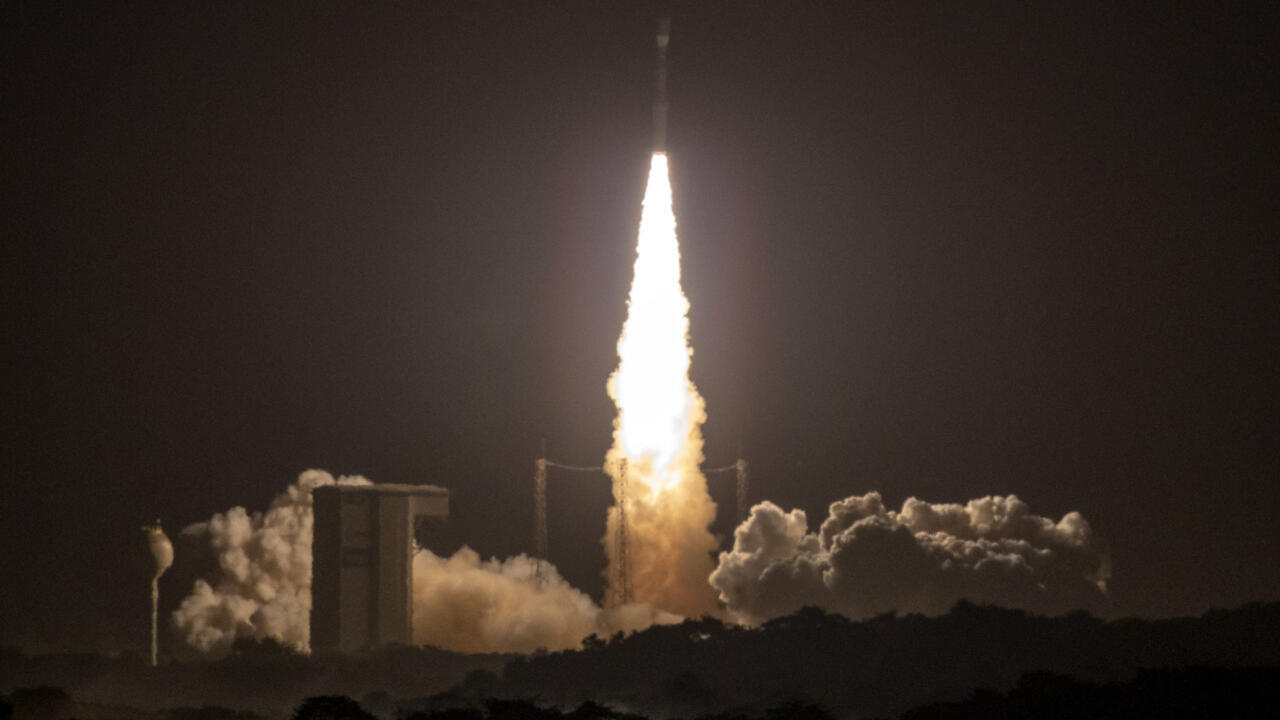
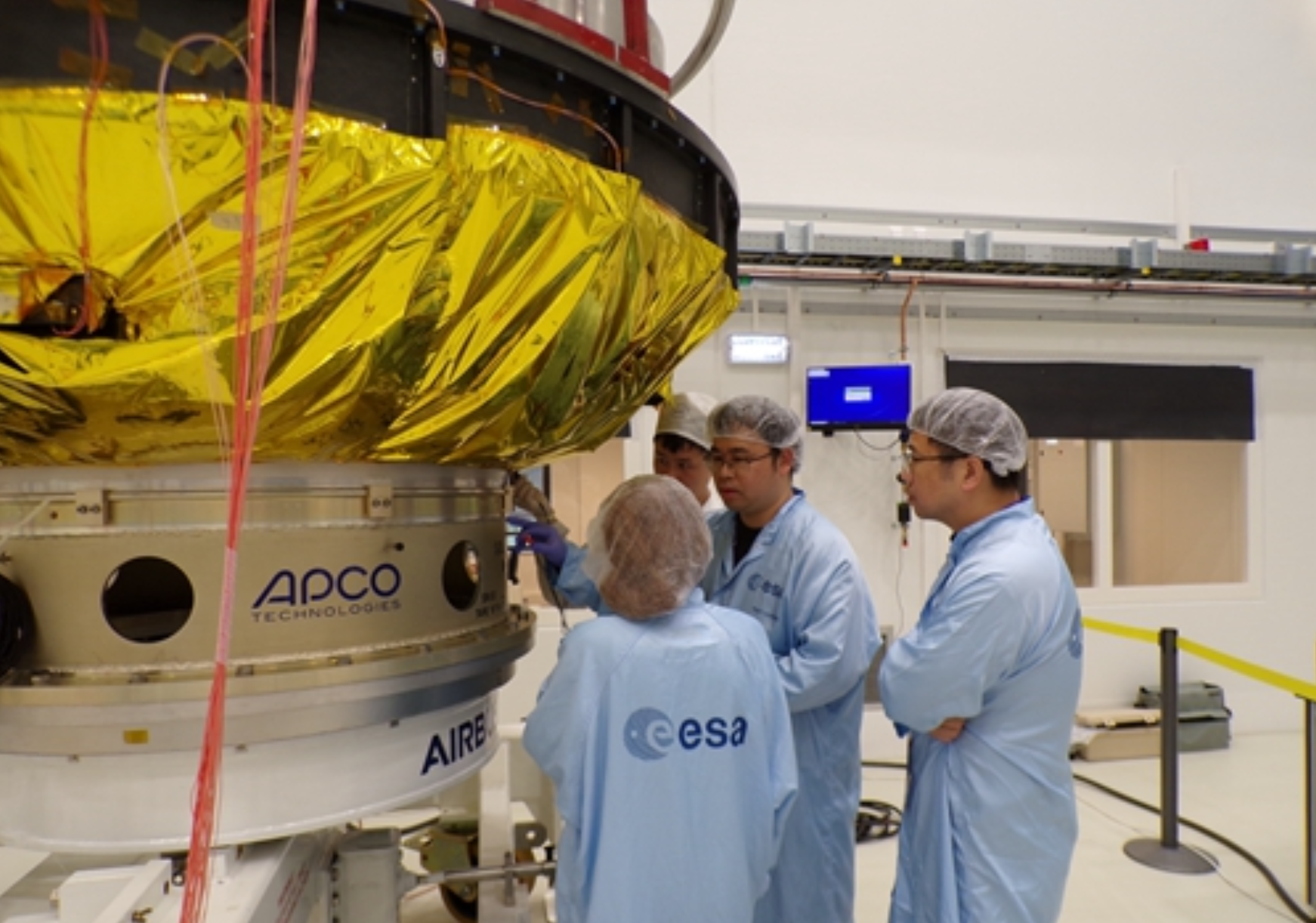
The SMILE (Solar wind Magnetosphere Ionosphere Link Explorer) spacecraft lifted off on a Vega C rocket from Kourou, French Guiana, May 19, heading for a unique orbit that will take it high above the North Pole to view the Earth’s magnetosphere with soft X-ray and UV imagers to study how it interacts with the solar wind. The mission was selected from among a range of 13 proposals formulated by joint teams of scientists from ESA and the Chinese Academy of Sciences (CAS), establishing a new framework for cooperation on space science.
Yet, despite the celebrations of the successful launch and the cooperative journey and its architecture, senior officials representing both organizations stopped short of committing to more and deeper cooperation in the future, despite parallel and overlapping interests and activities.
“We asked the European and the Chinese scientists to work together to build SMILE, and I think that that mechanism for me has been proven with this mission to be very effective,” ESA science director Carole Mundell told SpaceNews ahead of the mission’s launch in Kourou, describing the process as an incredibly effective mechanism of a bottom-up joint call for proposals. “I’m very hopeful that we will deliver compelling new science that will also then be very important for operational space weather prediction.”