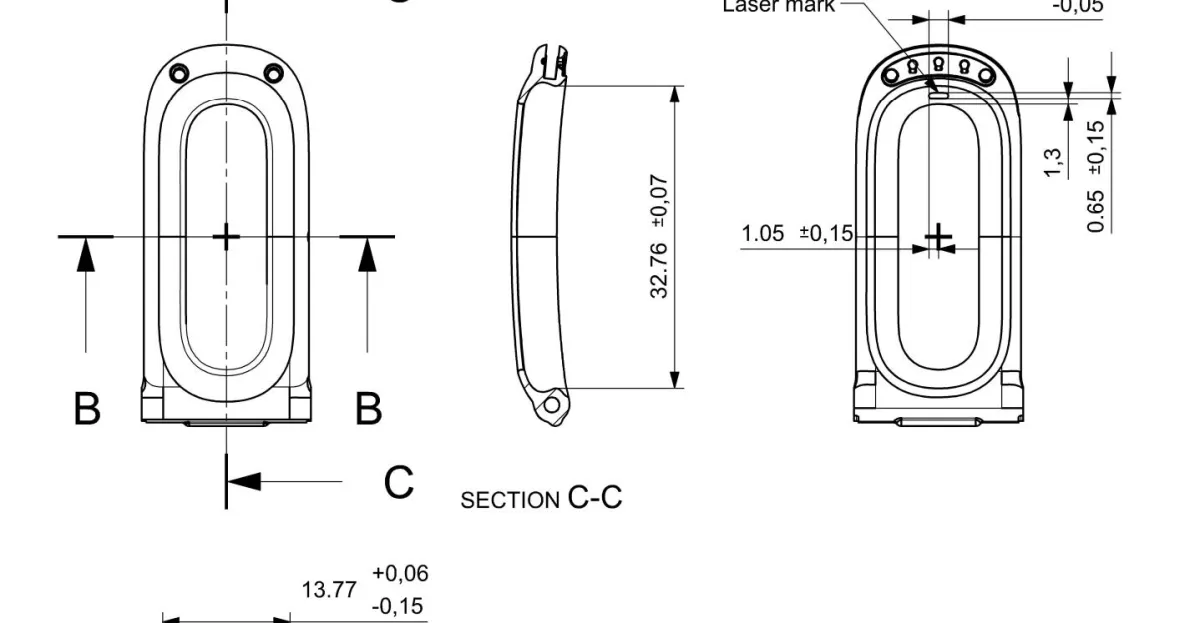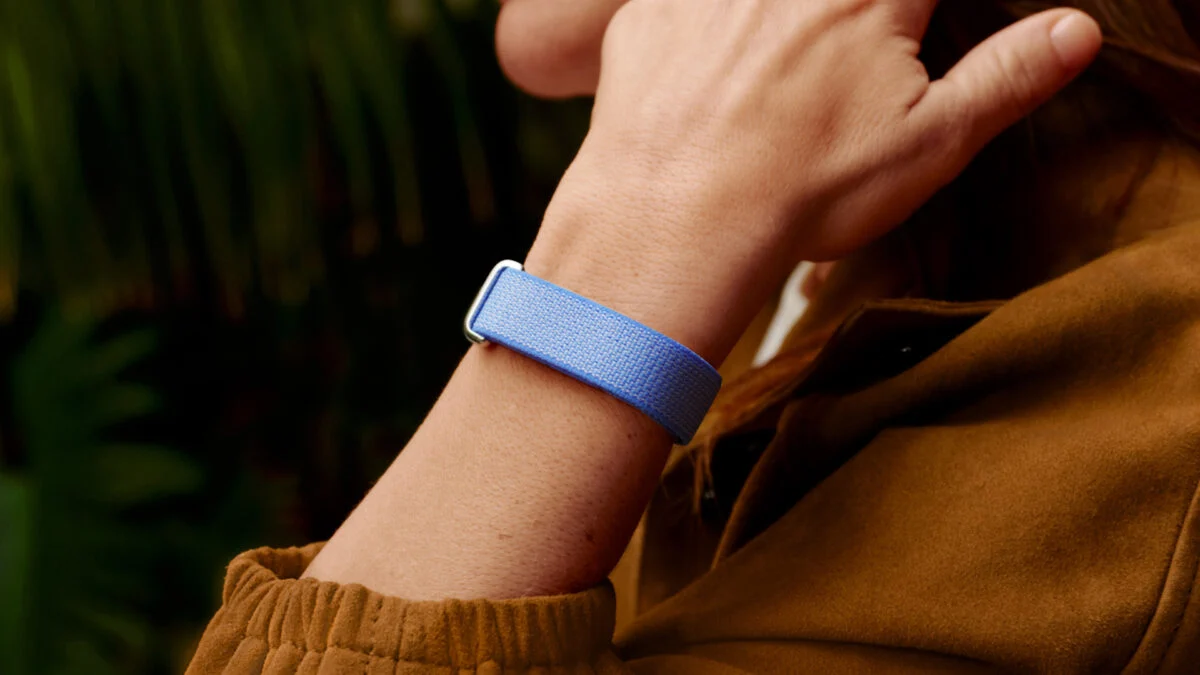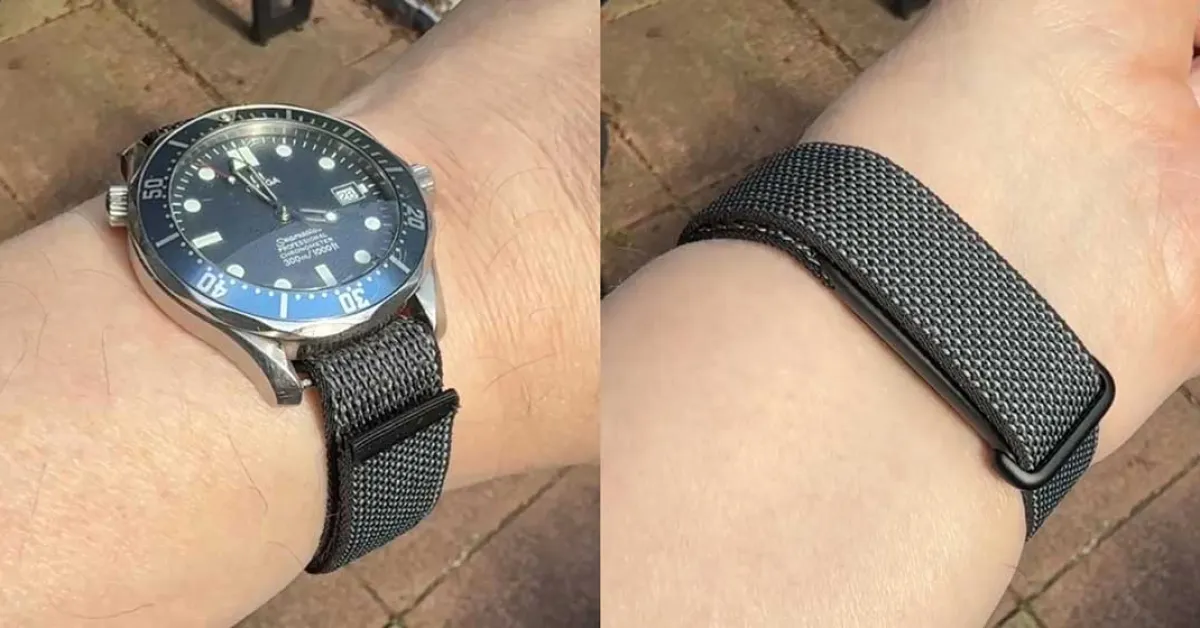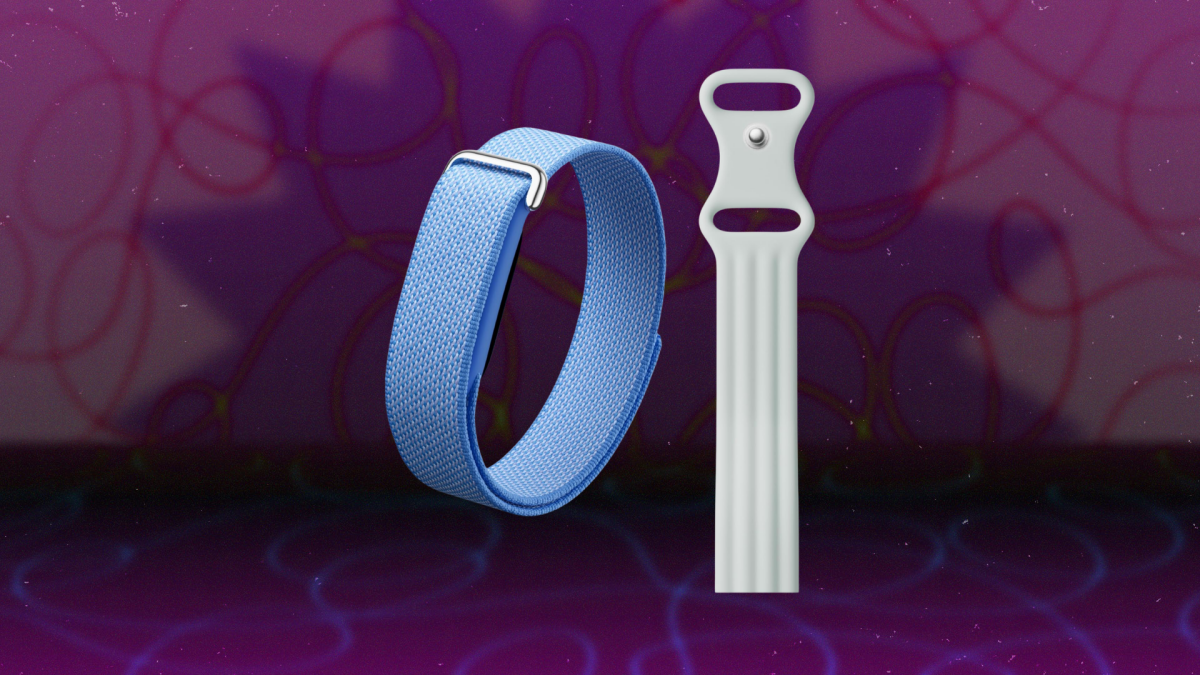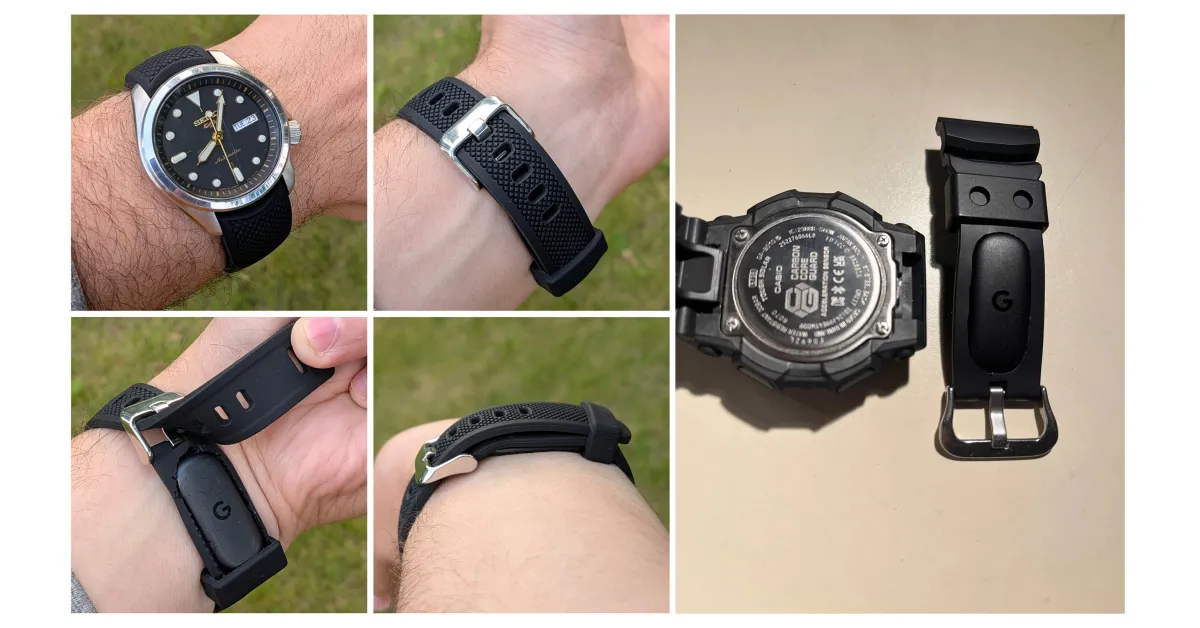
Google $GOOGL -0.11% released the hardware specifications and accessory design guidelines for the Fitbit Air tracker, making 2D CAD drawings available to anyone who wants to build their own compatible bands or other accessories.
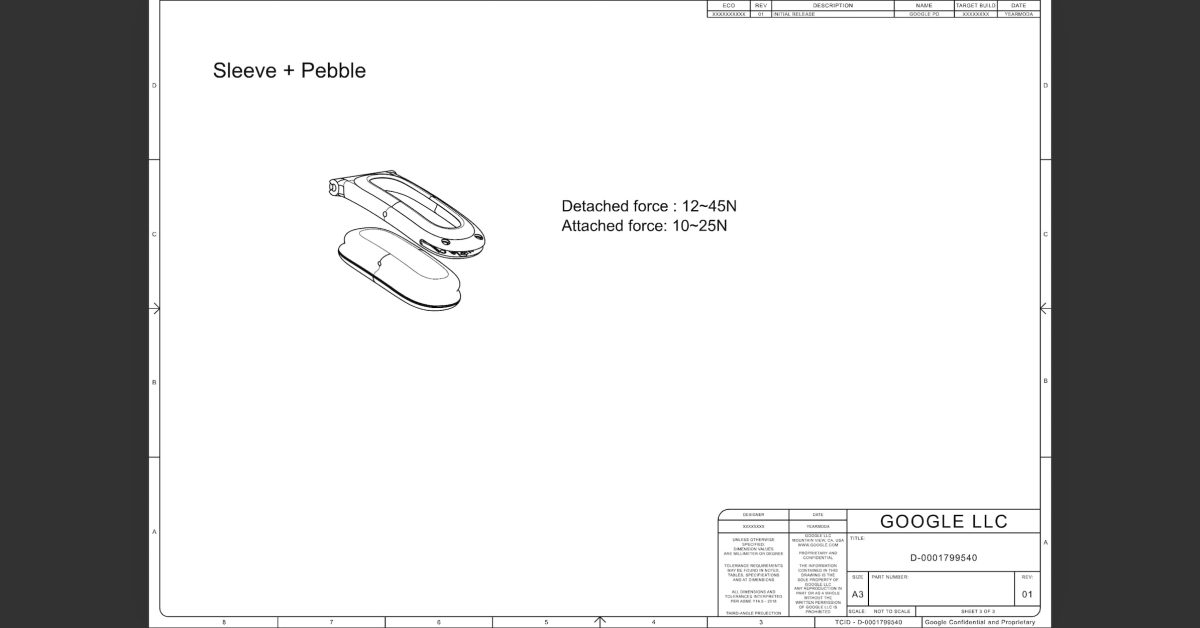
Developers working from the released documents can find the precise dimensions needed to engage the tracker's snap-in retention mechanism, including the forces required to attach and remove it, along with the tolerances necessary for a secure fit. Google noted that its community had already begun designing accessories, including armband solutions, since the device launched last month.
"We know that your personal style is entirely unique — and in just a few short days, this community has already come up with innovative and creative new ideas to make the Fitbit Air your own," Google said in its announcement.
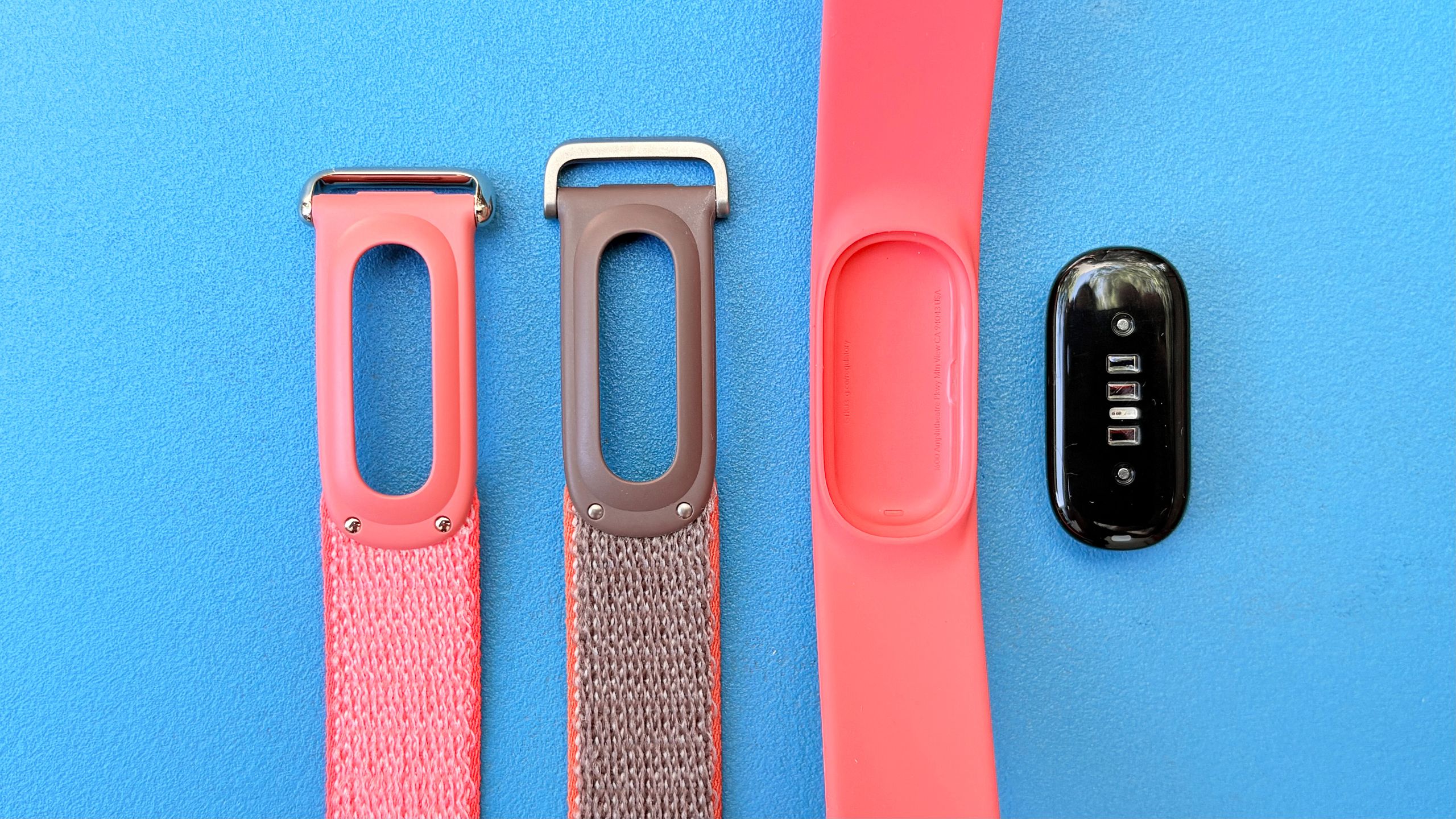
Given that the Fitbit Air's heart rate and SpO2 readings depend on optical sensors pressed against the skin, Google's guidelines address how band designs must account for that physical relationship. Any accessory design must leave the underside sensors fully exposed to the skin, with no material blocking or lifting them away from the wrist. To preserve measurement accuracy while the wearer is active, Google's specification calls for designs to sustain at least 35 mmHg (0.68 psi) of contact force in the area where the sensors sit.