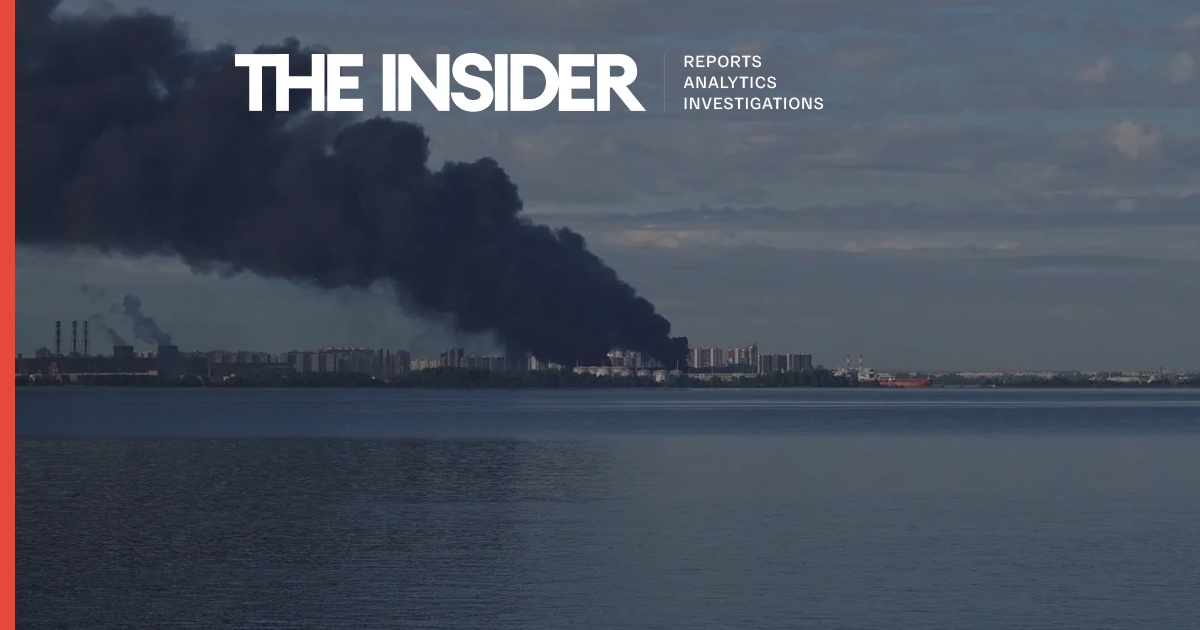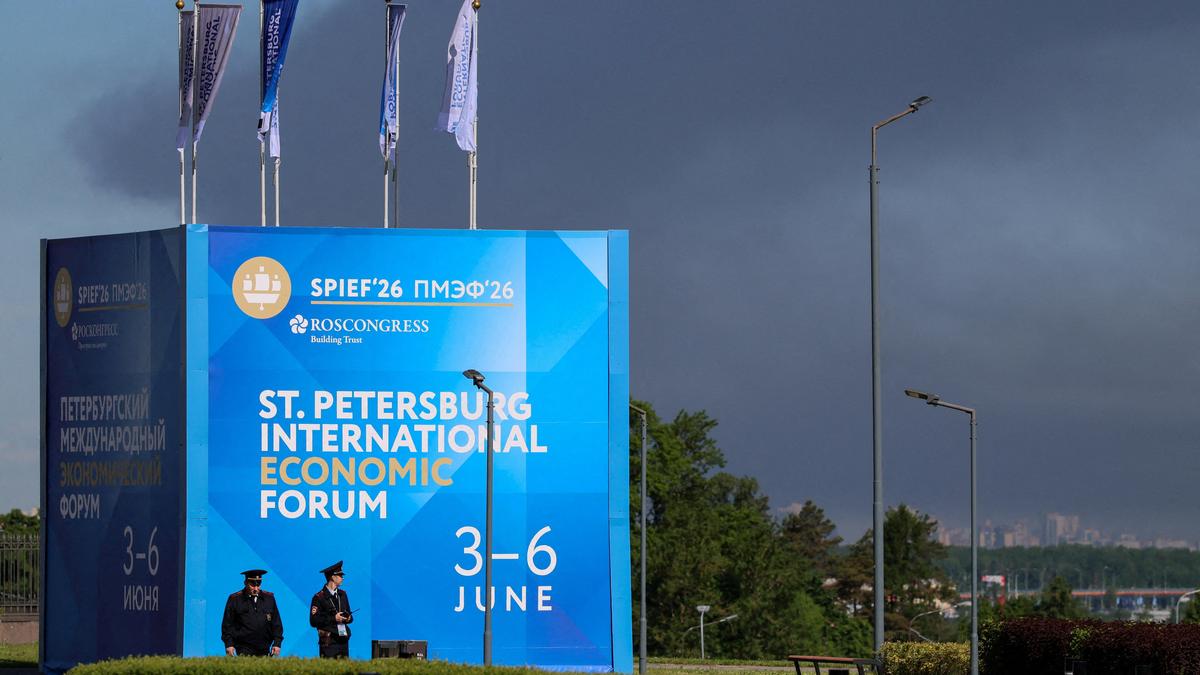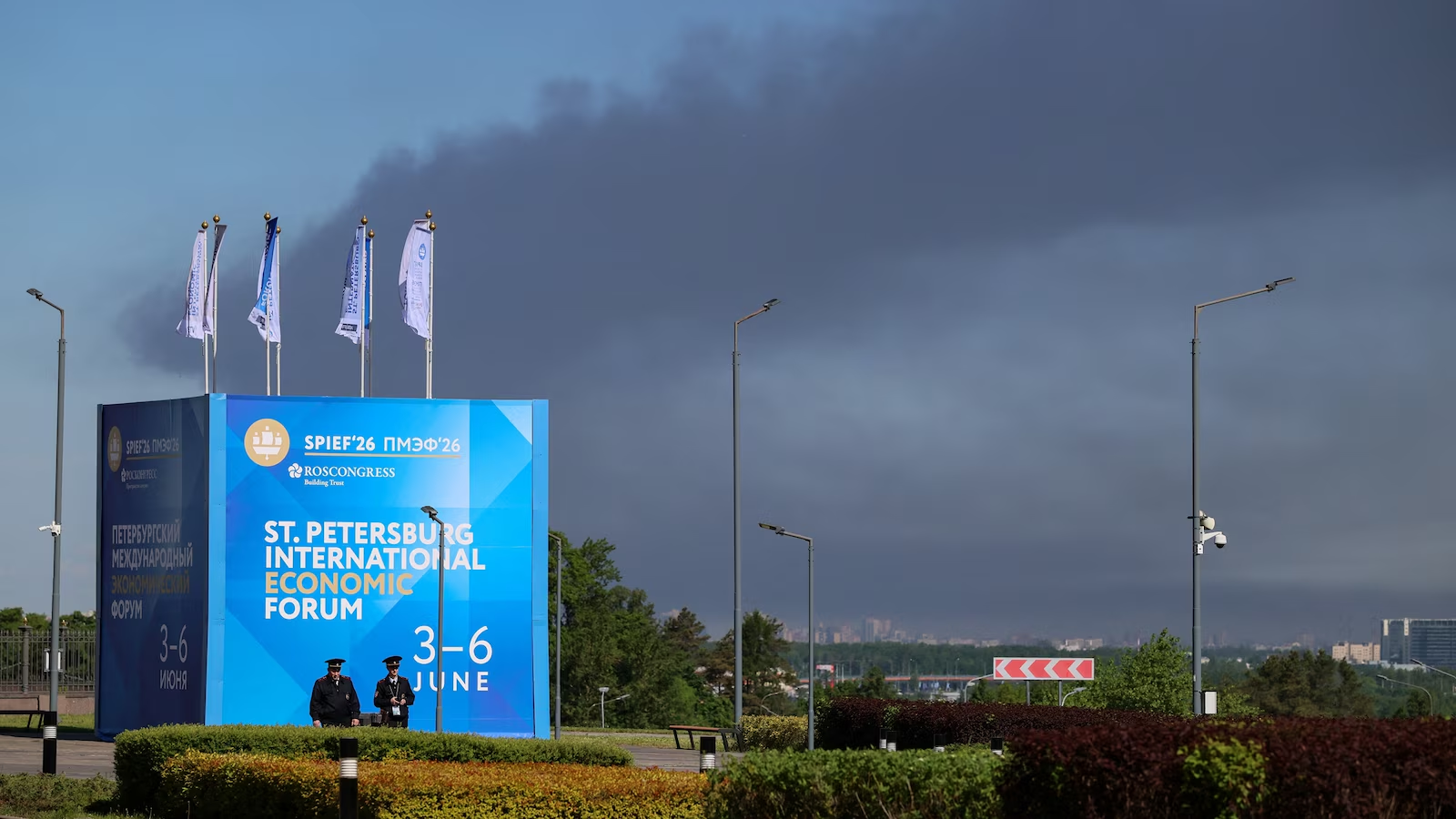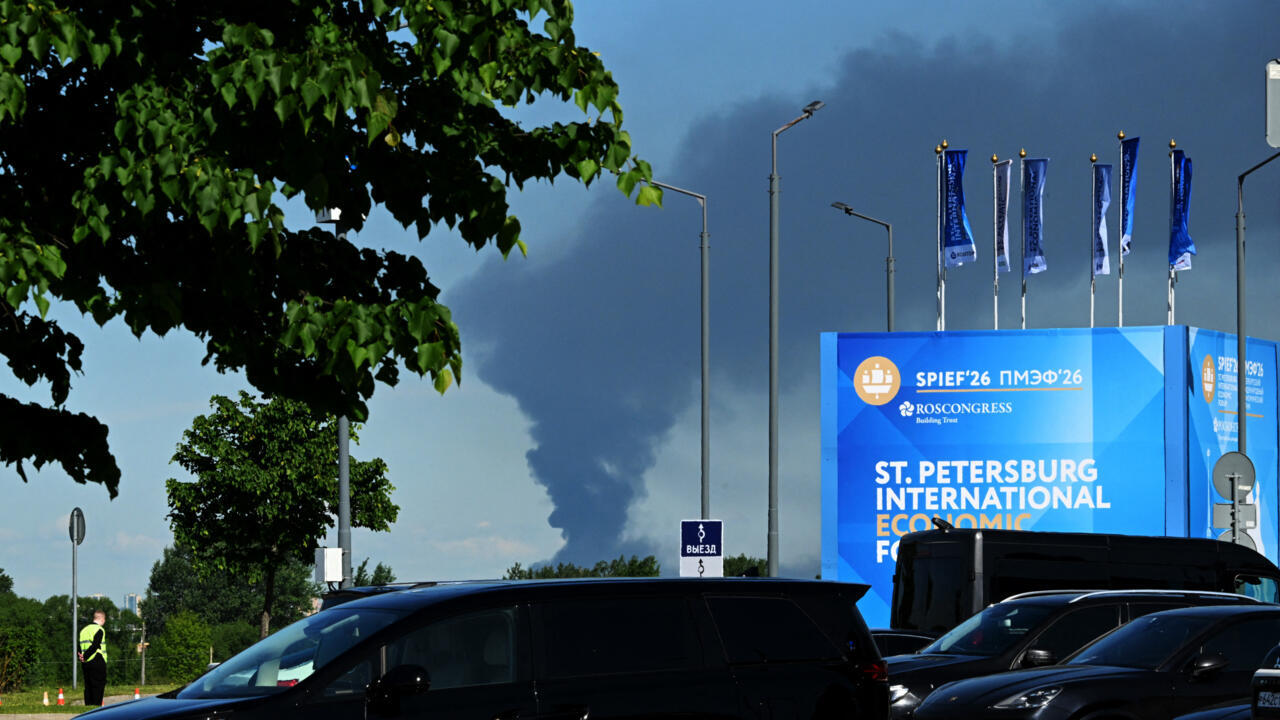
If you wanted to send a message that’s impossible to ignore, lighting a 37-hectare oil terminal on fire 17 kilometers from where Vladimir Putin is about to schmooze international investors is a pretty effective way to do it.
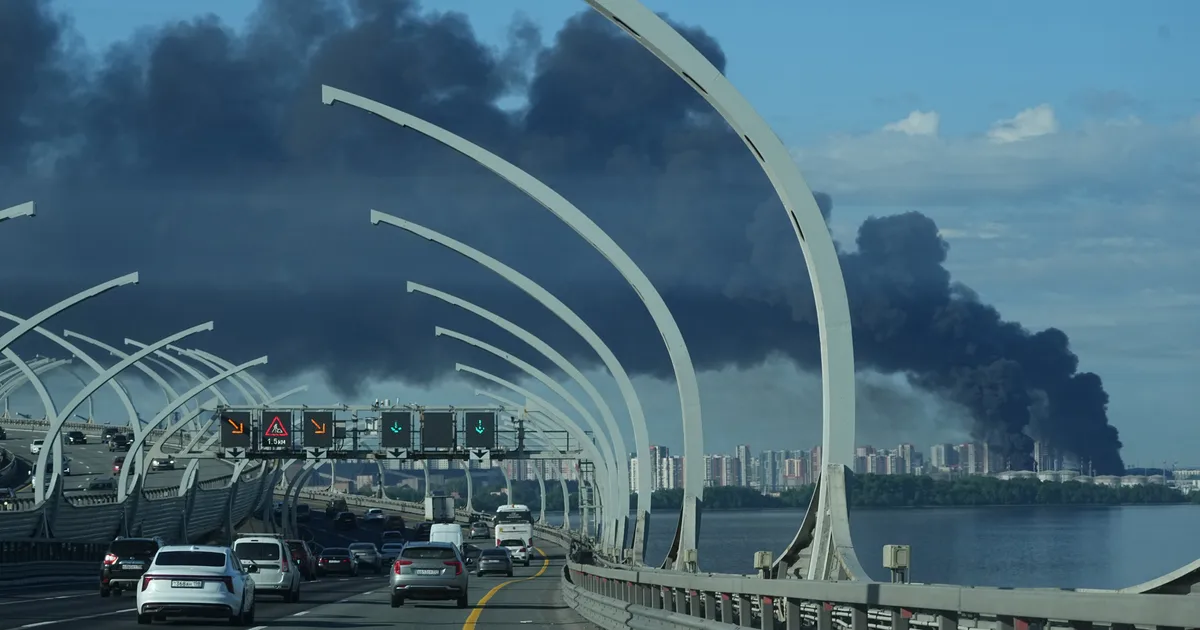
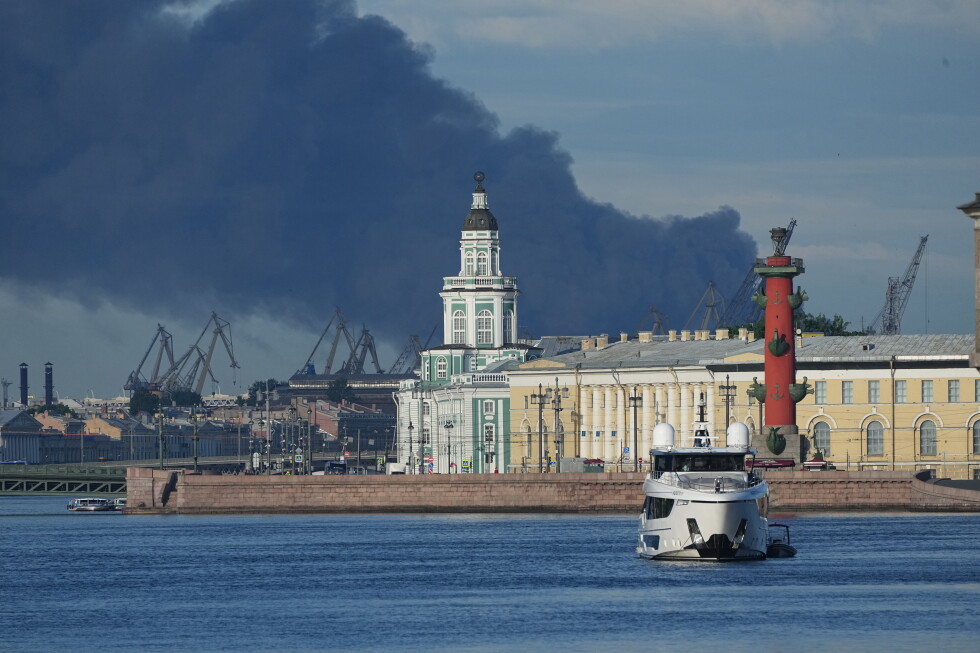
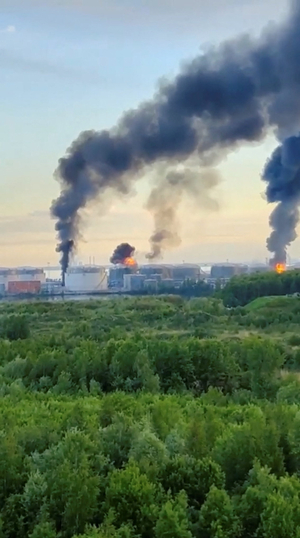
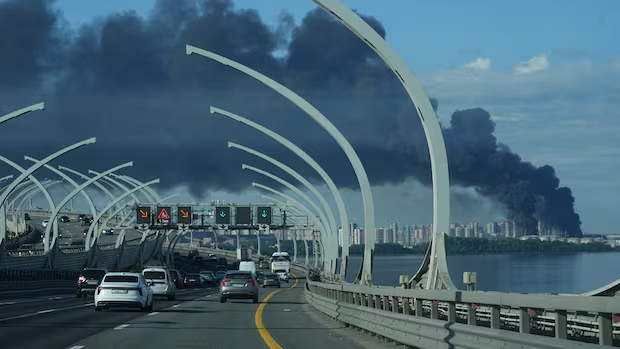
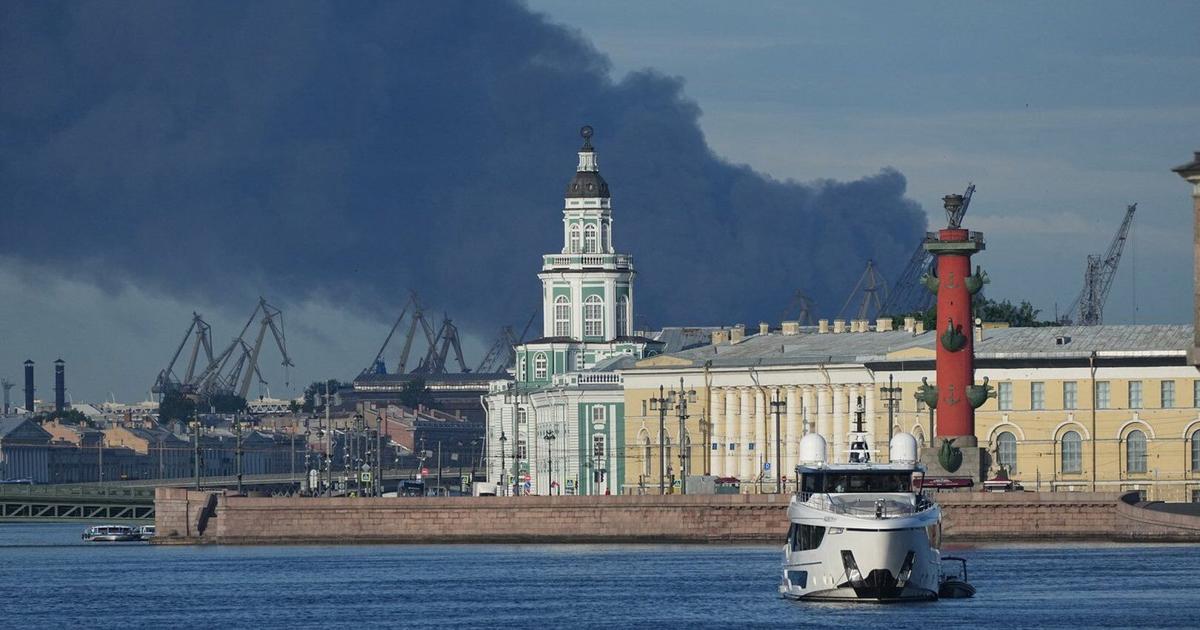
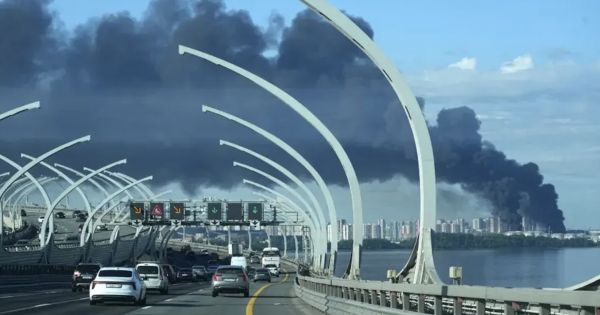
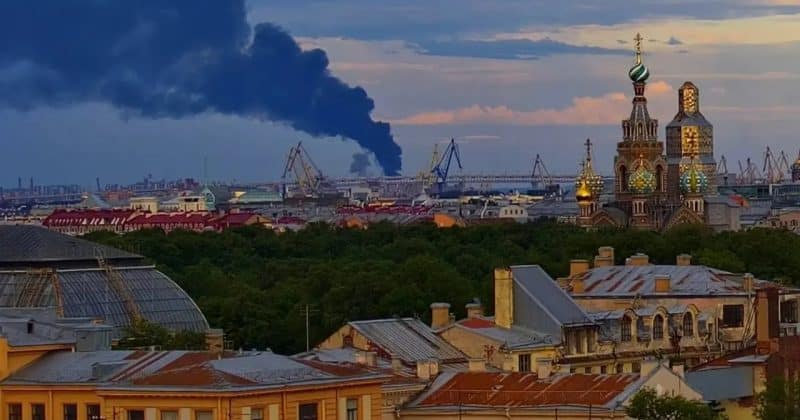
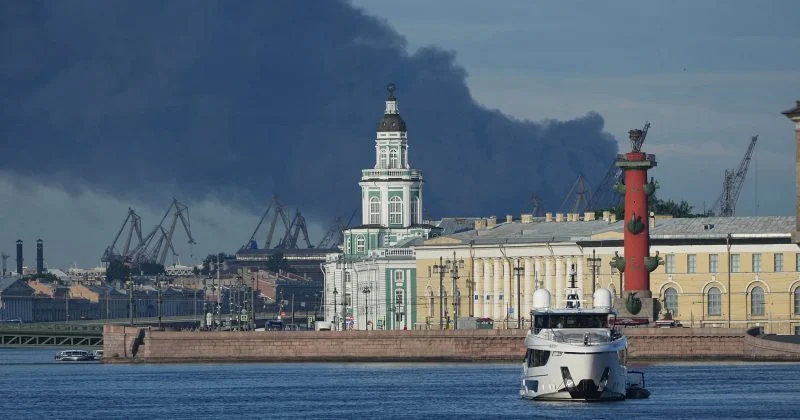
On the night of June 2-3, Ukrainian long-range drones struck the Petersburg Oil Terminal, one of Russia’s primary Baltic Sea fuel export hubs, igniting fires that produced massive plumes of black smoke visible across the city. The attack landed mere hours before the opening of the St. Petersburg International Economic Forum, or SPIEF, the Kremlin’s flagship event for projecting economic stability and courting foreign capital.
What happened and why it matters
The Petersburg Oil Terminal is not a small target. The facility spans 37 hectares, houses 21 storage tanks, and has the capacity to handle up to 12.5 million tonnes of fuel products annually. It sits roughly 1,100 kilometers from the Ukrainian border, making this one of the longest-range drone operations Ukraine has publicly claimed.
Ukrainian President Volodymyr Zelenskyy confirmed the strike, describing it as a continuation of what he calls “long-range sanctions” against Russian energy infrastructure.