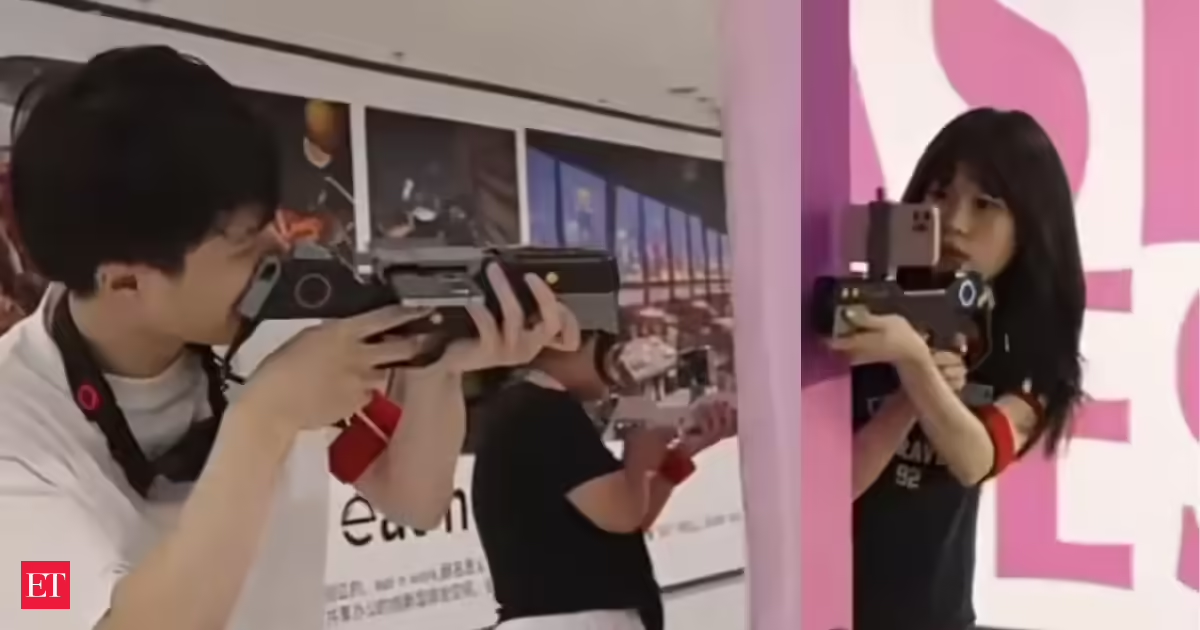
Young people in China are transforming shopping malls into large-scale battle royale gaming zones, blending digital gameplay with physical activity in a trend inspired by popular titles such as PUBG and Peacekeeper Elite. The augmented reality-powered events are being organised in cities including Beijing, Shanghai and Qingdao, where participants use dedicated technology to recreate video game mechanics in real-world environments. AR technology brings video game concepts to life According to reports, the sessions are held during off-hours or periods of low foot traffic, allowing players to use mall corridors and open spaces as immersive gaming arenas. Participants are equipped with specialised augmented reality sensors connected to a dedicated application. The technology replicates familiar battle royale features, including shrinking safe zones, poison circles and team-based combat scenarios.— didengshengwu (@didengshengwu) Players cover kilometres during high-intensity sessions A typical game involves between 40 and 60 participants and lasts around 90 minutes. Players often run more than five kilometres during a single session, turning the experience into a physically demanding activity that combines fitness with gaming. The format has gained popularity among younger participants seeking alternatives to traditional forms of recreation while remaining connected to gaming culture. Trend offers new avenue for social interaction Beyond its technological appeal, the activity is also attracting participants because of its social aspect. The structured nature of the games, with defined team roles and survival objectives, reduces the need for conventional social interactions and small talk. Many players say the shared experience of navigating a simulated combat environment helps strangers connect and build friendships more naturally. Participants have reported forming quick bonds with teammates while working together in high-pressure situations. Mall owners embrace the growing phenomenon The trend has also found support among shopping mall operators facing declining visitor numbers. According to reports, some landlords have begun hosting Fortnite-style sessions themselves, turning underused commercial spaces into entertainment venues capable of attracting dozens of participants at a time. The events provide a new use for malls during quieter periods while drawing younger audiences into physical retail spaces. Gaming, fitness and community converge Observers say the phenomenon reflects a broader shift among Gen Z consumers toward interactive and shareable experiences rather than passive forms of entertainment. By converting everyday public spaces into competitive gaming arenas, participants are combining exercise, social interaction and digital culture while reimagining how urban spaces can be used.
PUBG-inspired mall battles: Chinese Gen Z turns shopping centres into real-life battlefields
Young people in China are transforming shopping malls into augmented reality battle royale gaming zones, inspired by popular titles like PUBG. Participants use dedicated technology to recreate video game mechanics in real-world mall spaces, engaging in physically demanding, team-based combat. This trend offers a new avenue for social interaction and is embraced by mall owners seeking to attract younger audiences.
392 words~2 min read