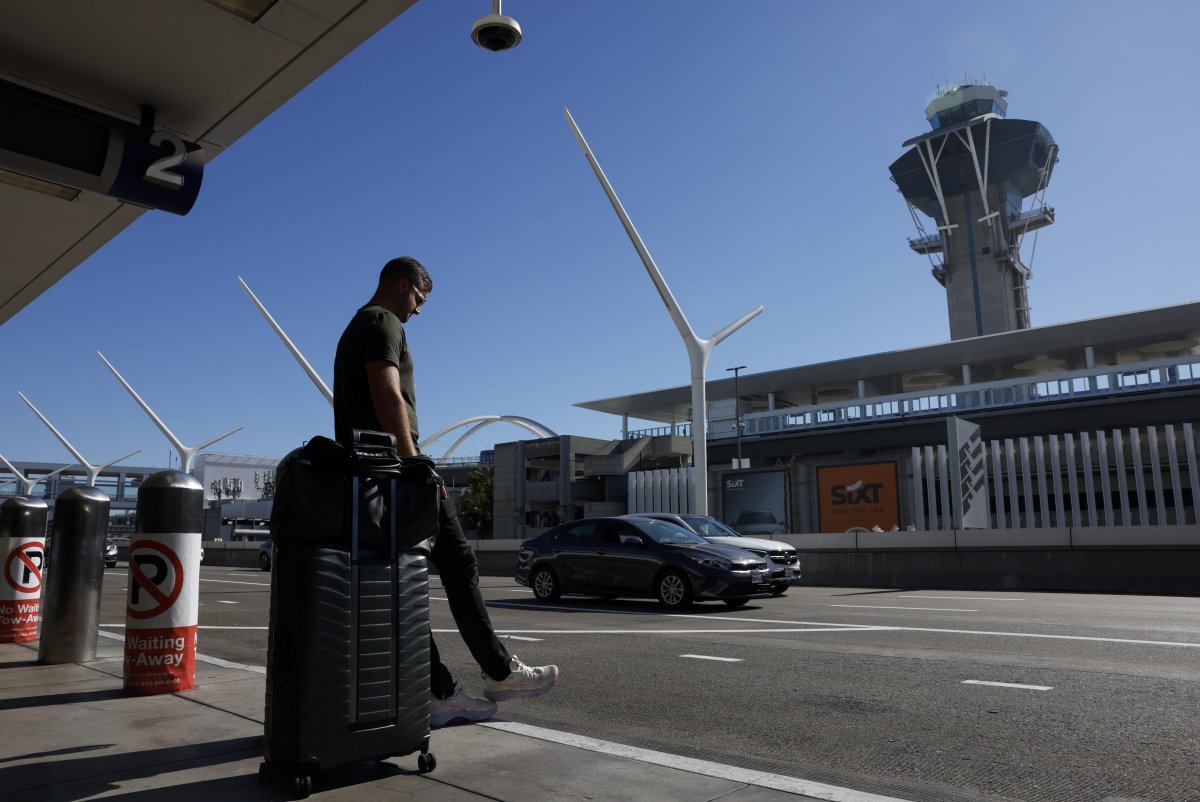
Airports around the world are struggling to keep pace with rising air traffic, and the pressure on air traffic controllers has never been greater. In busy towers, controllers must manage dense, fast-changing traffic on runways and taxiways, while simultaneously juggling unpredictable schedules, variable aircraft behavior, and the constant risk of congestion on the ground.
Traditionally, efforts to improve airside efficiency have focused on optimizing runway assignments, but these decisions do not happen in isolation. A choice that speeds up departures, for example, can unintentionally create cascading effects that lead to bottlenecks on taxiways or increase the likelihood of conflicts between aircraft. Few tools currently capture these interconnected effects or account for the specific operational uncertainties, such as varying taxiing speeds and schedule deviations, that controllers must manage daily.
A new study published in the Journal of Computing in Civil Engineering aims to ease that burden, while increasing airport safety, efficiency, and sustainability. The team introduces a trajectory-based simulation and multi-objective optimization framework designed to help controllers make safer, more efficient runway assignment decisions.