The need to step up defence spending is uncontested. But capitals are largely ignoring a key fiscal mechanism to facilitate the boost
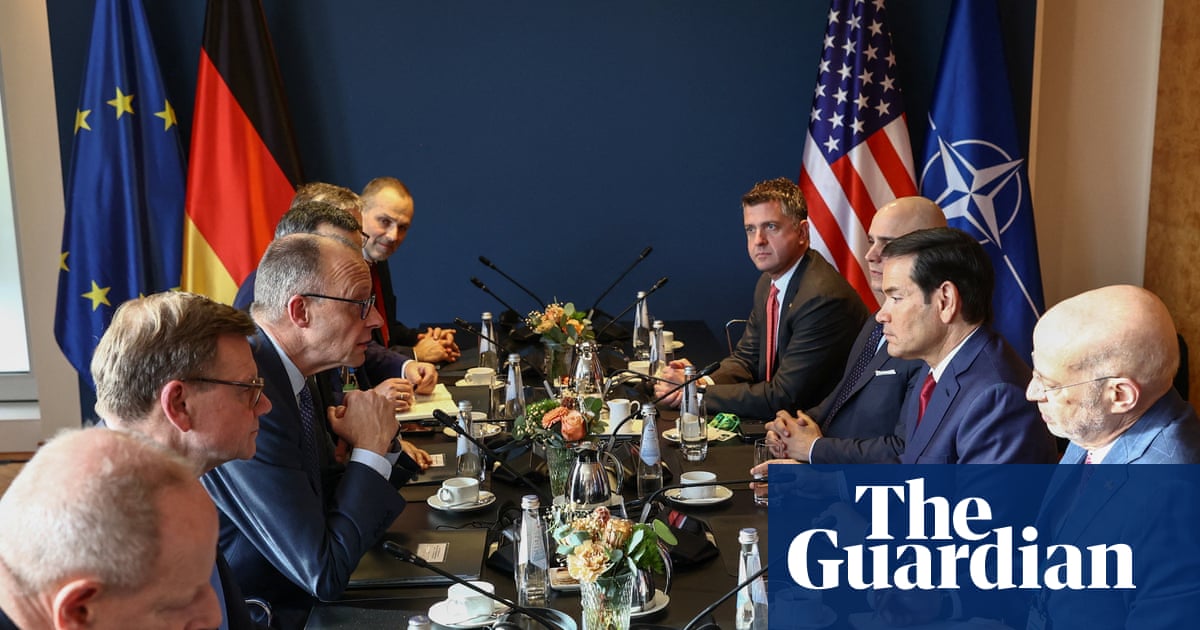
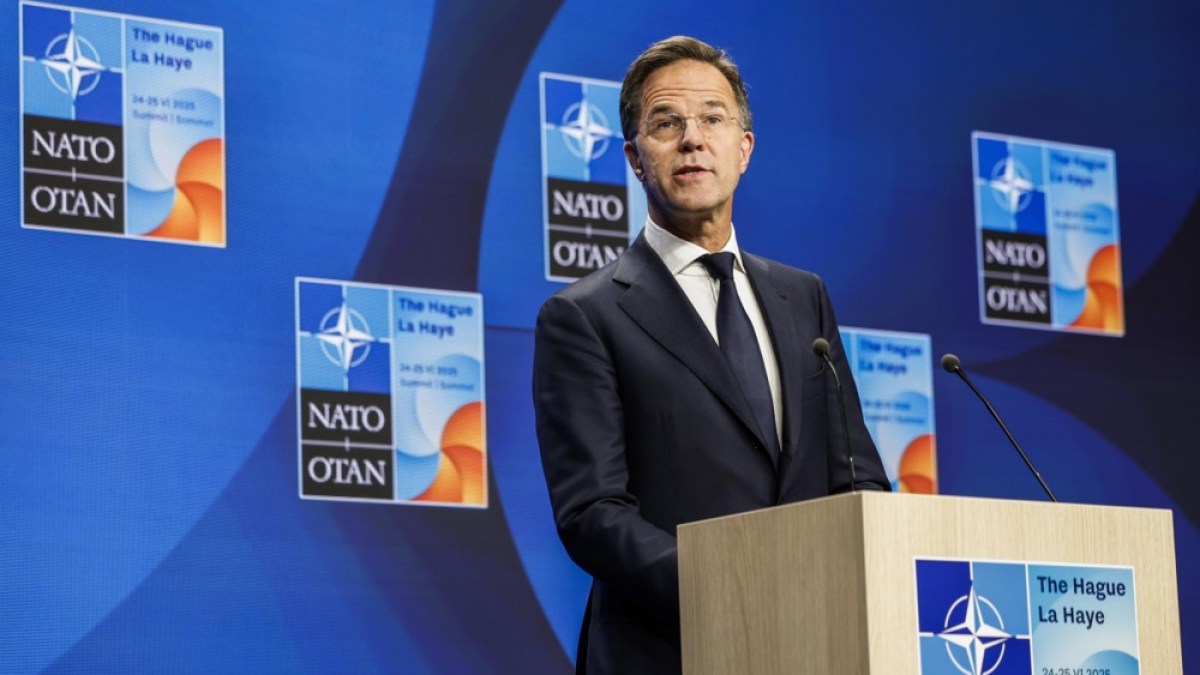
Boosting defence spending and reducing Europe’s military dependence on the US is an imperative that, it seemed, had been accepted since last year, after Donald Trump fulminated against Western allies for their lack of autonomy.
Indeed, the need to step up capabilities has only become more apparent as Europe finds itself squeezed by trade tensions and knock-on effects of the war in Iran, with Russia all the while persisting in its attacks on Ukraine and also orchestrating hybrid warfare against other European countries.
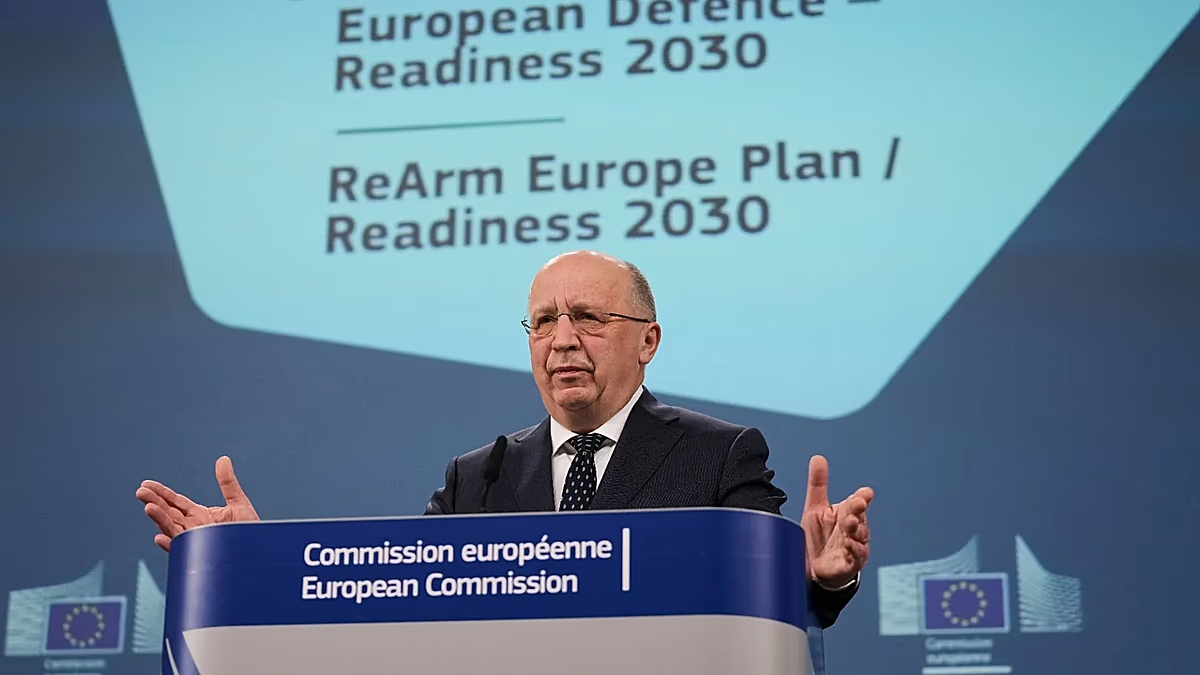
So it is somewhat surprising that a key mechanism put forward by the European Commission to encourage defence spending has received little uptake by capitals. The national ‘escape clause’ was devised as a fiscal flexibility mechanism that would allow countries to increase defence spending, even if it resulted in a greater budget deficit. Penalty measures that normally kick in if a country surpasses the 3% deficit limit would be waived, providing the excess was due to greater defence spending.
Log in to continue reading for free