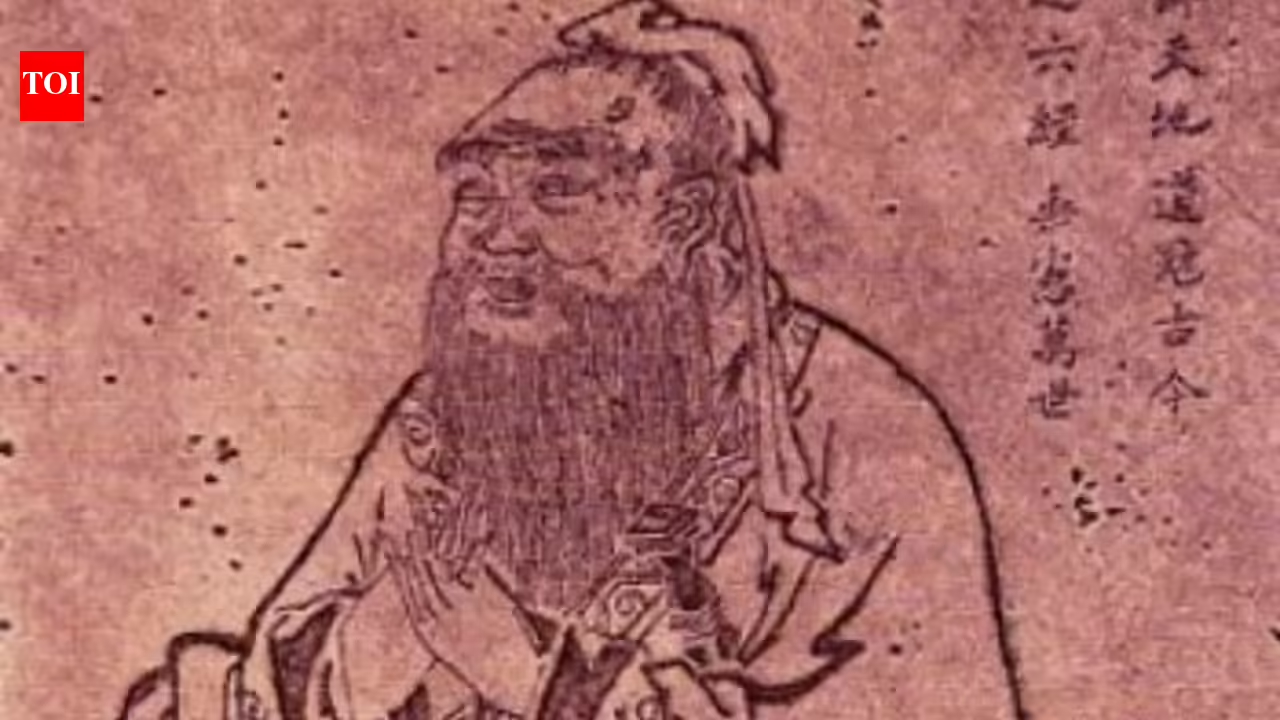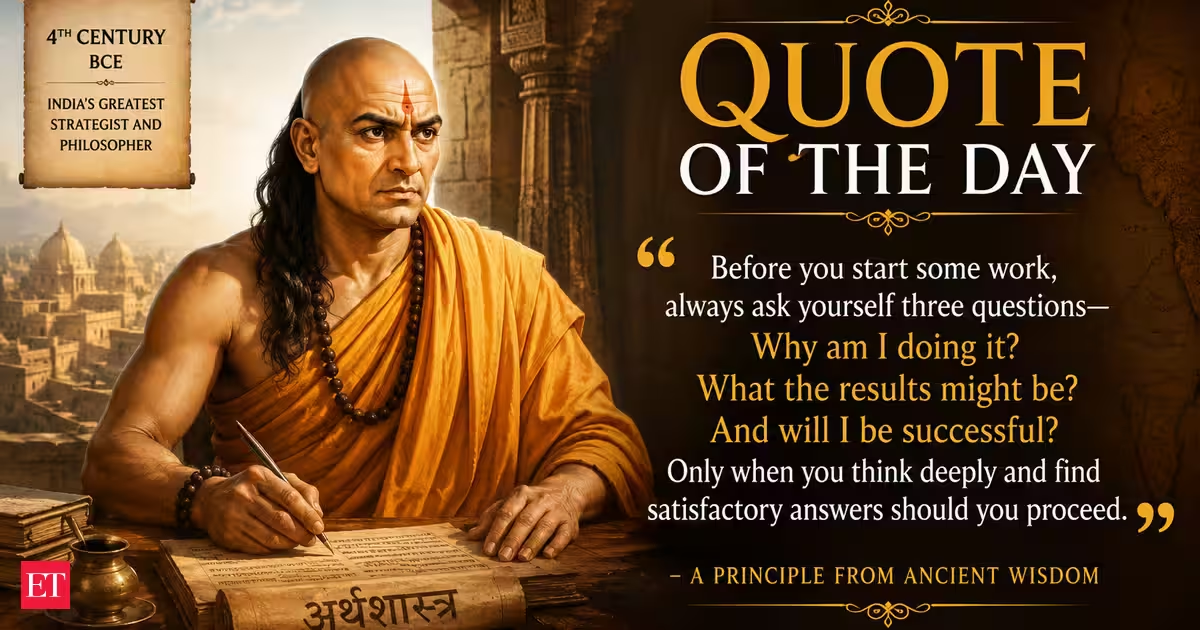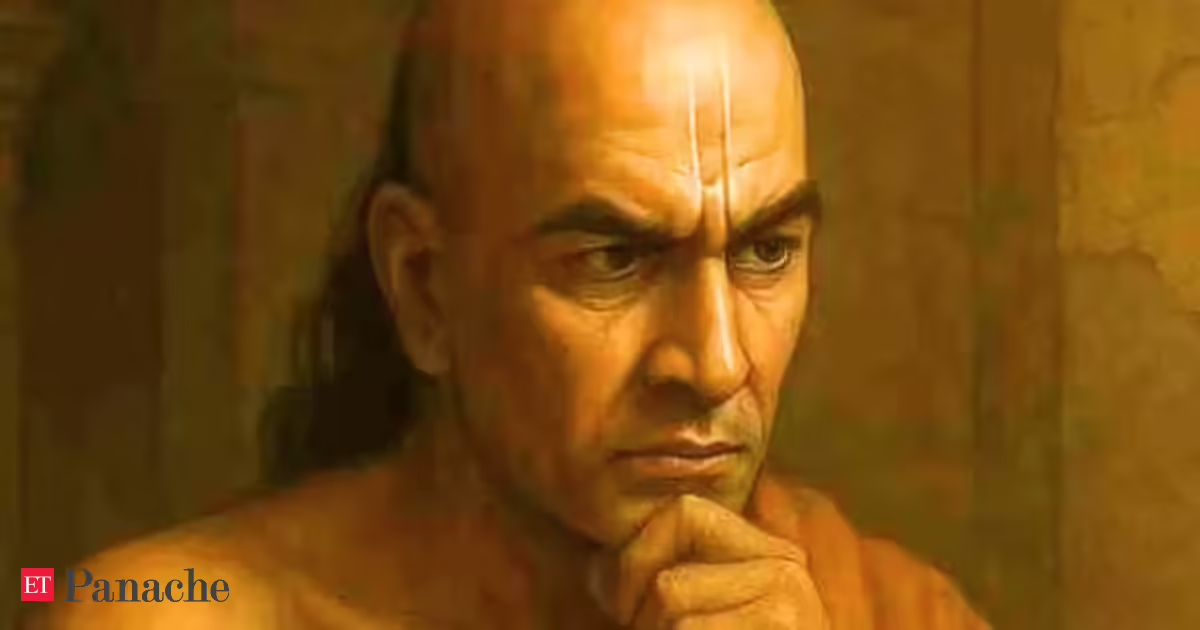
Indian Proverb of the Day highlights timeless sayings and ideas that continue to guide people in everyday life, even centuries after they were first shared. Many of these teachings focus on practical wisdom rather than abstract philosophy, offering simple ways to think more carefully before making important decisions. One such well-known thought is attributed to Chanakya, the ancient Indian philosopher, economist, strategist, and royal advisor whose ideas on leadership and governance are still widely discussed today.The proverb, “Before you start some work, always ask yourself three questions: Why am I doing it? What the results might be? Will I be successful?”, centres on the importance of reflection before action. It encourages people to pause and think about purpose, consequences, and preparedness before moving forward with any task. The message is straightforward, yet it speaks to situations that people face every day, whether in their careers, studies, businesses, relationships, or personal goals.Chanakya, also known as Kautilya or Vishnugupta, is remembered as one of ancient India's most influential thinkers. He is traditionally credited with the Arthashastra, a major work on statecraft, economics, governance, diplomacy, and administration, as well as the Chanakya Niti, a collection of teachings on ethics, leadership, and human behaviour. His ideas were rooted in practicality and long-term thinking, which is why many of his sayings continue to resonate in modern times.Indian Proverb of the Day — The Three Questions That Can Save You From Costly Mistakes“Before you start some work, always ask yourself three questions: Why am I doing it? What the results might be? Will I be successful?”Indian proverb of the day highlights the value of careful thinking before taking action. While many people focus on speed and immediate results, this teaching reminds us that understanding the purpose behind a decision is often just as important as the decision itself.The first question, “Why am I doing it?”, focuses on intention. It asks individuals to examine their motivation before committing their time, effort, or resources. A clear purpose often helps people stay focused and avoid unnecessary distractions. Without understanding why something is being done, it becomes easy to lose direction when challenges appear.The second question, “What the results might be?”, shifts attention to consequences. Every action creates outcomes, both expected and unexpected. Thinking about possible results beforehand allows people to prepare better and make more informed choices. It encourages foresight instead of impulsive decision-making.The third question, “Will I be successful?”, is not simply about confidence. It is about honest self-assessment. It requires people to consider whether they have the skills, knowledge, resources, and commitment necessary to achieve the desired outcome. The question promotes realistic planning rather than blind optimism.Together, these three questions create a simple framework for decision-making. The proverb suggests that thoughtful preparation often prevents avoidable mistakes and increases the chances of achieving meaningful results.Why Thinking Before Acting MattersMany problems arise not because people lack ability, but because they move forward without fully understanding their goals or the consequences of their actions. In daily life, individuals frequently make decisions under pressure, influenced by emotions, trends, or immediate opportunities.Taking time to ask basic questions before beginning a task can provide clarity. It helps identify risks, uncover hidden challenges, and reveal whether an effort is truly worth pursuing. Even a brief period of reflection can lead to better outcomes than rushing into a situation without a plan.This lesson is especially relevant in today's fast-moving environment, where quick decisions are often encouraged. Chanakya's advice reminds people that careful planning is not a sign of hesitation. Rather, it is a sign of wisdom and responsibility.Life Lessons From the ProverbPurpose gives directionWhen people understand why they are doing something, they are more likely to remain committed and focused on their goals.Consequences should be consideredEvery decision produces results. Thinking ahead allows individuals to prepare for both opportunities and challenges.Preparation improves successSuccess rarely happens by accident. Good planning and realistic evaluation often play a major role in achieving desired outcomes.Patience can prevent mistakesTaking time to think before acting can help avoid unnecessary setbacks, wasted effort, and poor decisions.Self-awareness is importantUnderstanding personal strengths and weaknesses allows people to make choices that are practical and achievable.Why This Proverb Is Still Relevant Although Chanakya lived more than two thousand years ago, the principle behind this proverb remains highly relevant. Students deciding on career paths, entrepreneurs starting businesses, professionals considering new opportunities, and individuals making personal commitments all face situations where thoughtful planning matters.Modern life often rewards speed, but speed without direction can create problems. People have access to more information than ever before, yet many decisions are still made without careful consideration. The proverb serves as a reminder that asking the right questions is often more valuable than rushing toward answers.The teaching also reflects many of the broader ideas associated with Chanakya's works. In texts traditionally linked to him, including the Arthashastra and Chanakya Niti, disciplined thinking, strategic planning, and long-term vision are recurring themes. His approach to leadership emphasised preparation, analysis, and understanding consequences before taking action.Historical accounts and traditional narratives describe Chanakya as a key figure in the rise of the Mauryan Empire under Chandragupta Maurya. His reputation as a strategist and advisor has helped preserve many of his teachings through generations, making them part of India's intellectual and cultural heritage.Similar ExpressionsOther sayings that reflect a similar idea include:• “Look before you leap.”• “Think before you act.”• “Failing to plan is planning to fail.”• “Measure twice, cut once.”• “A wise person considers the consequences before acting.”Each of these expressions highlights the importance of reflection, preparation, and thoughtful decision-making. Like Chanakya's teaching, they remind us that success often begins long before the first step is taken.
Indian proverb of the day by Chanakya: 'Before you start some work, always ask three questions: Why am I doing it? What the results might be? Will I...?'- How to make smarter decisions in life, explained by the legendary political strategist
Indian Proverb of the Day features a well-known teaching attributed to Chanakya: “Before you start some work, always ask yourself three questions: Why am I doing it? What the results might be? Will I be successful?” The ancient philosopher and strategist's advice highlights the importance of thinking carefully before taking action. The proverb encourages people to examine their purpose, consider possible outcomes, and assess their preparedness before making decisions.
939 words~4 min read