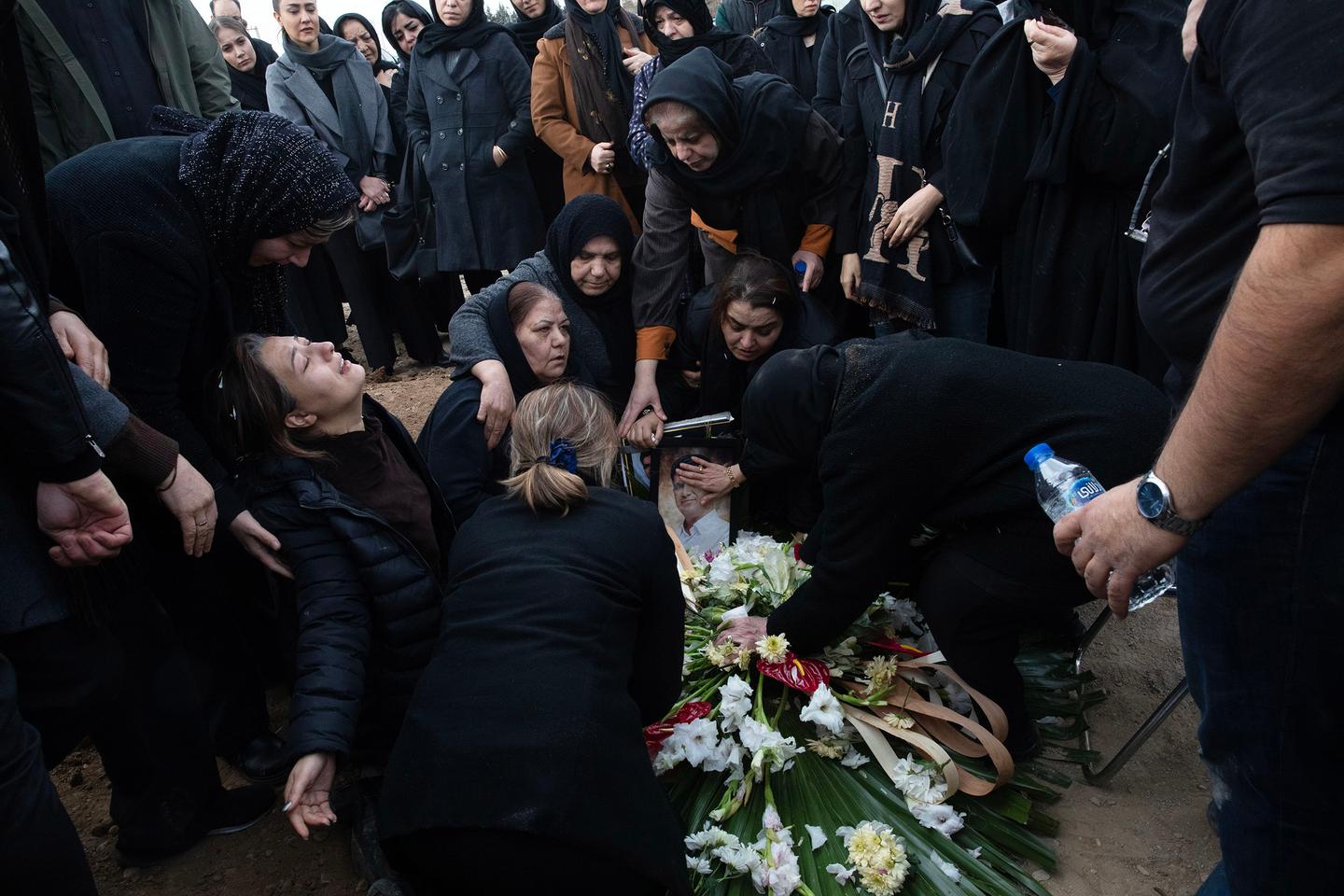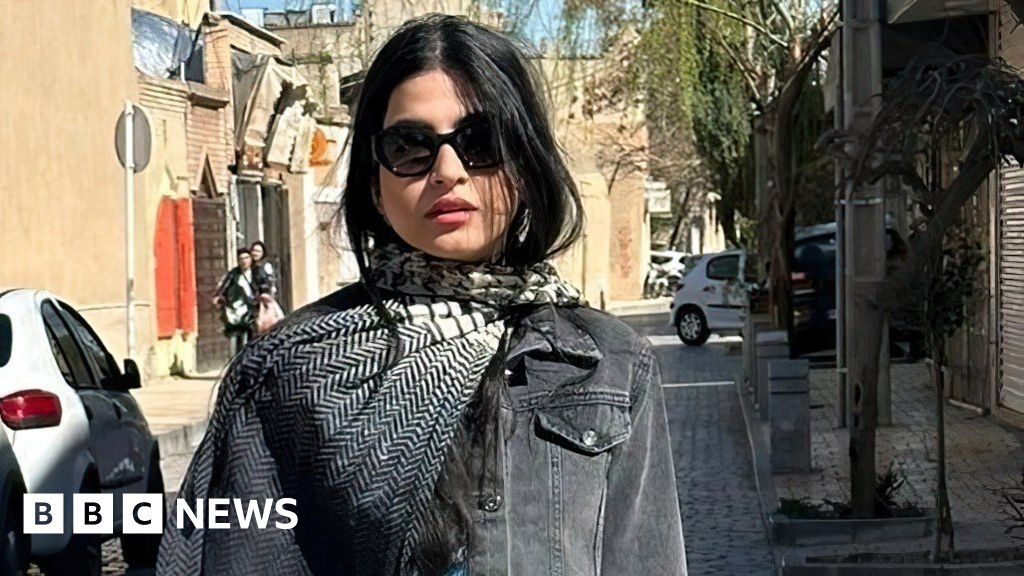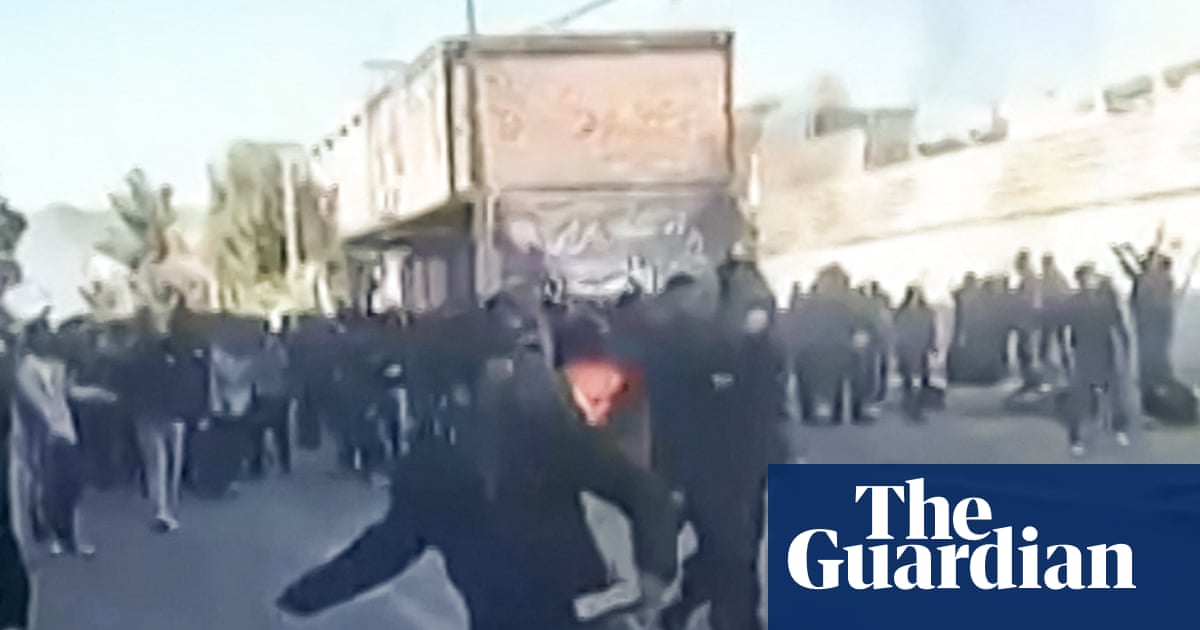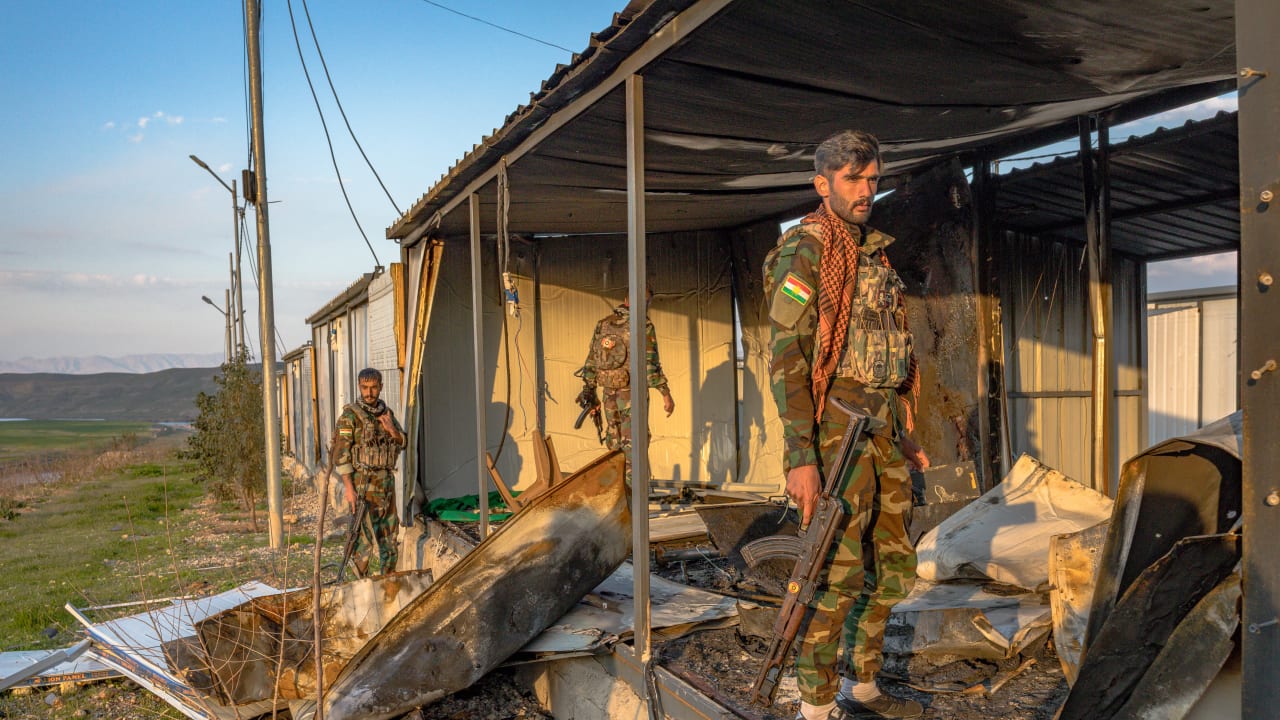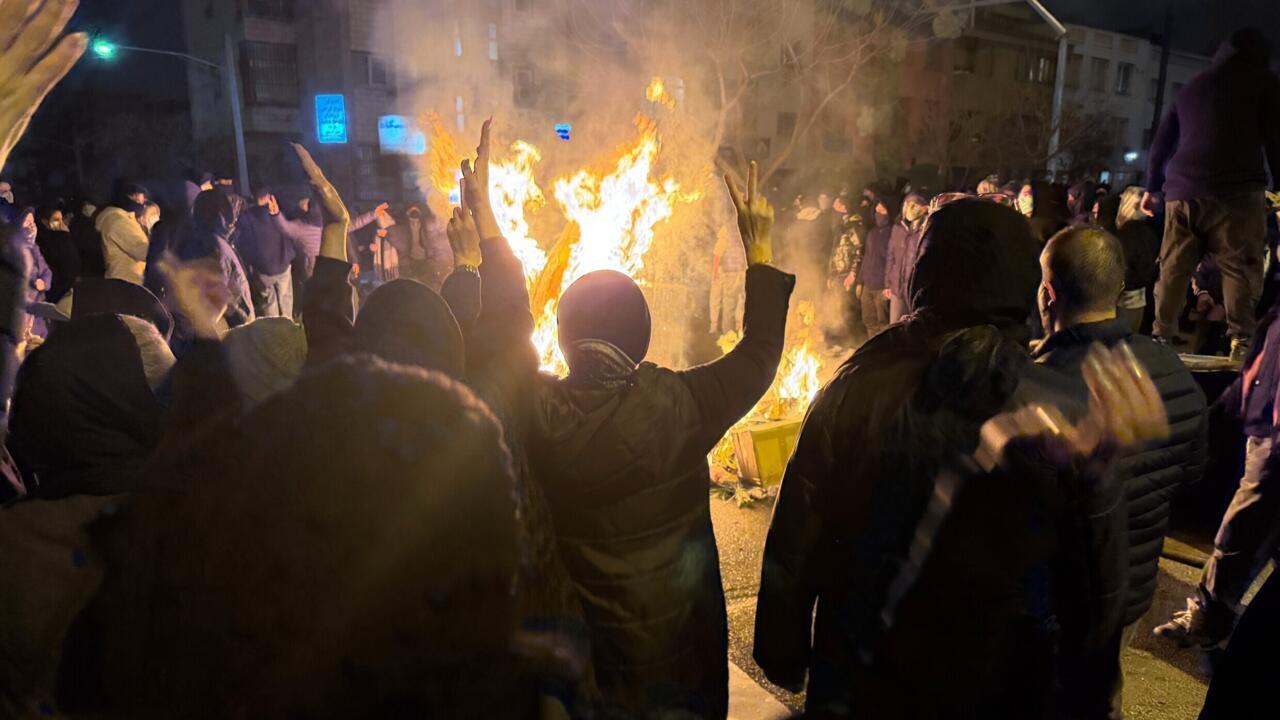
Three years after he fled Iran, Diako Alavi is getting by with little scraps of information about his large family living in cities and towns in the country’s northwestern Kurdish-majority areas. The internet and communication blackouts that accompanied the regime’s recent crackdown on protests have left him reliant on messages providing the barest, essential facts. "To be honest, I couldn't talk to all of them," explained the 37-year-old, who now lives in France. "I am not aware of the situation of all of them, but I just heard that we are safe. We are still alive." The situation this time in Alavi’s hometown of Saqqez in Iran’s Kurdistan province appeared to be a lot calmer than during the previous wave of anti-regime protests. Saqqez is also the hometown of Jina Mahsa Amini, whose death in police custody in September 2022 sparked the "Women, Life, Freedom" movement. Alavi, like many townspeople, attended the young Kurdish woman’s funeral in Saqqez and joined the first protest that sparked a nationwide opposition movement. Months later, the high-school English teacher in a local school was forced to flee after spending two weeks in prison for participating in the protests that put Saqqez in the international spotlight. Read moreDeath of Mahsa Amini: Iranian school teacher flees to France after arrest The situation this time in his hometown was different, Alavi explained. "The protests were very limited in some of the Kurdish areas this time," he said. “Maybe they were afraid of the huge suppression, which we see is happening in other cities." While the 2022-2023 protests spread from the Kurdish periphery to the centre, the latest demonstrations erupted in the country’s commercial beating heart: Tehran’s Grand Bazaar, where merchants on December 28 voiced their frustration over the currency crisis, igniting another nationwide flame of discontent.
Iran’s military-grade crackdown expands from Kurdish areas – and Kurds fear the worst
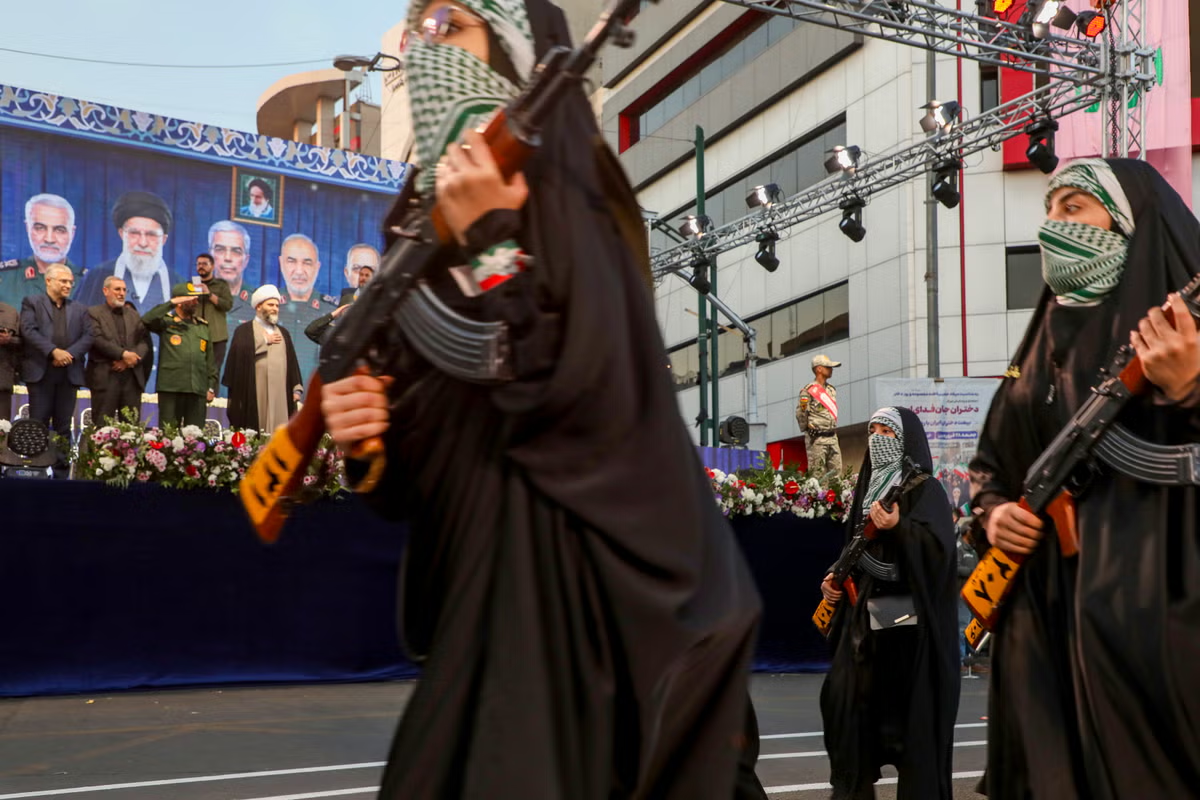
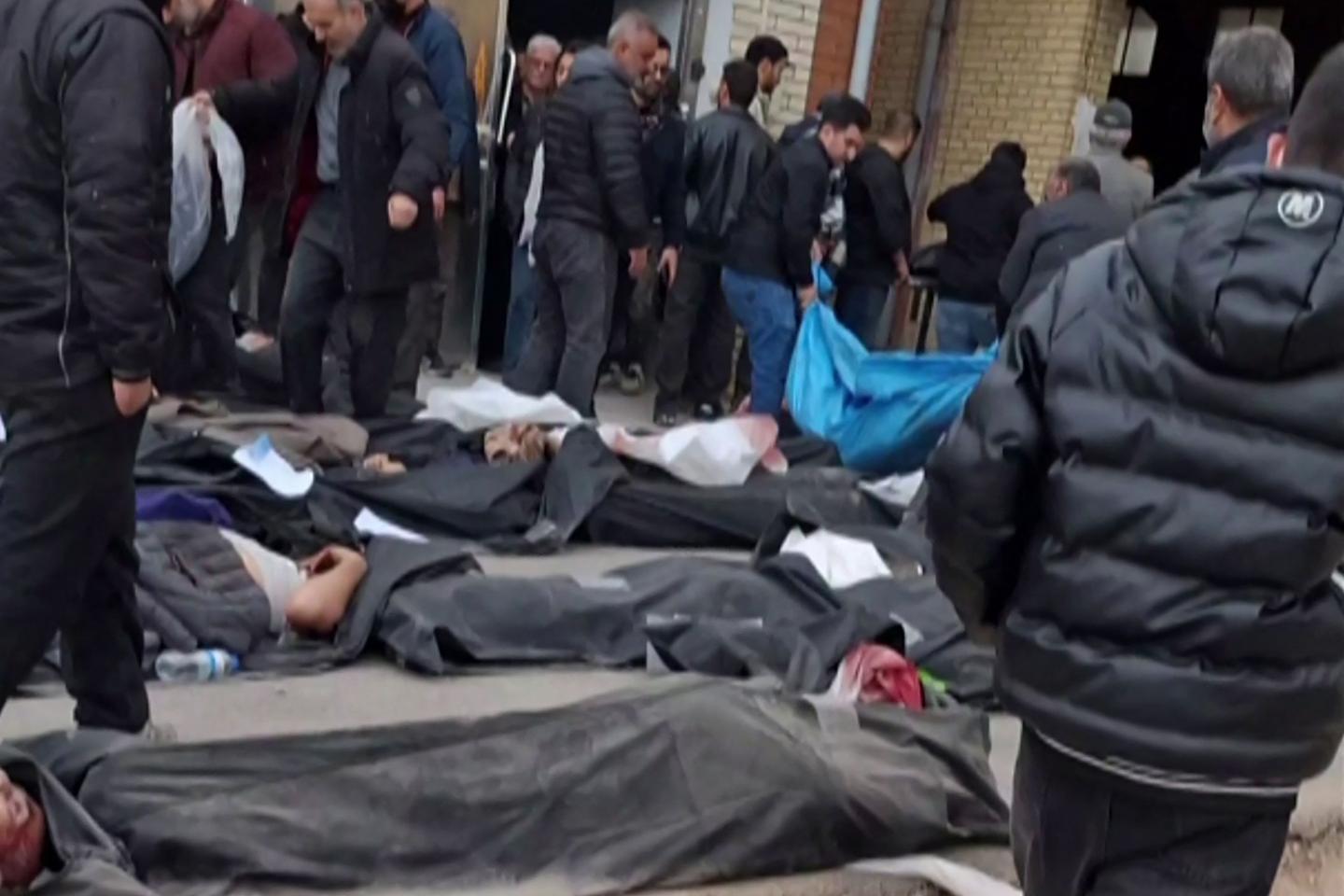
The Iranian regime’s recent crackdown on protests in Tehran and the country’s central region featured the use of military weapons, such as automatic or semi-automatic machine guns, that were previously…
2,411 words~11 min read