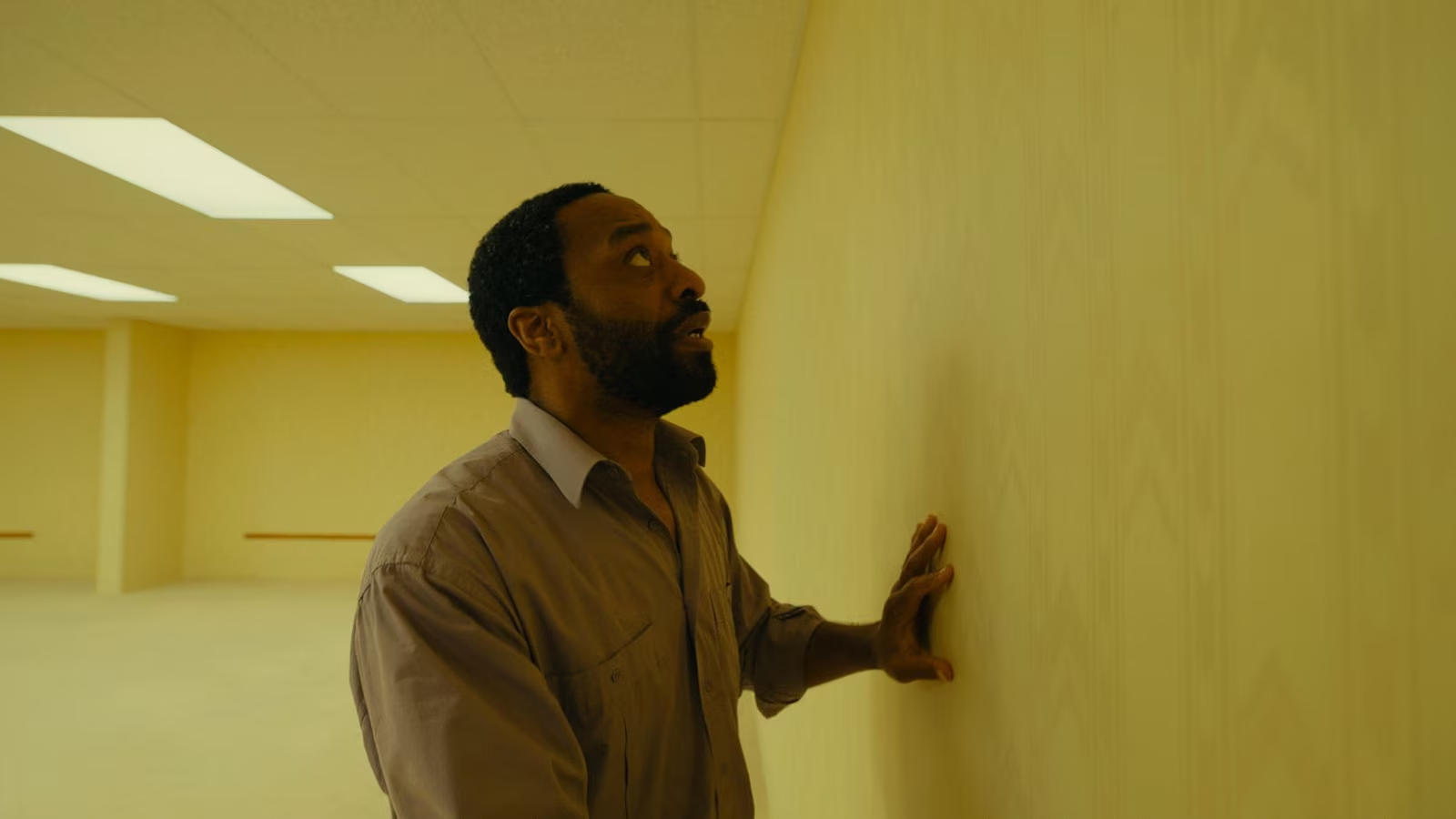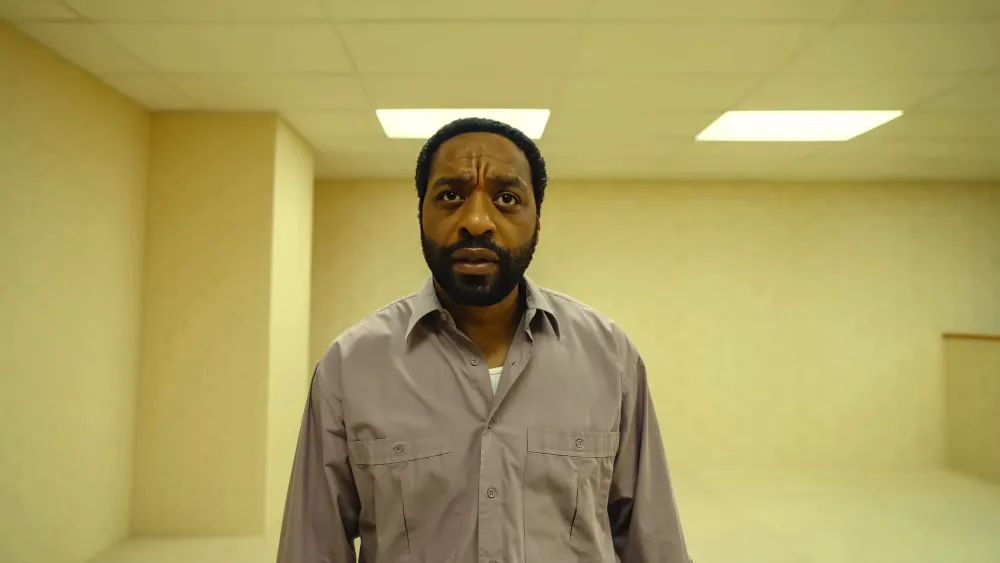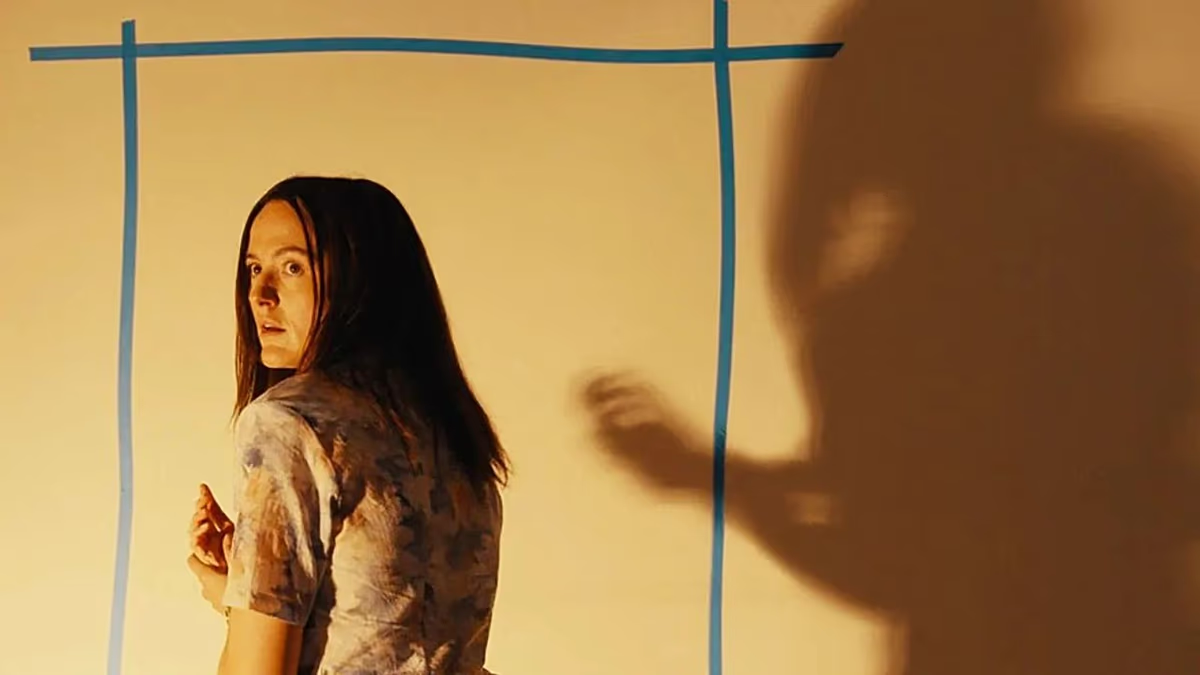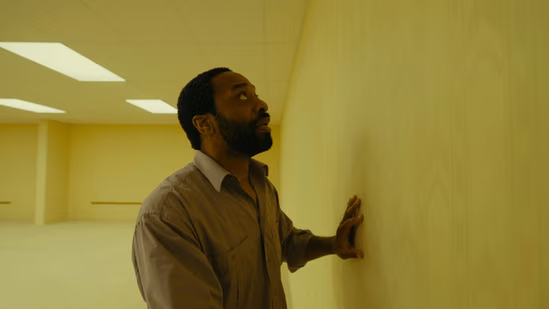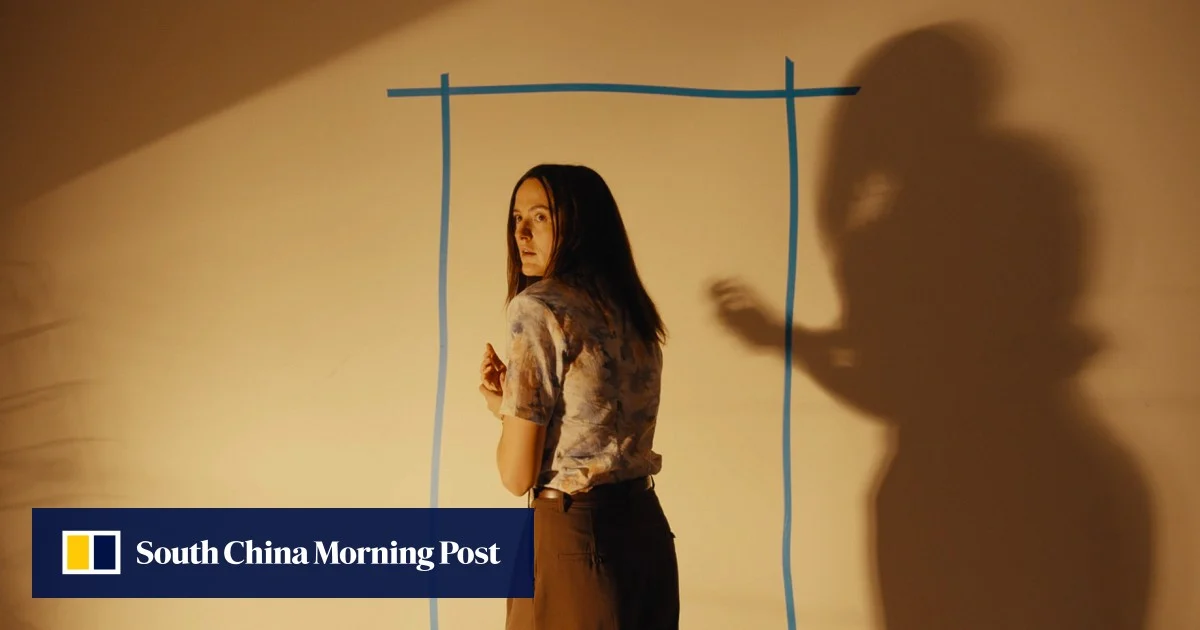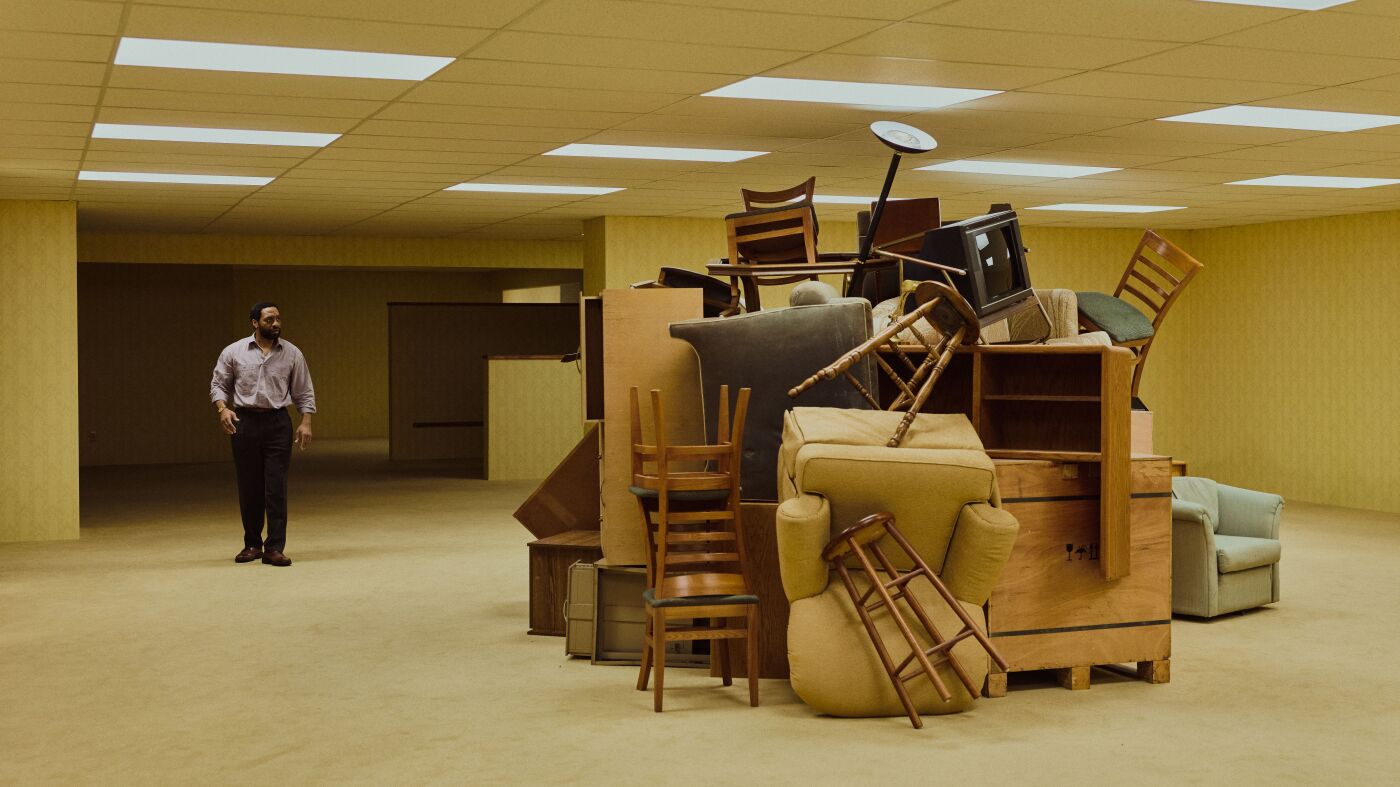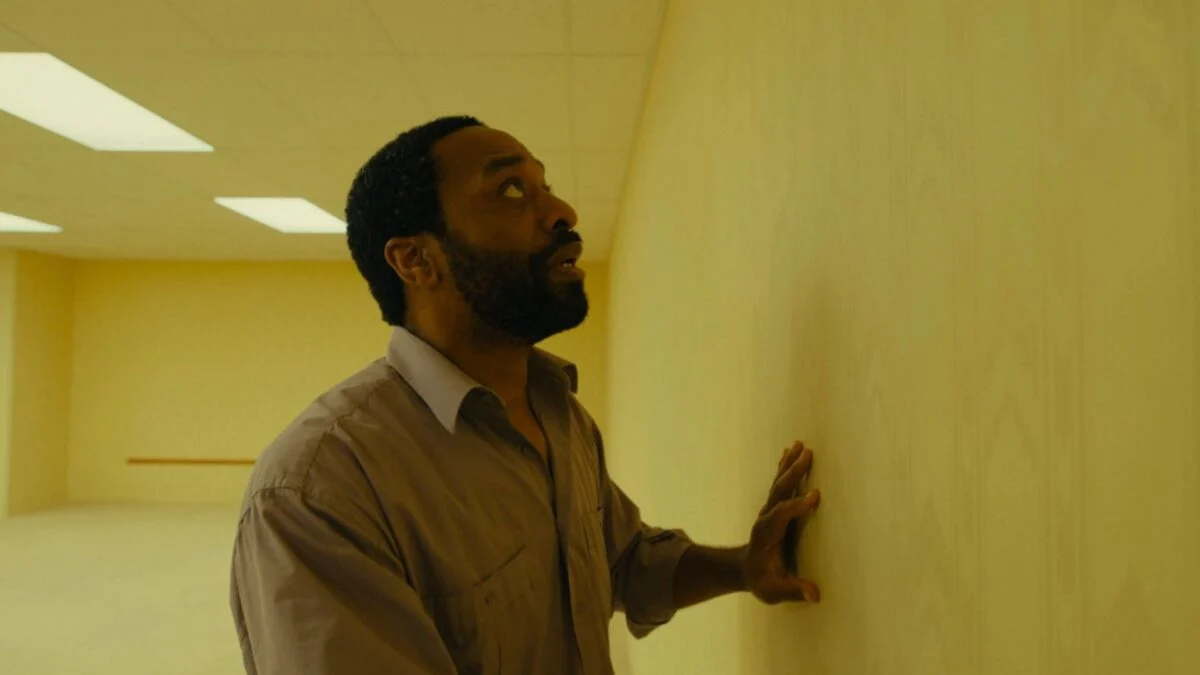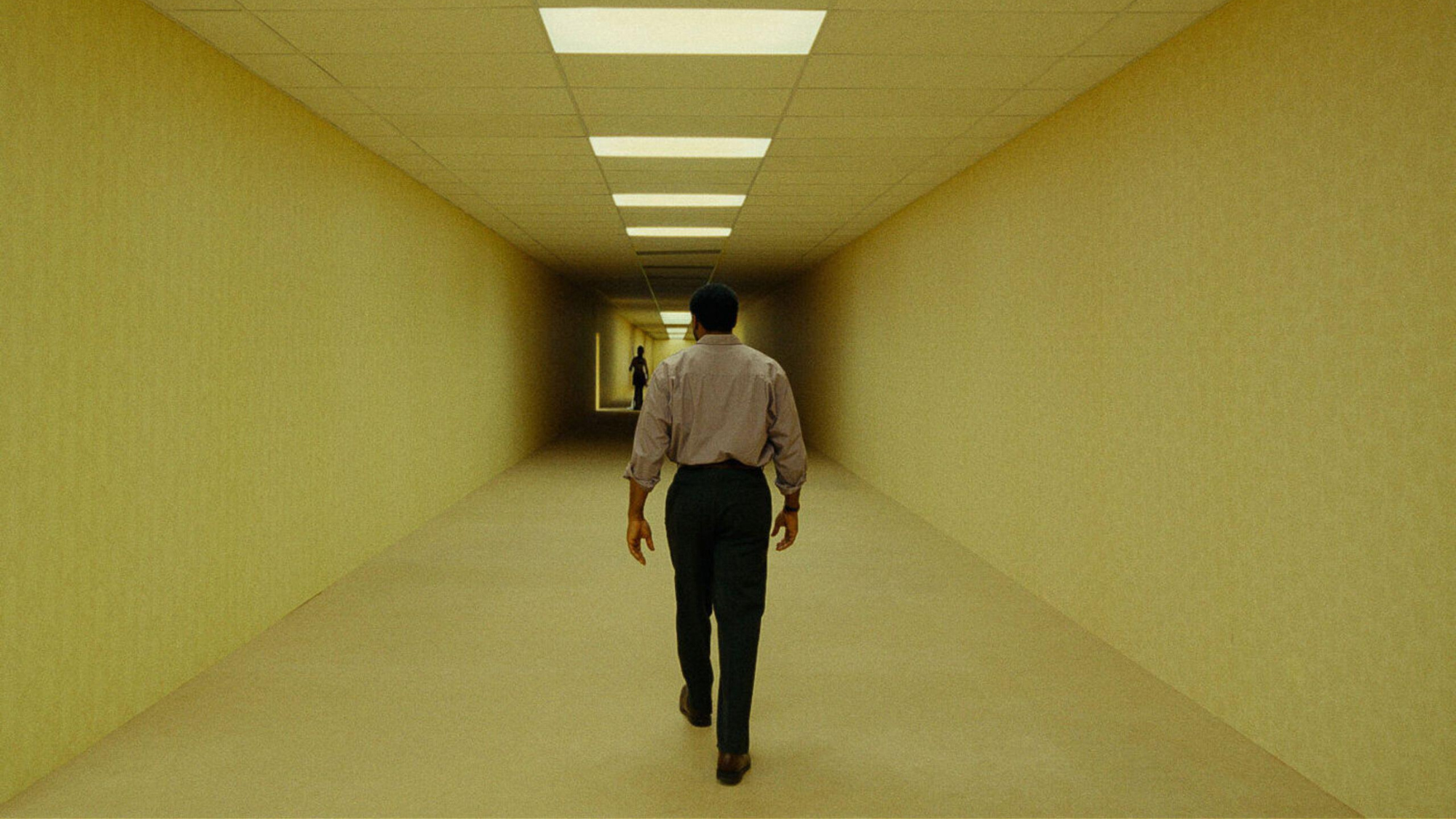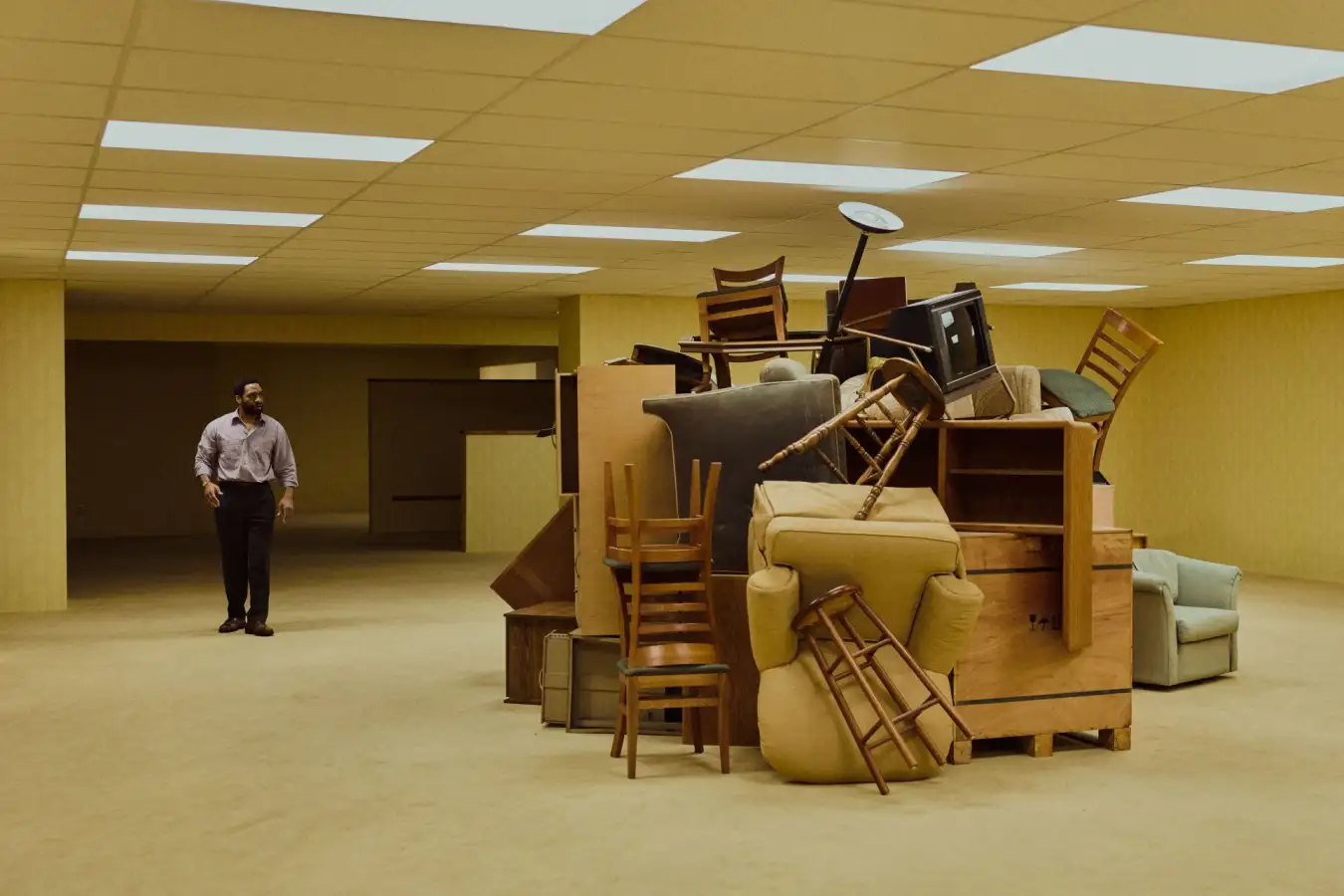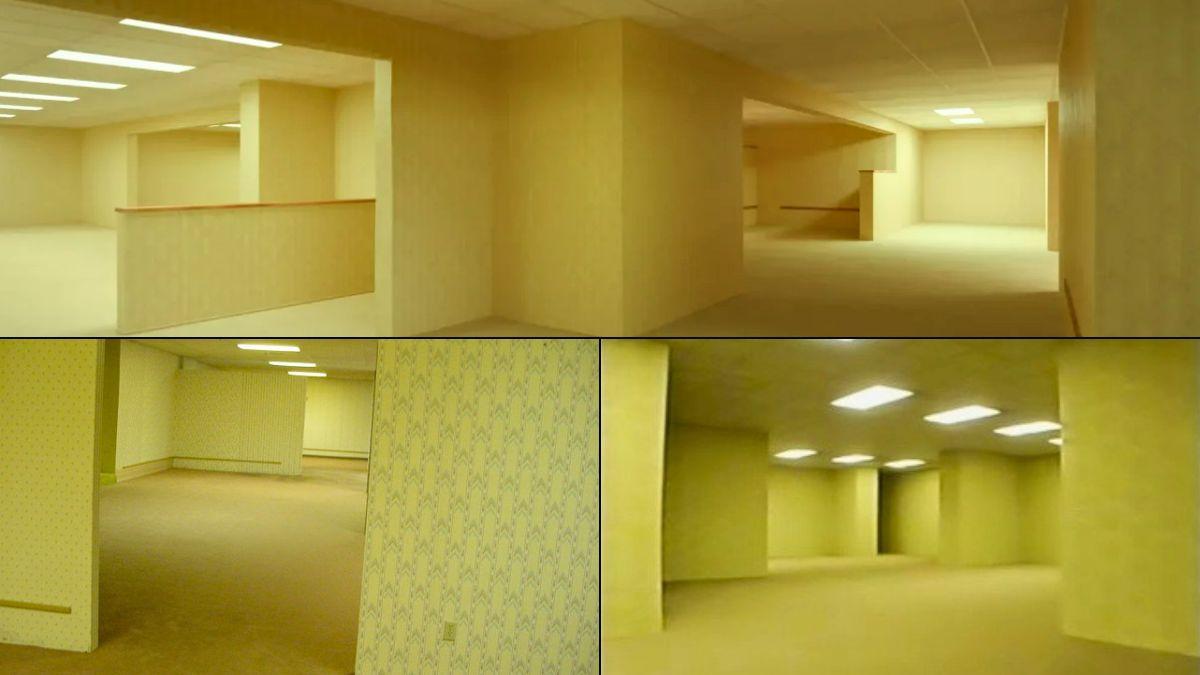
A promotional poster for Kane Parsons' 2026 horror film "Backrooms" / Courtesy of A24Horror movie "Backrooms" opened in Korea May 27, drawing in nearly 400,000 admissions in its opening week and quickly rising to the No. 2 spot in the box office amid heavy competition with highly anticipated blockbusters."Backrooms" is a horror movie directed by 20-year-old Kane Parsons and based on his miniseries on YouTube of the same title, featuring infinitely sprawling and vaguely nostalgic rooms and passageways — in-between spaces beckoning the foolish and the foolhardy to enter.While the iconic mildewed wallpaper and the hum of fluorescent lighting are hard to find, the aesthetic of liminality — of being in between destinations — is one that has resonated with many viewers. Following the movie's release, a crowdsourced "Backrooms Map" launched, allowing for intrepid urban explorers to visit spaces around Korea that seem transient and half-remembered.Liminal horror draws in younger audiencesThe original image used to describe the Backrooms, uploaded May 12, 2019. Captured from the internetThe concept of the Backrooms, originating in a post to an anonymous image board in 2019, is the face of liminal horror, a modern subgenre of horror that focuses around transitionary spaces in familiar locations such as hotels or schools that are, unsettlingly, devoid of people.Liminal horror exploded in popularity in 2020, when COVID-19 lockdowns across the world produced eerie landscapes of empty malls, schools and airports — places that are so often remembered and imagined with bustling crowds that the absence carried a strong feeling of wrongness.The subgenre taps into a new kind of fear, one that has rooted itself in the mind of younger generations who have spent their whole lives in a crowded urban environment. It touches upon the idea of oppressive cityscapes devoid of nature, repressed childhood traumas that can only be traced like an imprint and the unthinkable idea of solitude.When one is used to anonymity among the unending crowds of people, solitude carries with it an unbearably oppressive vulnerability.In search of K-BackroomsMultiple locations around Seoul are marked on the Backrooms Map, Monday. Captured from Backrooms Map websiteWhile the idea of finding the Backrooms in Korea may seem absurd at first, a quick search on social media shows a continuous trickle of content showcasing Korean liminal spaces, from undeveloped sections of subway stations to derelict buildings where tenants never moved in.Perhaps it is unsurprising that Korea, in its rapid modernization, has seen its share of liminality, where spaces exist awaiting purpose.Once only documented through word of mouth, Korea's liminal spaces are drawing attention following the debut of Parsons' "Backrooms" film. One website offers a crowd-sourced map of the Backrooms in Korea, which aims to catalogue liminal spaces that exist all over the Korean Peninsula. Currently there are 100 submissions across Korea, with each location displaying information such as its safety, accessibility or fear and liminality factor. The map accepts submissions from users, which undergo a vetting process before being added officially.The map seems to act less as a list of destinations for anyone seeking a 'Grand Backrooms Tour,' but more an act of solidarity — anonymous users who all remember a space that has lost its purpose, trying and failing to retain a sense of normalcy.Prospective visitors to any such locations are advised to take necessary safety precautions, such as bringing along a flashlight, visiting in groups and letting others know where they are going.Clark, played by Chiwetel Ejiofor, stares at a pile of furniture in the Backrooms. Courtesy of A24In Parsons' "Backrooms," the titular location functions as a refraction of reality, created from of the memories and traumas of the protagonists, inhabited by half-remembered copies of real-world denizens. The Backrooms — and the popularity of liminal spaces as both a source of fear and comfort — are reflective of the anxieties of a generation raised in hyperconnected urban spaces. Perhaps Parsons' film, the "Backrooms Map" and the trend of liminal horror in general are a younger generation's attempt to come to terms with how they have been shaped by certain spaces, for better or for worse.
Eerily nostalgic liminal spaces become destinations in Korea's crowdsourced 'Backrooms Map' - The Korea Times
Horror movie "Backrooms" opened in Korea May 27, drawing in nearly 400,000 admissions in its opening week and quickly rising to the No. 2 spot in t...
677 words~3 min read