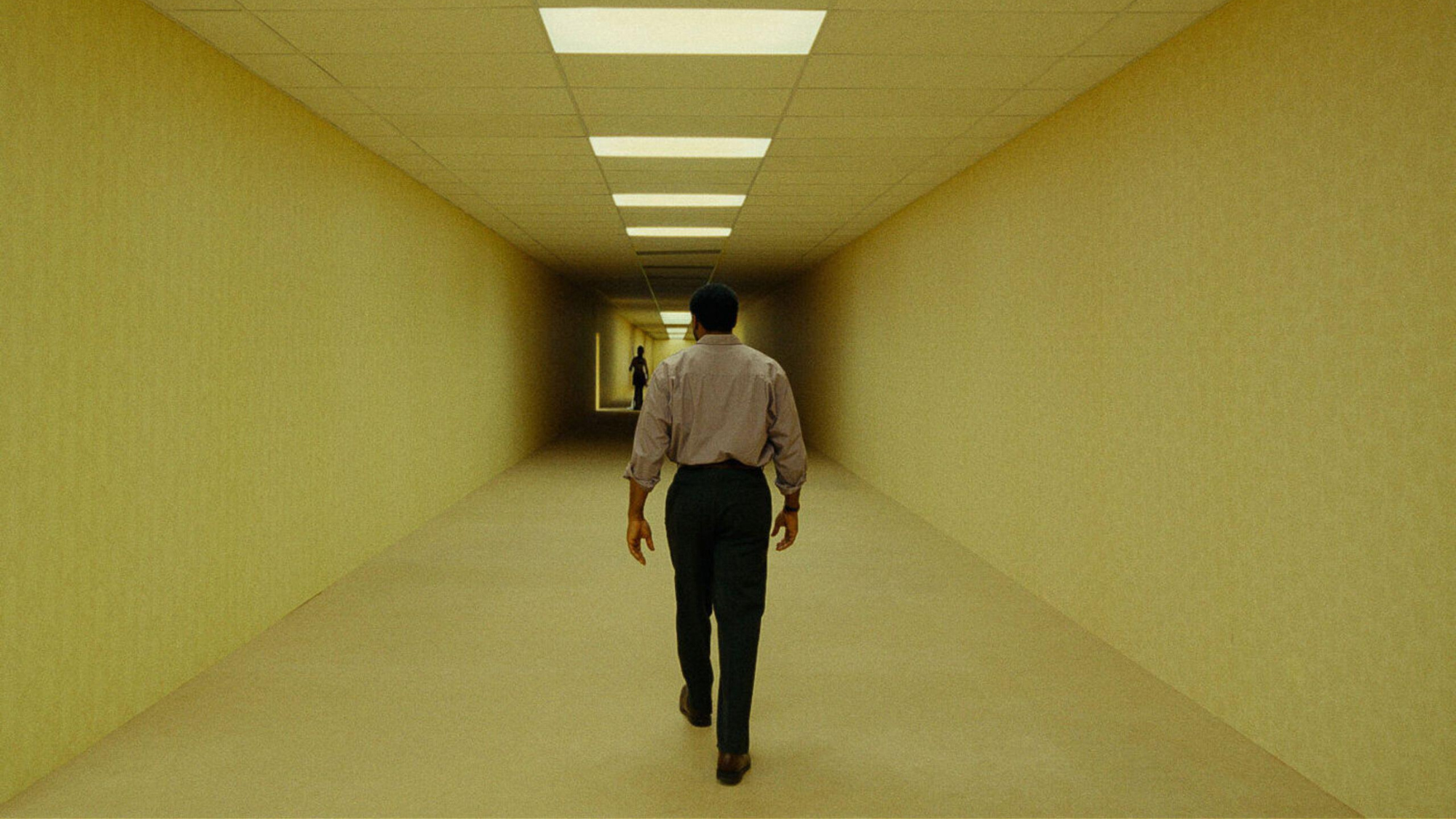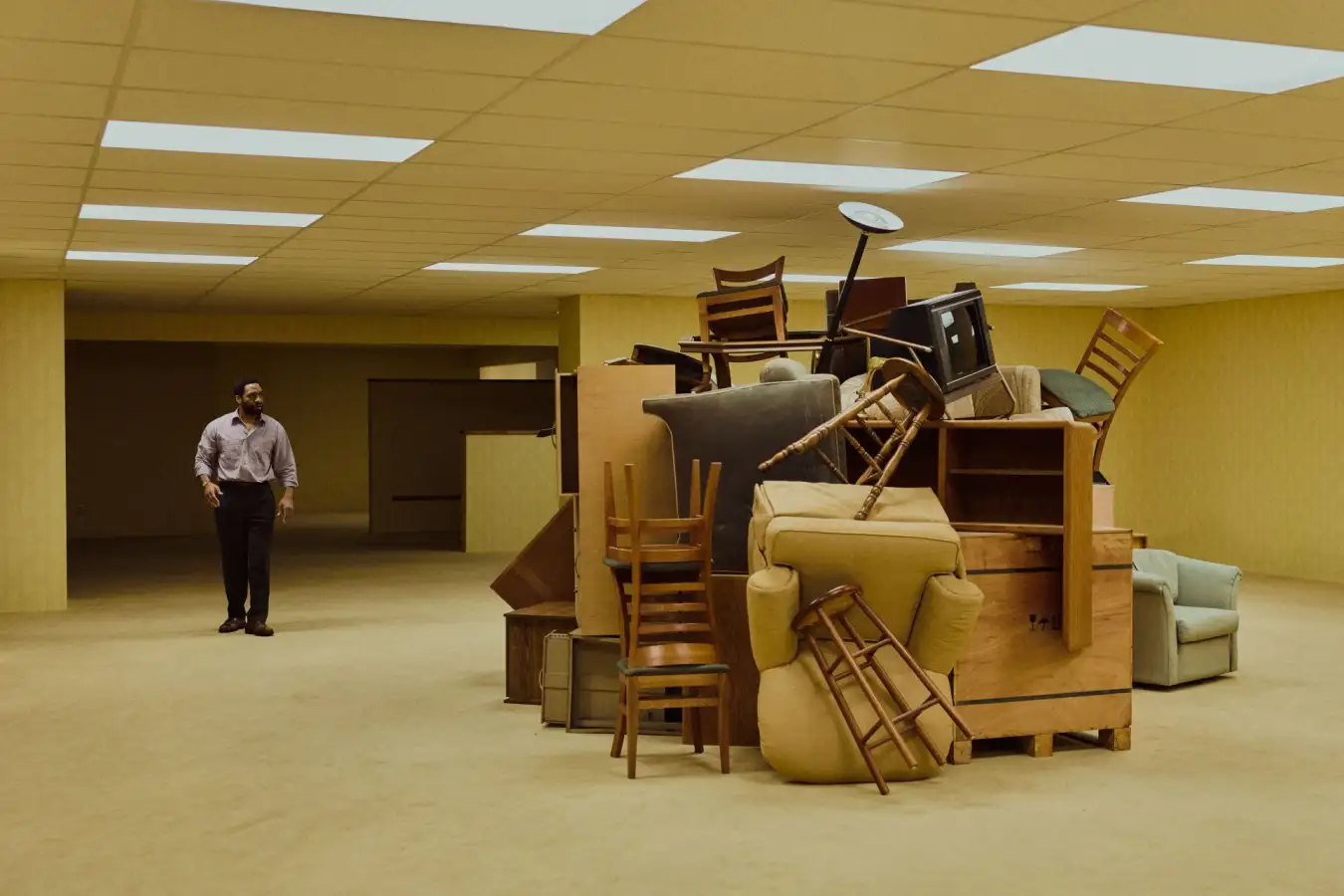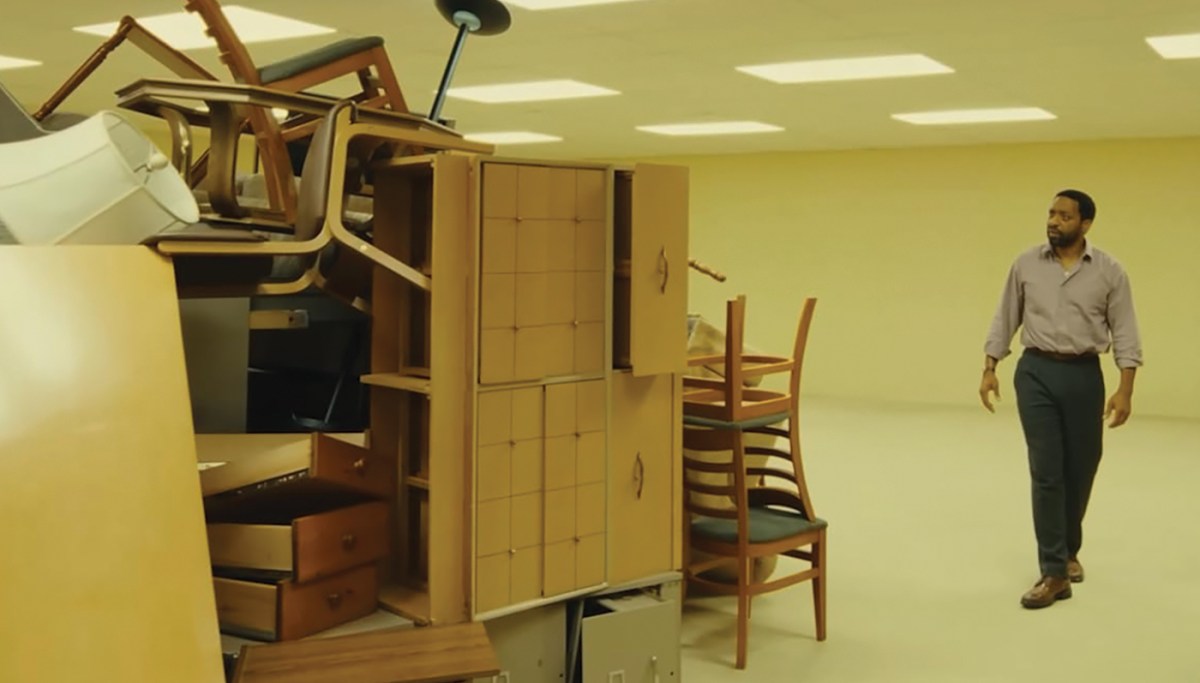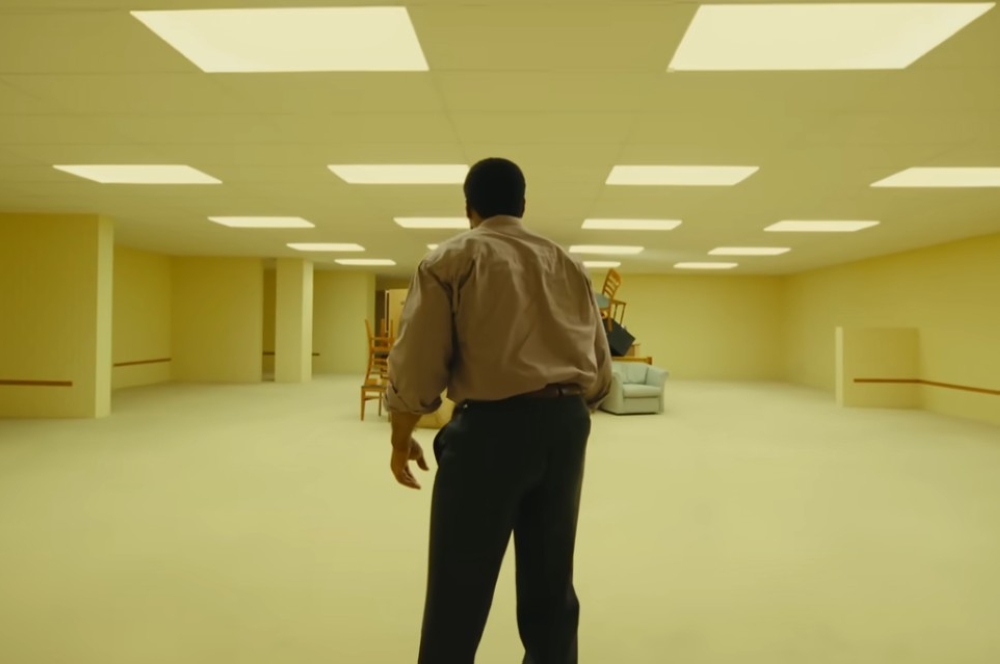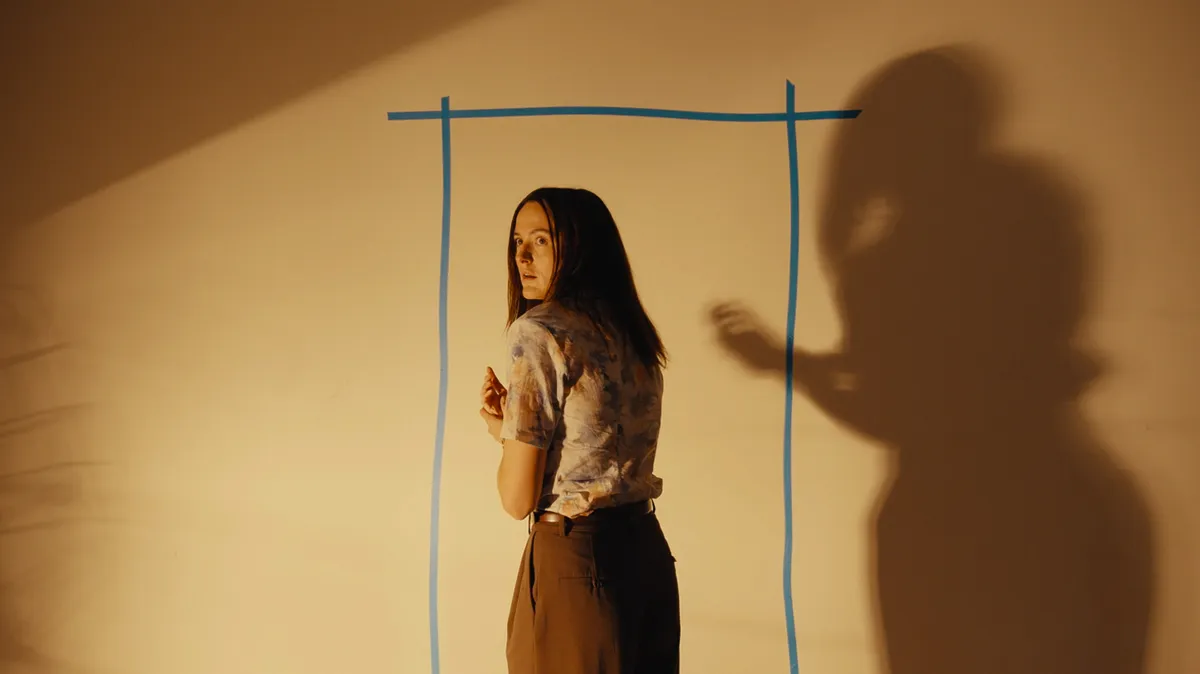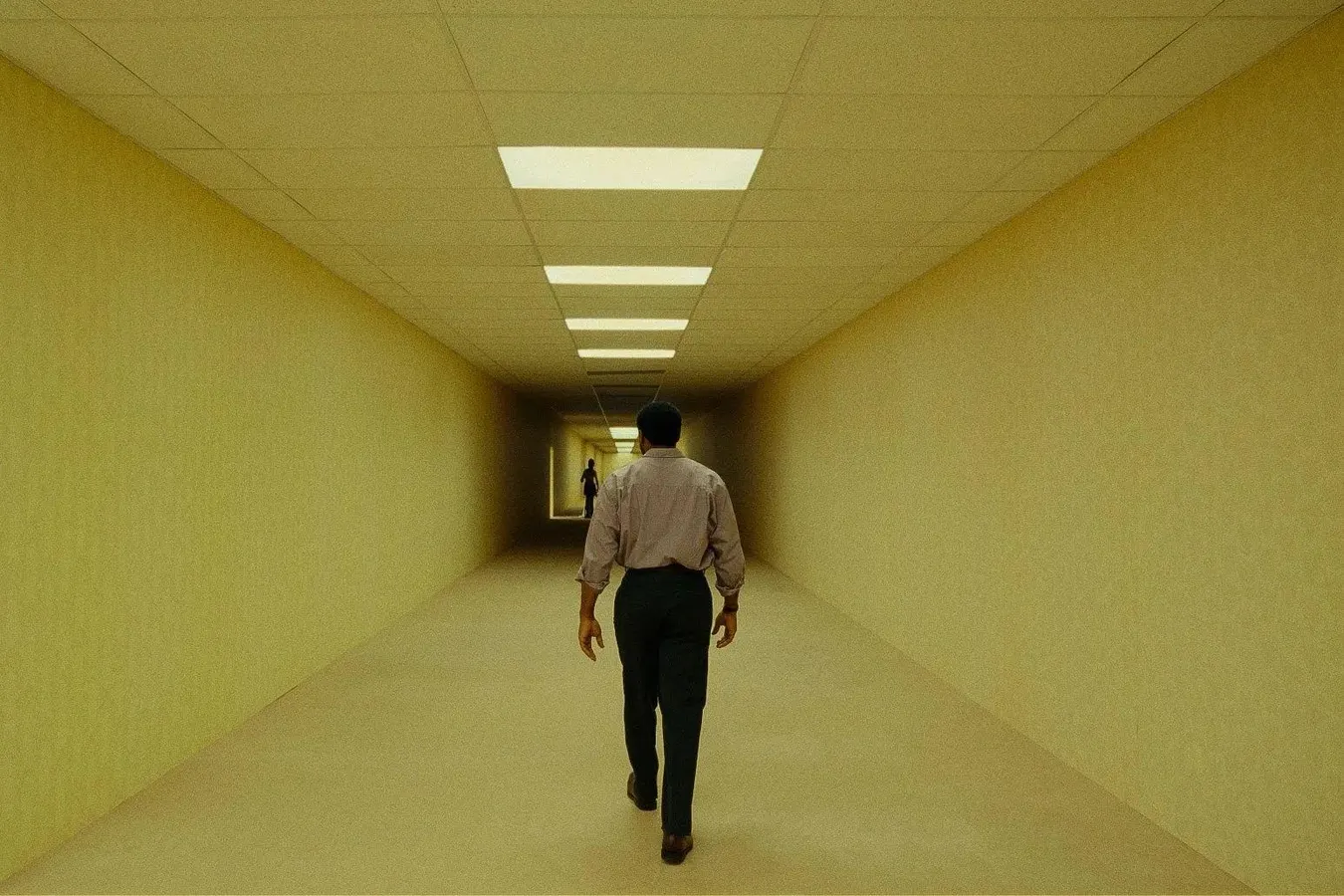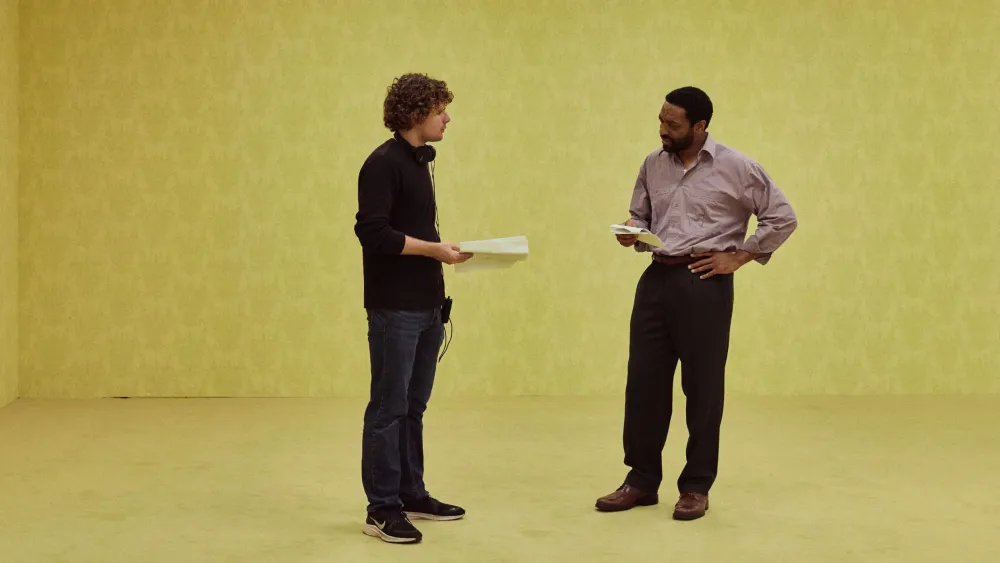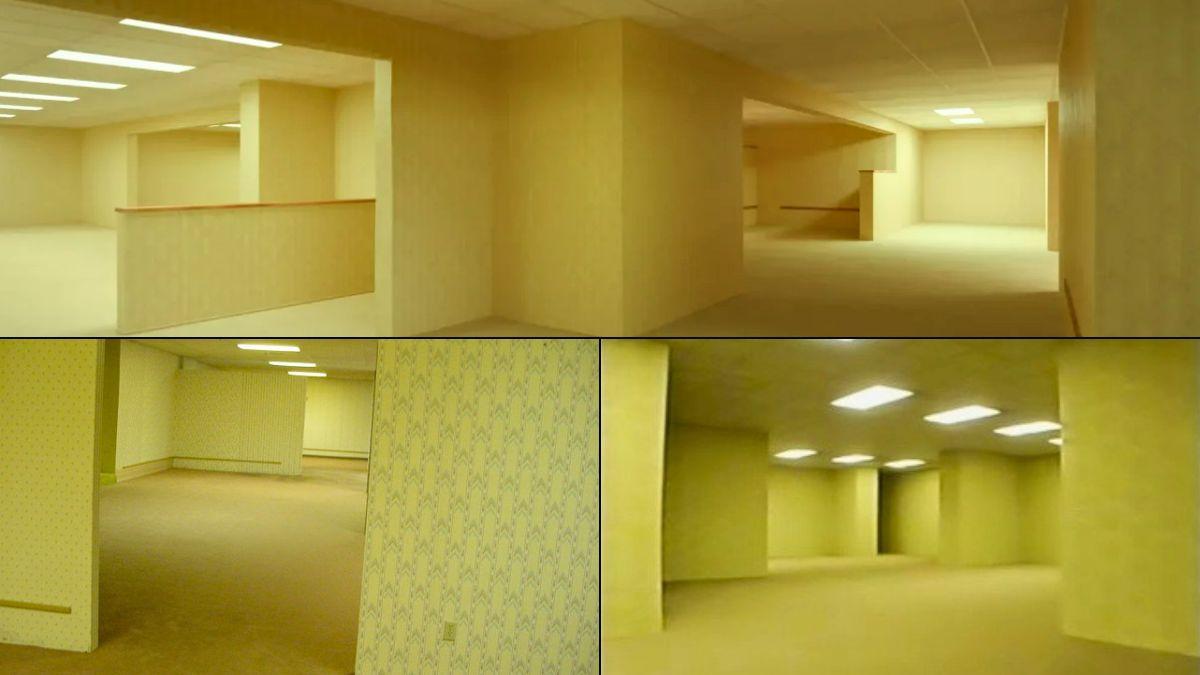
Kane Parsons was 17 when A24 hired him to direct a feature film. Four years later, the 20-year-old filmmaker has become the studio’s youngest-ever director, and his debut feature Backrooms has turned a niche internet horror story into a global box-office hit, earning more than $100 million worldwide and setting opening-weekend records for the independent studio. This weekend, movie watchers across India will encounter a piece of internet folklore that began with a single photograph and a few lines of anonymous text. For those new to the concept, here’s a quick guide to where the Backrooms came from, how it became one of the internet’s infamous urban legends, and why a maze of empty yellow rooms still haunts the entire online generation.To understand the Backrooms, it helps to begin with another internet invention: the creepypasta. The word emerged during the 2000s from “copypasta”, a term for text copied and pasted across chatrooms and message boards. Users began circulating short horror stories through the same process, which gradually produced a library of digital campfire tales featuring creations such as Slender Man, the faceless figure invented on the Something Awful forums in 2009; Jeff the Killer, a grinning murderer whose distorted image became one of the internet’s most recognisable horror icons; BEN Drowned, a story about a haunted copy of The Legend of Zelda: Majora’s Mask; and Candle Cove, a fictional television programme that seemed to exist only in its viewers’ memories. Unlike traditional horror fiction, creepypastas rarely belonged to a single author. Stories evolved through collective participation, with strangers adding details, rewriting lore, and expanding fictional universes across multiple platforms, and the Backrooms spawned through exactly that process. On May 12, 2019, an anonymous user on 4chan’s paranormal board (/x/), one of the internet’s most prolific incubators of urban legends, conspiracy theories, and collaborative horror stories, posted a photograph of an oddly unsettling interior space and invited others to share images that felt “off”.
What are the Backrooms? A beginner's guide to the internet creepypasta turned Box Office hit
The Backrooms movie is in theaters! Discover the strange history, viral origins, and terrifying urban legend behind the internet's creepiest yellow room.
1,319 words~6 min read