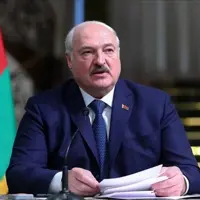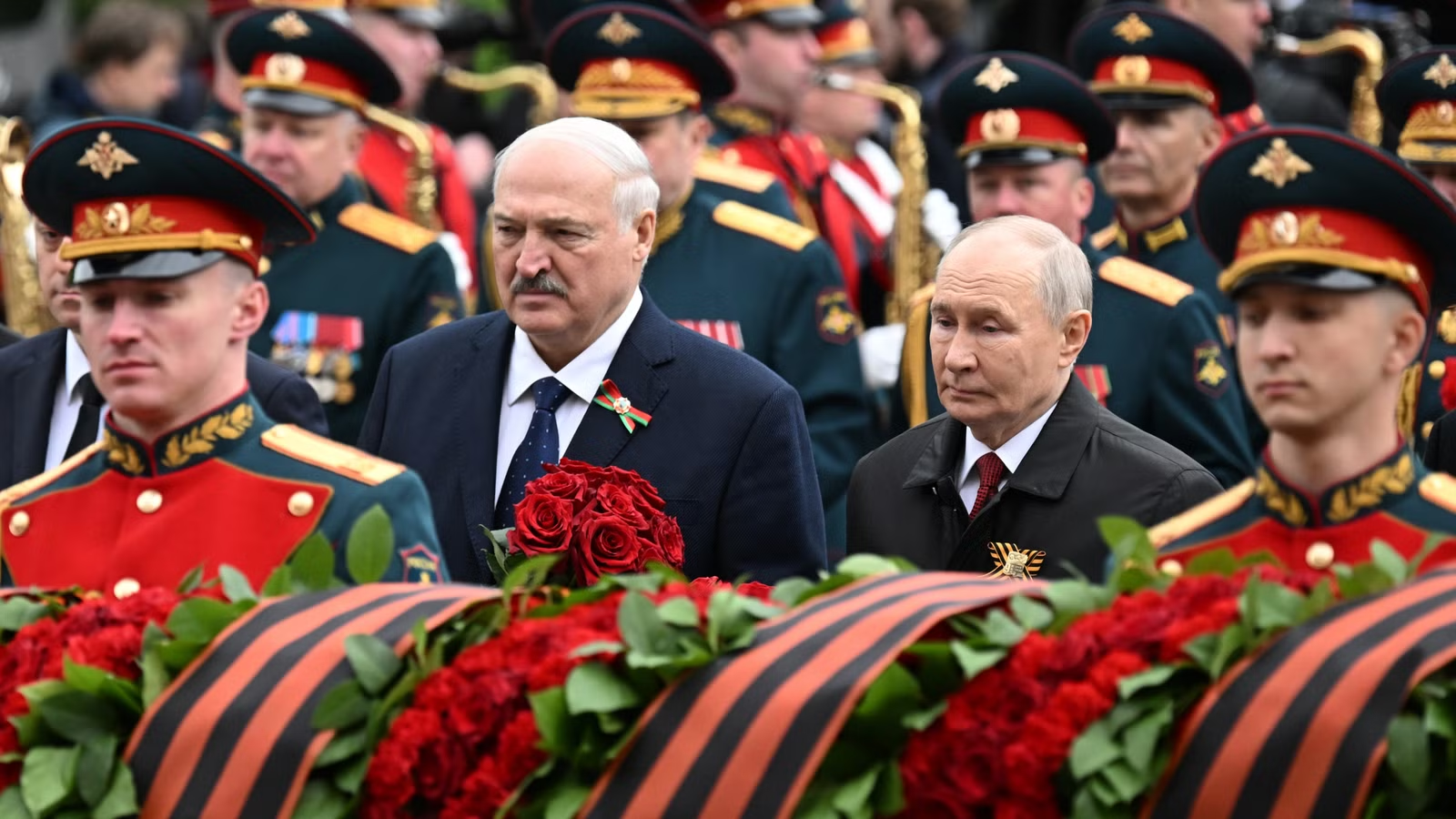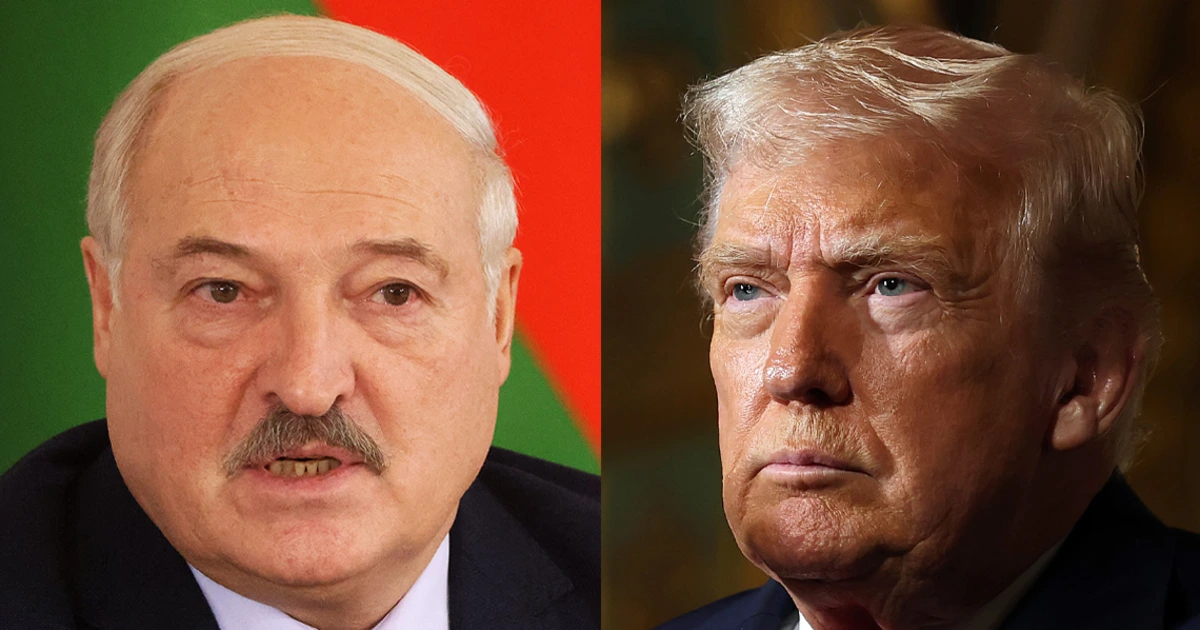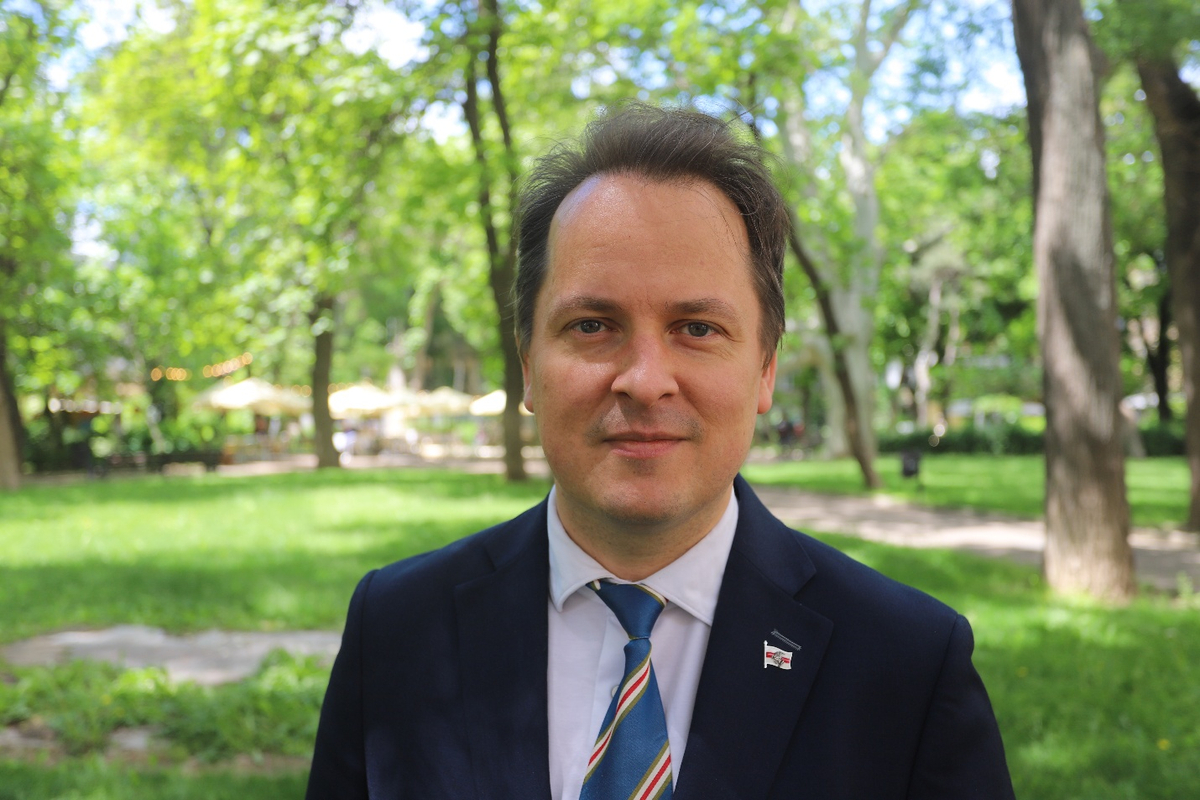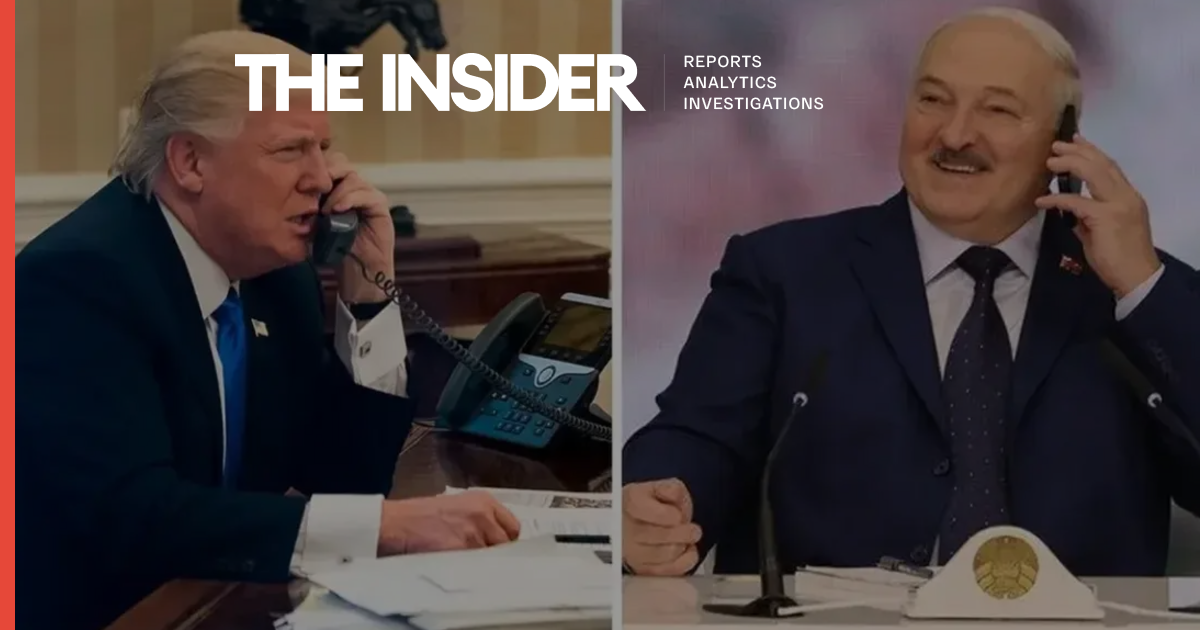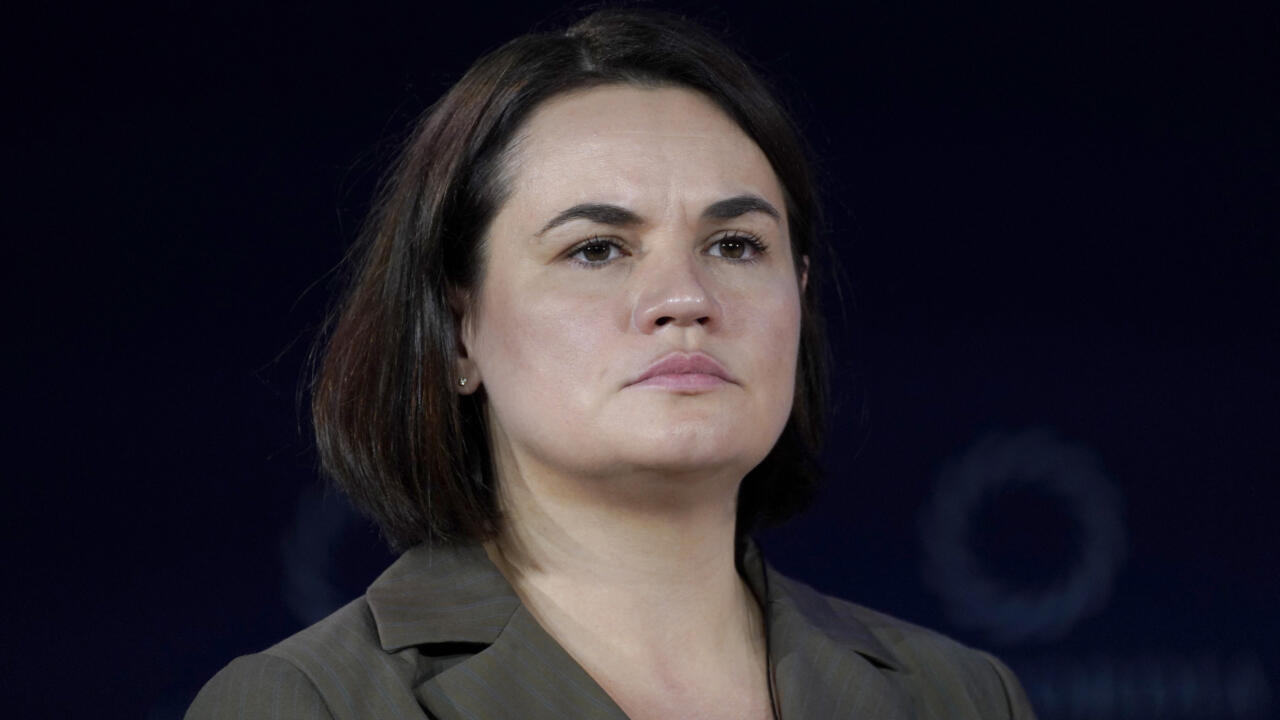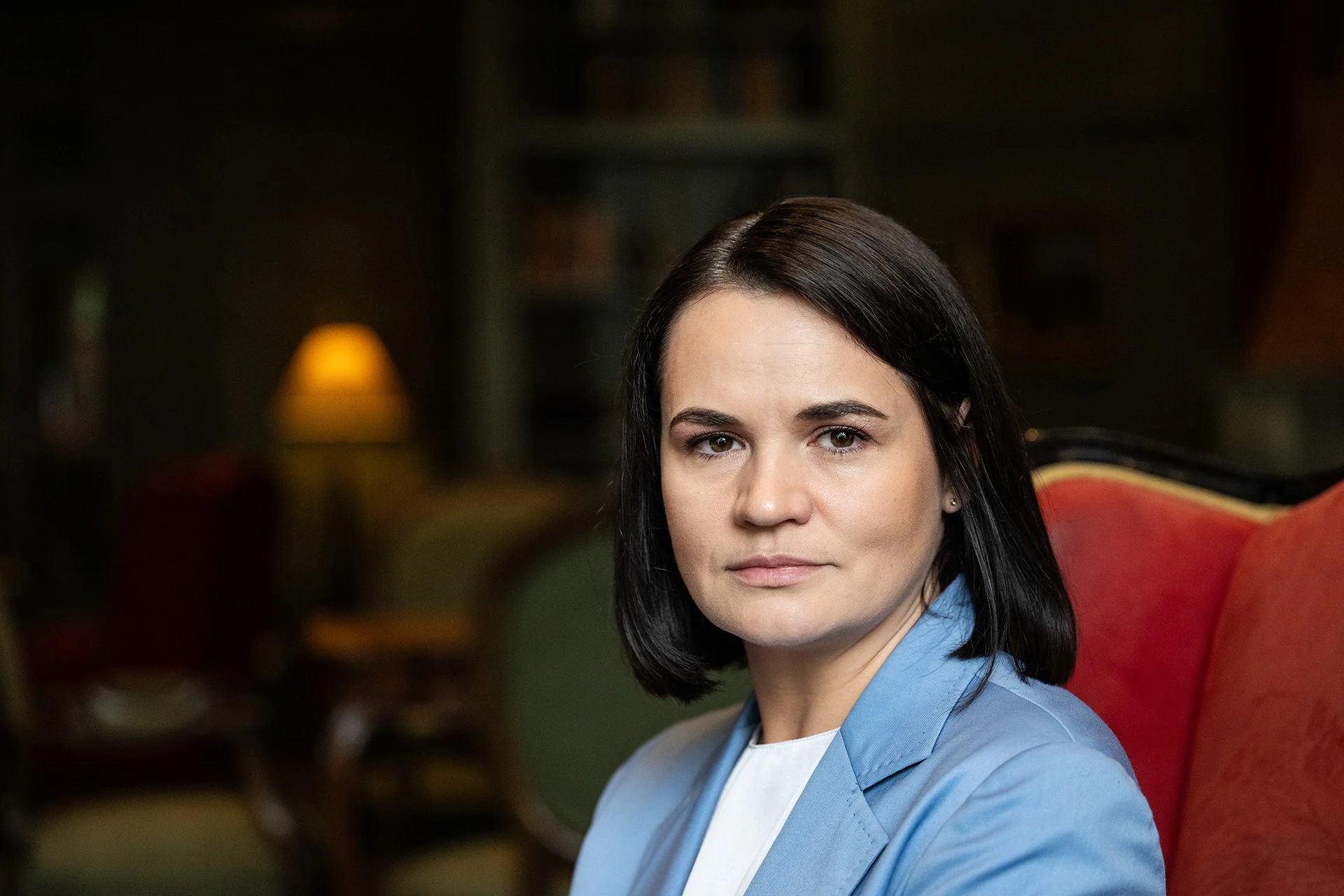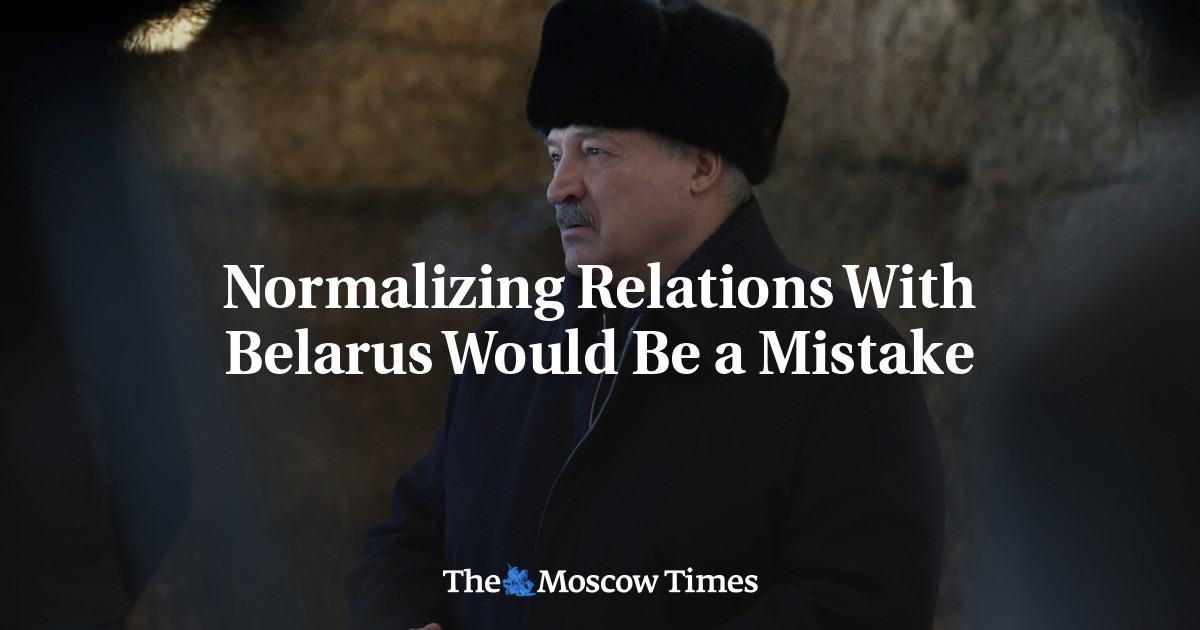
In recent months, some leading figures in the Belarusian opposition in exile have suggested that the West re-engage with the dictatorial regime of Alexander Lukashenko. The idea is far from fringe, with figures including Maria Kalesnikava and Siarhei Tsikhanouski, along with prominent experts such as Artyom Shraibman, publicly endorsing the idea.
It is hardly possible to claim to understand what drives this change of direction which presents Lukashenko not as an illegitimate dictator who should be ousted, but as a trustworthy partner. Conceivably, groups of Belarusian exiles are trying to regain prominence back home and draw donors’ attention by means of appealing to the popular fear of continuing repression, in general, and people’s concerns regarding the situation with the political prisoners, in particular.
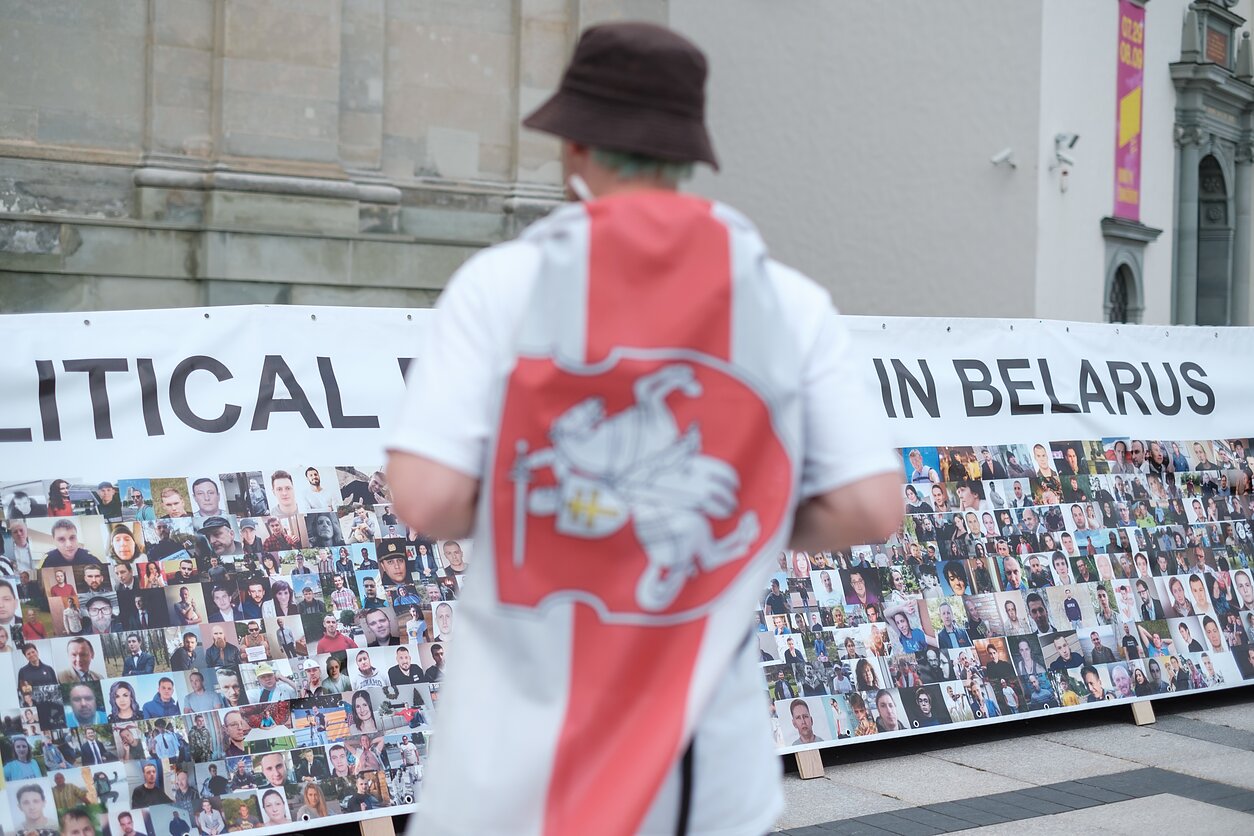
Currently there are over 800 political prisoners in Belarus. Although several hundred people were released in 2025-26, this figure is still three times larger than the number in the entire U.S.S.R. in the mid-1980s, when Mikhail Gorbachev came to power. Some of these prisoners were released after discussions between Minsk and Washington, while others had completed their sentences. Furthermore, as some prisoners are released, others are thrown behind bars to provide the regime with new bargaining chips.