Originally published by
Associated Press
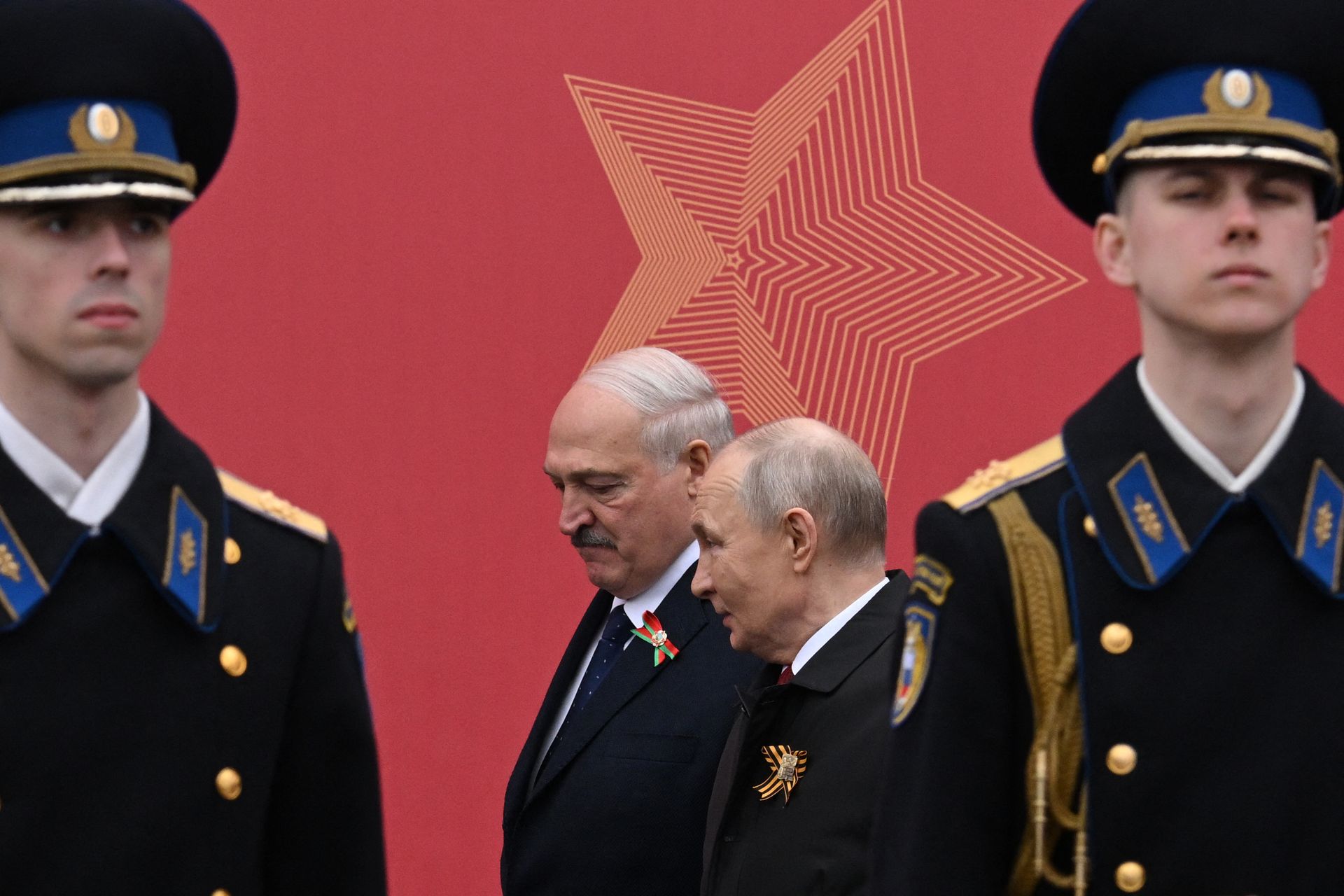
Over four years ago, Belarus' authoritarian President Alexander Lukashenko allowed longtime ally Russia to use his territory to invade Ukraine. Now officials in Kyiv are warning that Lukashenko could again allow his land to serve as a launchpad for more attacks by the Kremlin's forces. While Belarus has not contributed troops to battle, Lukashenko has backed President Vladimir Putin’s war effort by hosting Russia’s nuclear weapons and military infrastructure, as well as producing components for Moscow’s military industries. Earlier this month, the countries held joint drills of nuclear forces involving Russian weapons deployed in Belarus. Lukashenko, in power for over three decades, has ruled the nation of 9.5 million with an iron fist, relentlessly cracking down on dissent and relying on its close ties with Russia, as well as subsidies from the Kremlin's coffers, to counteract repeated Western sanctions. Military cooperation between Moscow and Minsk is increasingly worrying Ukraine’s allies.
Belarus’ role in Ukraine
When Putin began the full-scale invasion of Ukraine on Feb. 24, 2022, Russian troops that gathered in Belarus under the guise of drills dashed toward Kyiv, only about 90 kilometers (56 miles) south of the border. Putin’s hope of capturing Kyiv was quickly shattered by staunch Ukrainian resistance, and convoys of Russian tanks stretching along narrow roads became easy prey. A little over a month after the invasion, Russian troops that suffered heavy losses and struggled to maintain their supply lines pulled back from Kyiv and other areas they captured in northeastern Ukraine in what the Kremlin cast as a “goodwill gesture.” When Moscow tried to negotiate a quick end to the conflict weeks after its start, Belarus hosted the first talks between Russian and Ukrainian delegations. The talks moved to Istanbul but failed to produce a deal. As the conflict became a war of attrition, Belarus has played a key role in supporting Moscow’s war effort. Belarusian plants have produced important components, including microchips and other electronics, optical guidance systems, artillery munitions and heavy trucks that carry Russian ballistic missiles. Ukraine’s presidential envoy on sanctions policy, Vladyslav Vlasiuk, said fragments of an Oreshnik ballistic missile that Russia fired at Ukraine on May 24 contained microchips from Belarus. He urged Western allies to tighten sanctions enforcement against Belarus. Belarus also provided training grounds for Moscow's troops, hosted joint drills and offered its hospitals to treat wounded Russian soldiers. BELPOL, a group of former military and law enforcement officers who oppose Lukashenko, said the Belarusian industries have effectively been integrated into the Kremlin’s war machine. It says that over 500 Belarusian industrial plants are involved in manufacturing weapons and ammunition, repairing military equipment and providing logistics. “Lukashenko’s regime is quite seriously involved in the war,” BELPOL head Uladzimir Zhyhar told The Associated Press. “Lukashenko is helping Russia in every way he can.” In the Gomel region that borders Ukraine, construction has begun of a big firing range and barracks for large numbers of troops, Zhyhar said. Ukraine has been forced to maintain many forces at the border with Belarus, he added, keeping them from fighting Russian troops along the more than 1,000-kilometer (600-mile) front line.