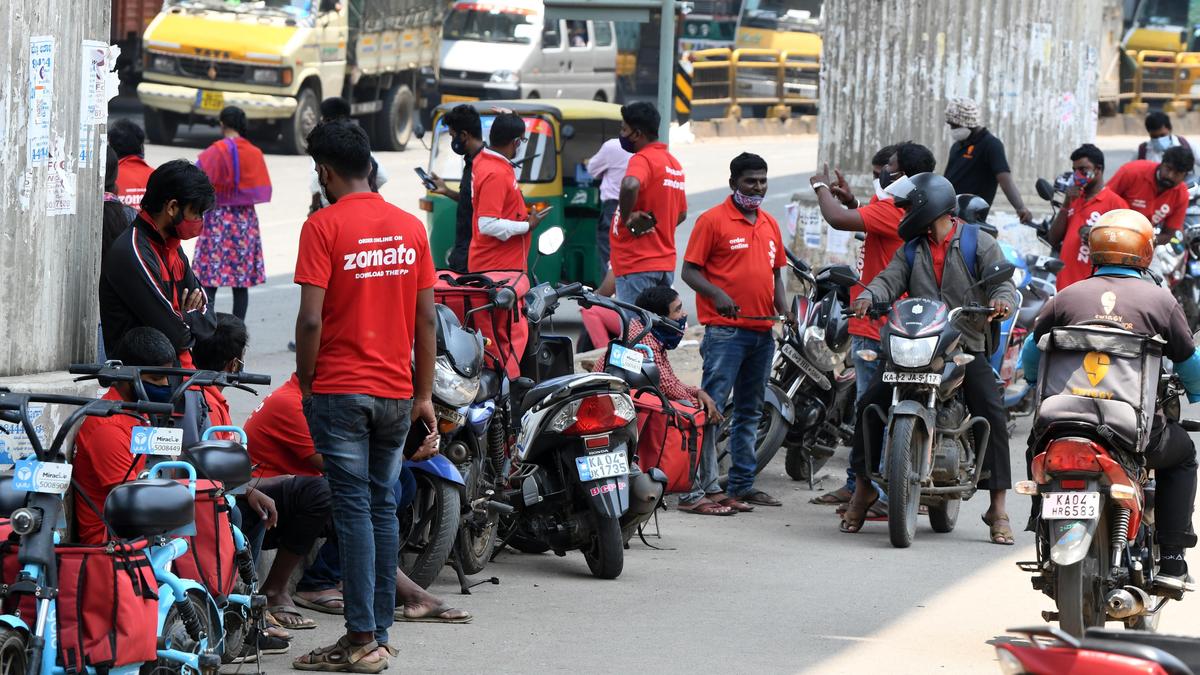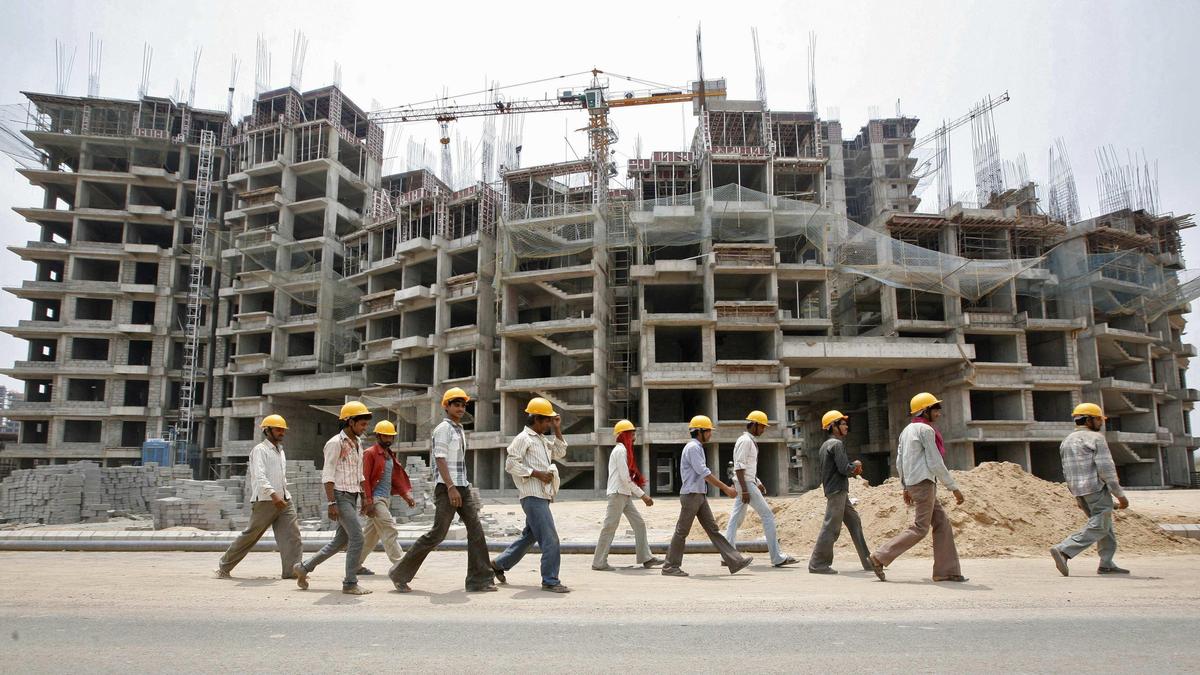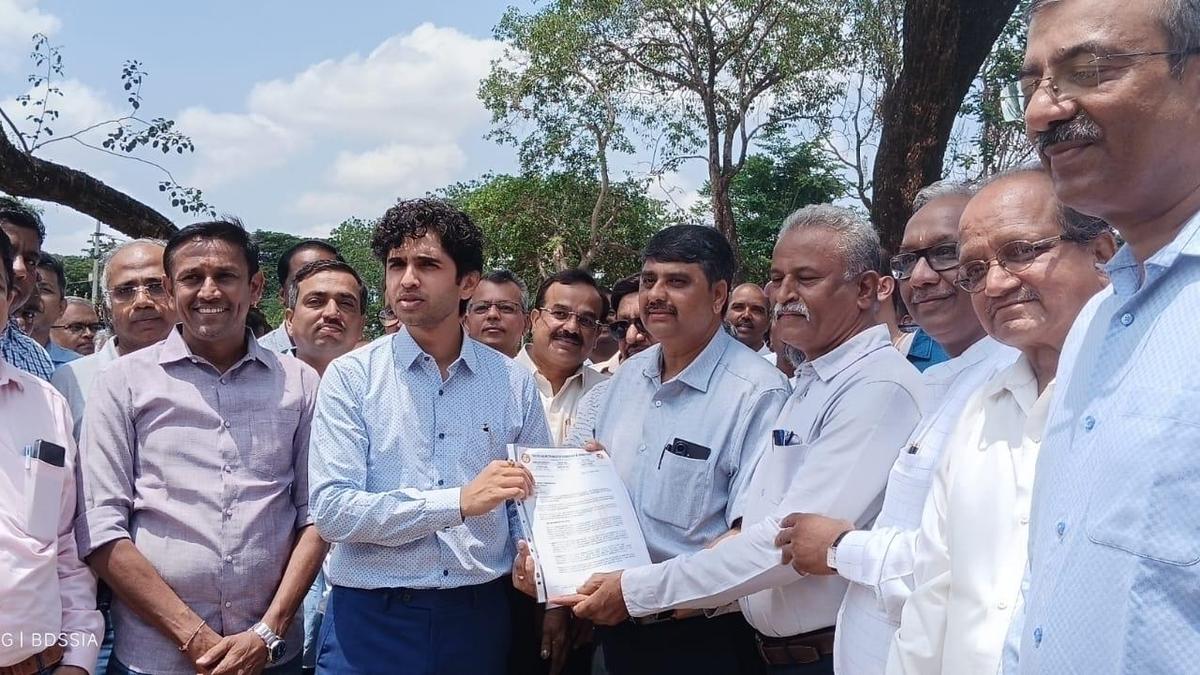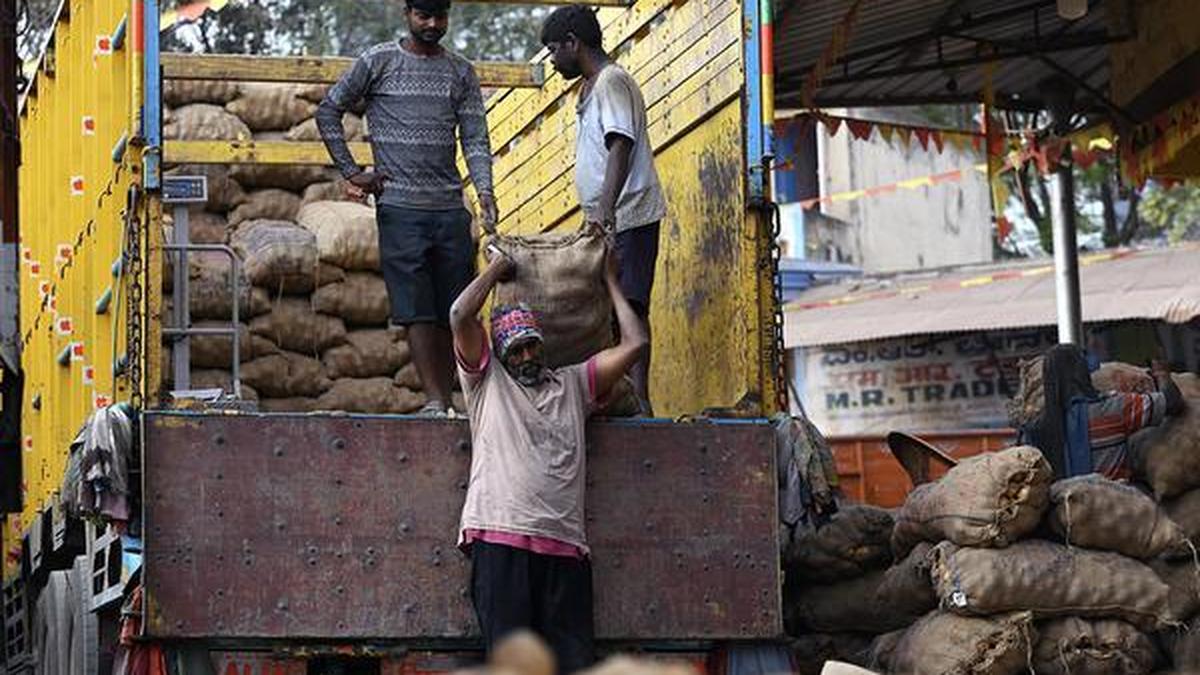
While the State government recently notified a revision of minimum wages across 81 scheduled employments, fulfilling a long-pending demand of workers, industry bodies across sectors are gearing up for a legal battle against what they describe as an “exorbitant, arbitrary, and economically crippling” wage hike. Associations representing builders, employers, the hospitality and hotel sector, and resident welfare groups are preparing to challenge the notification in court, arguing that the increase is irrational, disproportionate, and unsustainable for businesses already under severe financial strain. The Karnataka Employers’ Association (KEA) has already filed a writ petition in this regard to challenge what KEA termed an unreasonable and punitive revision that threatens the viability of businesses, particularly smaller establishments. Association representatives said the scale of the increase came as a shock to employers already reeling with rising operational costs and weakening business conditions, worsened by global uncertainties stemming from tensions in West Asia. They argued that the revised wage structure is detached from economic realities and places an unbearable burden on employers. “The minimum wages are adjusted annually for inflation through the Variable Dearness Allowance (VDA). Therefore, any quinquennial revision of minimum wages ought to be reasonable and measured, typically restricted to an increase of 10% to 15%, as has consistently been the practice in the past. However, an abrupt increase of nearly 60% even after accounting for inflation is highly arbitrary, oppressive, and economically ruinous,” said a representative of the hotel industry, adding that hotel associations are also planning to challenge the notification before the High Court. The representative further argued that the proposed increase would have far-reaching consequences across industries, especially for small and medium enterprises that account for a substantial share of employment in the State. “If the minimum wage hike is implemented in its present form, small establishments, particularly those engaged in parts manufacturing, will be hit the hardest,” he said. The associations also contended that Karnataka already has among the highest minimum wages in the country, ranking second only to the National Capital Territory of Delhi. They alleged that the methodology adopted in the impugned notification was unscientific and fundamentally flawed, resulting in an abnormal and disproportionate escalation in wage rates. Trade unions, however, dismissed the industry’s claims as exaggerated and argued that the revision was both legally mandated and long overdue. All India Trade Union Congress (AITUC) representatives said that the revision of minimum wages is mandated under both the Minimum Wages Act and the Code on Wages and must be undertaken at least once every five years. The wage revision process for more than half of the workforce had not been carried out since 2017, making the current exercise long overdue, the members said. They argued that minimum wages are determined on the basis of the actual cost of meeting a family’s basic needs, like food and medical expenses. “It is merely a sustenance wage and cannot be denied in any civilised society,” Satyanand Mukund, State secretary, AITUC, said, adding that periodic revision is essential to protect workers’ real wages from inflation and preserve their purchasing power. He also disputed industry claims that the notification amounted to a 60% increase in wages, contending that the actual increase was closer to 40%.The union further noted that similar objections were raised during the previous wage revision in 2016-17 when a 75% hike was announced. Even then, employers warned of an exodus of investment and businesses to other States. “Those fears did not materialise. On the contrary, Karnataka’s Gross State Domestic Product continued to grow at a rate higher than the national average,” the representative said. Rejecting arguments that the revised wages would hurt the economy, the union maintained that higher wages would boost consumption and aggregate demand, which in turn could stimulate economic activity and generate employment. “When workers have more money to spend, it benefits the broader economy. A rising tide lifts all boats,” Mr. Mukund added. Past HC precedentIt may be recalled that even during the previous hike in 2016-17, the industries had moved the court. The Karnataka High Court, however, had upheld a wage revision of over 70%, observing that minimum wages are not a static concept and must keep pace with changing economic realities. The court had also held that the lower minimum wages prevailing in neighbouring States were irrelevant while determining wage rates in Karnataka.
Industry bodies cry foul over minimum wages hike, to move court
Industry bodies plan to challenge Karnataka's minimum wage hike in court, citing economic strain and unsustainability for businesses.
721 words~3 min read