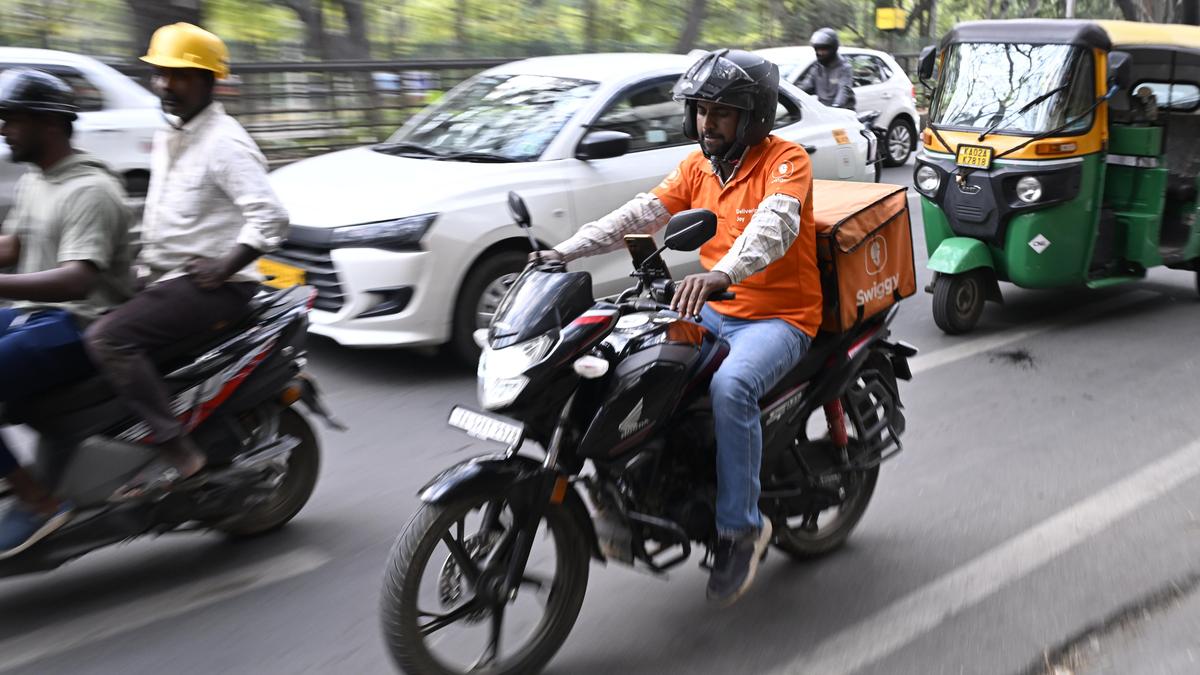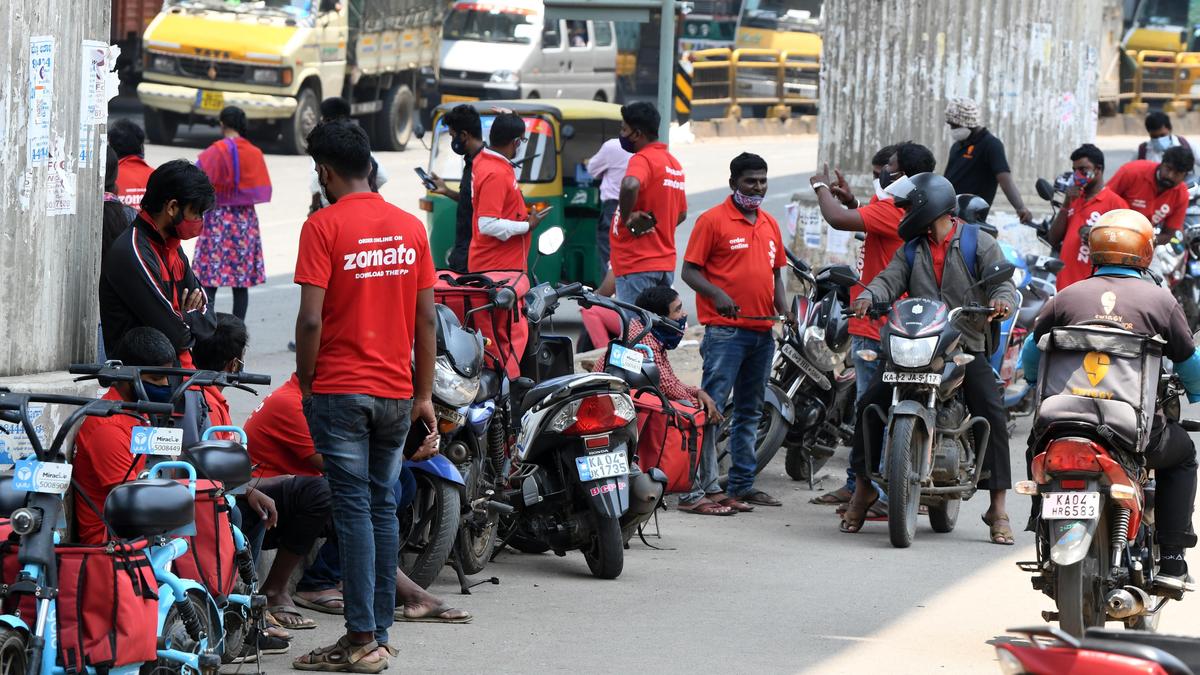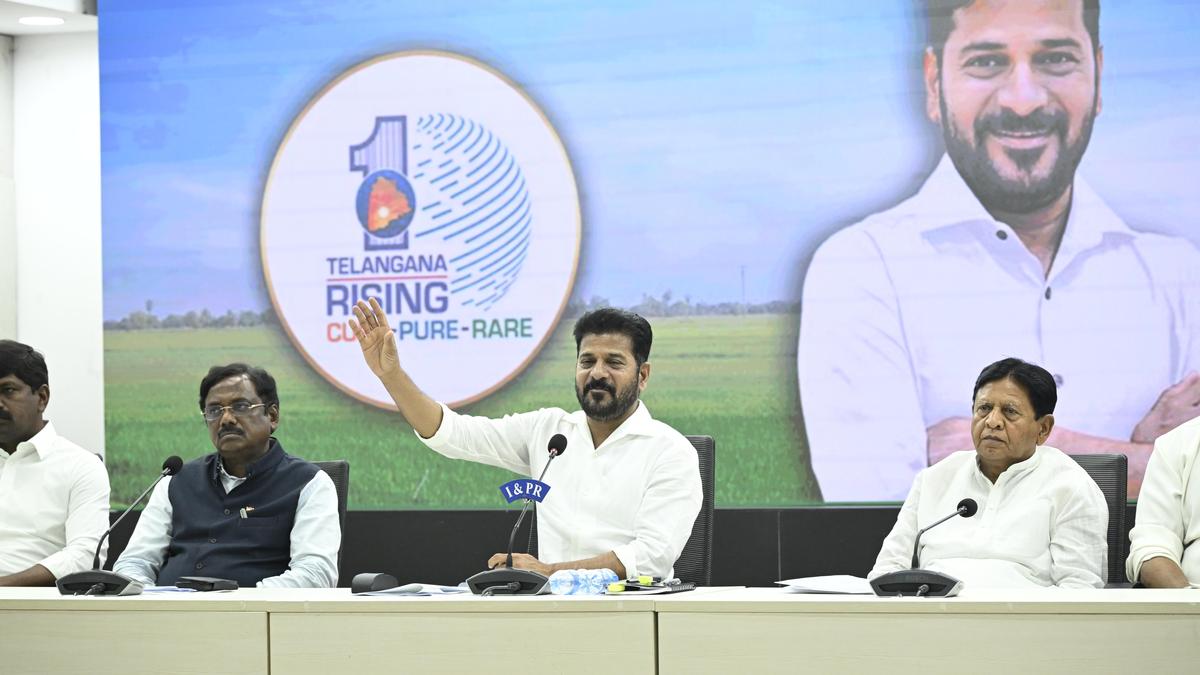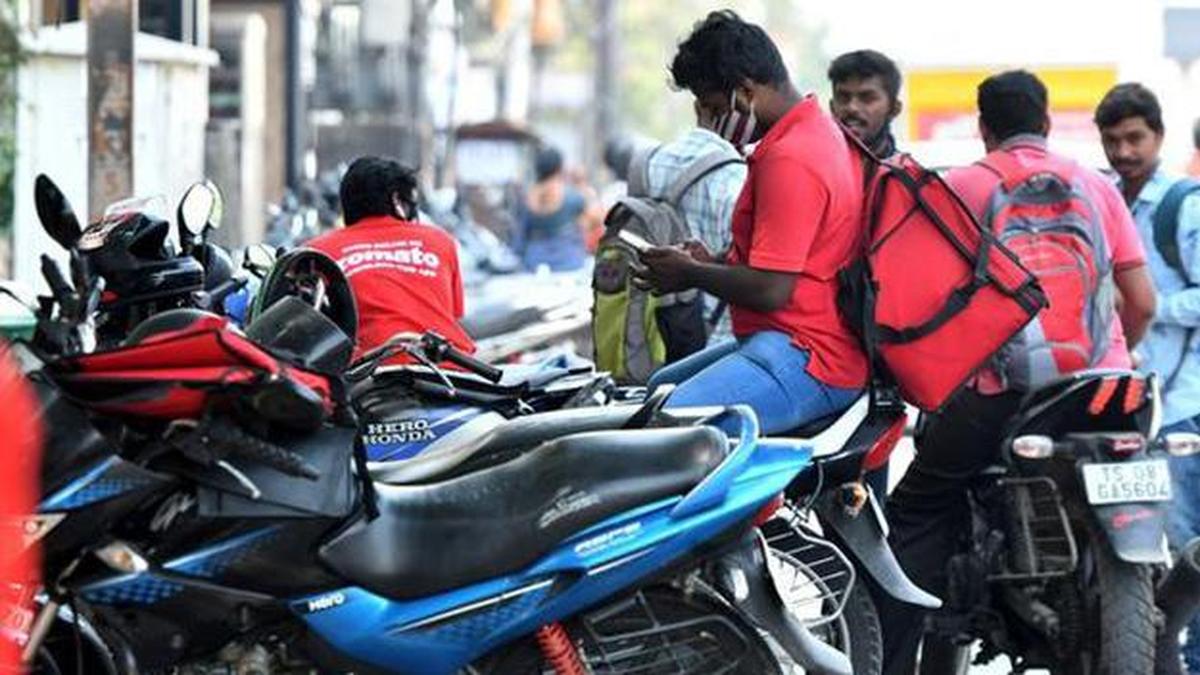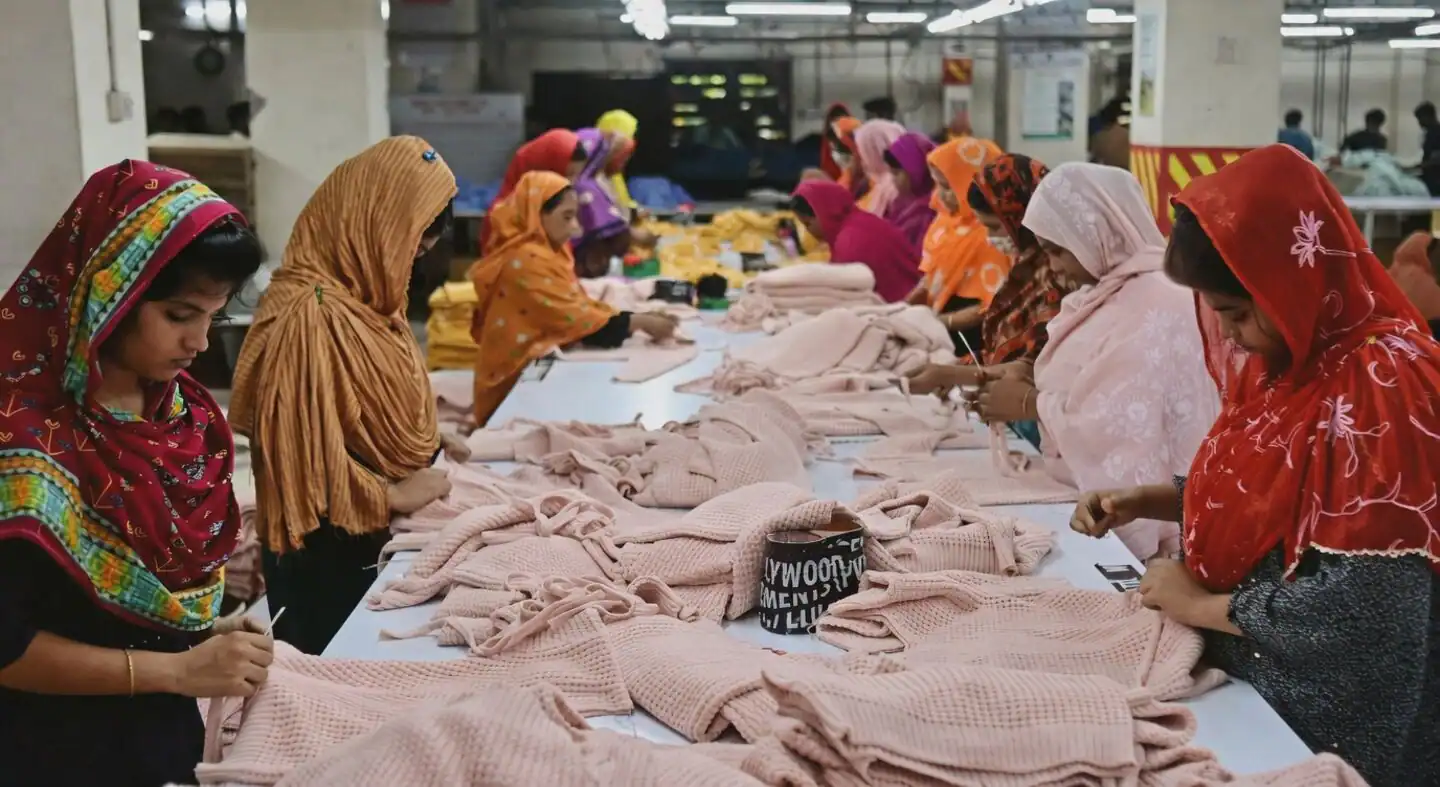
The Telangana government from Monday banned payment of wages in cash by private industries, business houses and commercial establishments, besides introducing minimum wage protection to gig and platform workers across the state, as part of its new labour governance framework.Telangana bans cash wages, ups monthly minimum payAn official statement from the state government on Monday said the changes were introduced through a notification in the form of a government order issued on May 30, and they came into effect from Monday (June 1).According to the statement, the government has introduced a uniform wage structure across sectors and revised minimum wages by skill level and location, and expanded protections to categories of workers that were previously outside the minimum wage net.It said the new payment regime was aimed at eliminating cash-based exploitation, protecting purchasing power, and uplifting the dignity of labour, by securing a 100% digital footprint.“Payouts via paper cash are explicitly banned. Employers must disburse wages through direct electronic transfer (NEFT/RTGS/IMPS) or bank cheque, building an unalterable trail for labour inspectors and protecting vulnerable workgroups,” the statement said.In order to cut corporate red tape and ensure direct compliance clarity, the notification eliminates hundreds of industry-specific schedules. Instead, it categorizes all non-agricultural, commercial, and industrial setups into four clean skill categories evaluated across three streamlined geographic zones.For the purpose of fixing minimum wages, the state has been divided into three wage zones for determining minimum pay scales — Zone-1: municipal corporations, Zone-2: municipalities and Zone-3: rural areas.“The zoning system allows companies to plan labour-intensive operations, including textiles and manufacturing projects, in lower-cost rural areas while maintaining corporate operations in urban centres,” it said.Similarly, the workers have also been classified into four categories: unskilled, semi-skilled, skilled and highly skilled.Under the revised structure, minimum monthly wages have been substantially increased from ₹12,750 to ₹16,000 for unskilled workers, ₹13,152 to ₹17,000 for semi-skilled workers, ₹13,772 to ₹18,500 for skilled workers and ₹14,607 to ₹20,000 for highly skilled workers.Among them is the formal extension of minimum wage protections to gig and platform workers engaged in e-commerce, courier services and LPG distribution. The notification also recognises specialised roles such as Drone Technology Pesticide Sprayers under the highly skilled category, ensuring higher minimum wages for such occupations.The order mandates equal minimum wage rates for male, female, transgender and physically challenged employees performing the same or equivalent work.It also seeks to close subcontracting-related loopholes by making principal employers directly liable for wage payments if third-party agencies fail to pay workers, ensuring immediate settlement of wages under the law.In its mandate to ensure favourable working conditions for workers, the order said any task executed past standard eight-hour daily shifts, or requested on public holidays and weekly rest days, must be compensated as overtime at double (two times) the standard rate of wages.If an industrial cluster already pays higher rates than this order’s baseline, the old wages are legally exempted from the new rules. Furthermore, those workers are granted an additional mandatory 10% enhancement over their old wages, the statement added.
Telangana bans cash wages, ups monthly minimum pay
Telangana bans cash wage payments, mandates digital transfers, and introduces minimum wage protections for gig workers, increasing wages across skill levels. | India News
501 words~2 min read