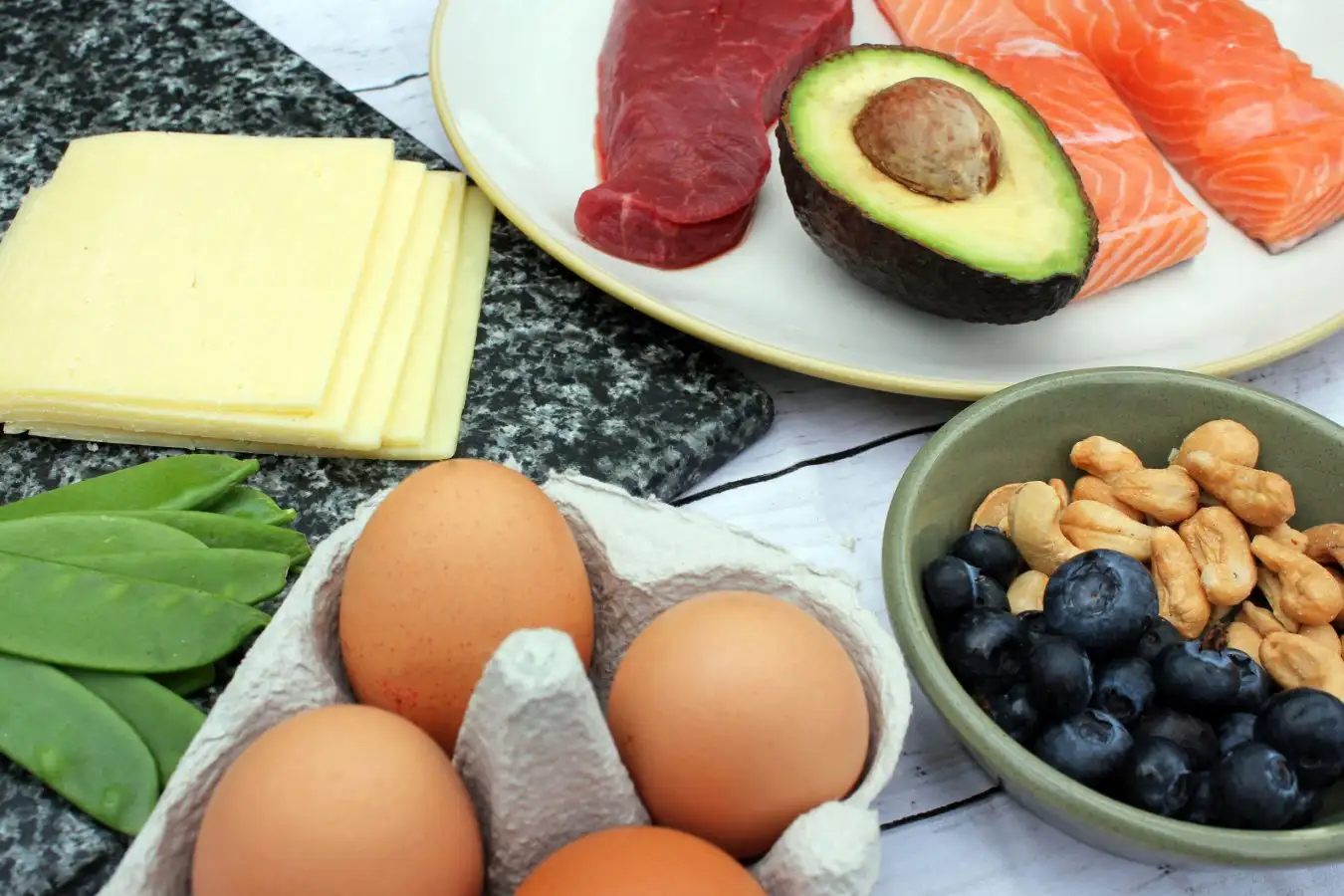
The keto diet is heavy on fat, with very little in the way of carbohydratesPanther Media Global / Alamy
The ketogenic diet, best known as a fat-busting fad, holds promise for treating anorexia nervosa. Following the diet – which contains high amounts of fat, moderate amounts of protein and very few carbohydrates – caused 3 in 4 people with the eating disorder to drop below the threshold for diagnosis in a small study. This is thought to be due to the diet restoring malfunctioning energy release in brain cells, which has been linked to anorexia, thereby lowering anxiety and reducing the compulsion to restrict food.
Mimicking starvation by restricting carbohydrates in a condition characterised by extreme dieting, and with one of the highest mortality rates of all mental health conditions, sounds risky. But Guido Frank at the University of California, San Diego, argues that when properly supervised, it could remove the compulsive drive to self-starve. “People tell me clinically, it’s like an addiction, [saying] ‘I crave this’,” he says. “Perhaps if you create that state that they crave while giving them enough food, it can be beneficial.”
Frank and his team asked 22 women with anorexia, whose body mass index (BMI) had risen enough to sit in the healthy to slightly underweight range, to follow a ketogenic diet for 14 weeks, supervised by a dietician, psychiatrist and a peer support counsellor who had experienced anorexia. Their weight, mood and anorexia symptoms were monitored weekly, using questionnaires to track any changes in body image, depression, food-related anxiety and fear of weight gain.