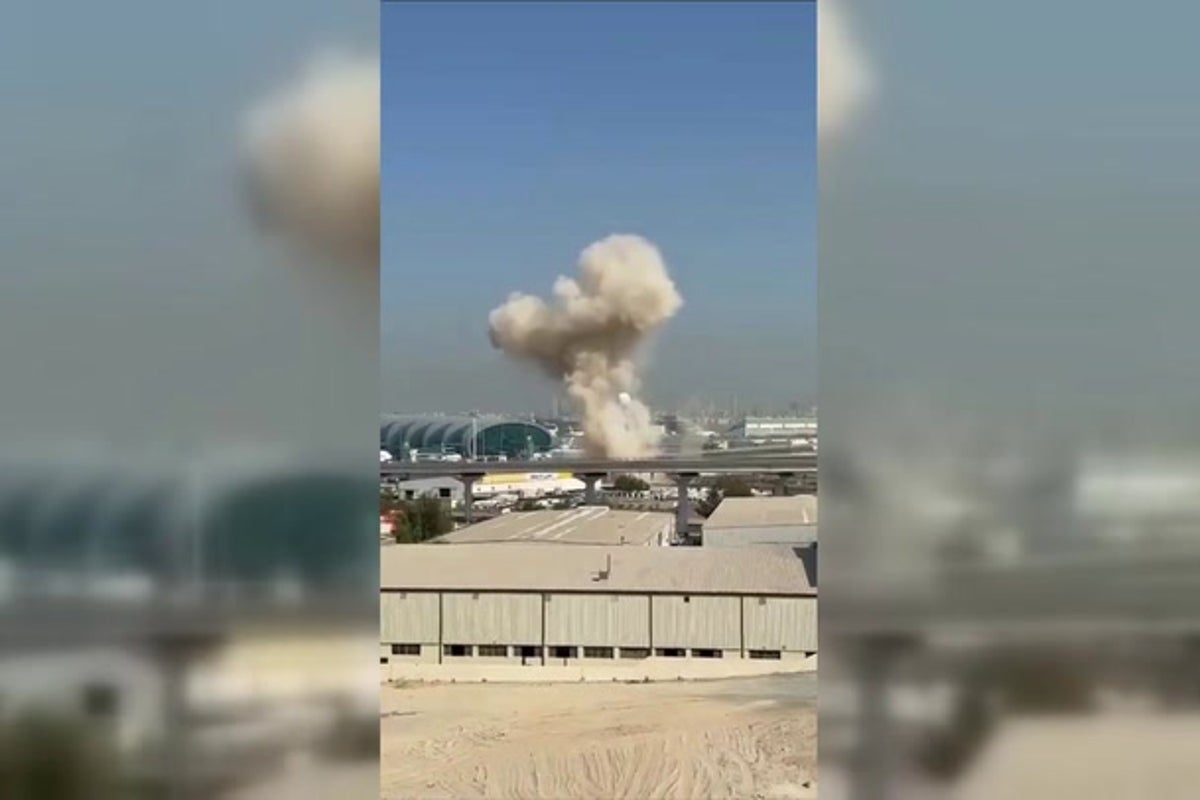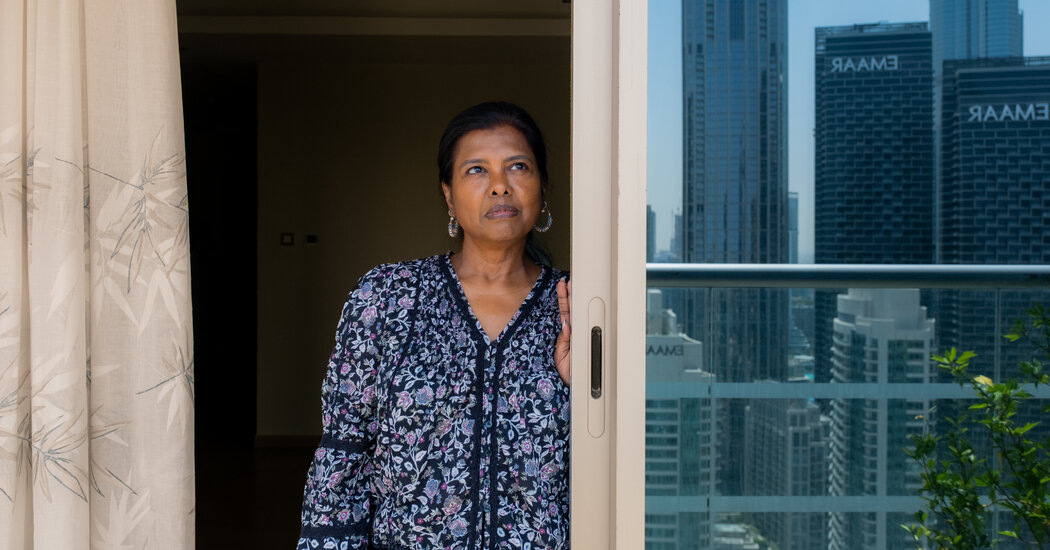
AdvertisementSKIP ADVERTISEMENTYou have a preview view of this article while we are checking your access. When we have confirmed access, the full article content will load.Dubai DispatchFor laborers in Dubai, a free stress-management class offers a temporary oasis of calm amid struggles with debt, loneliness, long hours and, in recent months, the fear of missile strikes.Listen · 8:12 min Laxmi Parekh has been running mental health workshops for Dubai’s migrant workers the past two years. Recently, she has incorporated the regional conflict into her lessons.Credit...Natalie Naccache for The New York TimesBy Mansi ChoksiReporting from Dubai, United Arab EmiratesJune 3, 2026, 12:01 a.m. ETOn a recent Sunday morning, Laxmi Parekh stood under a low ceiling of flickering tube lights in the cafeteria of a housing compound in Dubai and faced an audience of painters, carpenters and electricians, tasked with teaching stress management.“Who knows what’s been going on here for the past 43 days?” Ms. Parekh, 59, who volunteers with a nonprofit organization called SmartLife, asked the group of men.“War situation,” someone in the front shouted.Since the U.S.-Israeli war with Iran began on Feb. 28, Iran has fired more missiles and drones toward the United Arab Emirates than any other country, resulting in the deaths of at least 10 civilians, and injuring 230 people, according to the defense ministry in the U.A.E. Most of those affected were migrant workers, like those gathered in the spartan cafeteria, where steel plates and spoons clanked as Ms. Parekh spoke.Ms. Parekh has been running these weekly mental health workshops across Dubai’s migrant-worker dormitories for the past two years. Outside her day job as an I.T. professional, Ms. Parekh gives her time to SmartLife, which organizes free English-speaking lessons, mentorship programs and game nights in the city’s blue-collar migrant communities. It gets much of its financial support from the companies that employ the workers and the money transfer firms that help remit their income home.In March, as the regional conflict intensified, Ms. Parekh began adjusting her sessions to include discussion of it.“How many of you are scared?” she asked the gathered 40 or so men, many from India, Pakistan and Nepal.Thank you for your patience while we verify access. If you are in Reader mode please exit and log into your Times account, or subscribe for all of The Times.Thank you for your patience while we verify access.Already a subscriber? Log in.Want all of The Times? Subscribe.AdvertisementSKIP ADVERTISEMENT
For Dubai’s Migrants, War Is One More Worry in Super Stressed Lives
For laborers in Dubai, a free stress-management class offers a temporary oasis of calm amid struggles with debt, loneliness, long hours and, in recent months, the fear of missile strikes.
401 words~2 min read