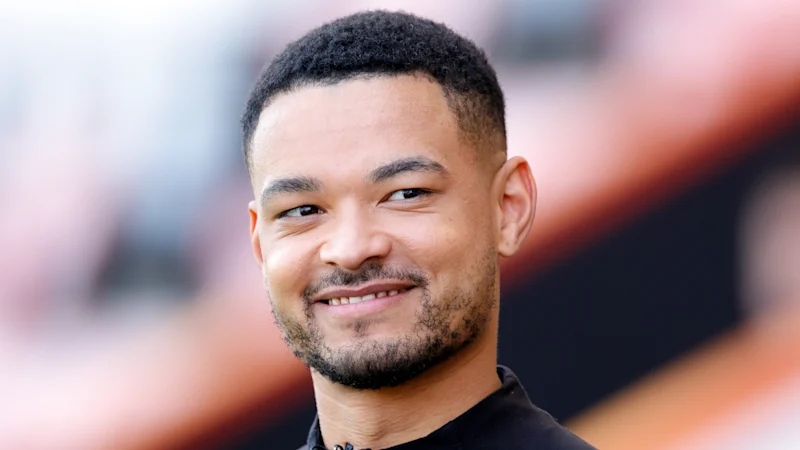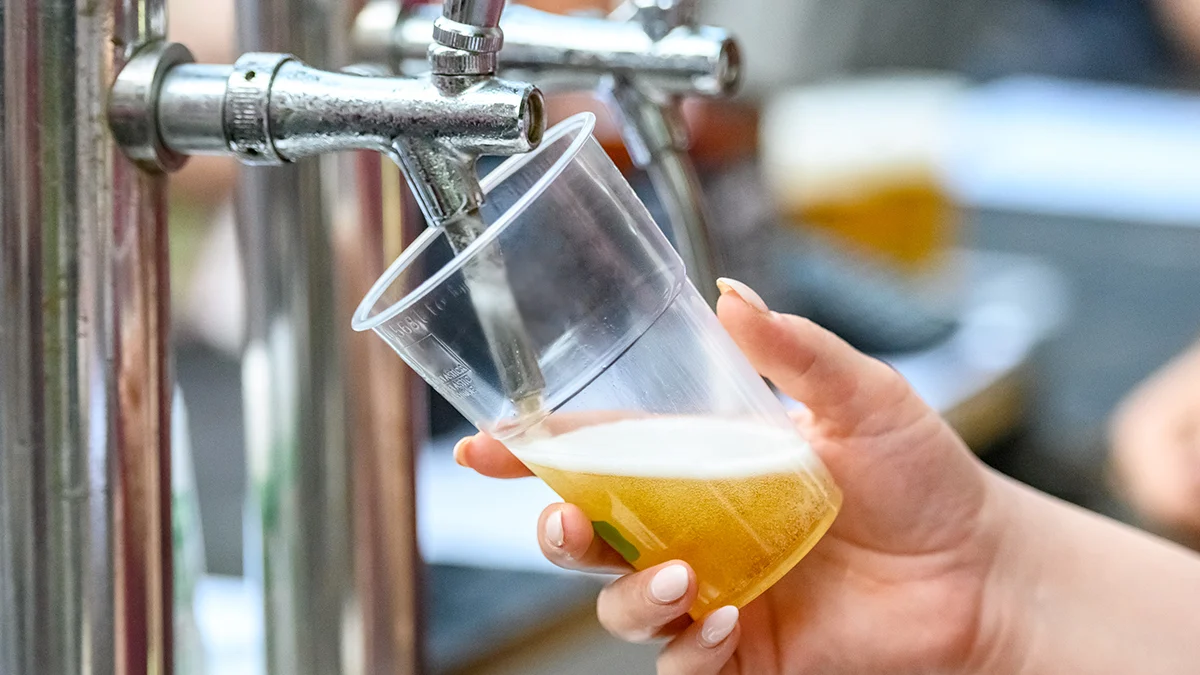
Steven Bartlett has been ridiculed for promoting a joyless 'optimisation culture' after claiming the effects of just two glasses of wine 'ruined three days' of his life.The Dragons' Den star, 33, said the data on his wearable smart technology Whoop showed that even a modest intake of alcohol negatively impacted his sleep and diet, as well as his dopamine and cortisol - happiness and stress levels in the body.But he has faced a backlash from numerous celebrities, led by BBC Radio 1 Breakfast host Greg James, who encouraged people to join his 'anti-Bartlett cult'.On social media, James said: 'Can we talk about this Bartlett thing? This wine thing... 'I've sort of been railing against this for years. Not the alcohol thing, fair enough if you want to give up alcohol, it can ruin lives, got that - that's not what my issue is. My issue is this endless optimisation and measuring of everything to the point where it starts to make you feel a bit miserable if you don't quite hit your own targets.'A host of stars joined in agreement with James on social media, including Julia Bradbury, Fearne Cotton, Gabby Logan, Bev Turner and rapper Example.But does Bartlett have a point? We asked experts what two glasses of wine really does to the body - and looked at whether health data from wearable technology should be fully believed. Steven Bartlett has been ridiculed for promoting a joyless 'optimisation culture' after claiming the effects of just two glasses of wine 'ruined three days' of his life Bartlett faced a backlash from numerous celebrities, led by BBC Radio 1 Breakfast host Greg James , who encouraged people to join his 'anti-Bartlett cult'Adam Taylor, a professor of anatomy at Lancaster University, told the Daily Mail today that the effects of a couple of drinks typically do not last beyond 24 hours. He said: 'Alcohol consumption and the effects vary from person to person, and depends on the alcohol strength and size of the glasses. A couple of glasses of wine would be sufficient to have an impact on sleep that night. 'Alcohol helps people fall asleep but it alters the sleep pattern through the night, reducing the body's ability or time to get into REM sleep. As the alcohol effect wears off, the nervous system attempts to reset which can cause broken sleep.'Taylor adds that because alcohol is metabolised - broken down - in the liver, this affects the liver's ability to moderate blood sugar levels due to its focus on clearing alcohol in the system.This, he says, causes blood sugar levels to drop - which in Bartlett's case may explain why he complained about his diet being impacted.In Bartlett's full speech, which he made on his podcast, he said: 'I had a couple of glasses of wine, didn't get drunk, it ruined three days of my life because of the domino effect that it caused. 'It meant that I got worse sleep that night, I ate more poorly the next day because my dopamine system or the cortisol system or whatever was all messed up. Then I podcasted worse and I didn't go to the gym the day after and I could track all of this on my Whoop, hashtag ad, hashtag sponsor, investor... whatever.'Despite Bartlett's assertions, Taylor says the body generally recovers quickly from moderate alcohol consumption.He continued: 'For most people, a couple of drinks might have an impact the next night but the body doesn't usually take more than 24 hours to get back to 'normal' for that person. 'Depending on people's tolerance and lifestyle these effects can be longer or shorter, but the individual will know best about where their body is at in the following hours and days.'In official guidance, the NHS say adults are not recommended to drink more than 14 units of alcohol per week. This is the equivalent to six medium - or 175ml - glasses of wine, or six pints of average strength beer.The health service say: 'There's no completely safe level of drinking. If you do drink alcohol, then it's recommended to drink no more than 14 units a week, spread across 3 days or more.'
Can two glasses of wine really ruin your week? Experts weigh in
The Dragons Den star, 33, said the data on his wearable smart technology Whoop showed that even a modest intake of alcohol negatively impacted his sleep and diet, as well as his dopamine and cortisol.
TL;DRAI
Steven Bartlett claimed Whoop wearable showed two wines ruined three days via sleep/dopamine effects; experts debunked it—alcohol impacts last ~24h maximum. Incident exposes tech exec skepticism on wearable reliability and obsessive optimization culture.
1,840 words~8 min read