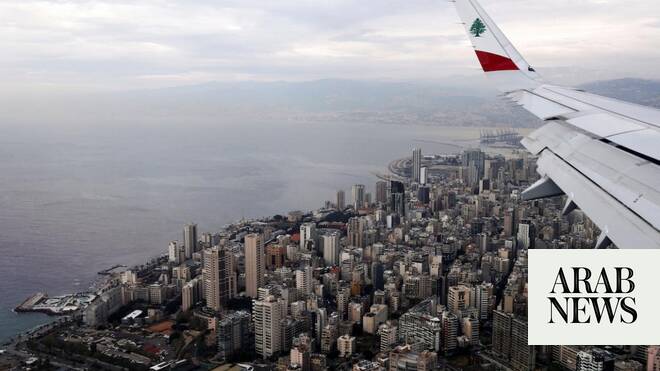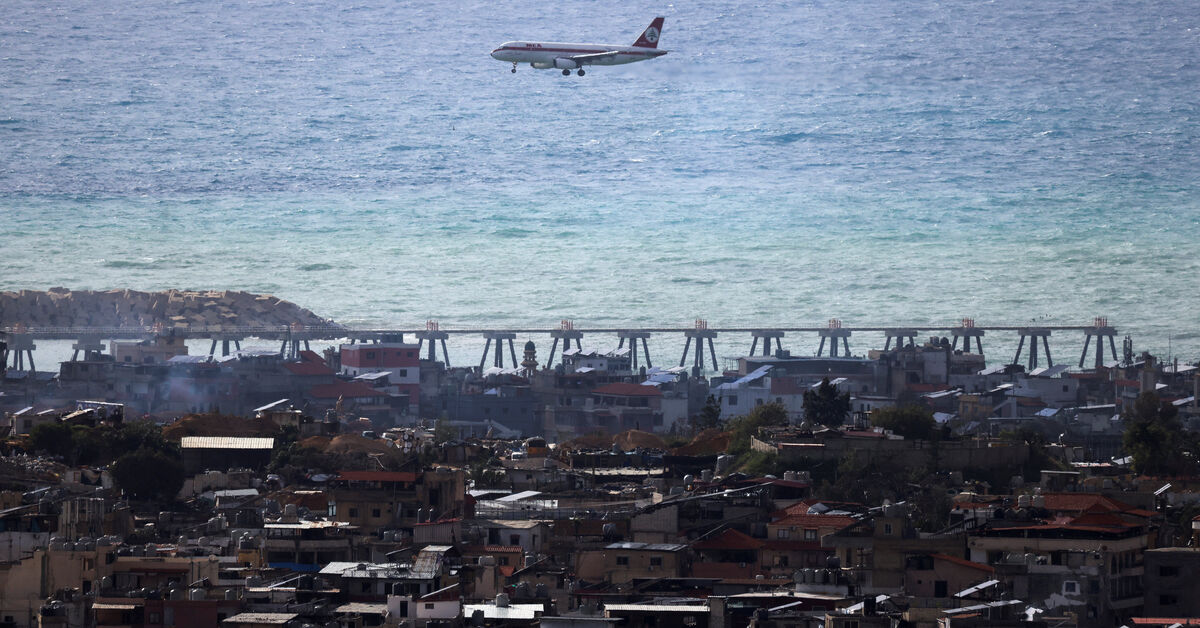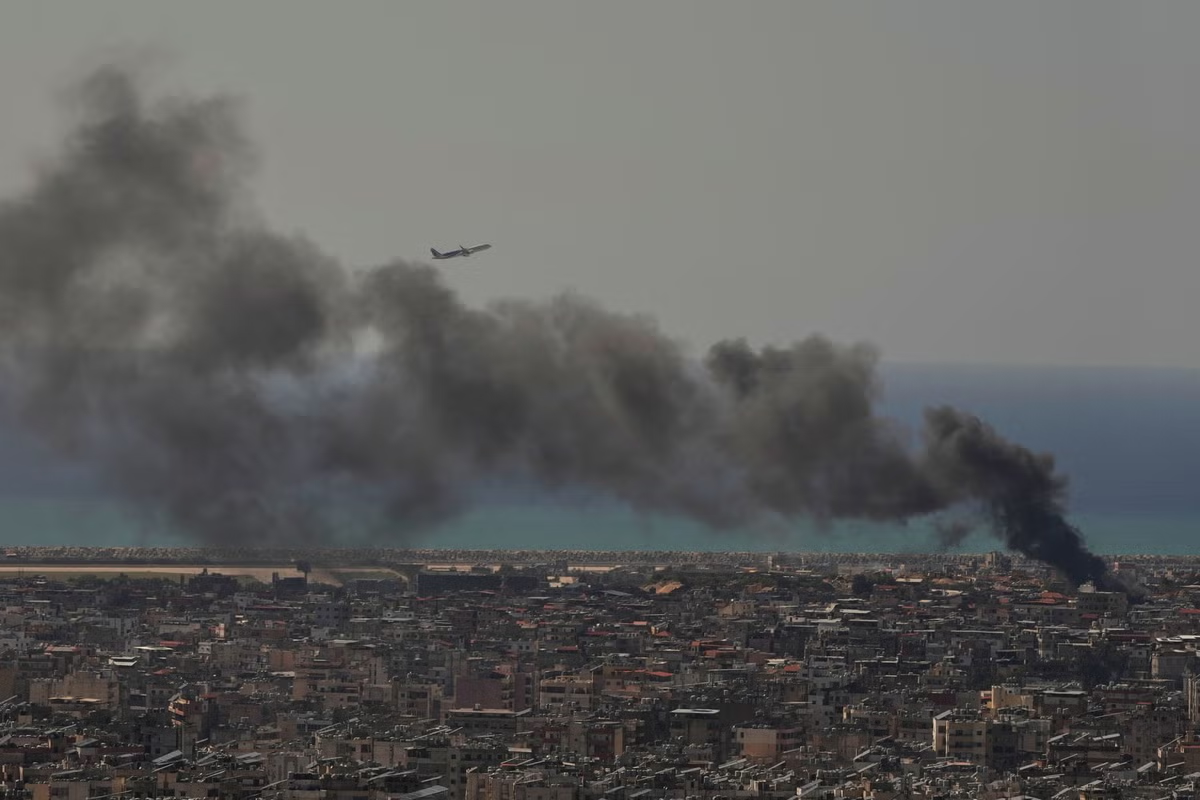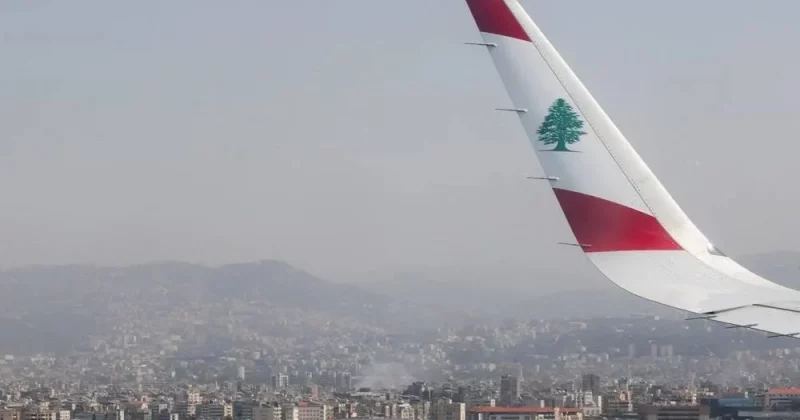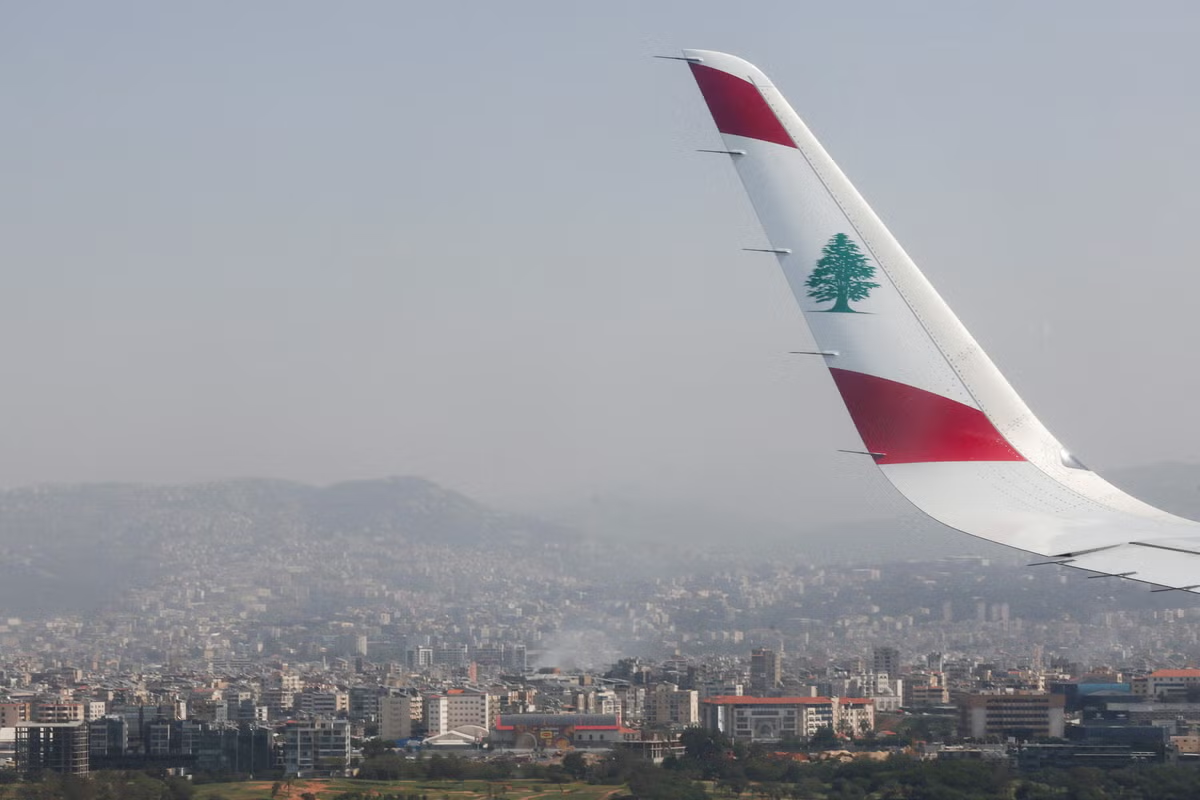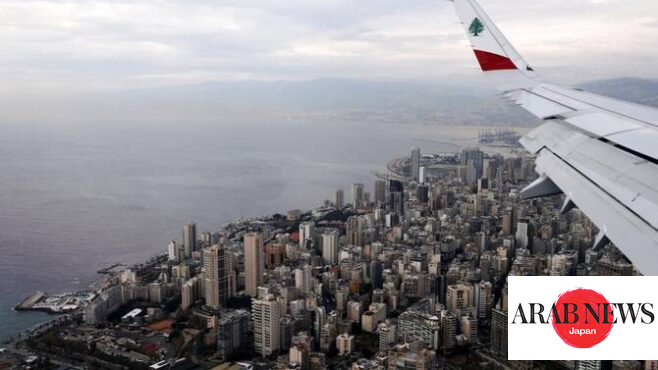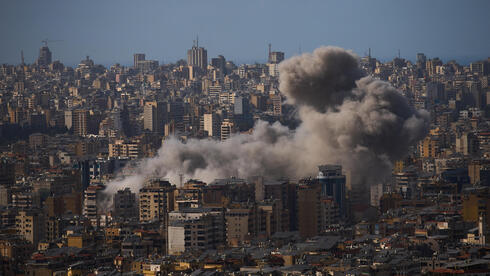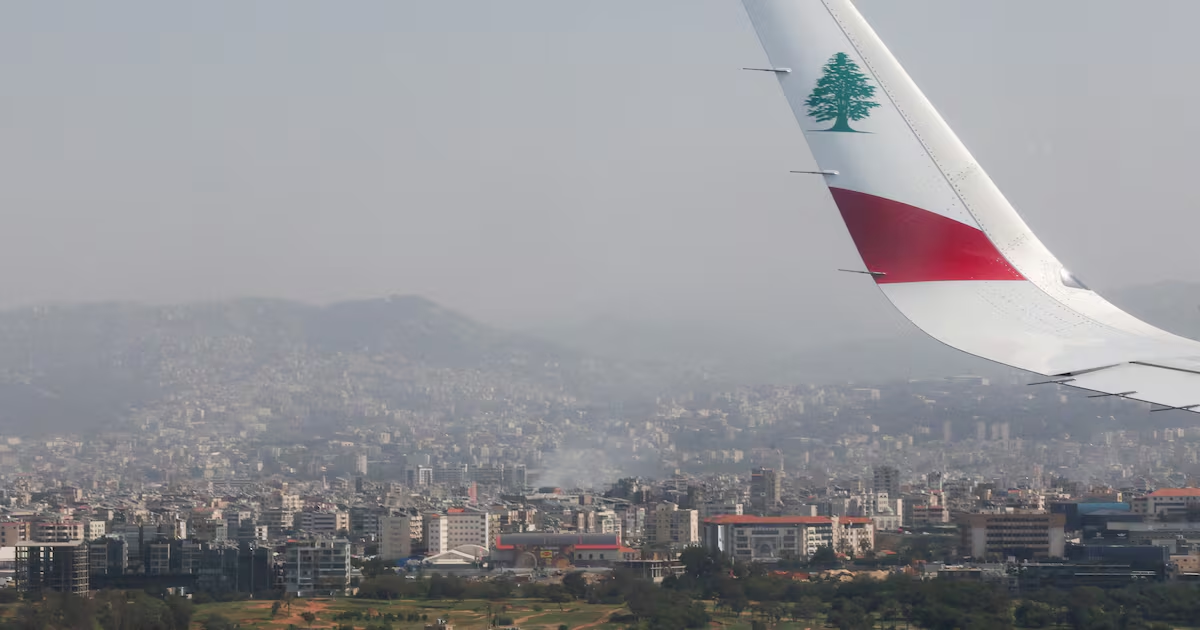
Lebanon’s aviation regulator has launched a safety audit of Middle East Airlines (MEA), after pilot groups raised concerns of crews being asked to fly near air strikes and faced repercussions for reporting compromised safety.According to correspondence reviewed by Reuters, the review places new scrutiny on the Beirut-based national carrier, which has continued operating throughout conflict and economic turmoil while many foreign airlines have steered clear of large parts of Middle East airspace because of heightened missile and drone threats since the US-Israeli war against Iran began in February.MEA, which operates a fleet of about 20 aircraft across the Middle East, Europe and West Africa, has won praise domestically for maintaining air links during regional instability and supporting an economy increasingly reliant on tourism and remittances.The airline said it has a proven safety record and that flights conducted during hostilities were based on risk assessments carried out in co-ordination with Lebanon’s government and the Lebanese Civil Aviation Authority (LCAA).Concerns over flight safety have intensified since 2024, when a number of Israeli strikes hit the ground near Lebanon’s main airport, prompting alarm among the International Federation of Air Line Pilots' Associations (Ifalpa), particularly given the history of civilian aircraft being struck in conflict zones.Those concerns have deepened, as Israeli strikes on Lebanon have stepped up this year during a widening conflict with Iran-backed Hezbollah.“While some may think that flying civilian aircraft and passengers in high-risk and conflict zones during war conditions is heroic, we consider this an unconscionable risk,” Ifalpa president Ron Hay wrote on May 12 in a letter to Lebanon’s central bank, which holds a majority stake in MEA, Reuters reported.LCAA chief Mohammed Aziz, an air crash investigator, reportedly told Ifalpa in a letter on May 15 the authority would carry out a safety audit of MEA and “engage in a dialogue with MEA to discuss the concerns you stated in your letter”.MEA said oversight activities conducted by the regulator between May 18 and June 1 confirmed the airline’s compliance with “regulatory and operational safety requirements”.Mr Aziz told the news agency a closing meeting with the airline was held on Monday but the LCAA audit was still being processed, and “we were in the process of mediating” between the pilots and MEA.Pilots raise safety concerns One MEA pilot interviewed by Reuters said aviators have a financial incentive to fly because per-flight payments make up a majority of their salaries, with their base income slashed due to Lebanon's economic collapse that began in 2019.Ifalpa, supported by other aviator groups, flagged cases in which pilots reported unintentional errors for the purpose of improving safety, but faced punishment such as being sent for “training”, then losing out on the per-flight payments.“We know definitely that pilots have spoken up and there have been actions taken against them,” Mr Hay said.MEA called Ifalpa's allegations “unfounded” and said training assignments were conducted in line with regulatory requirements and “should not be misconstrued as disciplinary or retaliatory measures”.The report says the safety concerns led pilot groups to contact the SkyTeam airline network alliance, which includes carriers such as MEA, Air France and Delta Air Lines, to raise awareness.Ifalpa said it was also concerned MEA provided payments to LCAA workers overseeing aviation safety.
Lebanon launches safety audit of Middle East Airlines amid pilot concerns over flying through warzone | The National
Pilot groups say crews flew near air strikes and faced penalties for reporting compromised safety
TL;DRAI
Lebanon audited Middle East Airlines after pilots reported retaliation for reporting safety concerns amid warzone. Per-flight pay dependency forces pilots to accept dangerous operations, exposing governance failure where economic survival overrides safety.
535 words~2 min read