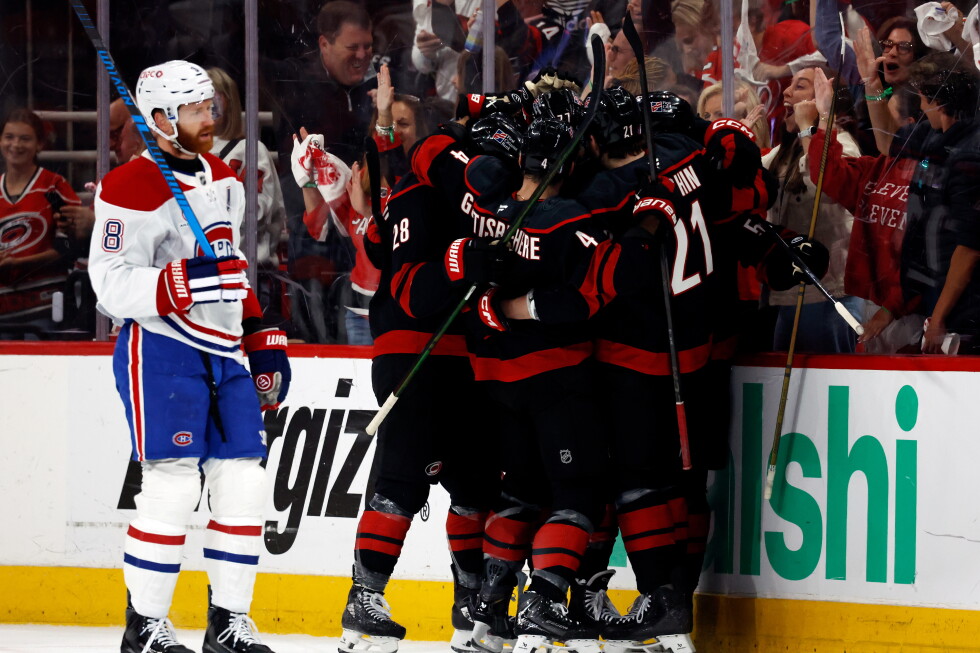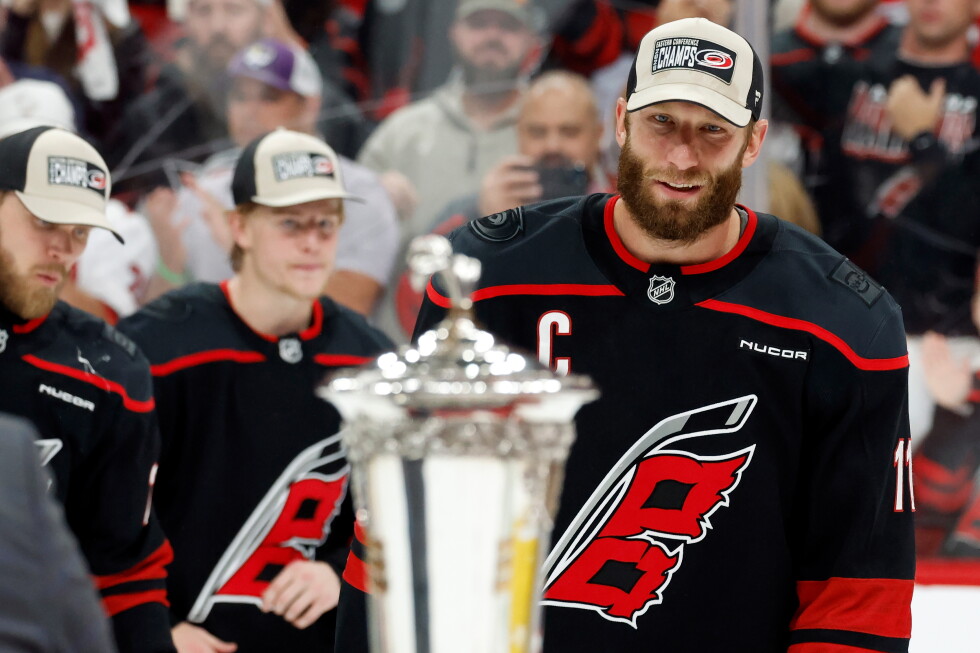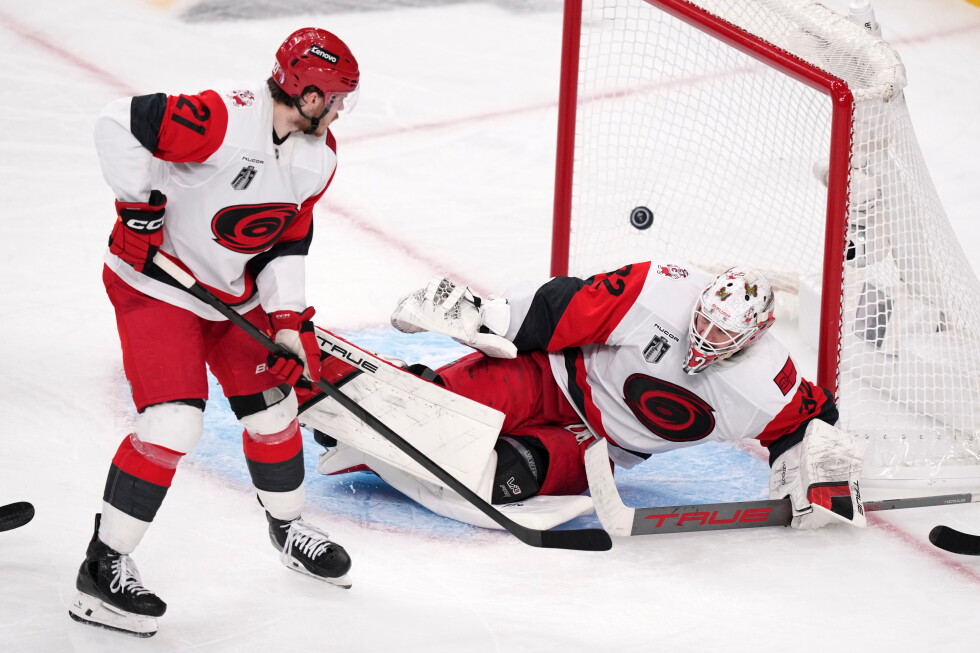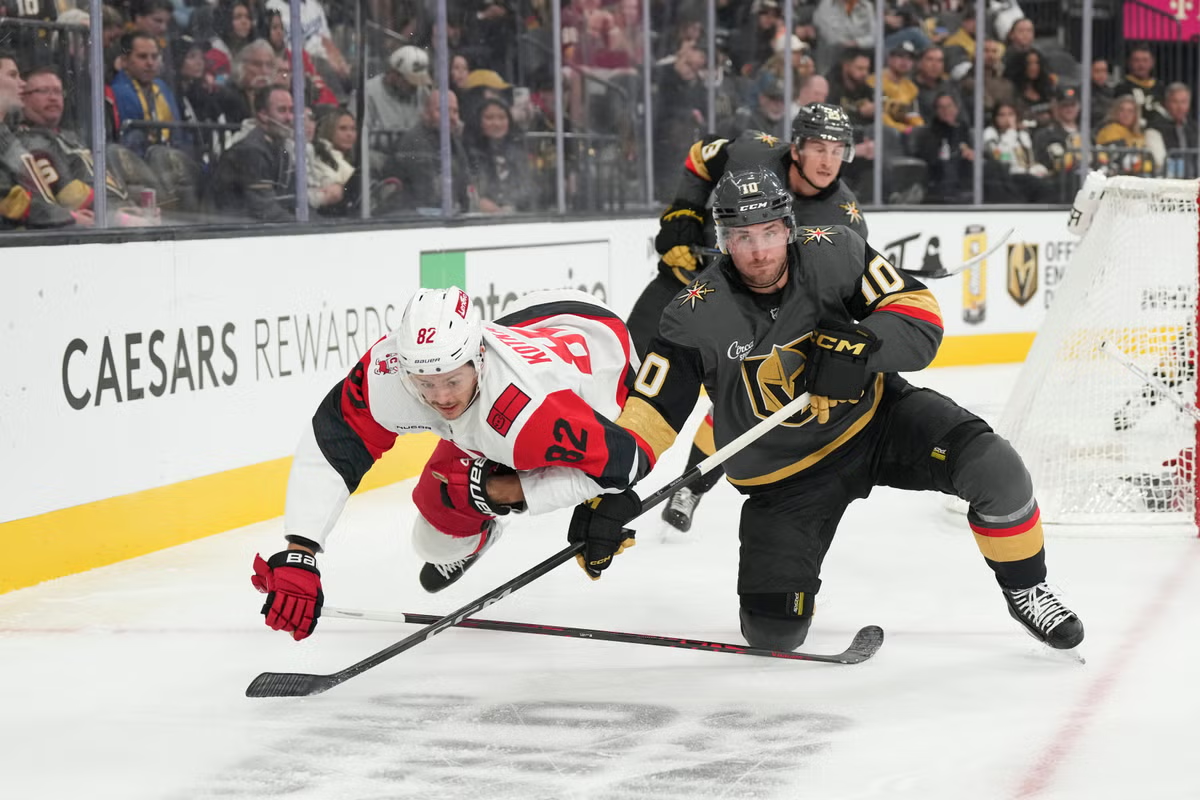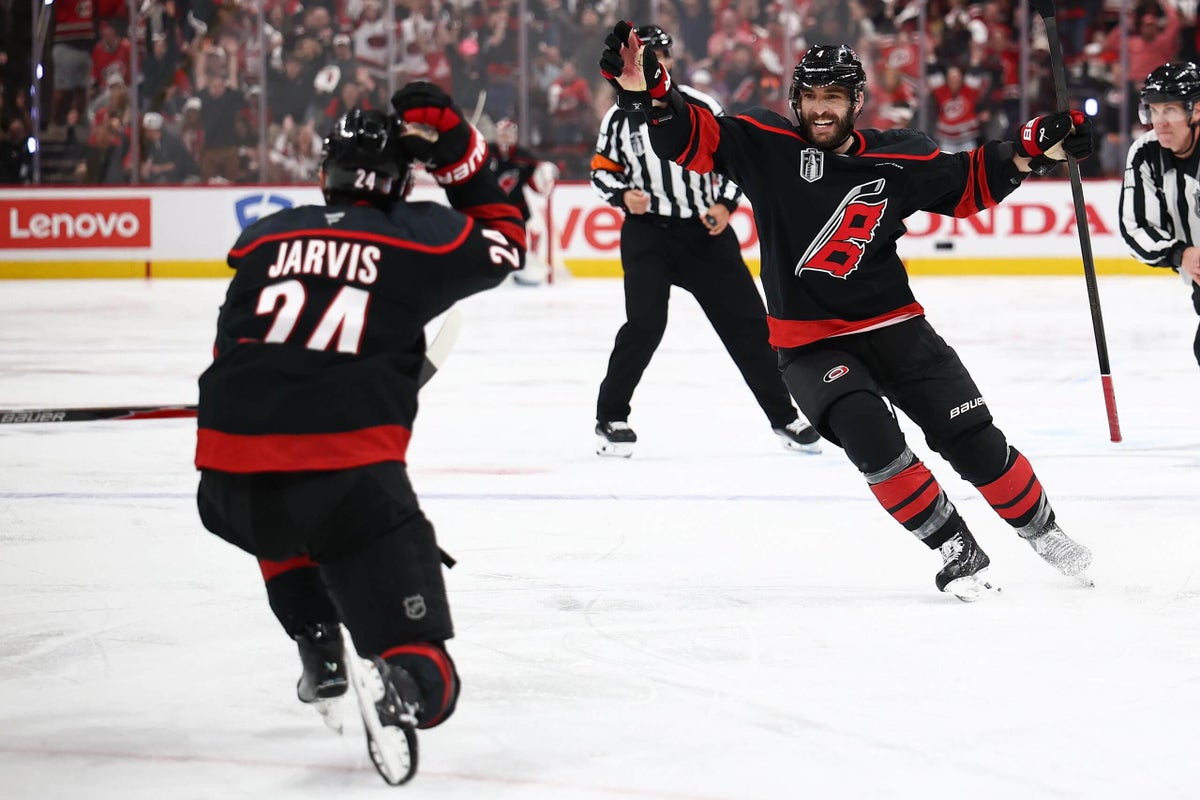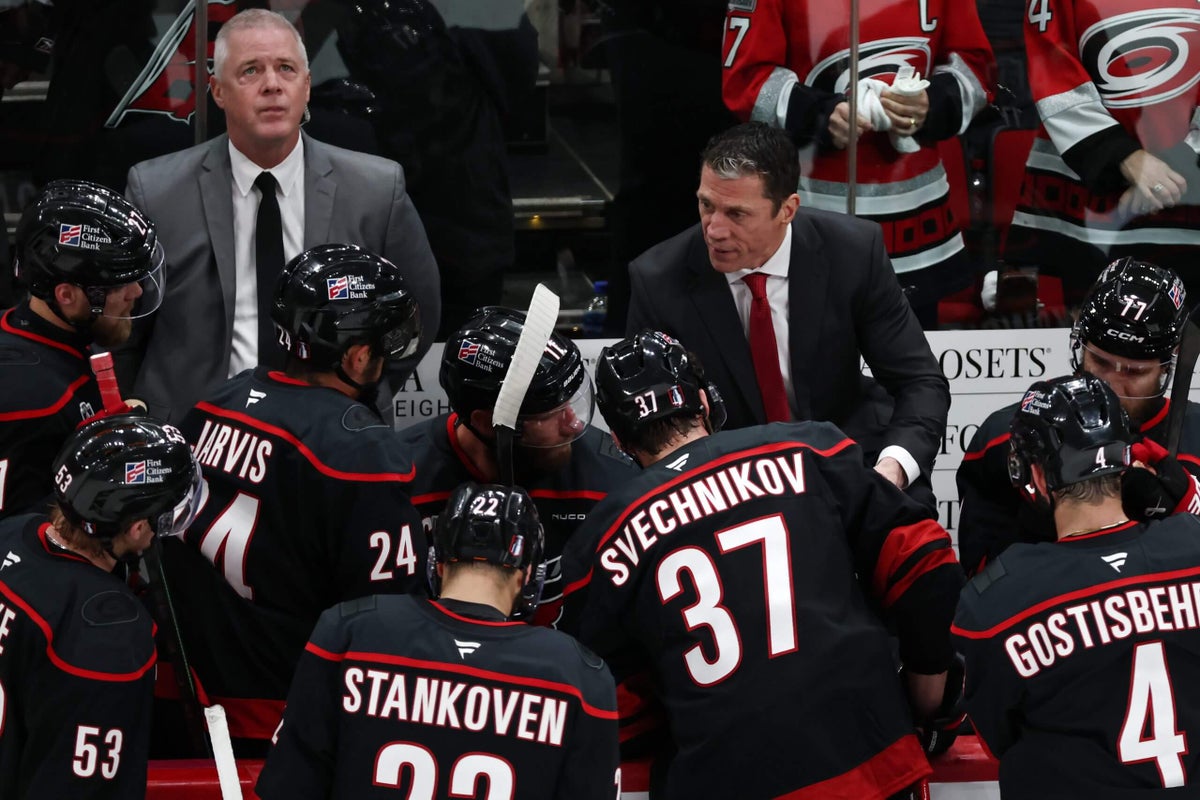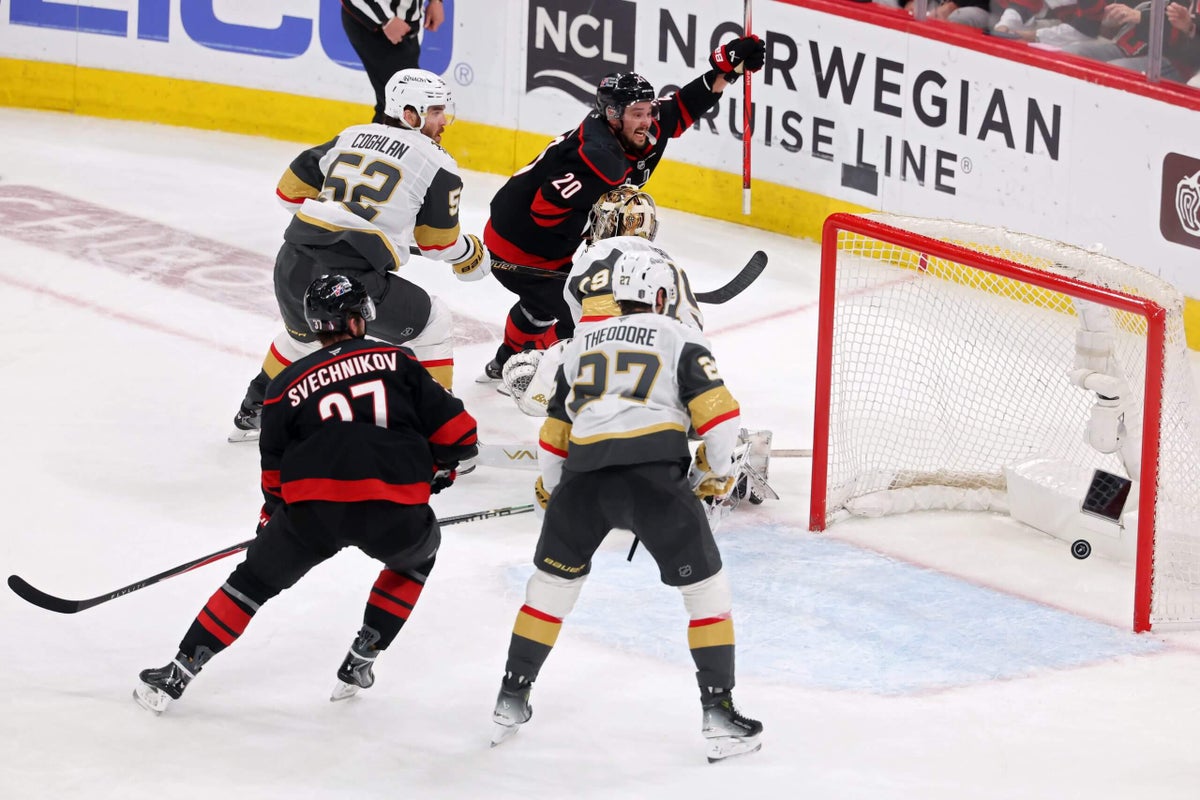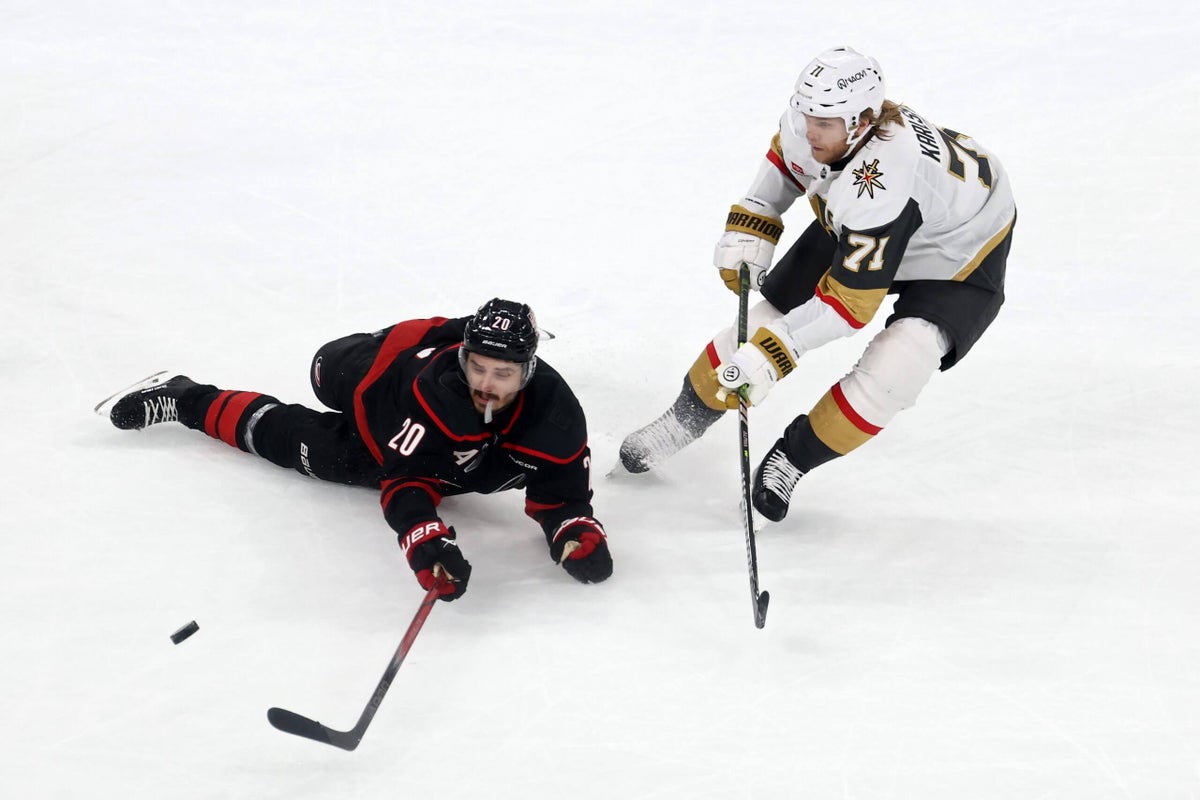
RALEIGH, N.C. — When a hockey team spends six weeks as a steamroller, that’s the story.The Carolina Hurricanes, before Tuesday night, had played 13 Stanley Cup playoff games. They’d won all but one, thanks to a freak occurrence borne of 11 bad minutes played on rust-covered legs. Twelve out of 13 isn’t bad, and to harp on what hadn’t worked during the Hurricanes’ relatively brief march to the Stanley Cup Final against the Vegas Golden Knights would be disingenuous, dishonest and dumb.Every story has subplots, though, and for Carolina, a lack of goals from its top line — Sebastian Aho, Andrei Svechnikov and Seth Jarvis — has become a very real, very valid one. In spurts, they’d generated chances of their own. At times, they suppressed chances by their opponents. They’d rarely scored, though, whether as a five-on-five unit or as three-fifths of Carolina’s top power play. In a world where nearly everything had gone right for coach Rod Brind’Amour’s team and nearly all the necessary puzzle pieces had fallen into place, one particularly crucial one was still in the pile.Brind’Amour seemed to know that. He’s been asked frequently about Aho-Svechnikov-Jarvis’ finishing issues — Carolina had been outscored 3-2 in about 120 minutes with those three on the ice at five-on-five, and none of its regular lines had controlled less of the expected goal share. At times, he said they’d done enough, aside from actually scoring, to mitigate the harm. At other times, he redirected praise to other players, such as Logan Stankoven and Taylor Hall, who’d more successfully turned process into results. He’s consistently maintained, though, that real, live goals from his first line would at some point cease to be optional.
The Carolina Hurricanes’ top line still isn’t scoring — and it’s officially a problem
What used to be a minor concern as the Hurricanes steamrolled their way to the Stanley Cup Final is now a much more urgent issue.
TL;DRAI
Carolina Hurricanes' top line (Aho, Svechnikov, Jarvis) scored zero in Game 1 loss 5-4, turning playoff underperformance into crisis. With four wins needed in six games, top-line goals are essential; past cold streaks from this core threaten title chances.
860 words~4 min read