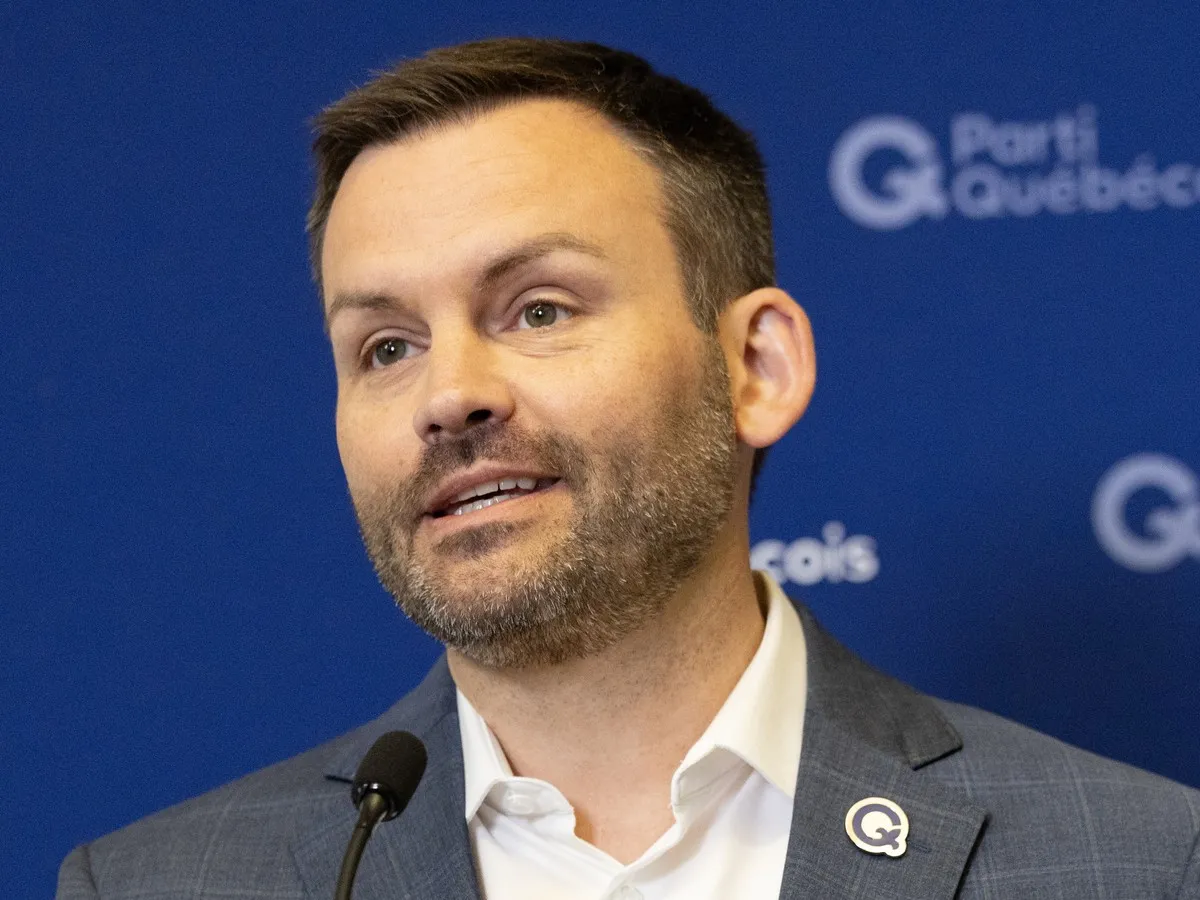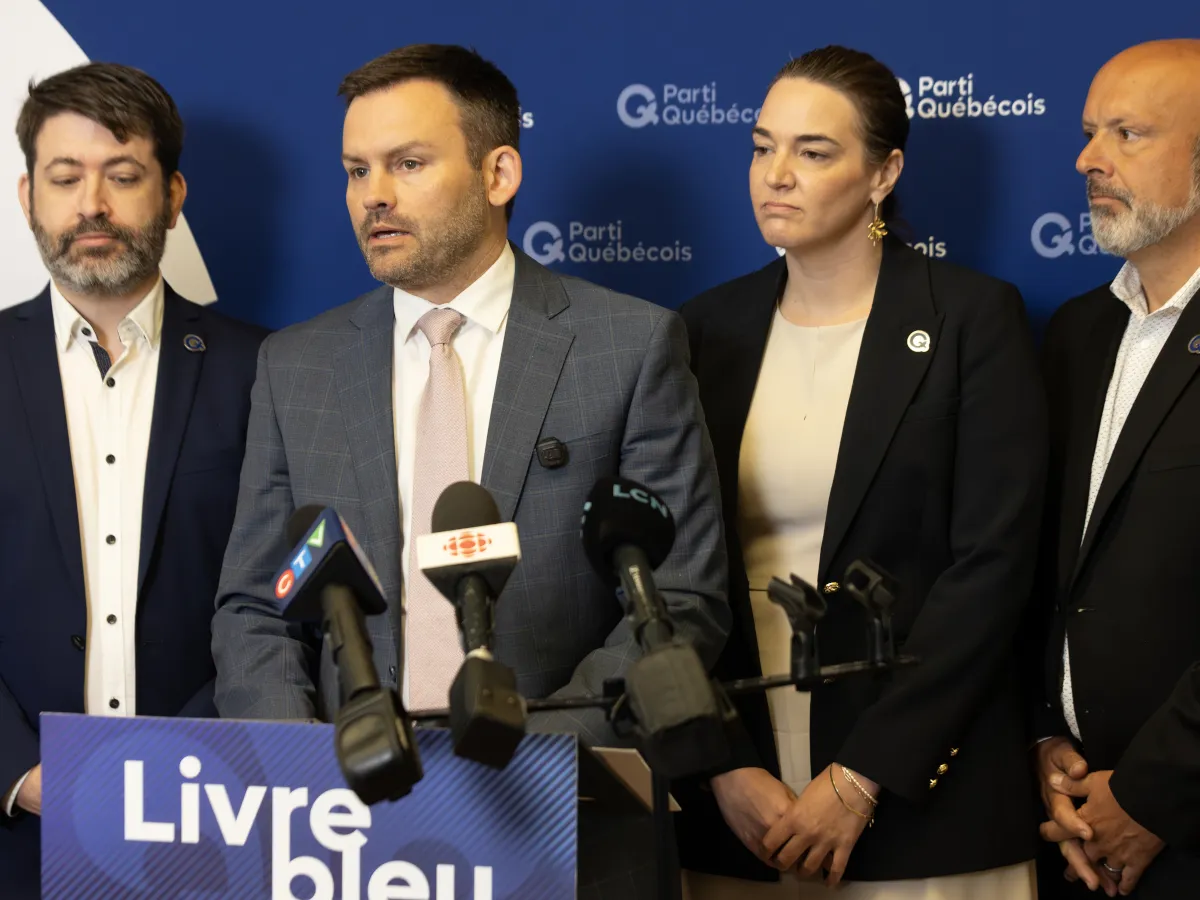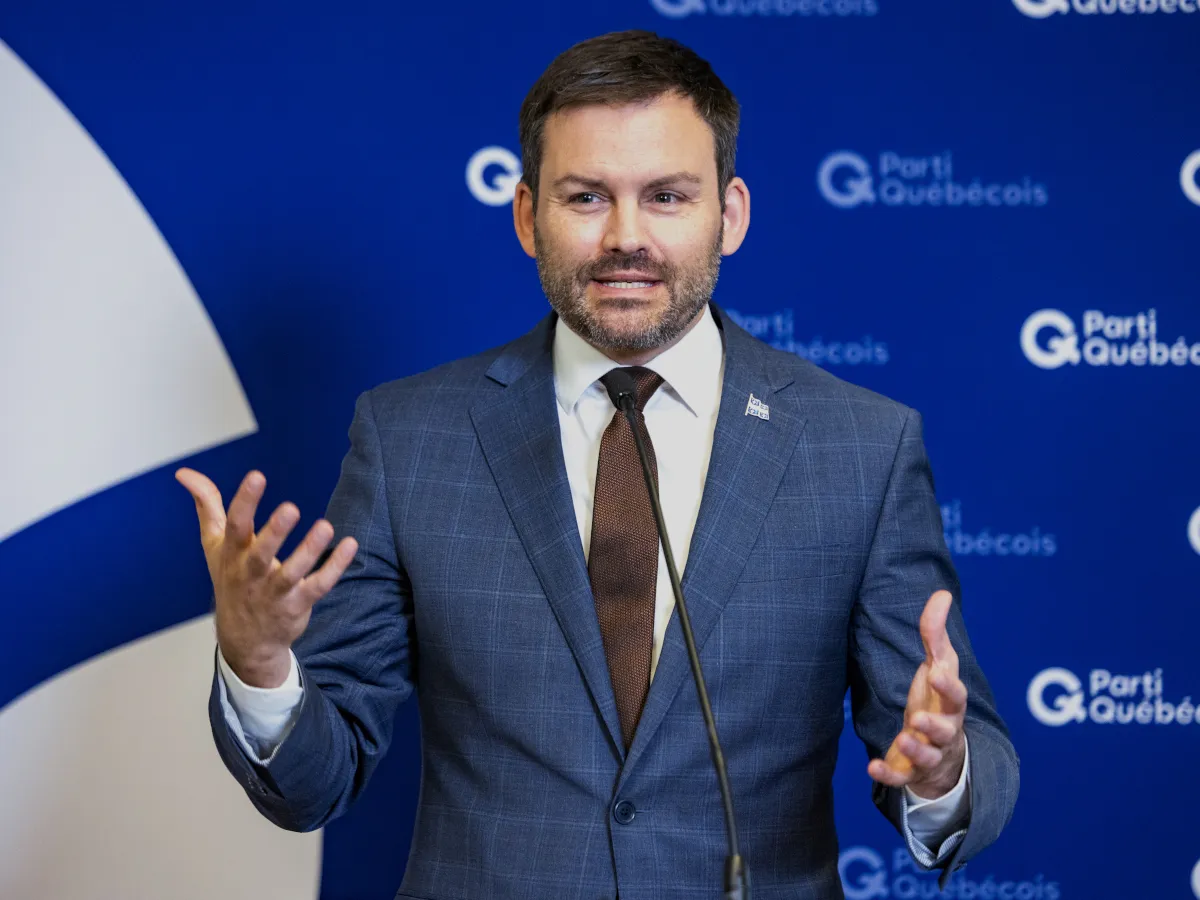
Skip to Content Subscribe Our Offers My Account Manage My Subscriptions FAQ Newsletters Canada Canadian True Crime Canadian Politics Health World Israel & Middle East Financial Post NP Comment Longreads Puzzmo Diversions Comics NP News Quiz New York Times Crossword Horoscopes Life Eating & Drinking Style Sponsored Play for Ontario Travel Travel Canada Travel USA Travel International Cruises Travel Essentials Culture Books Celebrity Movies Music Theatre Television Business Essentials Advice Lives Told Tails Told Shopping Buy Canadian Home Living Outdoor Living Tech Style & Beauty Kitchen & Dining Personal Care Entertainment & Hobbies Gift Guide Travel Guide Deals Savings National Post Store More Sports Hockey Baseball Basketball Football Soccer Golf Tennis Driving Vehicle Research Reviews News Gear Guide Obituaries Place an Obituary Place an In Memoriam Classifieds Place an Ad Celebrations Working Business Ads Archives Healthing Epaper Manage Print Subscription Profile Settings My Subscriptions Saved Articles My Offers Newsletters Customer Service FAQ Newsletters Canada World Financial Post NP Comment Longreads Puzzmo Diversions Life Shopping Epaper Manage Print Subscription HomeNP CommentJack Jedwab: PQ dream of becoming a NATO member state is nothing but a fantasyEven if an independent Quebec were able to join the alliance, its voice would not count for muchLast updated 30 minutes ago You can save this article by registering for free here. Or sign-in if you have an account.Parti Québécois Leader Paul St-Pierre Plamondon Photo by John Mahoney/MONTREAL GAZETTEIn a recent speech in Montreal, Parti Québécois Leader Paul St-Pierre Plamondon insisted that independence would elevate Quebec onto the world stage — including, he argued, a place at NATO’s table. His claim rests on a seductive but flawed assumption: that merely having a seat in an international alliance translates into meaningful geopolitical influence. It does not.Enjoy the latest local, national and international news.Exclusive articles by Conrad Black, Barbara Kay and others. Plus, special edition NP Platformed and First Reading newsletters and virtual events.Unlimited online access to National Post.National Post ePaper, an electronic replica of the print edition to view on any device, share and comment on.Daily puzzles including the New York Times Crossword.Support local journalism.Enjoy the latest local, national and international news.Exclusive articles by Conrad Black, Barbara Kay and others. Plus, special edition NP Platformed and First Reading newsletters and virtual events.Unlimited online access to National Post.National Post ePaper, an electronic replica of the print edition to view on any device, share and comment on.Daily puzzles including the New York Times Crossword.Support local journalism.Create an account or sign in to continue with your reading experience.Access articles from across Canada with one account.Share your thoughts and join the conversation in the comments.Enjoy additional articles per month.Get email updates from your favourite authors.Create an account or sign in to continue with your reading experience.Access articles from across Canada with one accountShare your thoughts and join the conversation in the commentsEnjoy additional articles per monthGet email updates from your favourite authorsSign In or Create an AccountorNevertheless, Quebec separatists want their supporters to believe that Quebec’s global standing will be enhanced if it were to become an independent state. Plamondon even invoked Prime Minister Mark Carney’s observation that, “If you’re not at the table, you’re on the menu” — suggesting that sovereignty would finally allow Quebec to sit among the great powers shaping international decisions, rather than having those decisions made for it.This newsletter from NP Comment tackles the topics you care about. (Subscriber-exclusive edition on Fridays)By signing up you consent to receive the above newsletter from Postmedia Network Inc.We encountered an issue signing you up. Please try againIt’s a clever line, but it obscures a deeper geopolitical truth: not all those seated at the table matter equally. Plamondon argues that Quebec’s strategic geography — including its proximity to New York state — would make it a valuable NATO partner. But this confuses geography with leverage, and membership with influence.Even before considering what Quebec’s actual weight inside NATO would be, there is the inconvenient reality that Quebec would not automatically become a member. An independent Quebec would first have to apply for accession, which requires unanimous approval from all existing NATO members. Any country, including Canada, could delay or block the process while post-separation negotiations over borders, debt sharing, defence assets, Arctic responsibilities and relations with Canada unfold.And NATO membership is not symbolic. Quebec would have to build an army, intelligence systems, procurement structures and command capabilities largely from scratch, while simultaneously managing the economic and political upheaval accompanying secession. But even assuming Quebec overcame every obstacle and secured NATO membership, what influence would it actually possess?In NATO, as in most international organizations, size matters. Military capacity matters. Economic weight matters. Strategic reach matters. The United States shapes the alliance. Germany, Britain, France, along with Poland and Turkey, exercise significant influence. Smaller members participate, contribute and occasionally matter on specific issues — but they do not drive outcomes.Influence in geopolitics is not simply about possessing a chair and a flag. It is about the scale of the political, economic, military and diplomatic power behind that chair. Canada, for all its limitations, exercises far more influence collectively than Quebec would alone. In fact, the influence Quebec possesses globally is primarily because it is part of Canada — a fact that sovereigntists consistently understate.Quebec, with a population of roughly nine million, would likely wield influence comparable to smaller or medium-sized NATO states rather than the major powers shaping the alliance’s direction. It might gain a formal seat at the table, but won’t be setting the menu. If sovereigntists believe independence would elevate Quebec into the ranks of the principal powers shaping western strategy, they may instead discover that smaller states are closer to the appetizer list than the main course.Through Canada, Quebec participates in a G7 country, a founding NATO member and a G20 economy with diplomatic reach across the globe. Quebec’s voice is amplified by being part of a country that already commands significant international standing.An independent Quebec, by contrast, would not inherit Canada’s geopolitical weight — or Canada’s seat at those tables. Indeed, Quebec’s departure could weaken Canada to the point where Ottawa’s long-term place in forums like the G7 or even the G20 could eventually come into question, particularly if separatist pressures elsewhere, including in Alberta, further fragment the country and reduced its overall economic and strategic weight.A recent Leger survey conducted for the Association for Canadian Studies found that only one-quarter of Quebecers believe their province “will have more influence on the international stage as an independent country than as part of Canada,” while a clear majority — 56 per cent — disagreed.Among francophone Quebecers, often presumed to be the core audience for sovereigntist arguments, only 30 per cent believed independence would increase Quebec’s international influence, while half rejected the idea outright.In other words, even many Quebecers who may be sympathetic to greater autonomy do not appear persuaded by the claim that separation would translate into greater geopolitical weight. That skepticism is well-founded.National PostJack Jedwab is president of the Association for Canadian Studies. Join the Conversation This website uses cookies to personalize your content (including ads), and allows us to analyze our traffic. Read more about cookies here. By continuing to use our site, you agree to our Terms of Use and Privacy Policy.
Jack Jedwab: PQ dream of becoming a NATO member state is nothing but a fantasy
Even if an independent Quebec were able to join the alliance, its voice would not count for much
1,204 words~5 min read